Hello, I’m Cooldy, the blogger who digs up useful information!
Have you recently felt chills, or a stinging or burning pain in a specific area of your body? It’s easy to dismiss this as muscle soreness or fatigue, but if this pain is accompanied by a skin rash, there is a condition you must watch out for: Shingles (Herpes Zoster).
It’s particularly important to be vigilant during seasons when the temperature difference is high and immunity tends to drop. If you have had chickenpox in the past, you are potentially at risk of shingles, as the virus that causes it remains dormant in your body, waiting for a drop in your immune system to wake up.
Today, let’s take a closer look at this unwelcome visitor, Shingles. I’ll meticulously cover everything from identifying early symptoms to minimize pain and the optimal vaccination time to prevent recurrence!
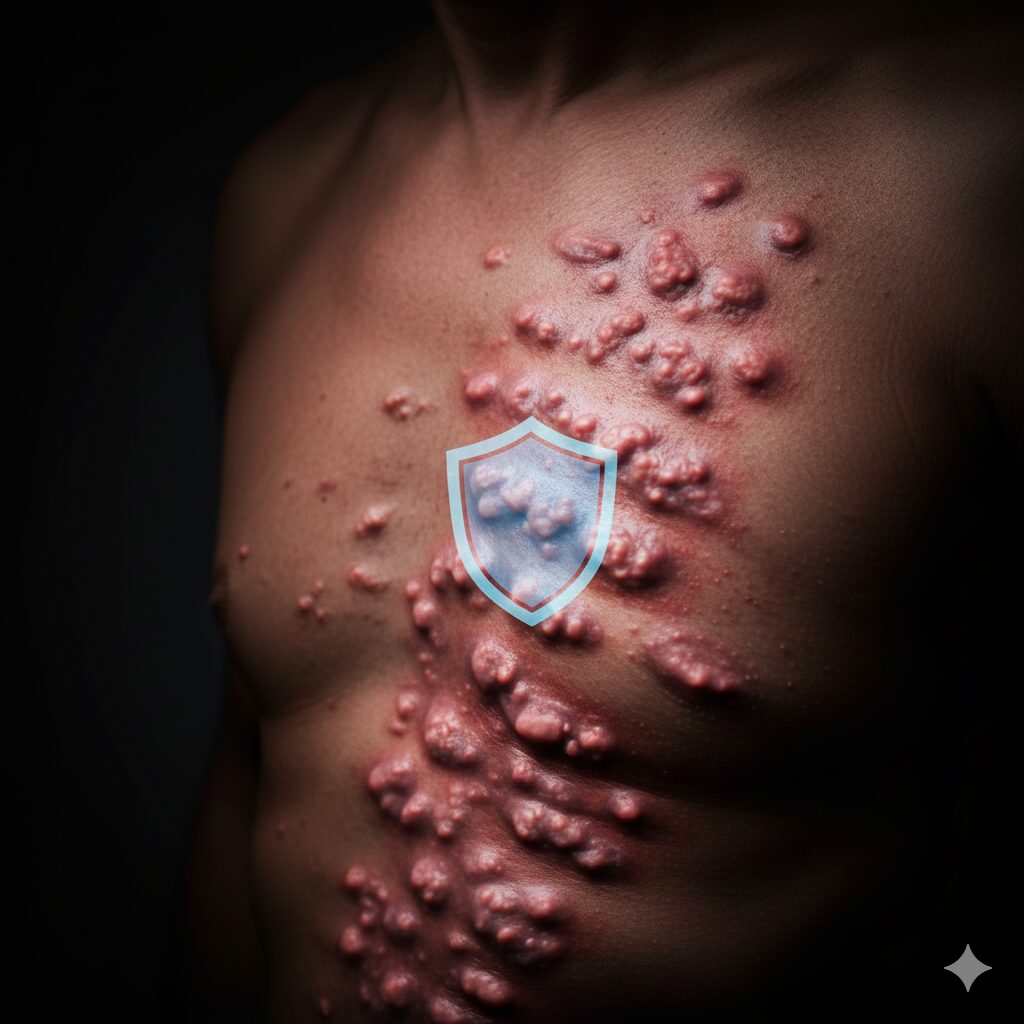
🧐 Shingles: Why Does It Happen?
Shingles is caused by the Varicella-Zoster Virus (VZV), the same virus that causes chickenpox. Once you recover from chickenpox, this virus doesn’t disappear; it hides and remains dormant in a part of your body called the ganglia (nerve bundles). Like a dormant volcano, it stays quiet until it finds a moment when your body’s immune system is weak, then it reactivates.
💡 What is Dormancy?
[Cooldy’s Comment] Dormancy is the state where a pathogen hides inside the body without showing any external symptoms. The chickenpox virus is very clever; it can hide in your nerves for your entire life.
The Main Cause of Shingles: Weakened Immunity
Shingles often appears in situations like these:
- Excessive Stress and Fatigue: Chronic stress is a primary culprit in weakening the function of immune cells.
- Aging: Immunity naturally declines with age. (This is why shingles is common among middle-aged and older adults.)
- Specific Illnesses and Treatments: Taking immunosuppressants due to cancer treatment (chemotherapy) or organ transplantation.
- Nutritional Imbalances and Lack of Sleep: A healthy diet and sufficient sleep are the basic shields protecting your immunity.
When the body is weakened, the dormant virus travels along the nerve path to the skin, causing inflammation and a rash—that is the mechanism of shingles.
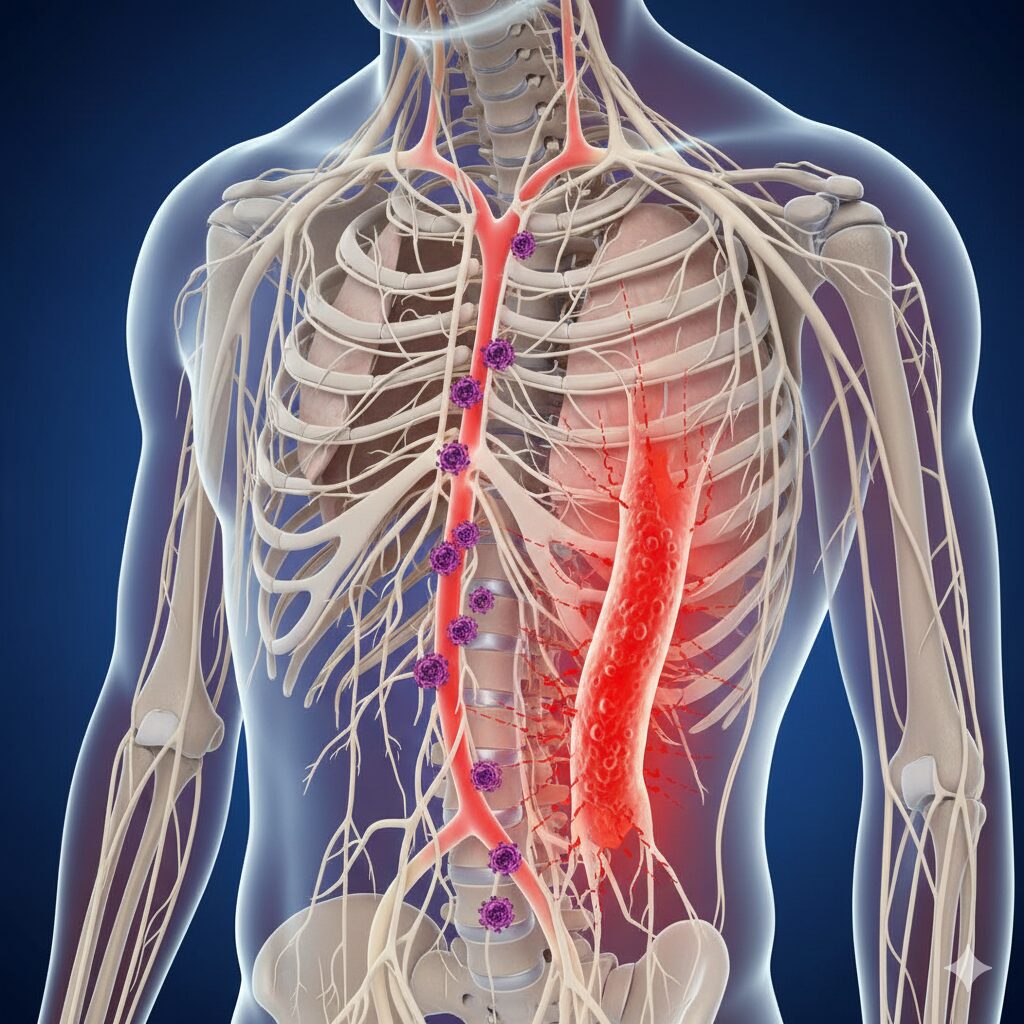
🚨 Do Not Miss the 3 Stages of Early Shingles Symptoms
The timing of treatment is critical for shingles. Taking antiviral medication within the 72-hour golden window of onset is key to minimizing the duration of pain and the risk of complications. Therefore, rapid identification of early symptoms is essential!
1. Prodromal Phase (Pre-Rash Stage): The Peculiar Pain Begins.
Days before the skin rash appears, you might experience the following symptoms. This is the period when the virus is traveling along the nerve.
- Extreme Pain: Aching, burning, or stinging pain that feels like an electric shock, confined to only one side of the body (right or left).
- Sensory Changes: The skin in the affected area might feel itchy, numb, or extremely sensitive to touch.
- Flu-like Symptoms: Headaches, fever, and chills, similar to a cold, may accompany the pain.
2. Eruptive Phase: Band-shaped Blisters Appear.
Two to three days after the pain starts, red rashes begin to appear in the exact area where the pain was felt.
- Characteristic Rash: Small blisters (vesicles) appear in clusters on the red rash, spreading in a band-like pattern along the path of the affected nerve. (The name ‘Shingles’ is derived from the Latin word for ‘belt’ or ‘girdle’.)
- Common Sites: Most common on the chest, back, and waist. If it occurs on the face or around the eyes, it can cause severe complications, such as vision loss, requiring immediate medical attention.
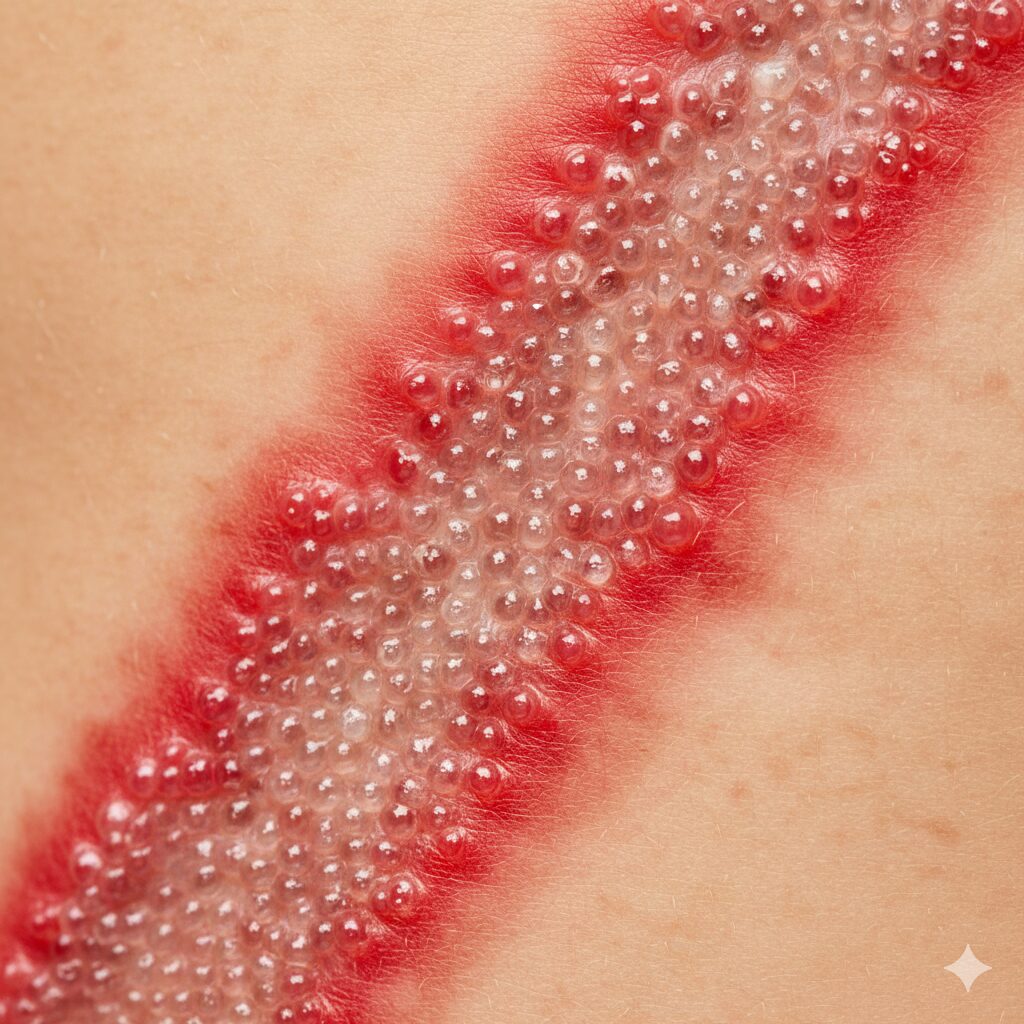
3. Recovery Phase: Scabs Form and Healing Occurs.
The blisters eventually become cloudy, rupture, and then turn into scabs (crusts), slowly leading to recovery.
- Caution: Be careful to avoid infection until the scabs completely fall off. While the rash usually resolves within 2 to 4 weeks, the major concern is when the pain does not subside.
💡 Postherpetic Neuralgia (PHN): The Most Frightening Complication
In some shingles patients, particularly older adults, chronic pain may persist even after the rash has disappeared. This is called Postherpetic Neuralgia (PHN).
PHN occurs when the shingles virus damages the nerve itself. It is a severe complication that significantly lowers the quality of life, causing extreme pain even from the slightest touch, like clothing brushing against the skin. If the pain lasts longer than three months, it is diagnosed as PHN.
✅ Cooldy’s Advice to Minimize Pain!
- Stick to the 72-Hour Golden Window: If you suspect early symptoms, do not hesitate—visit a dermatologist or pain management clinic immediately to receive antiviral medication.
- Sufficient Rest: During the recovery period, minimize stress and rest adequately to help reduce nerve damage.
- Active Pain Management: Actively manage the pain with analgesics or nerve blocks, as directed by your doctor, to prevent the transition to chronic pain.
🛡️ Shingles Vaccination: Vaccine Types and Optimal Timing
For shingles, prevention is the best form of treatment. Vaccination reduces the incidence of shingles and significantly decreases the severity of the pain and the risk of developing PHN, even if the disease does occur.
💉 Shingles Vaccine Comparison (As of 2025)
| Category | Live-attenuated Vaccine (Zostavax) | Recombinant (Inactivated) Vaccine (Shingrix) |
| Doses | 1 dose | 2 doses (2 to 6 months apart) |
| Efficacy | Approx. 50% (Decreases over time) | Over 90% (Higher long-term efficacy) |
| Recommended Age | Recommended for those aged 60 and over (Some countries 50+) | Recommended for those aged 50 and over |
| Cost | Relatively less expensive | Relatively more expensive |
| Note | Not suitable for immunocompromised individuals (e.g., those on immunosuppressants) | Suitable for immunocompromised individuals (Consultation with a specialist required) |
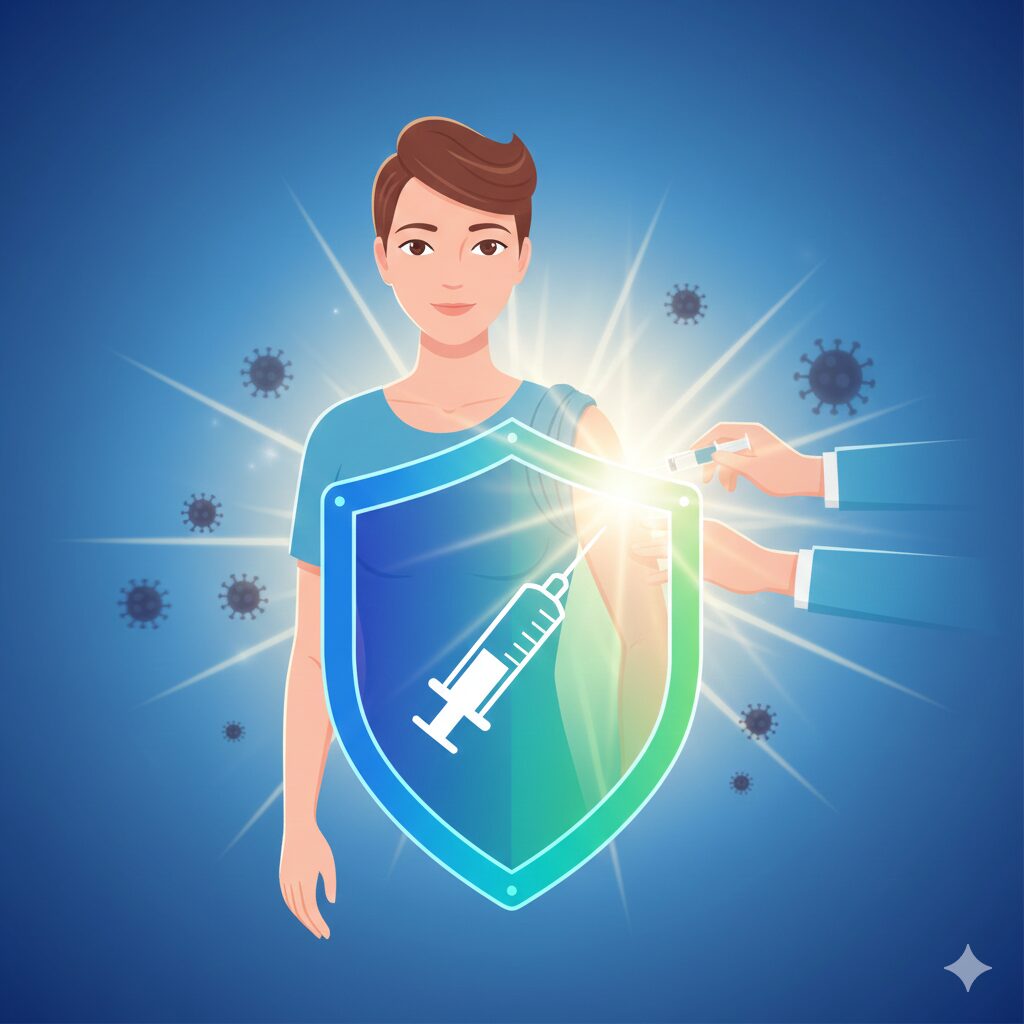
🗓️ Cooldy’s Recommended Optimal Vaccination Timing
- Age 50 and Over: This is the minimum age to consider vaccination. We strongly recommend the recombinant vaccine (2 doses) due to its higher efficacy and duration.
- Age 60 and Over: The risk of shingles and PHN increases sharply, making mandatory vaccination highly advisable.
- If You Have Had Shingles: Having had shingles does not guarantee immunity from recurrence. It is generally recommended to consult a specialist about getting the vaccine at least 6 months to 1 year after full recovery.
[Cooldy’s Comment] The type of vaccine and the timing of the shot should always be decided in consultation with a specialist, considering your individual health status, immunity, and financial situation. Since vaccines are often not covered by insurance, prices can vary significantly between clinics, so checking in advance is a helpful tip!
💪 Daily Habits for Maintaining Immunity (The Core of Shingles Prevention)
Ultimately, the key to preventing shingles is maintaining a robust immune system so the virus cannot reactivate. Here are daily management tips that are just as important as getting vaccinated.
1. Sufficient Sleep and Rest
Sleep is when immune cells reorganize and repair. Aim for 7-8 hours of sleep per night, and when you feel overtired, take a break instead of pushing yourself too hard.
2. A Balanced Diet
Be sure to consume foods rich in vitamins and minerals that boost immunity.
- Recommended Foods: Vitamin C (citrus fruits, broccoli), B vitamins (beans, nuts, grains), Zinc (oysters, beef), and mushrooms rich in immune-boosting beta-glucan should be consumed regularly.

3. Regular Aerobic Exercise
Light aerobic exercise (walking, jogging, etc.) for about 30 minutes, three or more times a week, helps improve blood circulation and enhances the activity of immune cells. However, when you are sick or overly fatigued, resting is more important.
4. Stress Management
Find your own ways to relieve stress, such as hobbies, meditation, or spending time with friends, to maintain psychological well-being, which greatly benefits your immune system.
Conclusion: Awareness is Key, Not Fear!
Shingles is a very common condition in middle-aged and older adults, but with proper early management, it can pass without severe consequences.
I have seen many people suffer from chronic neuralgia because they endured the pain, thinking, “Oh, it couldn’t be shingles,” and missed the treatment window. From now on, if you feel unusual pain or sensory changes on one side of your body, do not dismiss it as simple muscle pain. Instead, be suspicious and visit a doctor quickly for a professional diagnosis.
I hope the information Cooldy shared today about early shingles symptoms and prevention helps you maintain a healthy and vibrant everyday life! 💪
Image Number – Alt Text
Image 1 – Illustration showing the spread of the shingles rash in a band-like pattern along the body’s nervous system – Relationship between the nervous system and skin rash
Image 2 – A close-up image of the typical appearance of a shingles rash. Red, clustered blisters in a band shape on one side of the torso
Image 3 – An image symbolizing the shingles vaccination. A depiction of an arm receiving an injection or a vial of vaccine with a shield icon superimposed
Image 4 – An image of a plate full of fresh vegetables and fruits, symbolizing a healthy diet for boosting immunity
References
- Centers for Disease Control and Prevention (CDC) – Shingles Information (https://www.cdc.gov/shingles/about/index.html)
- Mayo Clinic – Shingles (https://www.mayoclinic.org/diseases-conditions/shingles/symptoms-causes/syc-20353058)