Hello everyone, this is Cooldy! 😊
What do you usually feel after finishing a meal? While some may feel satisfied and full, do you often experience a sudden wave of drowsiness and fatigue, or perhaps intense hunger a few hours later?
If these experiences are frequent, your body might be going through a dangerous situation known as ‘blood sugar spiking’ or ‘glucose spiking.’ This phenomenon isn’t exclusive to people with diabetes; it can happen to anyone. Recent research shows that many people are unknowingly increasing their insulin resistance due to these spikes, putting them on the path toward chronic illnesses like Type 2 Diabetes and cardiovascular disease.
But don’t worry! Today, Cooldy is going to share an incredibly easy yet surprisingly effective secret that requires just 10 minutes after your meal to effectively counter these dangerous blood sugar spikes.
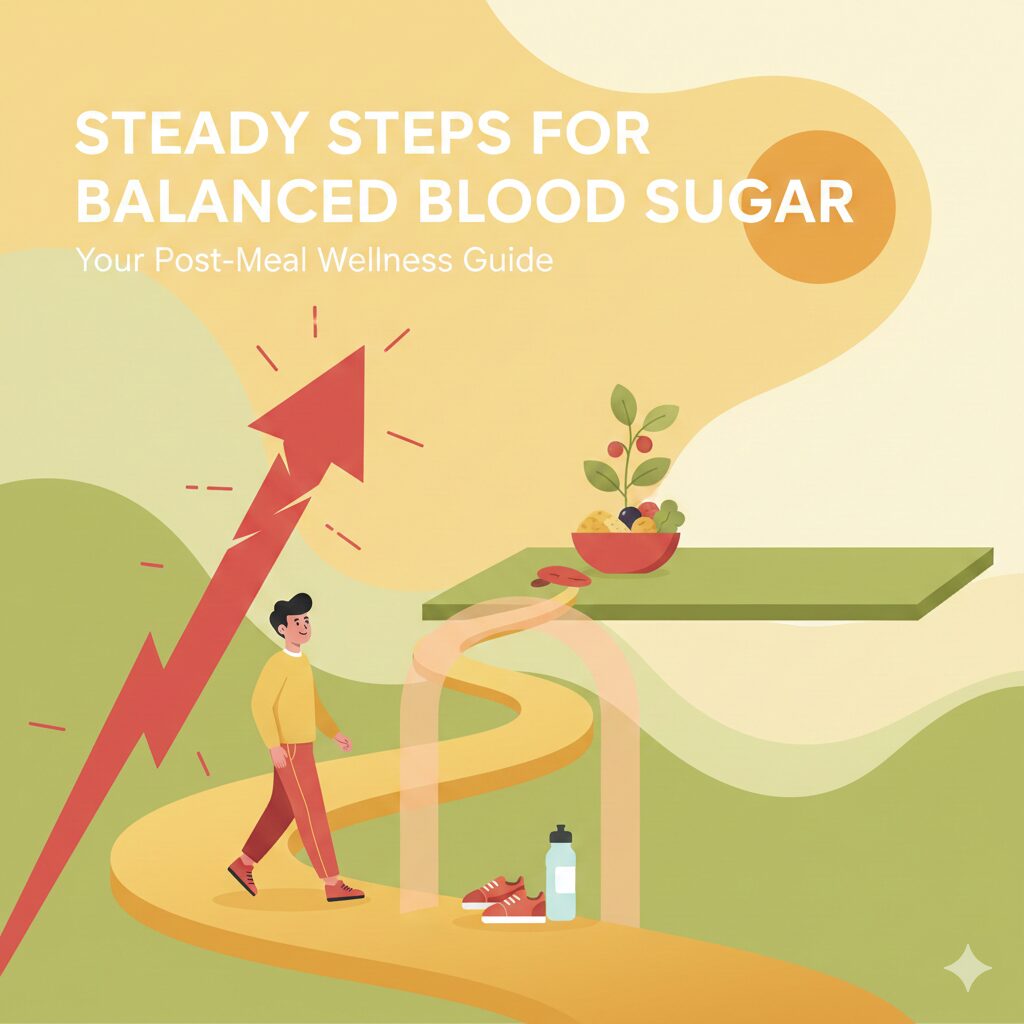
✨ Why is the 10 Minutes After Eating So Crucial? (The Mechanics of Glucose Spikes)
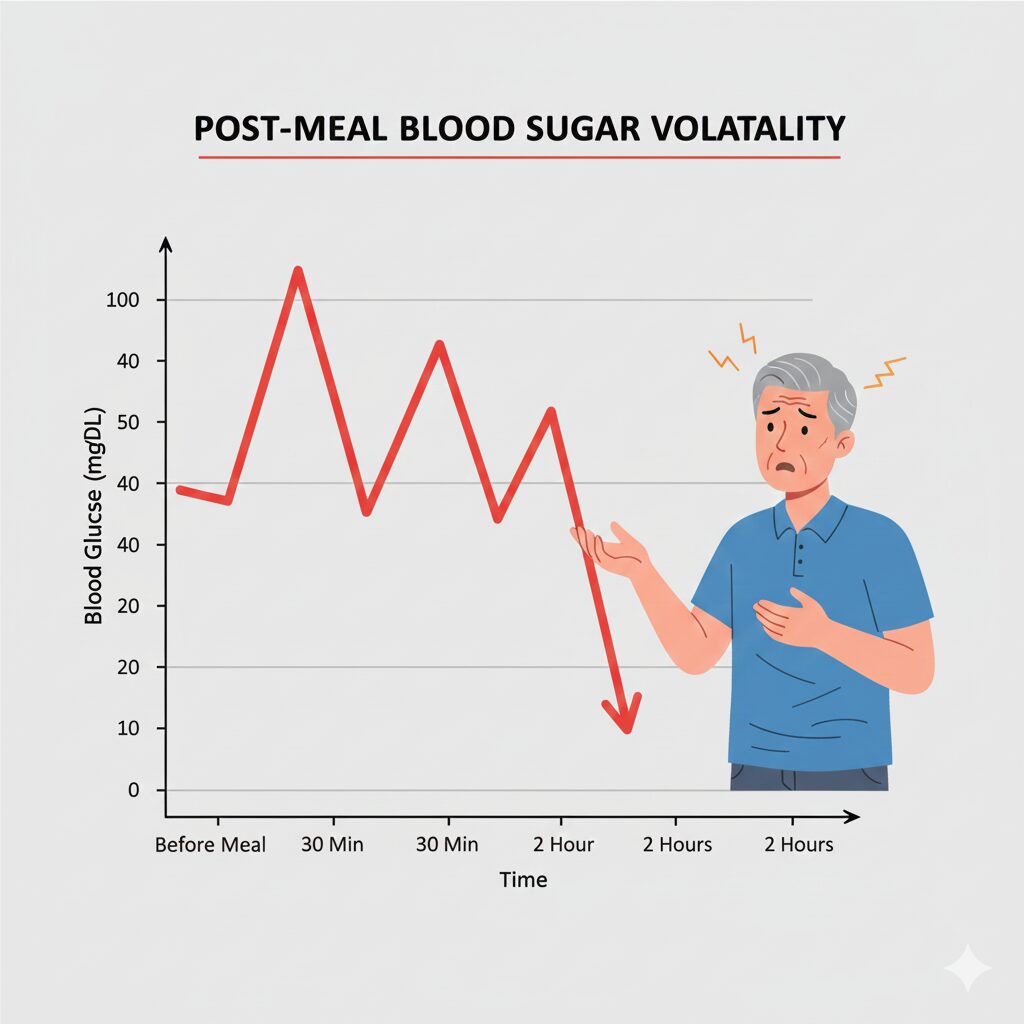
When we eat, especially foods rich in carbohydrates like rice, bread, or pasta, they are broken down into glucose and rapidly absorbed into the bloodstream. When this absorption is too fast, the blood glucose level shoots up abruptly—this is the blood sugar spike.
When glucose levels rise sharply, our body’s pancreas releases a large amount of the hormone insulin as an emergency measure. Insulin’s job is to lower blood sugar. The issue arises when too much insulin is released, causing the blood sugar to plummet afterward. This rapid drop is what leaves us feeling extremely hungry and excessively sleepy (the post-meal slump).
If this rollercoaster of glucose levels repeats, the pancreas becomes exhausted, and cells become less responsive to insulin signals, leading to a state called insulin resistance. This is the key pathway to chronic disease. The peak of this blood sugar spike usually occurs 30 minutes to 1 hour after eating.
🚶♀️ Right After Eating, Do This for Just 10 Minutes!
So, what is the secret weapon against blood sugar spikes? It is simply ‘Walking for 10 minutes after your meal.’
Sound too simple? Yet, countless studies have proven this to be the most reliable and accessible solution.
Why is walking so effective?
- Immediate Glucose Utilization: When we move after eating, our muscles start using the glucose in the blood as an immediate source of energy. Moving large muscles, like those in the calves, maximizes this effect. Even a short, 10-minute walk allows muscles to soak up the glucose being absorbed into the bloodstream, effectively preventing the blood sugar from rocketing up.
- Reduced Insulin Burden: Since glucose is dispersed and absorbed by the muscles, the pancreas doesn’t need to release an excessive amount of insulin. This significantly helps preserve pancreatic health and improves insulin resistance in the long run.
💡 Cooldy’s Tip: ‘Walking’ doesn’t mean you have to exercise vigorously or walk quickly until you’re out of breath. A gentle stroll around the house, doing light chores like washing dishes, or a very slow outdoor walk is sufficient. The key is to start immediately after finishing your meal (within 10 minutes)!

🥑 The Power of ‘Eating Order’ and ‘Ingredients’ for Stabilization
In addition to walking, small changes in your dietary habits can greatly assist in glucose management.
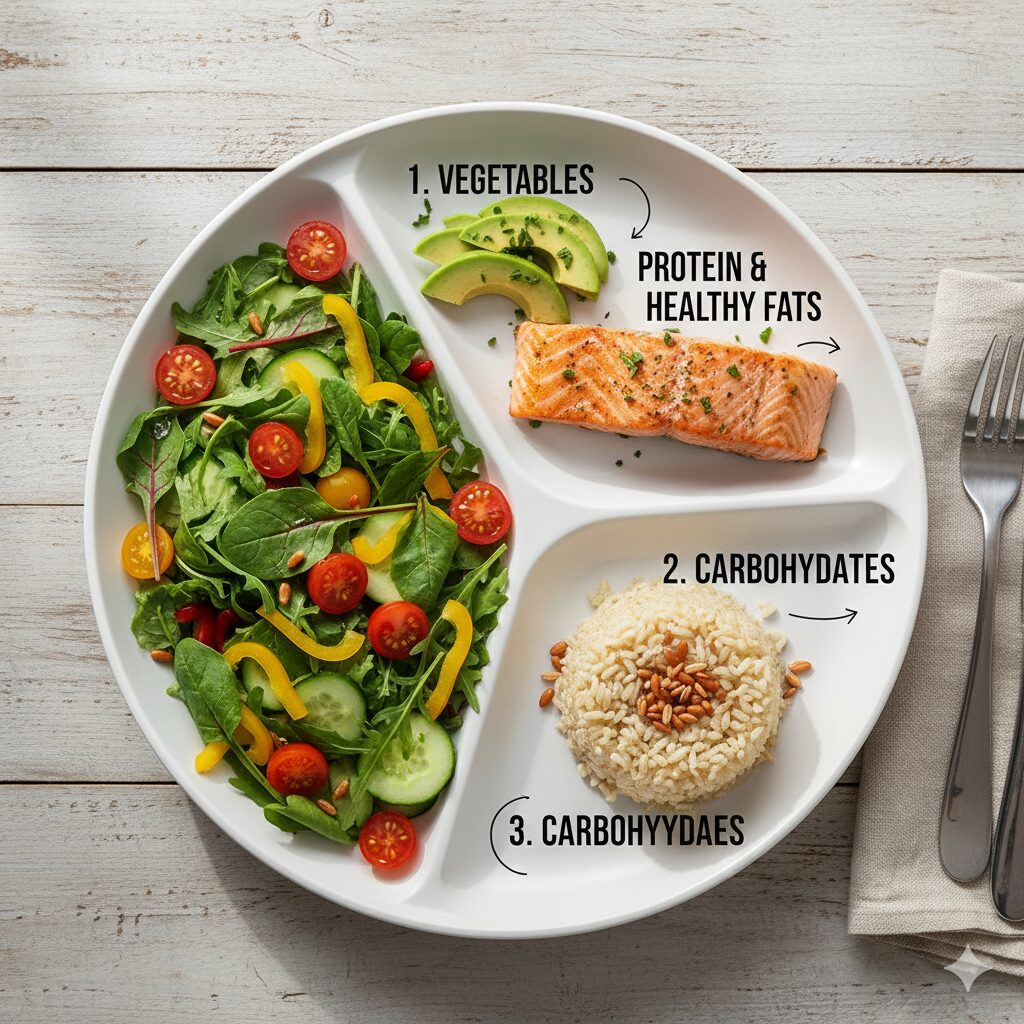
1. Change the Eating Order to Control Glucose (The Power of Fiber)
Try changing your eating sequence to Vegetables -> Protein/Fat -> Carbohydrates.
- Vegetables (Fiber): Eating vegetables (salad, greens, etc.) first means the abundant dietary fiber acts as a filter in your stomach and intestines, slowing down glucose absorption. This allows your blood sugar to rise gradually.
- Protein/Fat: Next, consume protein and healthy fats like meat, fish, or tofu.
- Carbohydrates: Finally, eat your carbs like rice or pasta. This sequence minimizes the overall magnitude of the blood sugar spike.
2. Recommended Ingredients for Glucose Management
- Oats (Oatmeal): Rich in beta-glucan, a soluble fiber that ensures a slow and steady rise in blood sugar. Try substituting some white rice with oats in your meals.
- Nuts (Almonds, Walnuts): High in unsaturated fatty acids and fiber. Consuming a small amount before a meal can help stabilize post-meal glucose.
- Cinnamon: Cinnamon contains compounds known to help lower blood sugar levels. Sprinkle a small amount on your coffee or yogurt.
💡 Daily Habits for Sustained Glucose Control
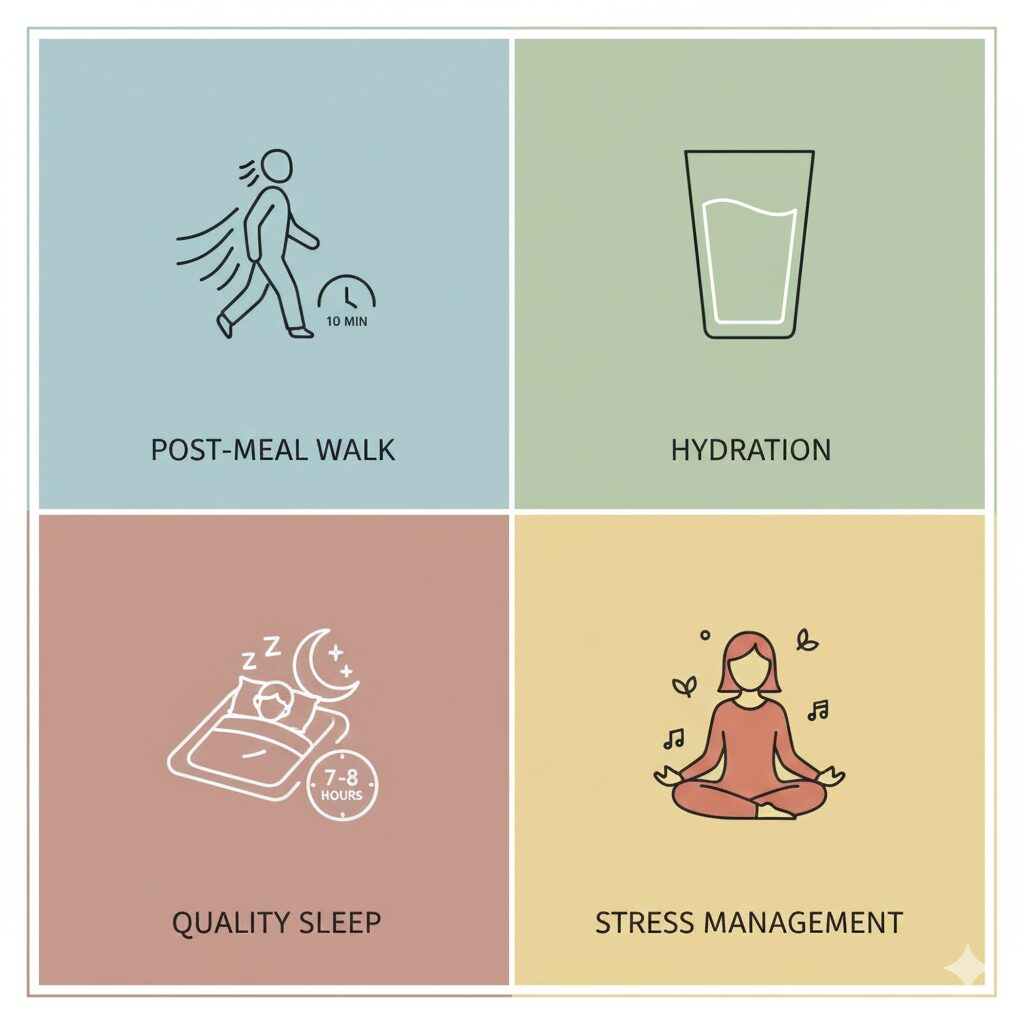
Preventing blood sugar spikes is about consistent habit, not a one-time fix. Here are a few small habits to adopt alongside your post-meal walk.
- Water Intake: A glass of warm water during or after a meal aids digestion, promotes a feeling of fullness, and indirectly supports glucose management.
- Sufficient Sleep: Sleep deprivation triggers stress hormones (cortisol), which impair insulin function and disrupt blood sugar regulation. Aim for 7–8 hours of quality sleep nightly.
- Stress Management: Stress is a major culprit that also promotes cortisol release, elevating blood glucose. Find ways to relieve stress effectively through meditation or hobbies.
💖 Cooldy’s Final Words
Blood sugar spiking is a powerful warning signal from our body. By acknowledging this signal and simply dedicating 10 minutes to a light walk after eating, we can significantly strengthen our health.
Start the 10-minute miracle today! This small habit will protect your vascular health and support a long, vibrant life. I cheer for your continued health and well-being! 💪