- Enhanced Visibility: The 2026 updates mandate uniform lighting levels, specifically targeting the reduction of glare and deep shadows that can cause disorientation for older travelers.
- Safety-First Design: New standards require higher contrast lighting at critical transition points, such as staircases, escalators, and elevator thresholds, to prevent trips and falls.
- Proactive Advocacy: While these are global framework standards, implementation happens locally; knowing these rules helps you advocate for better infrastructure in your own city.
Starting in 2026, a significant shift in how global transit hubs—including subways, bus terminals, and train stations—are illuminated will begin to take effect. These updates, driven by the International Commission on Illumination (CIE) and aligned with various regional accessibility mandates, prioritize the visual needs of an aging global population. For those aged 60 to 80, this is more than just a matter of “brighter” lights; it is about the quality, consistency, and placement of light that directly impacts your ability to navigate safely and independently.
Understanding the 2026 Global Lighting Shift
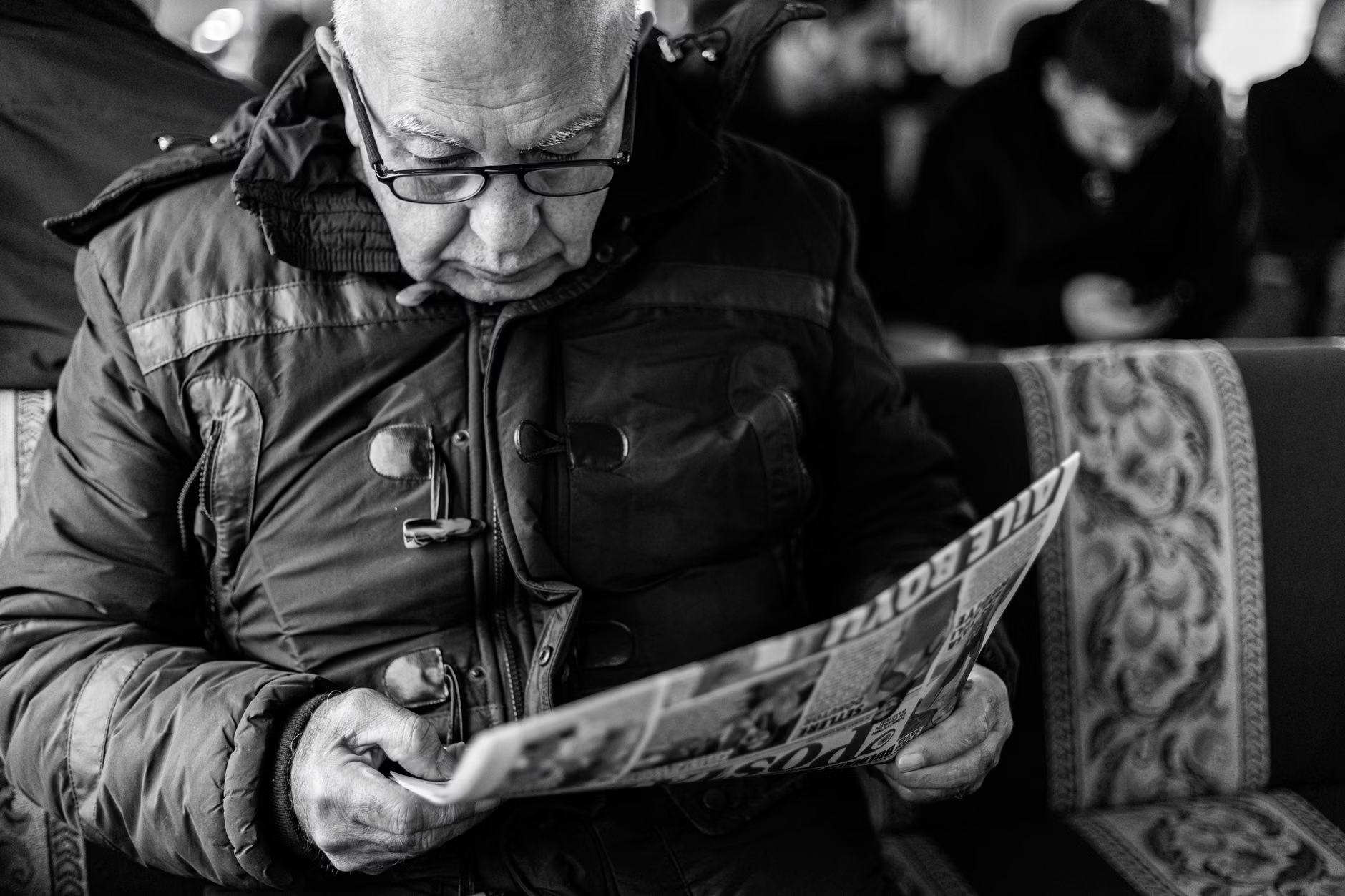
For decades, transit lighting was often designed purely for energy efficiency or aesthetic appeal, frequently resulting in pockets of darkness, blinding glare, and inconsistent brightness levels. As we age, our eyes require more light to perceive the same level of detail, and the time it takes for our eyes to adjust to changes in lighting (such as moving from a bright street into a dim station) increases significantly.
The 2026 standards move away from “average illumination” toward “task-based visibility.” This means that lighting engineers are now required to account for the specific visual challenges faced by older adults, such as reduced contrast sensitivity and increased sensitivity to glare. These standards are being adopted as benchmarks by major transit authorities in the EU, North America, and parts of Asia, effectively setting a new global expectation for public infrastructure.
Why Uniformity Matters More Than Brightness
A common misconception is that more light is always better. However, “hot spots” of intense light combined with dark shadows can be more dangerous than a consistently dimmer environment. High-contrast patches create a “dazzle” effect, where the retina struggles to interpret the depth of a surface, such as the edge of a platform or the step of an escalator.
The 2026 updates mandate a “Uniformity Ratio.” This requires that light be spread evenly across walking surfaces. In practice, this means that when you walk down a long corridor in a transit station, the light levels at your feet should not fluctuate wildly. This stability allows your brain to process spatial cues more accurately, reducing the risk of a misstep.
Key Areas of Impact for Senior Travelers
The new standards focus on “Critical Transition Zones.” These are the areas where most transit-related accidents occur. By standardizing the lighting in these specific zones, authorities hope to significantly reduce the rate of slips, trips, and falls.
| Transition Zone | Old Standard (Common) | 2026 Standard Requirement |
|---|---|---|
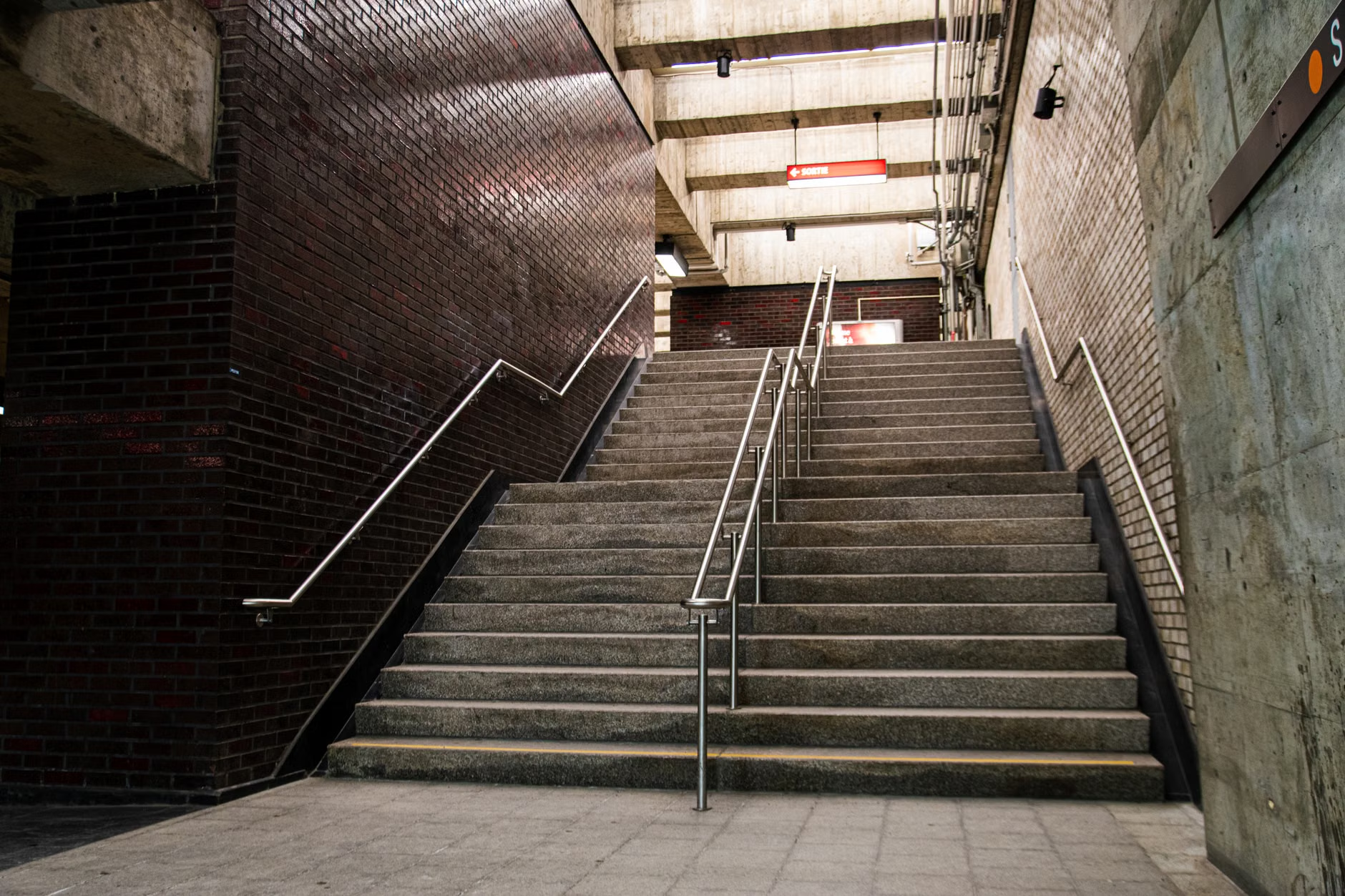
| Staircases | Overhead lighting only; shadows on treads. | Integrated, non-glare tread lighting with high contrast. |
| Elevator Lobbies | Variable light levels; potential dark corners. | Consistent, high-visibility lighting at entry/exit points. |
| Platform Edges | Fluorescent strips; occasional flickering. | Continuous LED border lighting with color-coded alerts. |
The table above illustrates the transition from general lighting to targeted visibility. For the traveler, this means that the edge of a staircase will be clearly defined by light, making it easier to gauge the height of each step. If you find yourself in a station that has not yet been upgraded, be aware that you may need to rely on handrails more heavily than you would in a modernized facility.
While the 2026 standards are being rolled out, many transit systems will remain in a “mixed” state for several years. Not every station will be retrofitted immediately. Understanding how to manage these environments is essential for maintaining your independence while traveling.
Practical Strategies for Low-Light Environments
- The “Three-Second Pause”: When moving from a brightly lit street into a darker station, stop for three seconds at the entrance. This gives your pupils time to adjust, preventing the initial “blindness” that occurs during the transition.
- Look for Contrast, Not Just Light: If the floor lighting is poor, look for high-contrast visual cues. Many modern stations use textured tiles or color-coded paths to indicate the route to the exit or the elevator.
- Use Digital Assistance: If you are traveling in an unfamiliar city, look for transit apps that provide “accessibility maps.” These maps often highlight stations with modern infrastructure, including elevators and improved lighting.
Advocating for Better Standards in Your Community
These global standards are not self-enforcing; they require local transit boards and city councils to authorize and fund the upgrades. As a member of the public, you have a voice in this process. Many transit authorities hold public forums or digital surveys regarding accessibility upgrades.
When providing feedback, avoid general statements like “the station is dark.” Instead, use specific, actionable language:
- “The transition from the street-level entrance to the platform stairs is poorly lit, creating a risk for those with depth perception issues.”
- “The elevator lobby lacks uniform lighting, making it difficult to identify the buttons.”
- “I would like to see the station adopt the 2026 CIE standards for uniform platform lighting to improve safety for older passengers.”
Understanding the Role of “Glare” in Modern Lighting
As we age, the lens of the eye naturally yellows and can develop minor opacities. This makes us significantly more susceptible to glare—the discomfort or disability caused by bright light reflecting off shiny surfaces. The 2026 standards explicitly address this by requiring “diffused” lighting solutions.
In the past, designers often used polished metal or high-gloss tiles in stations to make them look “clean.” However, these surfaces act as mirrors for bright overhead lights, creating blinding reflections. The new standards encourage the use of matte finishes and indirect lighting, where light is bounced off walls or ceilings rather than shining directly into the eyes of the traveler. If you notice a station that seems “soft” or “even” in its lighting, it is likely that these modern principles are already being applied.
The Psychological Benefit of Improved Lighting
Beyond the physical safety of avoiding a fall, there is a clear psychological benefit to well-lit environments. Poor lighting can induce anxiety, particularly in large, complex transit hubs. Knowing that you can clearly see the path ahead, identify signage, and recognize the faces of staff or other passengers creates a sense of confidence. This confidence is a key factor in the decision to continue using public transport, which is vital for maintaining social connections and physical activity as we age.
Addressing Common Misconceptions
A common fear is that new, high-efficiency LED lighting will be “too blue” or “too harsh.” While early LED technology did have a blue-tinted, clinical feel, the 2026 standards emphasize “Warm-Neutral” color temperatures. These settings are designed to mimic natural daylight without the harsh blue spikes that can cause eye strain. If you are ever in a station that feels uncomfortably blue or “cold,” it is likely using outdated LED technology, not the modern standards currently being phased in.
Preparation and Daily Habit Checklists
For those who rely on public transit for daily errands or leisure travel, preparation is the best way to mitigate environmental risks. Keep this checklist in mind for your next trip:
Pre-Trip Checklist:
- Check the station’s official website for “accessibility information.” Many major cities now provide photos of station entrances and platforms.
- Wear appropriate footwear with non-slip soles, especially when navigating stairs in older stations.
- Carry a small, high-intensity pocket flashlight. While not intended to light up a station, it can be useful for reading a map or checking a stair edge if you find yourself in an unexpectedly dark area.
- Plan your route during daylight hours whenever possible, as the transition from outdoor light to station light is less jarring.
Technical Nuances: Why 2026?
You might wonder why 2026 is the target year for these global updates. The year 2026 represents the confluence of several factors. First, many of the light fixtures installed in the early 2000s are reaching the end of their operational lifespan. Replacing them with 2026-standard equipment is a cost-effective way for cities to modernize. Second, the global “Age-Friendly Cities” initiative, supported by the World Health Organization, has reached a point where infrastructure standards are being codified into local building codes. This means that any new station construction or major renovation starting in 2026 will be legally required to meet these higher visibility standards.
The Intersection of Accessibility and Technology
Another fascinating development accompanying these lighting standards is the integration of “smart” lighting. Some test stations are now experimenting with motion-activated lighting that increases intensity when a person approaches a staircase or elevator, and dims when the area is vacant to save energy. This is a massive win for older adults, as it ensures that the areas where you are walking are always at peak brightness, without the need for constant, energy-wasting, high-intensity output.
However, there is a potential trade-off: the “lag time” of sensors. If you move slower than the sensor expects, the light might dim prematurely. If you experience this, wait a moment or wave your hand to trigger the motion sensor again. It is a minor inconvenience compared to the benefit of having a brightly lit path, but it is worth noting if you encounter this in newer stations.
Final Considerations for Long-Distance Travel
If you are traveling internationally, remember that lighting standards vary. While the CIE provides global guidance, countries like Japan, Switzerland, and Singapore have historically led the way in station accessibility. In contrast, older transit systems in cities like London, New York, or Paris may take longer to modernize due to the historic nature of their architecture. When planning international trips, look for newer transit lines, which are almost universally built with modern, accessible lighting standards in mind.
Ultimately, the 2026 standards represent a shift toward recognizing that “transit for all” must include “visibility for all.” By understanding these changes, you can better prepare for your journeys, advocate for your needs, and enjoy the independence that comes with reliable, safe public transportation.
Frequently Asked Questions (FAQ)
- Q: Will these new standards make my local train station brighter at night?
A: Yes, if your city adopts the 2026 standards. The goal is to provide consistent, comfortable light levels throughout the day and night to ensure that the transition from the exterior environment to the interior of the station is as safe as possible. - Q: Are these standards mandatory, or are they just suggestions?
A: These are international standards (CIE). While they are not global laws, they are increasingly being adopted into national building codes and transit authority regulations. Many governments now require new transit projects to meet these standards to receive funding or safety certification. - Q: What should I do if I feel unsafe due to poor lighting in a station?
A: Report the issue to the station staff or use the transit authority’s official app/website to submit a feedback form. Be specific about the location (e.g., “the stairs leading to Platform 2”). Transit authorities rely on passenger feedback to prioritize their maintenance and upgrade schedules.
For further information on global lighting standards, you can visit the International Commission on Illumination (CIE) official website.