- Prioritize Accessibility Verification: Always contact heritage sites directly to confirm lift access, floor surface types, and the availability of resting zones before finalizing your route.
- Strategic Packing for Stamina: Shift your focus from heavy gear to “recovery-first” items like lightweight folding stools, compression wear, and hydration tools to maintain energy throughout the day.
- The “One-Major-Site” Rule: Plan your itinerary around one primary heritage destination per day to allow for adequate rest and to account for the slower pace of navigating historic, often uneven, urban architecture.
Introduction: The Joy of Heritage Discovery
Heritage library districts offer a unique window into the intellectual and architectural history of a city. However, these areas—often characterized by cobblestone streets, grand but aging infrastructure, and sprawling complexes—present specific challenges for the senior traveler. Successful exploration requires more than just curiosity; it demands a strategic approach to packing and physical pacing.
This guide provides a comprehensive framework for planning and packing for your next cultural excursion. Whether you are visiting the historic reading rooms of Europe or the specialized archives of North America, these strategies will ensure that your focus remains on the literature and architecture rather than the logistical hurdles of the journey.
Understanding the Physical Demands of Heritage Districts
Heritage districts were rarely built with modern accessibility standards in mind. Even sites that have been retrofitted often retain features like narrow doorways, uneven stone flooring, and limited elevator access. Understanding these inherent risks is the first step toward a safe trip.
The Impact of Historic Infrastructure
Many library districts are located in the “Old Town” sections of cities. These areas typically feature steep inclines and historic stone pavement. For the mature traveler, these surfaces increase the risk of trips and falls and can significantly accelerate foot fatigue. When planning, do not rely solely on mobile maps; look for “accessibility maps” often provided by local tourism boards, which specifically highlight routes that avoid stairs and steep gradients.
Managing Stamina and Recovery
A common mistake is over-scheduling. The cognitive load of processing history and architecture, combined with the physical exertion of walking, can lead to premature exhaustion. We recommend the “One-Major-Site” rule: limit your primary focus to one library or archive per day. This leaves the afternoon open for leisurely reflection or rest, which is essential for maintaining your energy levels for the remainder of your trip.
Packing for Mobility and Comfort
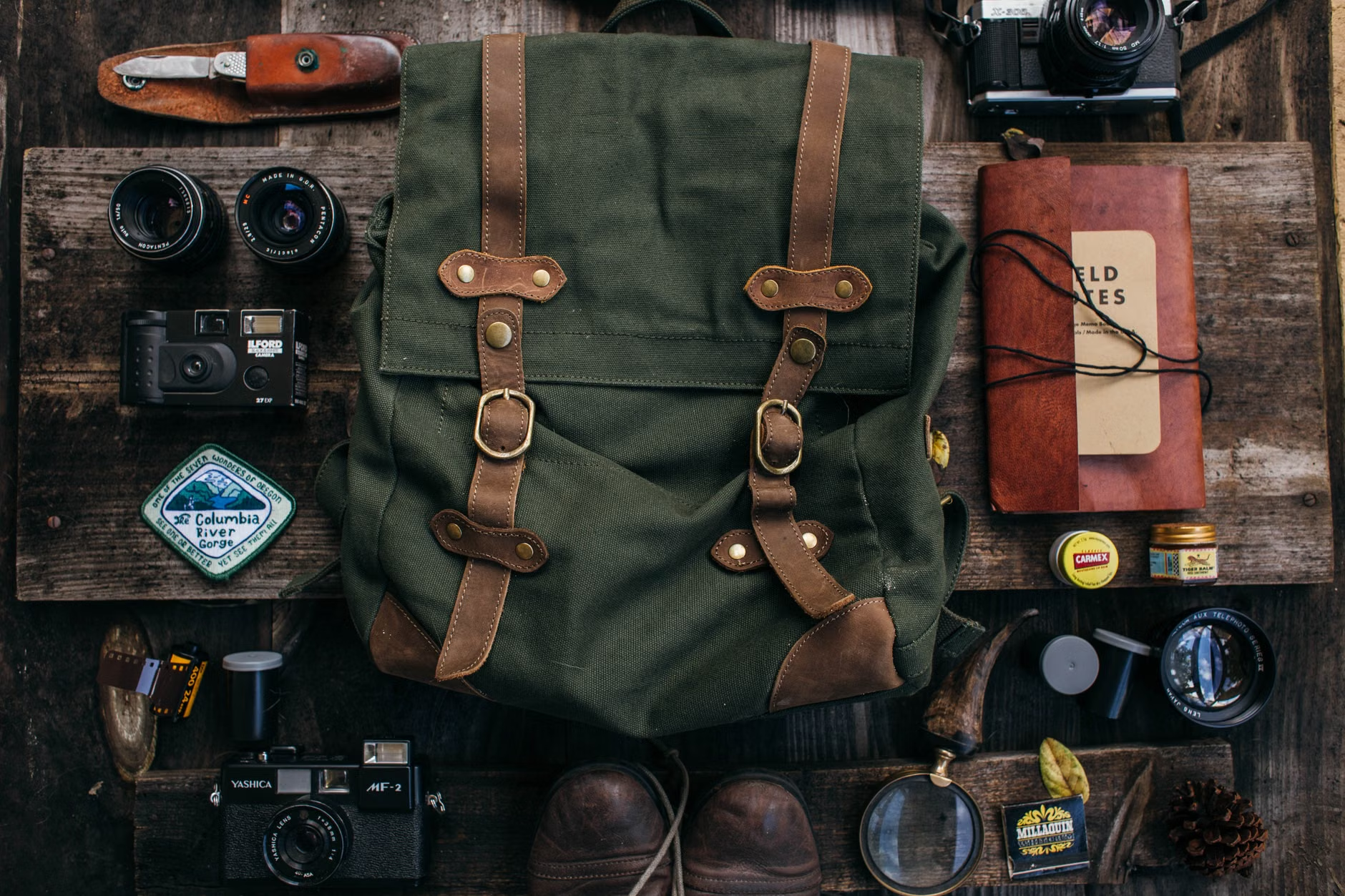
Your packing list should prioritize stability and energy conservation. Think of your gear as an extension of your mobility strategy. Every item you carry must serve a purpose that reduces physical strain.
The Essential Senior Traveler’s Toolkit
| Item | Purpose | Recommendation |
|---|---|---|
| Portable Folding Stool | Instant rest in crowded or seat-limited spaces. | Choose a model weighing under 1kg (2.2 lbs) with a high weight capacity. |
| Compression Socks | Reduces leg swelling from standing and walking. | Seek medical-grade graduated compression for best results. |
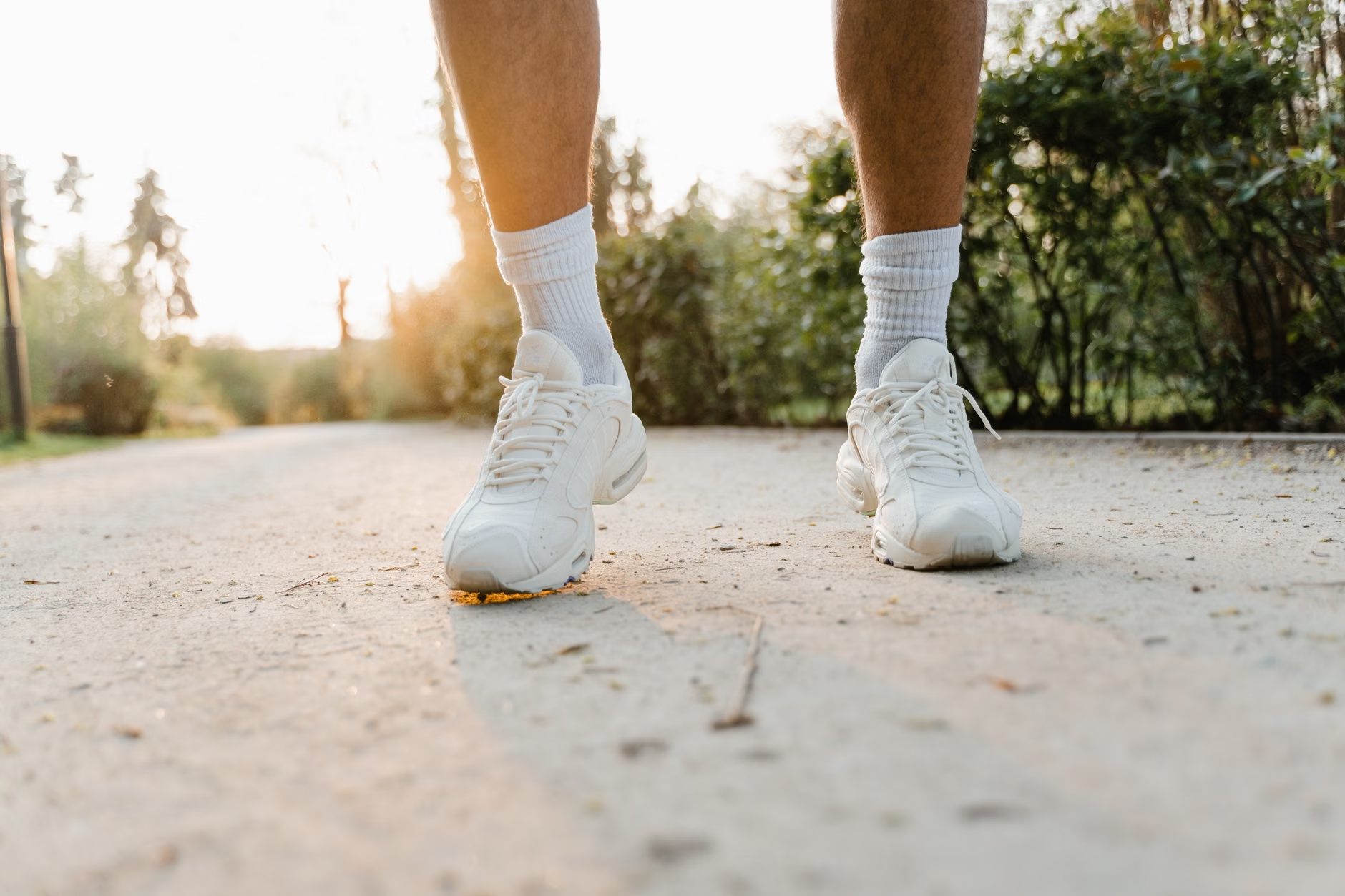
| Supportive Footwear | Provides ankle stability and shock absorption. | Ensure they are “broken in” at least two weeks before departure. |
| Hydration Bladder/Bottle | Consistent access to water without searching. | Use a leak-proof bottle with a clip for easy access. |
The items listed above are not mere accessories; they are tools for risk management. For instance, a portable folding stool allows you to bypass the “search for a chair” fatigue that often plagues seniors in older buildings, where seating might be relegated to distant corners.
Pre-Trip Verification: The “Accessibility Audit”
Before you leave home, you must perform a digital audit of your destination. Do not assume that “public building” implies “fully accessible.”
Steps for Remote Verification
- Check the Official Website: Look for a dedicated “Accessibility” or “Visitor Information” page. If it doesn’t exist, this is a red flag.
- Direct Contact: Call or email the facility directly. Ask: “Is there a step-free entrance?” and “Are all reading rooms reachable via lift?”
- Virtual Tours: Use Google Street View or the library’s own virtual tour to inspect the entrance and lobby. This allows you to see the width of doors and the presence of any sudden steps.
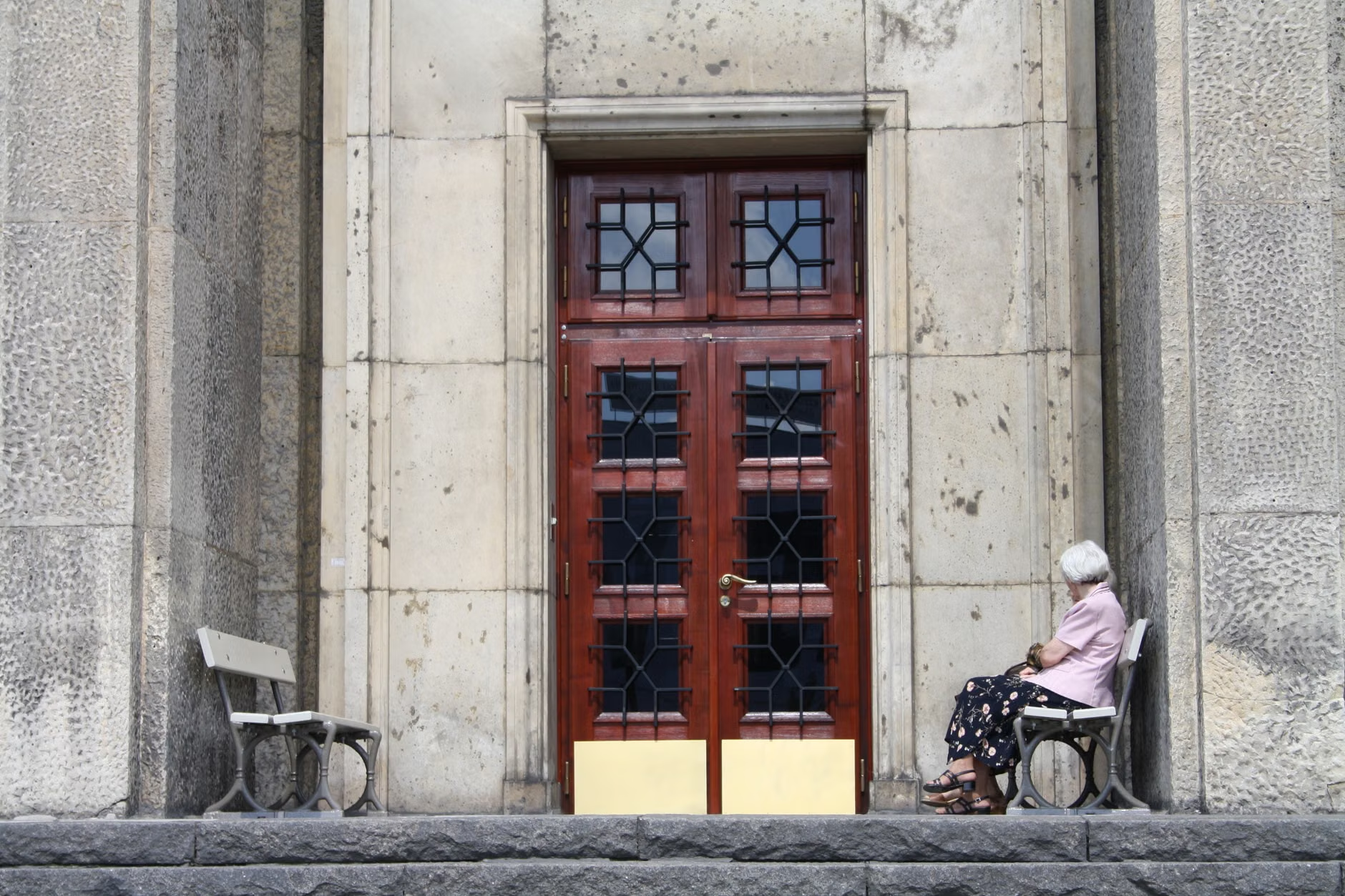
Note: In many countries, such as the UK or France, historic buildings are protected by heritage status, which sometimes limits the installation of permanent ramps. In these cases, staff may use portable ramps. Always verify if you need to “notify them 24 hours in advance” to have these ramps deployed.
Once you are on the ground, your goal is to manage your environment. If you find yourself in a library with complex, multi-level layouts, follow these steps to stay comfortable.
The 30-Minute Rest Rule
Even if you feel energetic, plan a 30-minute sit-down break for every 90 minutes of activity. This is not about being tired; it is about preventing the buildup of lactic acid and maintaining your cognitive focus. Use this time to hydrate and review your route for the next leg of your tour.
Managing Transitions
The most dangerous points in travel are transitions: moving from a taxi to the sidewalk, or from a marble floor to a carpeted library room. These changes in surface friction are common causes of stumbles. Take a moment to adjust your gait when transitioning between surfaces. If you use a cane, ensure it has a rubber ferrule that provides good grip on polished stone or marble floors.
Health and Wellness: A Proactive Approach
Travel is a significant physiological stressor. Maintaining your daily habits is the best defense against travel fatigue.
Medication and Documentation
Carry a list of all your medications, including dosages, in your wallet. If you are traveling internationally, ensure your prescriptions are in their original packaging and that you have a letter from your doctor for any controlled substances. Keep this in your carry-on, not your checked luggage.
Recognizing Warning Signs
If you experience unusual shortness of breath, dizziness, or sharp pain in your joints during your tour, stop immediately. These are not signs to “push through.” Find a quiet area, sit down, and assess your symptoms. If they do not resolve within 15 minutes of rest, seek assistance from library staff, who are trained to handle visitor emergencies.
The Hidden Variables of Heritage Travel
One overlooked variable is the climate control within historic libraries. These buildings are often kept at cooler temperatures to preserve books. What feels like a comfortable temperature for a 20-year-old student may be too cold for a senior traveler. Always pack a lightweight, easily removable layer, such as a cardigan or a pashmina, to manage temperature fluctuations.
Another factor is lighting. Historic libraries often feature dim, ambient lighting to protect manuscripts. This can make stairs and uneven floors harder to navigate. If you have any concerns about your vision, consider carrying a small, high-intensity LED flashlight to illuminate your path in dimly lit corridors.
Planning for the Long Term: Building Your Travel Routine
Travel is a skill that improves with practice. By refining your packing list and planning process, you make future trips more manageable. Keep a “Travel Log” where you note which items were useful and which were not. For example, you might find that a specific type of backpack causes shoulder strain, prompting you to switch to a cross-body bag or a lightweight rolling case for your next trip.
Remember that the goal of a heritage tour is enrichment. By removing the stress of logistics through careful planning, you ensure that you have the mental and physical bandwidth to fully appreciate the history, art, and knowledge contained within these venerable institutions.
Conclusion: The Path Forward
Heritage library districts are accessible to those who plan with foresight. By focusing on your physical needs, verifying accessibility, and packing for comfort, you turn a potentially stressful excursion into a rewarding cultural experience. Start by auditing your next destination, adjusting your packing list to favor stability, and pacing your day to honor your need for rest. Your next discovery is waiting, and with the right preparation, you are fully equipped to reach it.
Frequently Asked Questions
- Q: Should I bring my own wheelchair for a library tour even if I can walk short distances?
A: If you have reduced stamina, a lightweight, transportable wheelchair can be a major asset. It allows you to participate in longer tours without the risk of overexertion. Always check with the library if they offer loaner wheelchairs, but having your own ensures consistency. - Q: How do I handle cobblestone streets when I have limited mobility?
A: Cobblestones are notoriously difficult. Use a cane with a wide, high-traction base. If possible, research routes that use sidewalks or paved paths alongside the historic streets. If a route seems too risky, do not hesitate to use a taxi or local transport to bridge the gap between your accommodation and the library entrance. - Q: What should I do if the library I want to visit has no elevator?
A: If a building is inaccessible, check if they offer “virtual access” or if the ground floor contains the primary exhibits. If the entire collection is on upper floors, it is better to skip the site rather than risk injury. Many libraries have dedicated digital archives that you can enjoy from the comfort of a hotel or cafe.
For further information on accessible travel standards, you can refer to the UN World Tourism Organization’s guidelines on accessible tourism.