- Prioritize Infrastructure: Always verify if the arboretum offers paved, flat paths and electric shuttle services before booking, as historic sites often have uneven, natural terrain.
- Off-Peak Planning: Visit during weekday mornings to avoid crowds and ensure easier access to seating, accessible parking, and staff assistance.
- Resource Verification: Use official garden websites to check for “Accessibility Statements”—if these are missing, call the visitor center directly to ask about specific slope gradients and toilet locations.
Planning a trip to a historic arboretum offers a unique blend of botanical education and serene recreation. However, because many of these institutions are centuries old, they often present challenges regarding terrain, walking distances, and facility design. For travelers aged 60 to 80, a successful visit depends less on the rarity of the plant collection and more on the infrastructure supporting your mobility and comfort.

Evaluating Accessibility: The “Infrastructure-First” Approach
When selecting a destination, it is easy to be swayed by stunning photography or glowing reviews of rare flower species. For the senior traveler, the primary metric for success is the site’s Accessibility Statement. Most modern, professionally managed arboretums publish a document detailing their site’s layout. If an institution does not have one, this is often a red flag regarding their preparedness for visitors with limited mobility.
Understanding Terrain and Path Composition
Historic arboretums are often designed with “naturalistic” landscaping, which can include gravel paths, wood chips, or uneven cobblestones. These surfaces are notoriously difficult for those using canes, walkers, or wheelchairs. When researching a potential destination, look for the following indicators of suitability:
| Path Type | Accessibility Rating | Best Suited For |
|---|---|---|
| Paved Concrete/Asphalt | High | Wheelchairs, walkers, and those with balance concerns. |
| Compacted Fine Gravel | Moderate | Sturdy walking shoes; can be tiring for those with low stamina. |
| Loose Wood Chips/Grass | Low | Not recommended for those using mobility aids. |
Practical Decision Rule: If the website mentions “historic garden paths” without specifying a width or surface material, assume the terrain is uneven. Always look for the term “ADA compliant” (in the US) or “fully accessible” (internationally) when browsing their visitor information page.
Strategic Pacing and Energy Management
The most common mistake older travelers make is overestimating their walking capacity in a garden setting. Unlike a museum, where you can move from room to room, arboretums are expansive. A “short loop” can easily cover two to three kilometers. Managing your energy requires a deliberate approach to the route and the timing of your visit.
The “Shuttle-First” Strategy
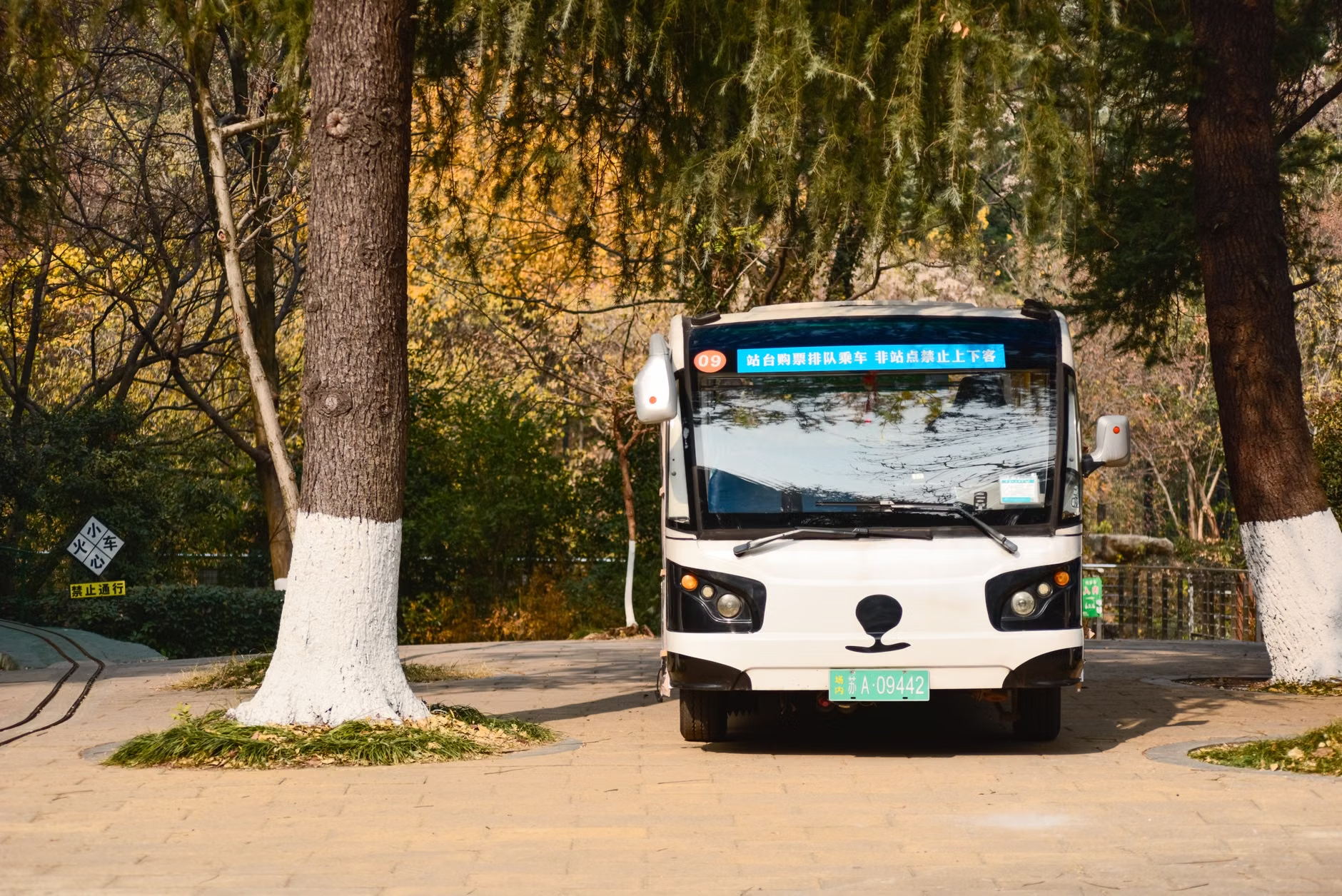
Many large-scale botanical gardens now offer electric shuttle tours. These are not merely for convenience; they are essential for ensuring that you can see the highlight of the collection without exhausting your stamina. Before you arrive, check if the shuttle is included in the admission price or requires a separate booking. Some gardens require you to reserve a seat at least 24 hours in advance, especially during peak blooming seasons.
If a shuttle is not available, look for “rest-stop density.” A good rule of thumb is to ensure there is a bench or seating area at least every 200 meters. If the garden map shows large gaps between points of interest, consider bringing a lightweight, foldable cane seat if you feel comfortable using one.

Your journey begins long before you enter the gates. Senior-friendly travel requires a realistic look at how you reach the destination and what amenities await you. Historic sites, in particular, often struggle with modern parking and plumbing requirements.
Parking and Public Transit
If you are traveling by car, verify the proximity of the “accessible parking” spots to the main entrance. Some historic arboretums have gates that are far from the parking lot, requiring a long walk just to reach the ticket booth. If you rely on public transport, check if there is a shuttle from the nearest station. Never assume that a “park” is well-serviced by public buses; many are located in rural or suburban areas where ride-sharing apps (like Uber or local taxi services) are the most reliable option.
The Reality of Restrooms
In older arboretums, restrooms may be located in original, historic buildings that have not been fully modernized. Before committing to a full-day tour, verify the following:
- Location: Are there multiple restrooms, or is there only one at the entrance?
- Accessibility: Are the facilities equipped with handrails and wide doors?
- Maintenance: Are there regular cleaning schedules, and are they indicated on the park map?
Hidden Variables: What Most Travelers Overlook
Beyond the obvious physical accessibility, there are subtle factors that can determine whether your trip is enjoyable or frustrating. These “hidden” variables often go unmentioned in brochures but have a significant impact on your daily wellbeing.
Climate and Exposure
Arboretums are, by definition, large outdoor spaces with varying levels of shade. During summer months, heat exhaustion is a significant risk. If you are traveling in a warm climate, look for the “Canopy Cover” percentage on the garden map. If the garden is largely open meadow, plan your visit for the early morning (8:00 AM to 10:00 AM) and leave before the afternoon heat peaks.
Digital and Physical Signage
Many historic gardens retain original, small, or low-contrast signage. If you have vision concerns, this can make navigation difficult. Consider downloading the arboretum’s mobile app (if available) or printing a large-format map before you leave home. Relying on paper signage that is decades old can lead to unnecessary detours and fatigue.
Preparing for Your Visit: A Pre-Departure Checklist
To ensure a smooth experience, treat your visit like a professional appointment. Preparation reduces anxiety and allows you to focus on the environment rather than the logistics.
- The Call-Ahead: Call the visitor center three days before your visit. Ask: “Is the main path currently under construction?” and “Are all shuttle services operational today?”
- Medication and Hydration: Carry a small bag with water, your necessary medications, and a copy of your emergency contact information.
- Footwear: Even if the paths are paved, you will be walking more than usual. Wear supportive shoes with non-slip soles, even if you do not usually require them at home.
- Weather Check: If there has been recent rain, historic gardens with natural paths may be muddy or slippery. Adjust your plans if the ground conditions are not optimal for your mobility level.
Conclusion: Choosing the Right Experience
Selecting a historic arboretum is a balancing act between appreciating the history of the site and maintaining your personal safety and comfort. By prioritizing sites that offer clear accessibility documentation, shuttle services, and modern facility standards, you can enjoy the beauty of these living museums without the physical strain. Always remember that your goal is a pleasant, sustainable outing; if a particular site does not meet your accessibility needs, do not hesitate to choose a more modern, well-equipped botanical center instead. Your comfort is the primary factor in ensuring that your love for travel and nature remains a lifelong hobby.
Frequently Asked Questions
Q: Are historic arboretums always less accessible than modern botanical gardens?
A: Not necessarily. Many historic institutions have invested heavily in modernizing their infrastructure, such as installing ADA-compliant lifts and smooth, wide pathways. The key is to check their specific accessibility documentation rather than assuming based on the age of the site.
Q: What should I do if I arrive and find the path is too difficult to navigate?
A: Most professional arboretums have a “Plan B” for visitors with mobility issues. Ask the staff at the entrance if they offer a private shuttle service or if there is a specific “accessible-only” route that bypasses the difficult terrain. If they cannot accommodate you, ask for a refund immediately, as you should not be expected to navigate a site that is not safe for your mobility level.
Q: How can I find out the slope gradient of the paths before I go?
A: While most websites do not list exact percentages, they often use terms like “gentle incline,” “steep terrain,” or “flat.” If the site mentions “hilly” or “natural landscape,” it is best to assume that the slopes will be challenging. If you are uncertain, a quick phone call to the visitor center asking, “Is the park manageable for someone using a walker?” will usually get you a very honest answer from the staff.
Official resources for planning your visit can often be found through the Botanic Gardens Conservation International (BGCI), which provides a global database of botanical gardens and their contact information.