- Vitamin A is essential for maintaining the health of the retina and protecting against night blindness and dry eye, which are common concerns for adults over 60.
- It is safer and more effective to obtain Vitamin A through a balanced diet of whole foods (preformed Vitamin A and provitamin A carotenoids) rather than high-dose supplements unless specifically directed by a physician.
- The most practical approach is to prioritize “orange and deep green” vegetables, which provide beta-carotene, a safe precursor that the body converts into Vitamin A only as needed.
Dietary Vitamin A for Eye Health: A Practical Guide for Adults 60+
Maintaining clear vision is a cornerstone of independence and quality of life for adults aged 60 to 80. While modern medicine offers advanced treatments for age-related eye conditions, nutrition remains the most accessible and proactive tool for supporting long-term eye health. Vitamin A, in particular, plays a fundamental role in the visual cycle, yet many seniors are unsure how to incorporate it safely into their daily routines.
This guide provides a comprehensive look at how Vitamin A functions, where to find it in your daily diet, and how to make informed choices to protect your vision without relying on unproven supplements or excessive doses.
Understanding the Role of Vitamin A in Your Vision
Vitamin A is not a single substance, but a group of fat-soluble retinoids. For the human eye, it is critical because it is a key component of rhodopsin, a protein in the eyes that allows you to see in low-light conditions. Without adequate levels, the eyes struggle to adjust to darkness, a condition often experienced as night blindness.
Beyond low-light vision, Vitamin A is essential for maintaining the health of the cornea—the transparent front part of the eye. It helps keep the surface of the eye moist and prevents it from becoming excessively dry, a common issue for many older adults. When the cornea lacks sufficient moisture, it can lead to discomfort, irritation, and, in severe cases, damage to the surface of the eye.
The Difference Between Preformed Vitamin A and Provitamin A
To make smart dietary choices, it is helpful to understand the two primary forms of Vitamin A:
- Preformed Vitamin A (Retinol): Found primarily in animal products. It is ready for the body to use immediately. Because it is stored in the liver, consuming too much of this form (especially through concentrated supplements) can lead to toxicity.
- Provitamin A (Carotenoids): Found in plant-based foods, such as beta-carotene. The body converts these into Vitamin A only as it is needed. This makes plant-based sources a much safer way to increase your intake, as there is virtually no risk of Vitamin A toxicity from eating too many carrots or spinach.
The “Orange and Green” Rule for Grocery Shopping
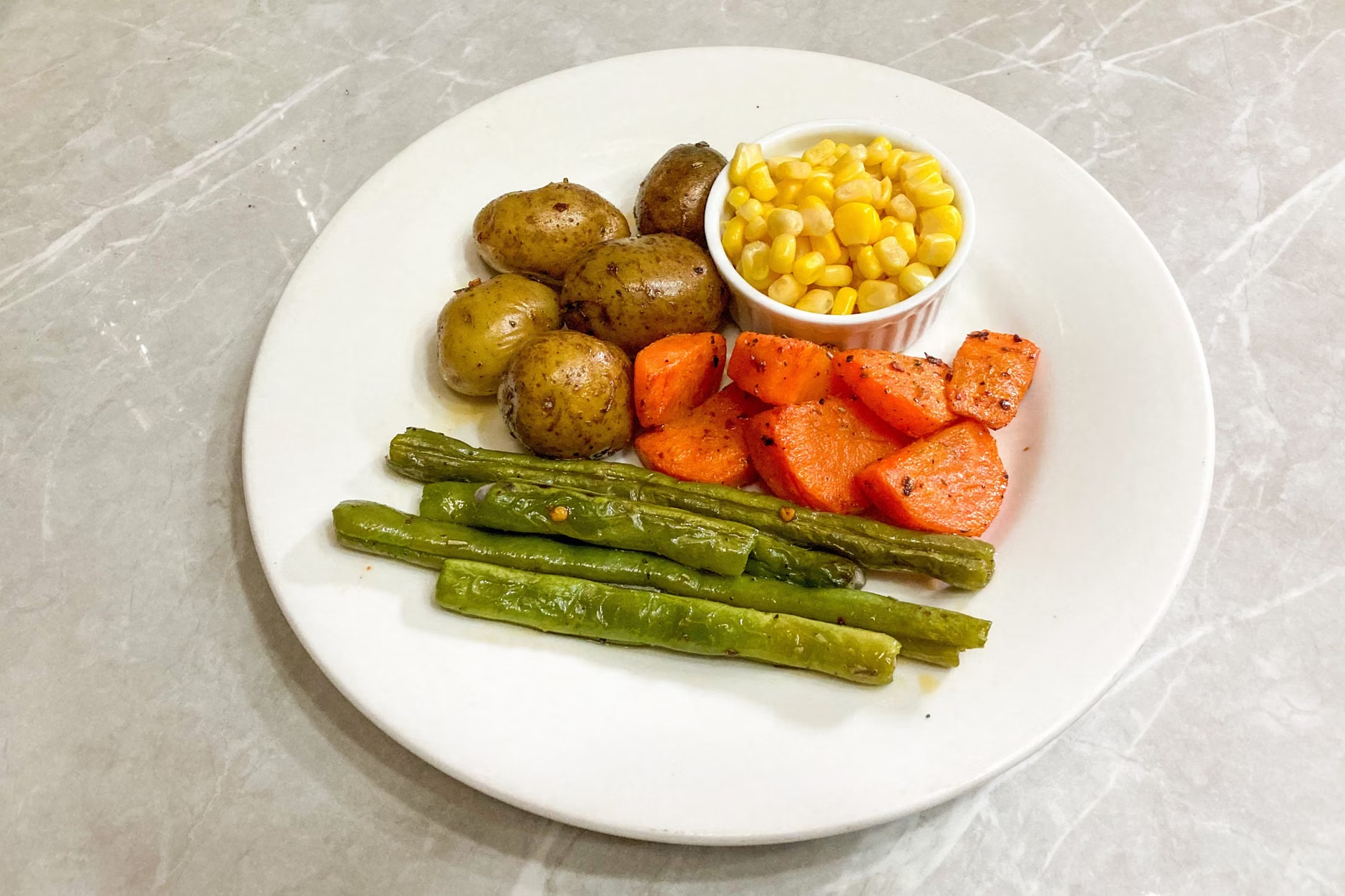
For most adults, the most effective way to ensure adequate Vitamin A intake is to follow the “Orange and Green” rule. This refers to the natural pigments found in vegetables that are rich in beta-carotene.
When shopping, prioritize these two categories. They are not only high in Vitamin A precursors but also rich in fiber, potassium, and other antioxidants that support overall cardiovascular health, which is indirectly tied to eye health through blood flow to the retina.
Recommended Sources and Preparation Tips
| Food Source | Type | Preparation Tip for Better Absorption |
|---|---|---|
| Sweet Potatoes | Provitamin A (Beta-carotene) | Roast with a small amount of olive oil; fat aids absorption. |
| Carrots | Provitamin A (Beta-carotene) | Lightly steam or sauté to break down plant cell walls. |
| Spinach/Kale | Provitamin A (Beta-carotene) | Consume with a healthy fat like avocado or nuts. |
| Beef Liver | Preformed Vitamin A (Retinol) | Consume in moderation (once or twice a month) due to high density. |
Note: Because Vitamin A is fat-soluble, your body cannot absorb it effectively if you consume these vegetables entirely fat-free. A small amount of healthy fat—such as a teaspoon of olive oil, a few slices of avocado, or a handful of walnuts—significantly improves the bioavailability of the nutrients.

Many marketing campaigns target older adults with “eye health” supplements. While some specific supplements (often based on the AREDS2 formula) are clinically recommended for individuals with diagnosed age-related macular degeneration (AMD), they are not necessary for the average healthy adult 60+ who maintains a balanced diet.
The Risk of High-Dose Supplements: Excess preformed Vitamin A (retinol) can accumulate in the liver. For older adults, this can potentially affect bone density or lead to liver strain. Furthermore, some studies suggest that high-dose beta-carotene supplements may carry risks for long-term smokers. Always prioritize food over pills.
When to Consult a Professional
If you notice any of the following, it is time to schedule an appointment with an ophthalmologist or optometrist rather than reaching for a supplement:
- Persistent Dryness: If you find yourself using artificial tears multiple times a day.
- Blurred Vision: Any sudden or gradual decrease in visual acuity.
- Light Sensitivity: Difficulty navigating between bright and dim environments.
- “Floaters” or Flashes: Sudden changes in your visual field.
Prepare for your appointment by keeping a 3-day food log and a list of all medications/supplements you are currently taking. This helps the professional determine if your diet is truly lacking or if the issue is clinical in nature.

Practical Lifestyle Habits for Eye Protection
Nutrition is one piece of the puzzle. To truly protect your eyes, you must combine dietary Vitamin A with daily environmental habits. Often, the damage to our eyes is caused by cumulative exposure to environmental factors rather than a single nutritional deficiency.
1. Manage Screen Time and Blue Light
While screens do not “cause” Vitamin A deficiency, they contribute to digital eye strain. Use the 20-20-20 rule: Every 20 minutes, look at something 20 feet away for 20 seconds. This allows the eye muscles to relax and encourages blinking, which maintains the tear film that Vitamin A supports.
2. Wear UV-Protective Eyewear
UV radiation can accelerate the aging of the lens and retina. Always wear sunglasses labeled “100% UV Protection” or “UV400” when outdoors, even on cloudy days. This is particularly important for those who live in high-altitude areas or near reflective surfaces like water or sand.
3. Maintain Consistent Hydration
The eyes are sensitive to systemic dehydration. If you are not drinking enough water, your body may struggle to maintain the moisture levels in your eyes, rendering your dietary Vitamin A efforts less effective at keeping the cornea lubricated.
Common Misconceptions About Eye Nutrition
There is a persistent belief that “more is better” when it comes to vitamins. In the context of vision, this is a dangerous fallacy. Unlike water-soluble vitamins (like Vitamin C) which the body expels if consumed in excess, Vitamin A is stored in the body. Excessive intake, particularly from multivitamins or concentrated oils like cod liver oil, can lead to side effects such as headaches, nausea, and in extreme cases, bone thinning.
Another misconception is that specific “superfoods” will reverse existing vision loss. While a healthy diet can slow the progression of certain conditions, it cannot “cure” cataracts or macular degeneration. Viewing food as a maintenance tool rather than a medical cure allows you to set realistic expectations and avoid the frustration of “failed” dietary interventions.
Integration into Daily Life: A Sample Strategy
For an adult aged 60 to 80, the most sustainable approach is to integrate these nutrients into existing meal patterns rather than overhauling your entire lifestyle. Consider this simple strategy:
- Breakfast: Add a handful of spinach to your omelet or a side of cantaloupe (also rich in beta-carotene).
- Lunch: Opt for a salad with dark, leafy greens and a dressing made with olive oil to assist absorption.
- Dinner: Incorporate one orange-colored vegetable, such as a roasted sweet potato or carrots, at least four times a week.
By focusing on these small, consistent additions, you provide your body with a steady supply of nutrients without the need for complex meal planning or expensive, high-dose supplements. Remember that consistency over time is far more beneficial for the delicate tissues of the eye than short-term “health kicks.”
Conclusion
Supporting your vision through diet is a rewarding and achievable goal for any adult. By focusing on whole, plant-based sources of Vitamin A—specifically those vibrant orange and dark green vegetables—you can effectively maintain the health of your corneas and support your low-light vision. Combine these nutritional choices with proper UV protection, regular eye exams, and mindful screen use to build a robust defense against common age-related vision concerns.
The best approach is always to treat your diet as the primary source of nutrients and to consult with a healthcare professional regarding any specific concerns or before starting any new supplement regimen. Your eyes are a vital part of how you experience the world; nourishing them properly is an investment in your independence and long-term wellbeing.
Frequently Asked Questions
1. Can I get too much Vitamin A from eating vegetables?
No. Your body only converts beta-carotene (found in vegetables like carrots and sweet potatoes) into Vitamin A as needed. Once your body has enough, it stops the conversion process. Toxicity is generally only a risk when consuming excessive amounts of preformed Vitamin A (retinol), often found in liver or high-dose supplements.
2. Does cooking vegetables destroy their nutritional value?
Actually, for many vegetables rich in beta-carotene, light cooking (like steaming or sautéing) can help break down the tough cell walls, making the nutrients easier for your body to absorb. Adding a healthy fat, such as olive oil, further increases the amount of Vitamin A your body can utilize.
3. How often should I have my eyes checked if I am over 60?
The American Academy of Ophthalmology and similar global health organizations generally recommend a comprehensive eye exam at least once every one to two years for adults 65 and older, or more frequently if you have a family history of eye disease or conditions like diabetes. A professional exam can detect issues long before you notice symptoms yourself.
Sources and Further Reading: