- Universal Standardization: New 2026 guidelines mandate larger cabin sizes, tactile feedback, and extended door-dwell times to accommodate mobility aids and slower walking speeds.
- Proactive Navigation: Passengers should look for “ISO-compliant accessibility” signage, which denotes stations meeting the latest safety and redundancy requirements.
- Redundancy is Key: The 2026 standards emphasize “dual-lift” configurations to ensure that if one elevator undergoes maintenance, another remains operational, preventing stranding.
Starting in 2026, a new wave of international standards for transit infrastructure will fundamentally change how older adults navigate metropolitan transport systems. These updates, driven by the International Organization for Standardization (ISO) and regional authorities like the European Union’s European Accessibility Act (EAA) and the U.S. Department of Transportation’s updated ADA guidelines, focus on moving beyond “minimum compliance” to “universal usability.”
For the traveler aged 60 to 80, these changes are not merely bureaucratic updates; they represent a significant reduction in the physical and cognitive load required to navigate complex transit hubs. This guide explores what these standards mean for your daily commute or international travel plans, how to identify compliant stations, and how to advocate for your accessibility needs.
Understanding the 2026 Shift: From Compliance to Universal Usability
Historically, elevator standards in transit hubs were designed for efficiency—moving as many people as possible in the shortest time. The 2026 standards shift this paradigm toward dignified mobility. This means the design process now prioritizes the user experience of someone with a walker, a wheelchair, or simply someone who requires more time to enter and exit a lift.
The primary shift involves three critical technical areas: dwell time, spatial dimensions, and sensory feedback. In the past, elevator doors often closed within 3 to 5 seconds. Under the new 2026 global framework, minimum dwell times are being extended to 8 seconds, providing a wider margin for error and movement. Furthermore, the “effective floor area” inside the cabin is being increased by 15% to allow for the turning radius of modern mobility scooters and electric wheelchairs.

Why This Matters for Your Daily Mobility
When transit stations are poorly designed, older adults often face “the detour trap.” If an elevator is out of service or too small to navigate with a mobility aid, you may be forced to use long, steep ramps or, worse, stairs. This not only causes physical exhaustion but can lead to injuries from falls or overexertion. By standardizing these features globally, the 2026 updates aim to create a predictable environment. When you know that an elevator in London will function similarly to one in Singapore or New York, the “cognitive tax” of travel—the mental effort required to navigate a new space—is significantly lowered.
Key Technical Improvements You Will Encounter
It is helpful to know what to look for when you arrive at a station. The following table outlines the expected upgrades that are becoming standard in major transit hubs as of 2026.
| Feature | Pre-2026 Standard | 2026 Updated Standard | Benefit to You |
|---|---|---|---|
| Door Dwell Time | 3–5 seconds | 8–12 seconds | Allows more time to enter safely without rushing. |
| Cabin Size | Standard capacity | 15% increased footprint | Easier maneuvering for walkers and scooters. |
| Control Panel | Small, flush buttons | High-contrast, large, tactile | Better visibility and easier operation for arthritic hands. |
| Redundancy | Single elevator | Dual-lift mandatory | Ensures access even during maintenance. |
When comparing these features, the most impactful change for the average traveler is the redundancy requirement. Previously, if the single elevator in a station was out of service, you were effectively stranded. The new standard requires at least two elevators serving the same platform levels in high-traffic hubs. If you encounter a station with only one elevator, it is a strong signal that the facility may not yet meet 2026 safety standards.

Even with improved standards, transit systems remain complex environments. Here is how you can use these updates to your advantage when planning a trip or managing your daily routine:
- Verify Before You Go: Use transit apps that offer real-time elevator status alerts. In 2026, most major cities (such as those in the EU, North America, and parts of East Asia) will integrate “accessibility status” into their official apps. If an elevator is marked “out of service,” you can plan an alternative route before leaving home.
- Look for the “Universal Design” Marker: Many stations are beginning to display an “Accessibility Compliance” icon at the entrance. This icon indicates that the path from street level to the platform is step-free and fully compliant with the latest standards.
- Carry a “Transit Pass” with Accessibility Priority: In some jurisdictions, holding a senior or disability transit card gives you access to station staff who can prioritize escorting you to the most accessible elevator if the main one is busy.
Dealing with Unexpected Elevator Outages
Despite the new standards, mechanical failures do occur. If you arrive at a station and find the elevators are not working, do not attempt to use stairs or steep ramps if you have limited mobility. Instead, look for an intercom or call point. These are now required to be placed at a height accessible to someone in a seated position. Use the intercom to request a staff escort to an alternative station entrance or an accessible shuttle bus service, which transit agencies are increasingly required to provide under the new 2026 protocols.
The Psychological Benefit of Predictable Infrastructure
Beyond the physical ease, the standardization of transit elevators addresses a significant barrier for older adults: the anxiety of navigation. Research indicates that “travel anxiety” is a primary reason many older adults reduce their use of public transport. When you are confident that the environment will be consistent—that the elevator will be large enough, that the signs will be clear, and that the doors will stay open long enough—you are more likely to remain active and engaged in your community.
The 2026 standards also require auditory and visual announcements inside the elevator. This is a critical safety feature. Knowing exactly which floor you are on, and receiving audio confirmation of floor changes, helps prevent disorientation, especially in large, multi-level transit interchanges common in major cities like Tokyo, London, or New York.
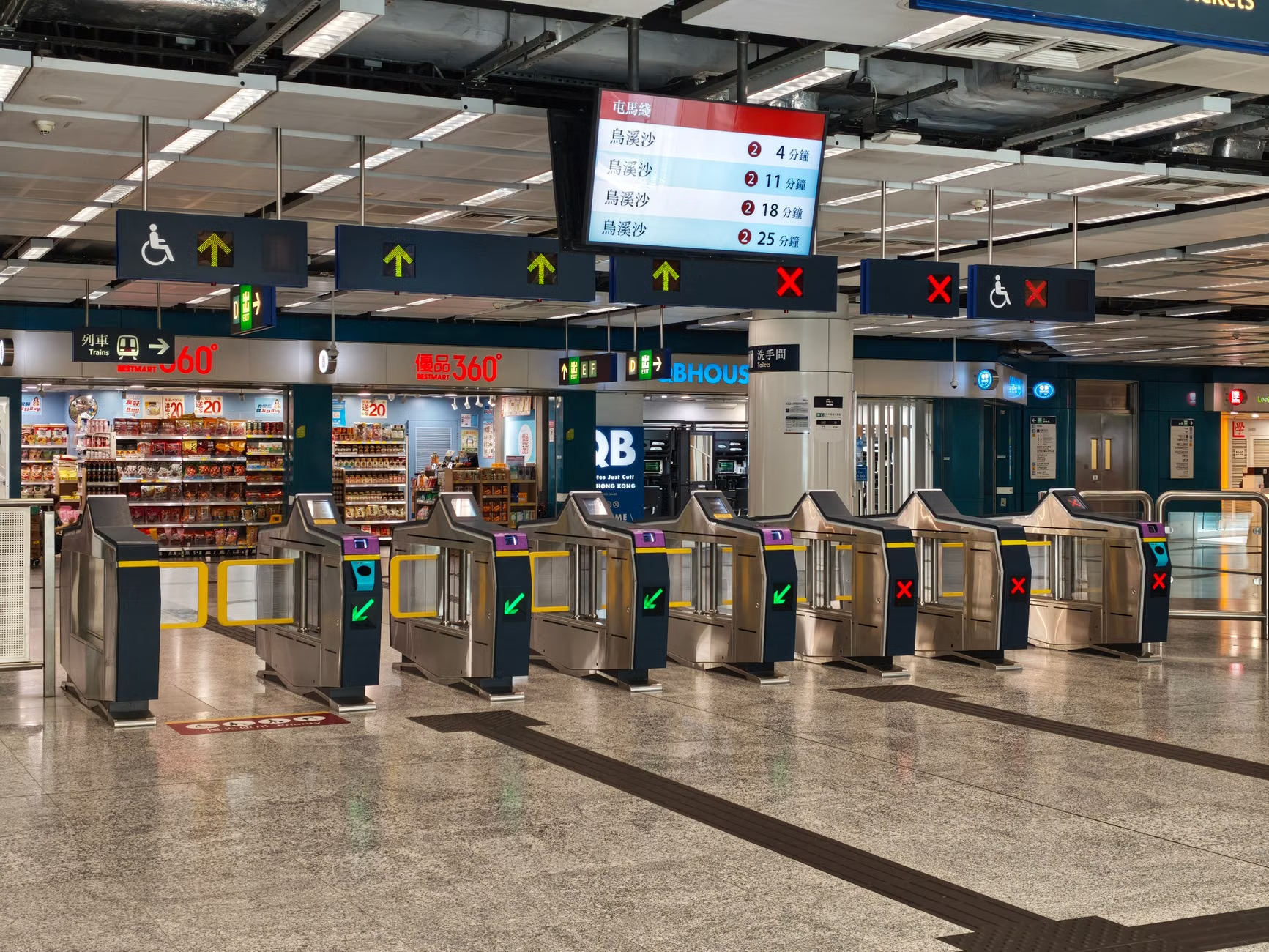
Deep Dive: What “Universal Design” Means for You
Universal design is the philosophy that products and environments should be usable by all people, to the greatest extent possible, without the need for adaptation or specialized design. In the context of the 2026 elevator upgrades, this means:
- Equitable Use: The design does not stigmatize. Everyone uses the same elevator; there is no “special” entrance that makes the user feel separated or delayed.
- Flexibility in Use: The elevator accommodates left- or right-handed users, and those with varying levels of grip strength.
- Simple and Intuitive Use: The use of the elevator is easy to understand, regardless of the user’s experience, knowledge, or language skills. Standardized icons (such as the wheelchair symbol, the elevator symbol, and the emergency call symbol) are now mandatory under the new global ISO standards.
When you are traveling abroad, you may encounter different local implementations of these standards. While the principles are global, the aesthetic might vary. However, the core functional requirements—dwell time, size, and tactile feedback—will remain consistent. This consistency is your best tool for maintaining independence while traveling.
Ensuring Your Safety: A Checklist for Transit Travel
As you plan your travel, keep this checklist handy to ensure you are prioritizing your mobility and safety:
- Pre-Trip: Check the “Accessibility” section of the transit authority’s website. Look for terms like “Step-free access” or “Elevator status.”
- Arrival: Identify the elevator location immediately upon entering the station. Do not wait until you are at the platform level to look for it.
- During Transit: If you are traveling with a companion, have them stand near the control panel. If you are traveling alone, position yourself near the panel but leave enough space for others to exit.
- Emergencies: Familiarize yourself with the location of the emergency stop button and the intercom system before the elevator starts moving.
It is important to note that while these standards are being adopted globally, the pace of implementation varies. Large, newer transit systems are often the first to comply. Older, subterranean systems—like those in parts of London, Paris, or New York—face significant structural challenges. In these cities, you may find that some stations remain “non-compliant” for several years due to the physical impossibility of installing elevators in historic tunnels. In these cases, always check the “Accessibility Map” provided by the city’s transport agency before you depart.
Addressing Common Misconceptions About Accessibility
There is a common misconception that accessibility features are only for those with severe physical disabilities. In reality, these 2026 upgrades are designed for everyone. A parent with a stroller, a traveler with heavy luggage, or a person recovering from a minor surgery all benefit from larger elevators and longer dwell times. By utilizing these facilities, you are not “taking up space” or “causing delays”; you are using infrastructure designed for the dignity and safety of all passengers.
Furthermore, do not assume that a “modern” station is automatically compliant. Some high-speed rail stations are built for speed rather than accessibility. Always verify the status of the elevators in the specific station you are visiting, regardless of how new the building looks.
The Future of Transit: What Comes After 2026?
The 2026 standards are likely just the beginning. As technology advances, we can expect to see more integration of “smart” features. For example, some cities are piloting elevator systems that can be summoned via a smartphone app, or elevators that use sensors to detect if a passenger needs more time and automatically adjust the door behavior. While these technologies are exciting, the core of the 2026 standards—the physical dimensions and safety protocols—will remain the foundation for decades to come.
As you navigate these changes, remember that advocacy is a powerful tool. If you encounter a station that is difficult to navigate or an elevator that consistently fails to meet the standards, report it to the local transit authority. Most agencies are mandated to track and respond to accessibility complaints. Your feedback is often the catalyst for necessary infrastructure repairs.
Conclusion: Your Right to Seamless Transit
The 2026 global standards for transit elevators represent a significant victory for the rights of older adults to move freely within their communities and across the globe. By understanding these standards—the increased dwell times, the larger cabin sizes, and the mandatory redundancy—you can approach transit with greater confidence and less stress.
While infrastructure is still catching up in many parts of the world, the trend is clear: accessibility is no longer an afterthought; it is a core requirement of modern urban design. Use the tools available to you, verify your routes, and do not hesitate to advocate for the accessibility you deserve. Your ability to travel safely is not just a convenience; it is a fundamental aspect of maintaining your health, social connections, and quality of life.
Frequently Asked Questions
1. Are these 2026 standards applicable in every country?
The 2026 standards are based on ISO guidelines, which are voluntary international benchmarks. While many countries (such as those in the EU, the US, and Canada) adopt these into their local laws, implementation varies. Always check the official transit website of the city you are visiting for their specific commitment to these accessibility standards.
2. What should I do if I find an elevator that is broken despite the new standards?
Locate the station’s intercom system or look for a staff member. If you are unable to find assistance, use the transit agency’s official mobile app to report the outage. Many apps now allow you to submit a “Service Issue” report, which is often monitored in real-time by station staff.
3. Will these changes make my transit journey take longer?
The primary goal of the new standards is safety and accessibility, not necessarily speed. While the increased dwell times might add a few seconds to your journey, the overall impact on your transit time is negligible compared to the reduction in physical strain and the elimination of “detour” routes caused by inaccessible stations.
For further information on accessibility policies in your region, you can consult the International Organization for Standardization (ISO) guidelines on accessible design or your local national department of transport website.