In 2026, global public transportation systems are undergoing a significant transition toward “frictionless” and digital-first ticketing models. For travelers aged 60 to 80, this shift represents a dual reality: while automated systems offer potential convenience, they also introduce new barriers for those accustomed to traditional concessionary fare structures. Understanding how these changes affect your eligibility, payment methods, and travel planning is essential for maintaining independence and mobility.
- Digital Transition: Most major transit authorities are phasing out paper senior-discount tickets in favor of biometric or smartphone-linked digital IDs by late 2026.
- Eligibility Verification: New “Proof of Age” standards are being standardized across international transit networks, often requiring one-time registration via government-linked digital portals.
- Strategic Planning: Always maintain a secondary physical payment method, as digital systems can experience outages or battery failure during long-distance journeys.
1. The Global Shift Toward Digital-First Concessions
Public transit authorities in regions like the European Union, Japan, and parts of North America are aggressively moving toward “Account-Based Ticketing” (ABT). In 2026, the primary change is that senior discounts are no longer automatically applied at the point of sale by a station agent. Instead, the discount is linked to your personal digital profile.
What this means for you: You can no longer simply show a government-issued ID to a conductor to receive a senior rate on many high-speed rail lines or urban transit networks. The system must “recognize” your eligibility before you tap your card or phone. If you are traveling internationally, this creates a potential “eligibility gap” where your home country’s senior status may not be recognized by the transit operator in your destination country.
The “Universal Senior Pass” Challenge
While advocates are pushing for a globally recognized senior transit credential, no such system exists as of 2026. Consequently, if you are planning a multi-country trip, you must treat each jurisdiction as a separate entity regarding fare concessions. For instance, a senior rail card in France does not automatically grant you a reduced fare on a subway system in Tokyo or a bus in New York City.

To access senior rates in 2026, many transit agencies now require an online pre-registration. This is intended to reduce fraud and speed up boarding times. However, for many seniors, this introduces a digital hurdle.
Step-by-Step Registration Framework:
- Step 1: Document Preparation. Have a digital scan of your passport or national ID card ready. Ensure the file size is under 2MB, as many transit portals have strict upload limits.
- Step 2: Account Creation. Use the official transit app of the city or region you are visiting. Avoid “third-party” aggregators that claim to manage transit passes, as these often charge hidden service fees.
- Step 3: Verification. Most systems require a 24-to-48-hour window for manual verification of your age. Do not wait until the day of your departure to register.
Common Mistake: Many travelers assume that because they are over the age of 65, the machine will “see” them and apply the discount automatically. In reality, unless your profile is linked to an account that has been verified, the gate will charge you the full adult fare. Always check your account status while connected to Wi-Fi at your accommodation before heading to the station.
3. Physical Accessibility and the “Tech-Gap”
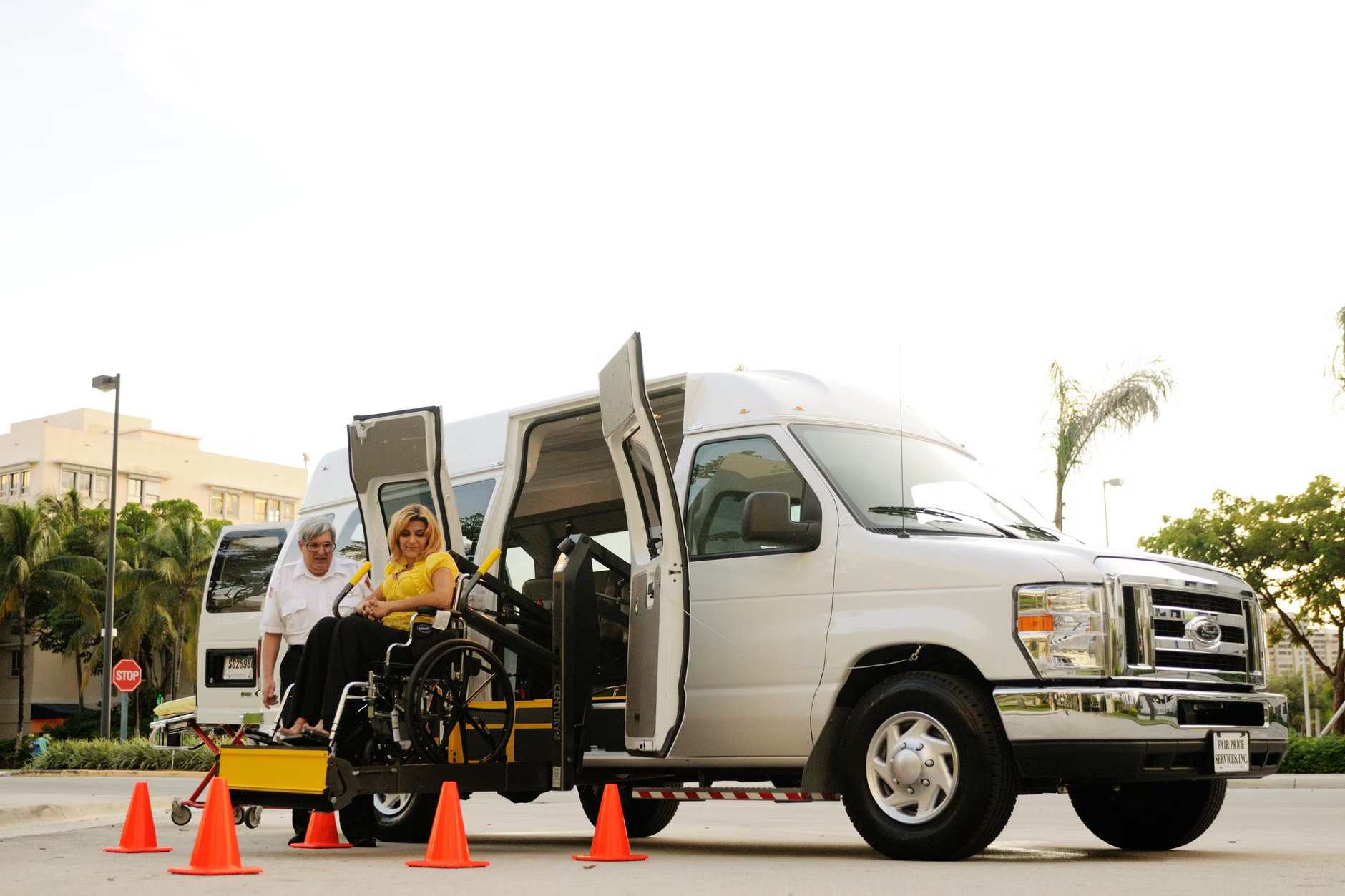
While digital ticketing is the trend, physical accessibility remains a critical component of transit reform. In 2026, many cities are retrofitting older stations with “Level-Boarding” platforms, which eliminate the gap between the platform and the train. This is a massive improvement for those using canes, walkers, or simply wanting a more stable boarding process.
| Feature | Traditional Method (Pre-2026) | Modern Digital Method (2026) |
|---|---|---|
| Ticketing | Paper ticket/Cash | Contactless/App-based |
| Discount | Show ID to agent | Pre-verified digital profile |
| Support | Station staff | Real-time chatbot/Help kiosks |
The comparison table above highlights that while the modern method is faster, it removes the human element of “asking for help.” If you encounter a problem with a digital gate, look for the “Assistance Button” rather than searching for a ticket window, as many stations have removed physical windows entirely in favor of remote video-link kiosks.
4. Stamina and Mobility: Planning Your Transit Day
Technological shifts should not dictate your physical pace. When navigating transit in 2026, the biggest risk to your stamina is not the travel itself, but the “first-mile, last-mile” problem—the distance between your transit stop and your final destination. Transit hubs are becoming larger and more consolidated, meaning you may have to walk further within a station to change lines.
Practical Decision Rules:
- The 15-Minute Rule: If you are changing lines, check if the transfer requires more than 15 minutes of walking. If it does, consider using a taxi or ride-share for that specific leg, especially if you have luggage.
- Off-Peak Advantage: Most senior-inclusive fares are valid only during off-peak hours. In 2026, this is strictly enforced by digital gates. Traveling between 10:00 AM and 3:00 PM usually ensures a seat and a less frantic boarding experience.
- Seating Priority: Do not assume that digital ticketing guarantees a seat. If you have limited stamina, prioritize stations where boarding starts at the terminus, even if it requires a longer wait.
5. Security and Privacy: Protecting Your Data
As you link your personal identity to transit accounts, you are sharing sensitive information. In 2026, transit agencies are subject to stricter data protection laws (such as GDPR in Europe or CCPA in California), but it is still your responsibility to practice good digital hygiene.
Security Checklist:
- Use Strong Passwords: Do not reuse your email or banking password for your transit app.
- Enable Two-Factor Authentication (2FA): If the transit app offers it, turn it on. This prevents unauthorized access to your account if your device is lost or stolen.
- Delete Payment Data: If you are visiting a city for a short time, remove your credit card information from the app once you return home.
6. Preparing for Unexpected Tech Failures
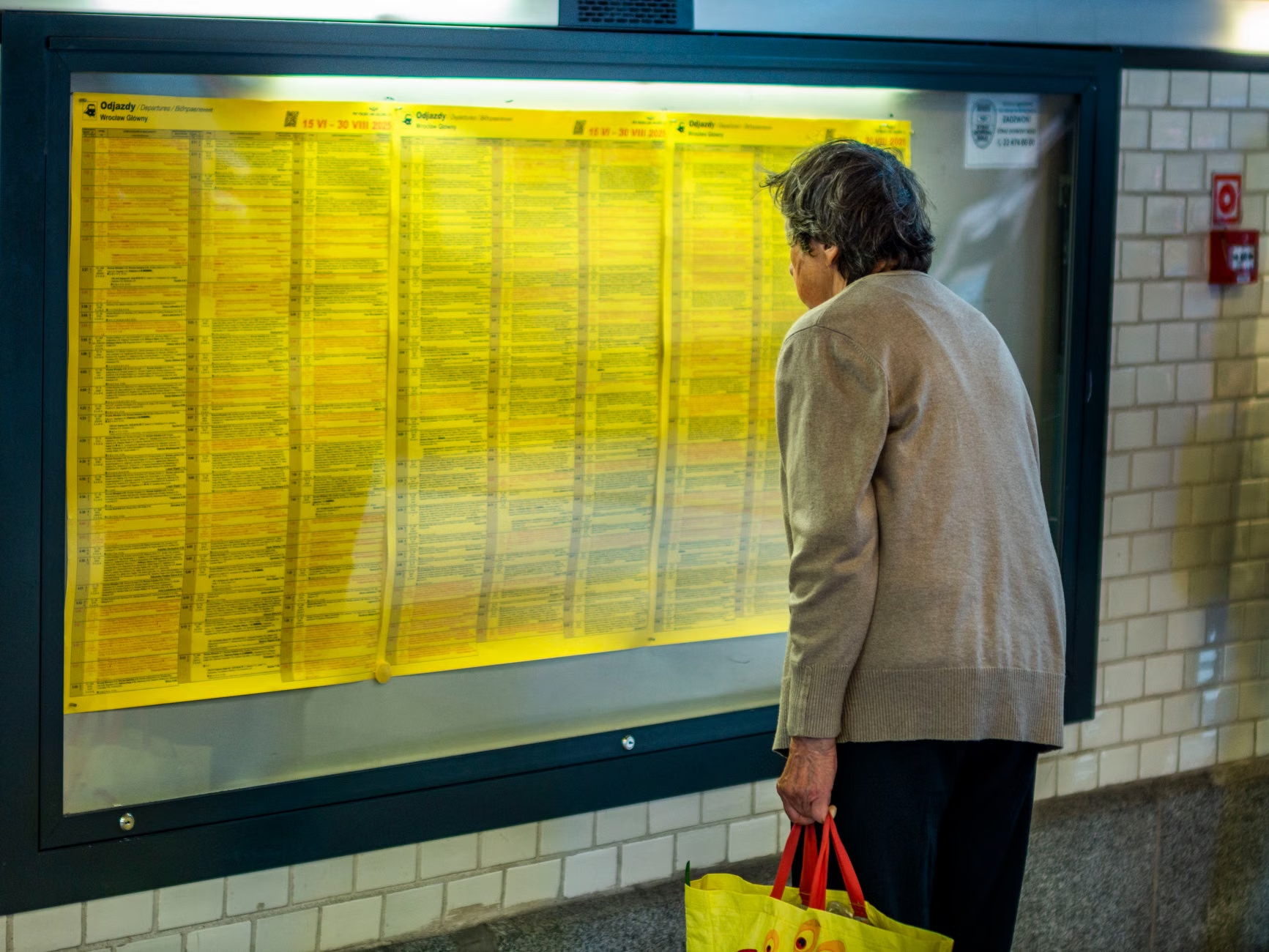
Even the most advanced systems have downtime. In 2026, a common scenario involves a system-wide outage where digital gates stop reading mobile passes. Because paper tickets are being phased out, this can leave many travelers stranded.
The “Analog Backup” Strategy:
Always carry a physical, printed copy of your registration confirmation. While it may not open the gate, it provides proof of your status to station staff, who are instructed to manually open gates for those with documentation during technical failures. Furthermore, keep a small amount of local currency on hand. In an emergency, a bus driver or station attendant is more likely to assist you if you have the means to pay the fare manually.
7. Health and Wellbeing: Beyond the Ticket
Your ability to travel is tied to your physical readiness. If you find that the stress of navigating digital transit systems is causing anxiety or physical fatigue, it is a sign to adjust your travel pacing. Remember that transit systems are designed for the “average” commuter. As a senior traveler, you have the advantage of being able to choose your schedule. Use this to your benefit by avoiding the “rush hour” periods where the pace is fast and the risk of falls due to crowding is higher.
If you have concerns about your ability to navigate these systems due to vision or mobility impairments, most transit authorities now offer “Assisted Travel” programs. These require booking 48 hours in advance, but they provide a staff member to guide you through the station and onto your vehicle. This is a vastly underutilized resource that can make your transit experience significantly more comfortable.
Conclusion: Your Action Plan for 2026
The transition to digital-first transit is not meant to exclude you; it is meant to optimize the flow of millions of passengers. By taking control of your digital profile, understanding the specific requirements of the region you are visiting, and maintaining an “analog” backup plan, you can continue to travel with confidence and ease. Your priority should be to register for necessary transit accounts well before your trip, ensure your device is charged, and always allow for extra time to navigate large hubs. Mobility is a key factor in healthy aging, and with the right preparation, the digital shift of 2026 can be a tool for, rather than a barrier to, your continued exploration of the world.
Frequently Asked Questions
- Q: Are paper concessions being abolished entirely in 2026?
A: Most major urban centers in North America and Europe are phasing them out, but many rural areas and smaller municipalities still maintain physical ticket counters. Check the official transit website of your destination at least two weeks before traveling. - Q: Will my senior discount from my home country work abroad?
A: Generally, no. Transit concessions are typically tied to local residency or specific government-issued ID programs within that jurisdiction. You will likely need to pay the full adult fare unless you qualify for a tourist-specific pass. - Q: What should I do if my smartphone battery dies while using a digital transit pass?
A: If your phone dies, you will likely be treated as a passenger without a valid ticket. Always carry a secondary physical payment method, such as a contactless bank card or a small amount of local cash, to avoid being fined.
For further information on specific transit regulations, please consult the official websites of the International Association of Public Transport (UITP) or the local municipal transit authority of your destination.