- Accessibility First: Always verify the specific train carriage’s step height, aisle width, and onboard restroom accessibility before booking, as heritage trains often lack modern ADA-compliant features.
- Micro-Climate Management: Desert environments fluctuate wildly in temperature; layer clothing and prioritize hydration to prevent heat exhaustion and respiratory irritation.
- Strategic Packing: Use a lightweight, rolling carry-on for the cabin and consolidate medical supplies into a “go-bag” that stays within reach to ensure seamless management of daily health needs.
Mastering the Desert-Heritage Rail Journey: A Practical Guide for Senior Travelers
The allure of heritage rail travel—winding through vast, sun-drenched desert landscapes in a restored vintage carriage—is undeniable. For travelers aged 60 to 80, these journeys offer a unique blend of nostalgia, comfort, and exploration. However, the desert environment, combined with the structural limitations of historic rolling stock, requires careful preparation. This guide provides a comprehensive framework to ensure your journey is safe, comfortable, and memorable.

1. Assessing Accessibility: The Reality of Heritage Rail
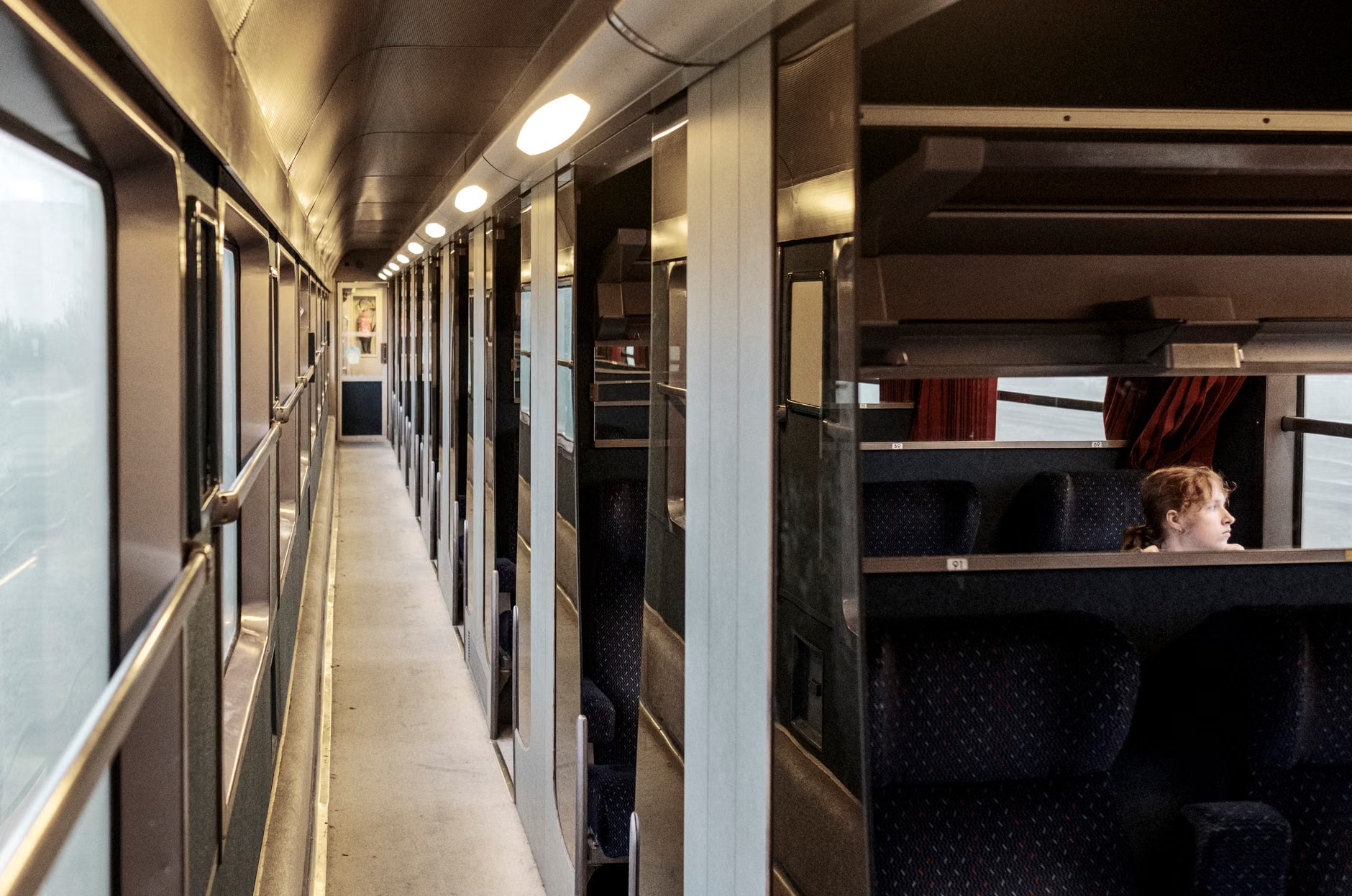
Unlike modern high-speed rail networks, heritage train journeys often operate on older infrastructure. This means that accessibility is not a universal standard. Before you finalize your booking, you must look past the romanticized marketing photos.
The “Step-Up” Challenge
Many heritage carriages were built in an era when boarding required climbing steep, narrow stairs. If you have limited mobility, this is your most significant barrier. Ask the operator the following specific questions:
- What is the exact height of the first step from the platform?
- Is there a mechanical lift or a portable ramp available at all stations along the route?
- Are the aisles wide enough to accommodate a standard folding walker or a cane?
Onboard Facilities
Heritage trains often have narrow corridors and cramped restroom facilities. If you use a mobility aid, ensure the train has “accessible-designated” carriages. In many cases, these may be limited, so booking several months in advance is not just a preference; it is a necessity for securing an accessible cabin.
2. Managing the Desert Micro-Climate
Deserts are notorious for their extreme temperature fluctuations. A morning boarding may start at a cool 15°C (59°F), while the midday sun can push cabin temperatures significantly higher if the insulation is aging. Conversely, air conditioning in older trains can be aggressive and difficult to regulate.
The Layering Strategy
Do not rely on a single heavy jacket. Instead, use a three-layer system:
- Base Layer: A moisture-wicking, breathable fabric (like light merino wool or synthetic blends) that keeps sweat away from the skin.
- Mid Layer: A lightweight fleece or cardigan that provides warmth without bulk, making it easy to remove if the cabin gets too hot.
- Outer Layer: A windproof, lightweight shell that can be packed down into a small pouch.
Hydration and Respiratory Health
Desert air is exceptionally dry. This combination of low humidity and potential dust can irritate the respiratory system. Keep a personal, travel-sized saline nasal spray to manage dryness, and ensure you have a consistent source of water. Do not wait until you feel thirsty; in dry heat, dehydration often sets in before the sensation of thirst becomes prominent.
3. Packing Strategy: The “Go-Bag” Approach
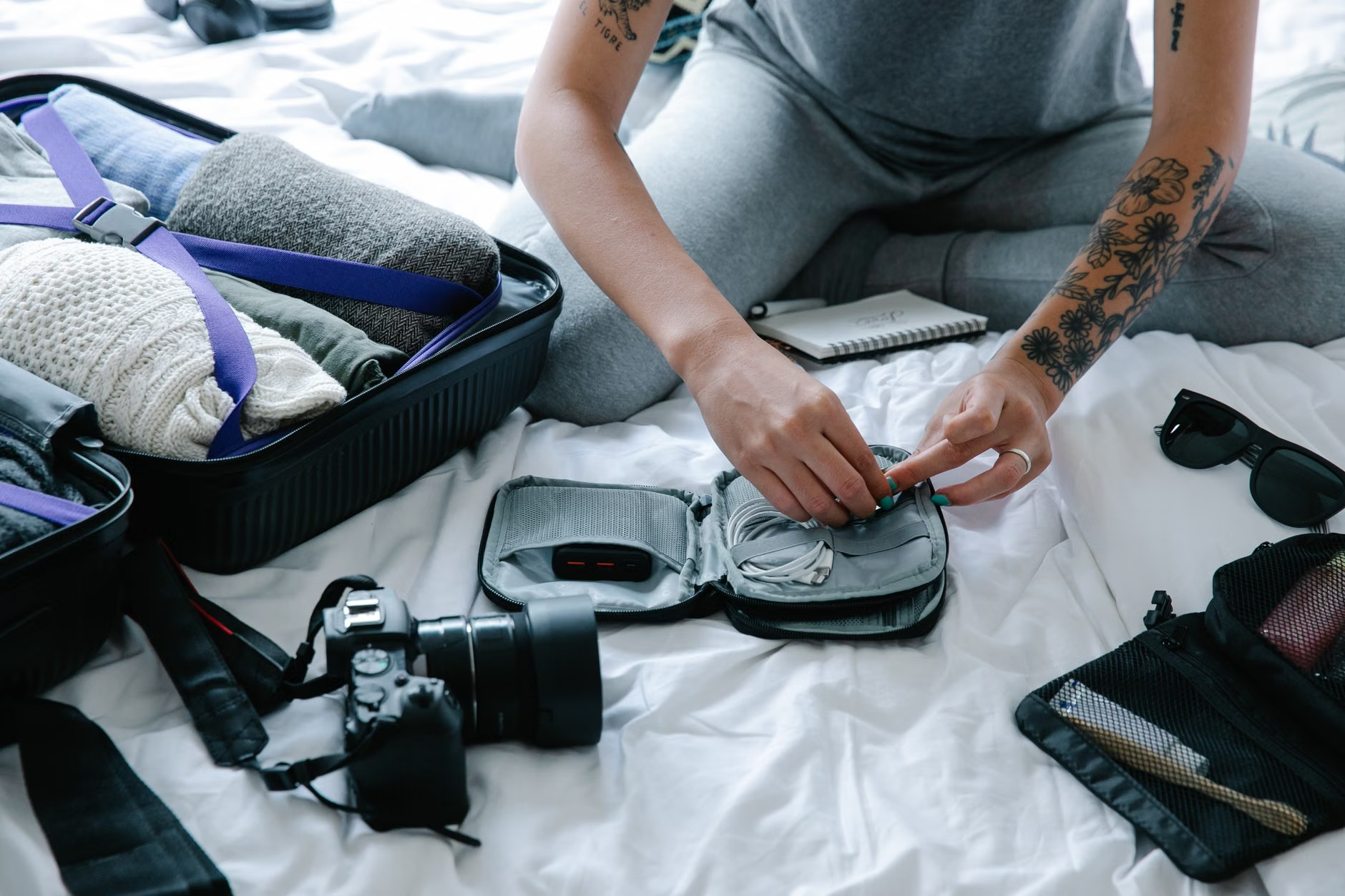
On a train, space is at a premium. You should aim to keep your main luggage in the designated storage area and maintain a smaller, organized “go-bag” that stays with you at your seat.
Your Essential “Go-Bag” Checklist
| Category | Essential Items |
|---|---|
| Medical | Prescription medications (in original bottles), a printed list of dosages, and a copy of your doctor’s contact information. |
| Comfort | A small neck pillow, earplugs, and a lightweight shawl for drafty windows. |
| Documentation | Boarding passes (digital and printed), insurance details, and emergency contact numbers. |
| Technology | Power bank, charging cables, and noise-canceling headphones to mitigate the rattling noise of older carriages. |
Travel is physically taxing, even when you are sitting for most of the day. The vibration of a moving train can cause fatigue, and the lack of movement can lead to stiffness or circulation issues.
Active Sitting
To prevent deep vein thrombosis (DVT) and stiffness, perform “seated exercises” every 60 minutes. Rotate your ankles, gently lift your heels while keeping toes on the floor, and perform seated torso twists. If your mobility permits, walk the length of the carriage every two hours to keep blood circulating.
Managing Expectations
Heritage trains are often slower than modern transit. If the journey takes six hours, plan for eight. Delays on single-track heritage lines are common. Always pack an extra “emergency snack” (such as protein bars or nuts) that is easy to digest, just in case the dining car service is delayed.
5. Professional Care and Documentation
If you have chronic health conditions, the most important step before departure is a “travel review” with your primary care provider. This is not about getting a “clean bill of health,” but about creating a practical plan.
The “Travel Review” Checklist
- Medication Adjustment: If you are traveling through different time zones, ask your doctor for a schedule to adjust your medication timing.
- Documentation: Carry a “Summary of Care” document. This should include your medical history, current medications, allergies, and recent surgical history. Keep this in your go-bag.
- Insurance Verification: Confirm that your travel insurance covers the specific destination and the activities planned. Check if they have a 24/7 medical assistance line.
6. Hidden Inconveniences to Anticipate
Beyond the obvious, there are subtle variables that seasoned travelers often overlook. First, the noise level in vintage trains is significantly higher than in modern electric trains. The clanking of metal on metal is constant. High-quality noise-canceling headphones are not just for entertainment; they are a tool to manage sensory fatigue.
Second, consider the lighting. Vintage carriages often have dim, ambient lighting that may be difficult for reading. A small, clip-on LED book light can make your evening journey much more comfortable.
Third, vibration. If you have sensitive joints or back issues, bring a small, inflatable lumbar support cushion. The seats in heritage trains are often original or restored to original specs, which may lack the ergonomic support of modern seats.
7. Selecting the Right Route
Not all desert-heritage lines are created equal. When researching, prioritize routes that offer “day-tripper” options before committing to a multi-day sleeper journey. A day trip allows you to test your comfort level and the train’s accessibility features without the pressure of an overnight commitment.
Look for operators that provide a “Total Journey” service, which includes transfers from your hotel to the platform. This removes the stress of navigating local taxis or public transit, which may not be as accessible as the train itself.
8. Conclusion: The Art of Slow Travel
The beauty of a heritage desert journey lies in the ability to watch the landscape change slowly. By focusing on accessibility, managing your physical environment with layers and hydration, and keeping your essential health documentation organized, you transform a potentially stressful trip into a relaxing experience. Remember: the goal is not to reach the destination as quickly as possible, but to enjoy the rhythm of the rails while maintaining your personal well-being.
Frequently Asked Questions (FAQ)
Q1: Should I bring my own walker or wheelchair on a heritage train?
Yes, if you rely on them. However, you must contact the train operator at least 30 days in advance to confirm that their specific carriages can accommodate the dimensions of your device. Many heritage trains have narrow doors that cannot fit standard power wheelchairs.
Q2: How do I handle potential motion sickness on older trains?
Heritage trains can sway more than modern ones. If you are prone to motion sickness, choose a seat toward the center of the carriage (the pivot point), look at the horizon rather than the passing foreground, and consult your doctor about over-the-counter motion sickness remedies before your trip.
Q3: Are there any specific safety protocols I should follow in the desert?
Always keep your mobile phone charged and carry a portable power bank. While most heritage trains have communication equipment, having your own device is essential for personal safety and staying in touch with family. If the train stops in a remote area, stay inside the carriage unless instructed otherwise by the train staff.
Official guidance on accessible travel can often be found through national transport authorities, such as the Department of Transportation (USA) or the European Commission’s passenger rights portal. Always check the specific operator’s “Accessibility Statement” page before booking.