- Prioritize gardens that provide digital or printed “accessibility maps” highlighting flat paths and lift locations.
- Always confirm the availability of manual wheelchair rentals or electric mobility scooters at least 48 hours before your visit.
- Look for “gradient ratings” on garden websites; avoid any historic site where primary paths exceed a 5% slope without handrails.
For many travelers aged 60 to 80, a visit to a historic botanical garden offers a perfect blend of natural beauty, moderate physical activity, and cultural immersion. However, these sites—often established over a century ago—can present significant challenges regarding terrain, navigation, and physical strain. Choosing the right garden requires more than just checking an attraction’s popularity; it requires a systematic assessment of your personal mobility needs against the site’s infrastructure.
Understanding the “Historic” Challenge: Why Accessibility Varies
The term “historic” in the context of botanical gardens often implies narrow, gravel-laden paths, steep inclines, and original architectural structures that predate modern accessibility standards. While many gardens have made significant strides in retrofitting, the nature of these sites remains inherently different from a modern public park.
What it is: A historic garden may be a protected heritage site, meaning the management is restricted in how much they can modify the landscape. This often results in uneven terrain, cobblestone walkways, and limited elevator access to elevated viewing platforms.
Why it matters: Understanding this constraint helps you set realistic expectations. If you are traveling with a companion or using a mobility aid, you need to know if the “main path” is truly accessible for the entire duration of the garden tour, or if it suddenly transitions into a steep, unpaved trail.
What you can do: Before selecting a destination, look for a “Visitor Accessibility Statement” on the garden’s official website. If you cannot find one, call the visitor center and ask specifically about the “surface material of the secondary paths” and the “distance between rest stations.”
Evaluating Mobility: The “Slope and Surface” Assessment
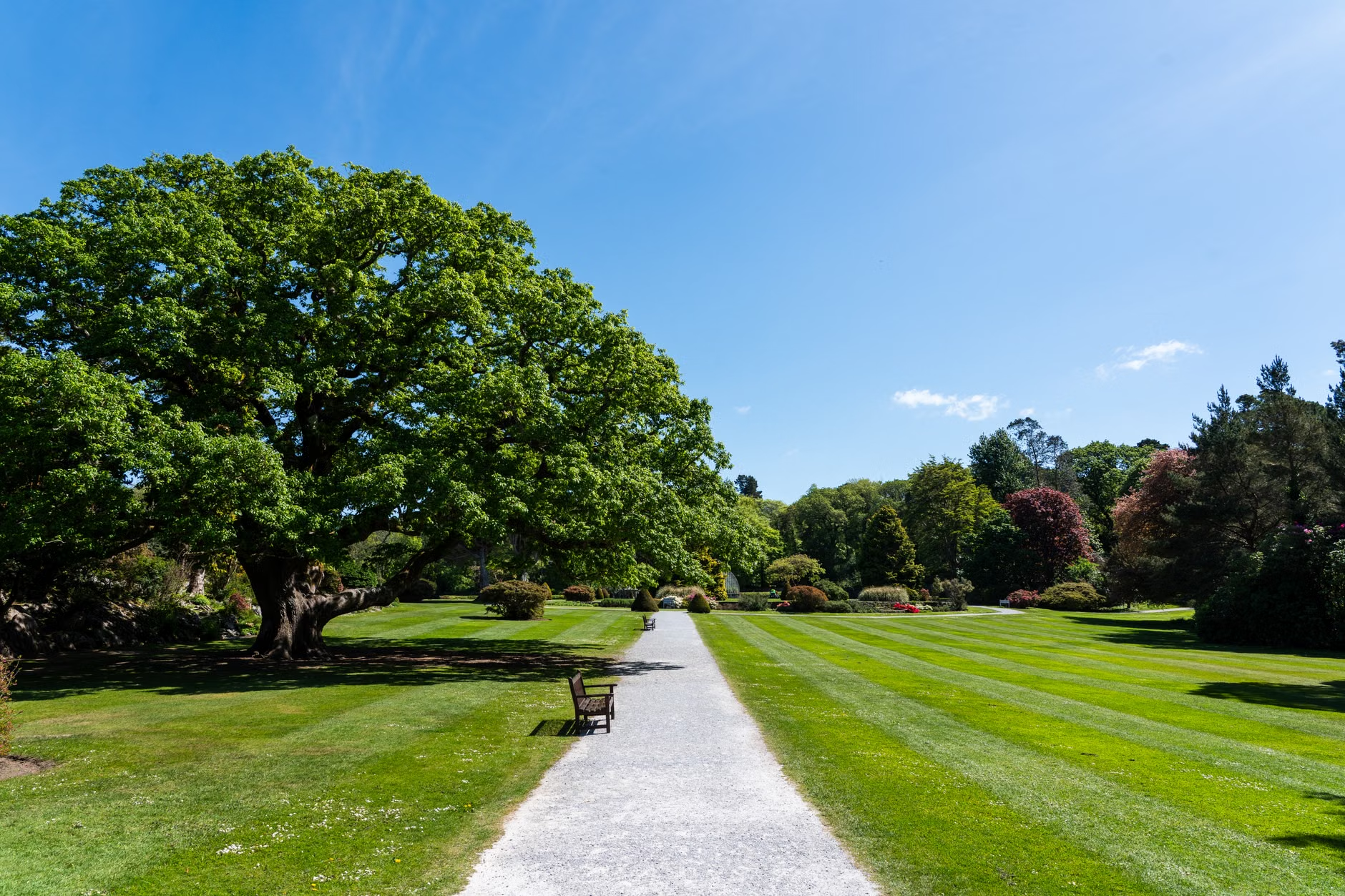
When reviewing a garden, the primary factor for comfort is not just the total size of the site, but the grade of the paths. A garden spanning 50 acres might be perfectly manageable if it is flat, whereas a 5-acre garden on a steep hillside can be exhausting.
| Path Type | Suitability for Seniors | Best For |
|---|---|---|
| Paved/Asphalt | High | Wheelchairs, walkers, and canes. |
| Compacted Gravel | Moderate | Sturdy walking shoes; may be tiring for manual wheelchairs. |
| Cobblestone | Low | Individuals with excellent balance; high risk for trip hazards. |
| Mulch/Dirt | Very Low | Only for those with high stamina and stable footing. |
The Hidden Inconvenience: Many gardens advertise “accessible paths” that only cover the main entrance and the gift shop. Always verify if the *entire* botanical collection is accessible. A common mistake is assuming that a garden’s “accessible” rating applies to the remote areas of the arboretum or the historic glasshouses, which may have stairs or high thresholds.
Practical Preparation: Your Pre-Visit Checklist
Preparation is the difference between a relaxing afternoon and a physically draining ordeal. Use this checklist to ensure your visit remains within your comfort zone:
- Mobility Aid Rental: Does the garden provide electric mobility scooters? Do not assume availability on the day of the visit. Reserve these at least one week in advance.
- Rest Station Density: Look at the map for the frequency of benches. A good rule of thumb for seniors is to ensure there is a seating area at least every 100 to 150 meters.
- Shuttle Services: Many large, historic gardens offer small internal shuttle buses. Check if these have low-floor boarding or ramps for those with mobility aids.
- The “Loop” Strategy: Avoid out-and-back paths if possible. A loop ensures you are always moving toward your starting point, reducing the risk of overestimating your stamina for the return trip.

Managing Stamina and Environmental Factors
Botanical gardens often feature microclimates. The humidity inside a glasshouse or the direct exposure in an open lawn area can significantly affect your stamina. Even if you are physically capable of walking, external factors can accelerate fatigue.
The Temperature-Humidity Trade-off: Glasshouses, while beautiful, are often much warmer and more humid than the surrounding gardens. If you have cardiovascular or respiratory concerns, prioritize the outdoor sections and treat the glasshouse as a secondary, short-term visit. If you find yourself experiencing lightheadedness, do not push through; move to a shaded, ventilated area immediately.
Hydration and Nutrition: Never rely on the garden’s cafe to be open or conveniently located. Carry a lightweight backpack with water and high-energy, easy-to-digest snacks. If you have dietary restrictions, do not count on the garden’s food service, which may be limited to high-sugar or high-sodium options.
Modern technology has made it easier to assess accessibility before you leave your hotel. Many gardens now provide interactive maps that allow you to toggle on “Accessible Routes.”
How to use these tools: Spend ten minutes before your visit “virtually” walking the path on the garden’s website or Google Street View (if available). Look for obvious barriers like stairs or steep slopes that are not explicitly marked on the map as “accessible.”
The “One-Third” Rule: Plan to spend only one-third of your total energy capacity on the walk itself. Save the remaining two-thirds for the transit back to your accommodation and any secondary activities. This prevents the “crash” that often occurs after a long day of sightseeing.
What to Do When You Encounter Barriers
Even with thorough planning, you may arrive to find a path closed for maintenance or an elevator out of service. This is a common occurrence in older, historic sites. Your best strategy is to have a “Plan B” route.
When a path is closed: Do not hesitate to ask staff for the “flattest” alternative route. They are usually well-versed in the terrain and can direct you to paths that avoid steep inclines, even if those paths are not the most scenic.
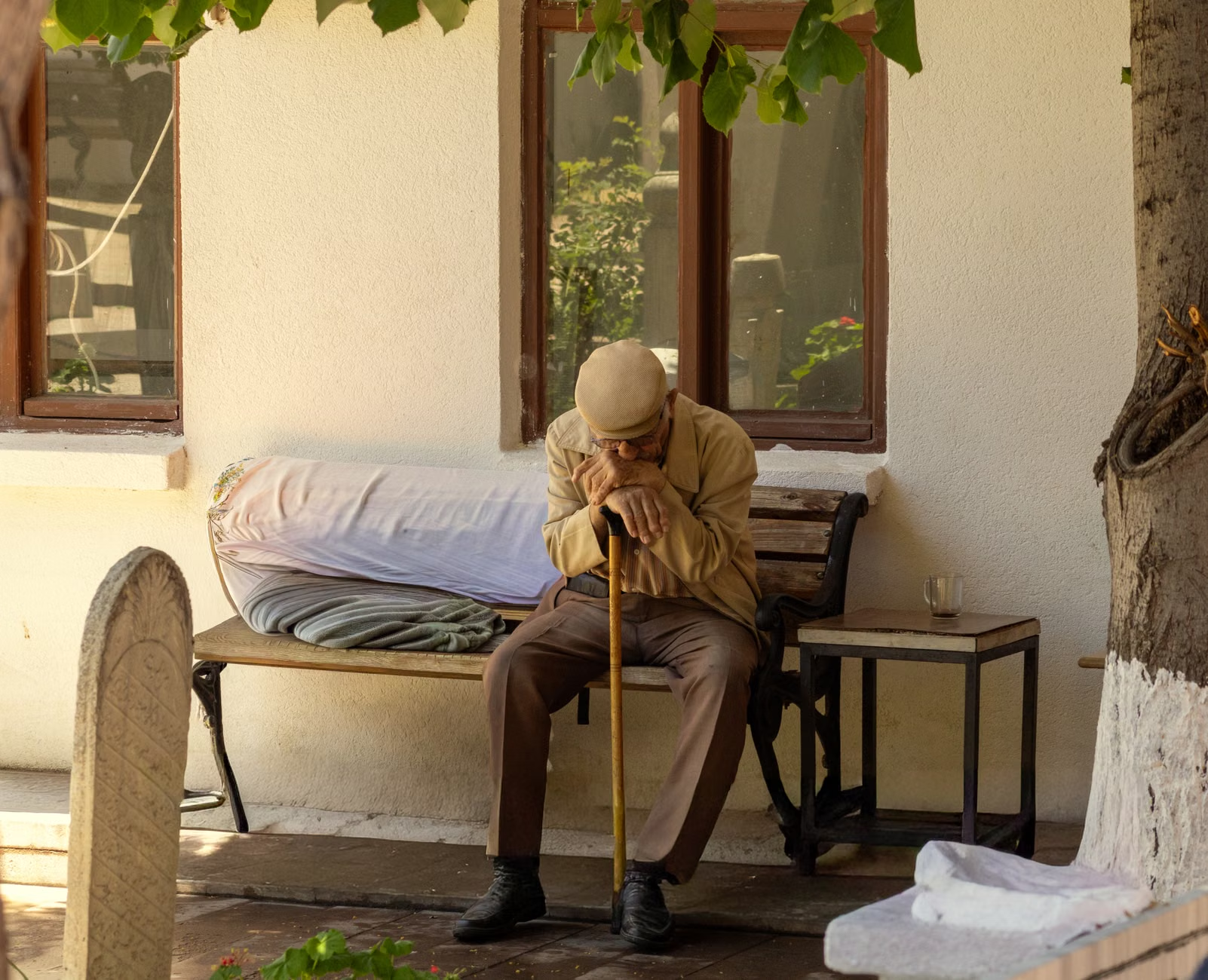
Recognizing Warning Signs: If you feel pain in your joints, significant shortness of breath, or a loss of focus, stop. Find the nearest bench or visitor center and take a minimum of 20 minutes to recover. It is better to see 50% of the garden comfortably than to struggle through 100% and risk an injury that limits your travel for the rest of your trip.
Selecting the Right Time of Day
The time of day can drastically change the accessibility experience. Most botanical gardens are busiest between 11:00 AM and 2:00 PM. Visiting outside of these hours offers several advantages:
- Reduced Crowds: You will not be rushed by other visitors on narrow paths, allowing you to walk at your own pace.
- Staff Availability: Staff are often more available to assist with mobility aid transfers or to answer accessibility questions during quieter periods.
- Temperature: Mid-morning or late afternoon is generally cooler, which is vital for maintaining stamina.
The Role of Caregivers and Family
If you are traveling with family, it is essential to communicate your needs clearly. A common source of friction is the “pace mismatch.” Your family may want to rush to the next attraction, while you may need to pause to appreciate the flora or simply rest.
Setting Expectations: Before entering the garden, agree on a “check-in” schedule. For example, every 30 minutes, stop and ask, “How is everyone’s energy level?” This removes the pressure for you to keep up if you are feeling fatigued.
Delegating Roles: If you are using a mobility aid, designate one family member to be the “scout.” They can walk ahead to check if the next section is clear of obstacles or if the cafe is accessible, allowing you to move with confidence.
Conclusion: Prioritizing Quality Over Quantity
The success of a senior-friendly botanical garden tour is not measured by the number of rare plants you see, but by the comfort and enjoyment of the experience. By prioritizing flat surfaces, pre-booking mobility aids, and respecting your own energy limits, you can turn a potentially difficult historic site into a highlight of your travels.
Remember that accessibility is not just about physical infrastructure; it is about your ability to engage with the environment without unnecessary stress. Focus on the sections of the garden that offer the most comfort and allow yourself the grace to skip areas that present unnecessary risks. Your travel experience should be a source of rejuvenation, not a test of endurance.
Frequently Asked Questions
Q: Should I bring my own wheelchair, or should I rent one at the garden?
A: If you have a personal mobility aid that you are familiar with, it is almost always better to bring it. Rented equipment may not be adjusted to your specific needs, and availability is never guaranteed. However, if you are traveling by air and bringing a wheelchair is logistically difficult, call the garden at least one week in advance to ensure they have a suitable model available for rent.
Q: How do I find out if a botanical garden is “truly” accessible?
A: Do not rely solely on marketing brochures. Look for the “Accessibility” or “Visitor Information” page on the official website. Search for terms like “slope,” “path material,” “distance,” and “accessible parking.” If the information is vague, search for recent reviews on travel forums specifically from other seniors or mobility aid users; they often provide the most honest accounts of the actual terrain.
Q: What if the garden is too big to walk entirely?
A: Many large, historic botanical gardens are designed to be experienced in segments. Use the “Core Focus” method: identify the two or three most important areas you wish to see and prioritize those. Use the garden’s shuttle or your own mobility aid to transit between these areas, and skip the peripheral trails. It is completely acceptable to focus on the immediate vicinity of the main entrance and the primary glasshouses.
For further information on universal design in public spaces, you may refer to the Americans with Disabilities Act (ADA) guidelines for general principles, though keep in mind that international standards vary by jurisdiction. Always check the specific country’s official tourism or disability access portal for local requirements.