- Universal Design Evolution: By 2026, international building standards are shifting toward “force-neutral” latches, requiring minimal grip strength and no twisting motions.
- Safety First: New requirements mandate emergency override mechanisms that allow caregivers or staff to unlock doors from the outside without specialized tools.
- Visual and Tactile Clarity: Indicators are moving beyond small sliders to high-contrast, tactile displays that are easily identifiable for those with visual impairments or cognitive decline.
For many older adults, the simple act of using a public restroom has often been fraught with hidden obstacles. Whether it is a stiff, circular knob that requires significant grip strength or a confusing slide-bolt that jams, these small pieces of hardware can create immense frustration and physical risk. As we head into 2026, a significant shift in global building codes and universal design standards is addressing these pain points. This article explores how these new standards, currently being adopted in jurisdictions across North America, Europe, and parts of Asia, will change the way you navigate public facilities.
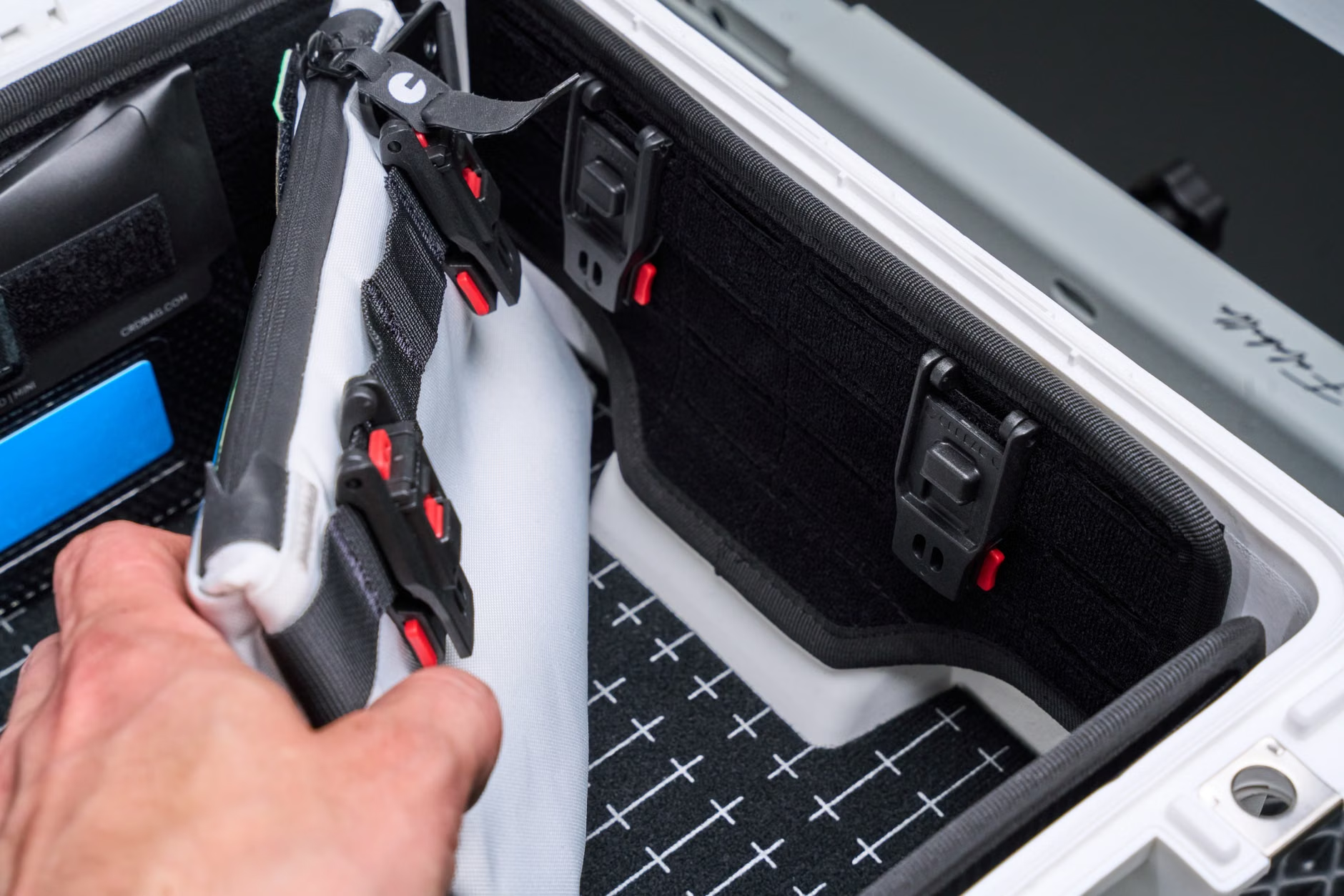
The Shift Toward Force-Neutral Design
Historically, restroom door latches were designed primarily for security and simplicity of manufacture, often ignoring the ergonomic needs of individuals with limited hand strength or dexterity. Conditions such as osteoarthritis, rheumatoid arthritis, or even temporary post-surgical recovery can make the “pinch-and-twist” motion required by traditional knobs extremely painful or impossible.
The 2026 global standards, influenced by the updated ISO (International Organization for Standardization) guidelines on accessibility, prioritize “force-neutral” operation. This means that a latch should not require a user to squeeze, pinch, or rotate their wrist to engage or disengage the lock. Instead, the focus is on paddle-style levers or push-pull mechanisms that can be operated with an open palm, an elbow, or even a closed fist.
Why Manual Dexterity Matters
When a latch requires more than 5 Newtons (approximately 1.1 pounds) of force to operate, it effectively excludes a significant portion of the population. For an individual living with chronic joint pain, a stiff latch is not just an inconvenience—it is a barrier to independence. The 2026 standards explicitly categorize “latching force” as a critical accessibility metric. If you find yourself in a facility that has recently been renovated, look for the following characteristics:
- Lever Length: The handle should be at least 4 inches long to provide adequate leverage.
- Operation Type: It should be a single-motion operation (e.g., a downward push or a simple slide) rather than a multi-step process.
- Mounting Height: The latch should be placed between 34 and 48 inches from the floor, ensuring it is accessible whether standing or seated in a mobility aid.
Emergency Overrides: A Crucial Safety Update
One of the most significant changes in the 2026 building code updates is the mandatory requirement for “external emergency egress” on all new or retrofitted public restroom stalls. In the past, many stalls were designed with “privacy-first” locks that were nearly impossible to open from the outside, creating a dangerous scenario if a person fell or experienced a medical emergency inside the stall.
The new standards require that a latch must be unlockable from the outside by facility staff using a standardized tool—or better yet, a simple manual override lever located behind a breakable or easily removable plate. This change is vital for caregivers and family members who may be accompanying an older adult. Knowing that a door can be accessed in seconds in the event of a fall significantly reduces the anxiety associated with using private stalls in busy public areas.
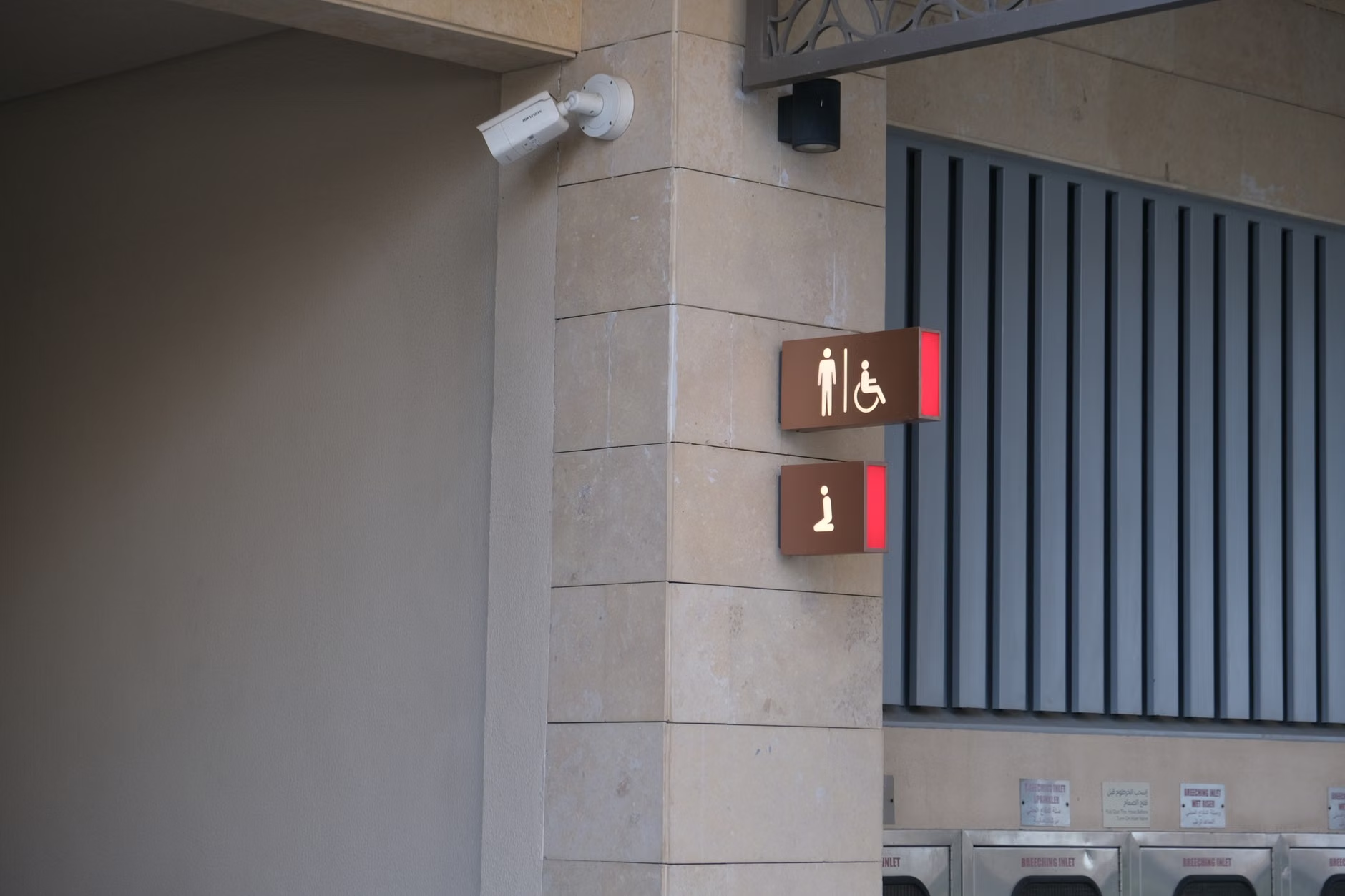
What to Look For
If you are traveling or visiting a new facility, look for a small slot or a secondary lever on the exterior side of the stall door. This is the hallmark of a modern, safety-compliant facility. If a stall lacks this feature, it is often a sign of older, non-compliant infrastructure. In such cases, if you are traveling with a caregiver, it is common practice to check the stall first or use a “family” or “unisex accessible” restroom, which typically features larger, more easily accessed entryways.
Improving Visual and Cognitive Accessibility
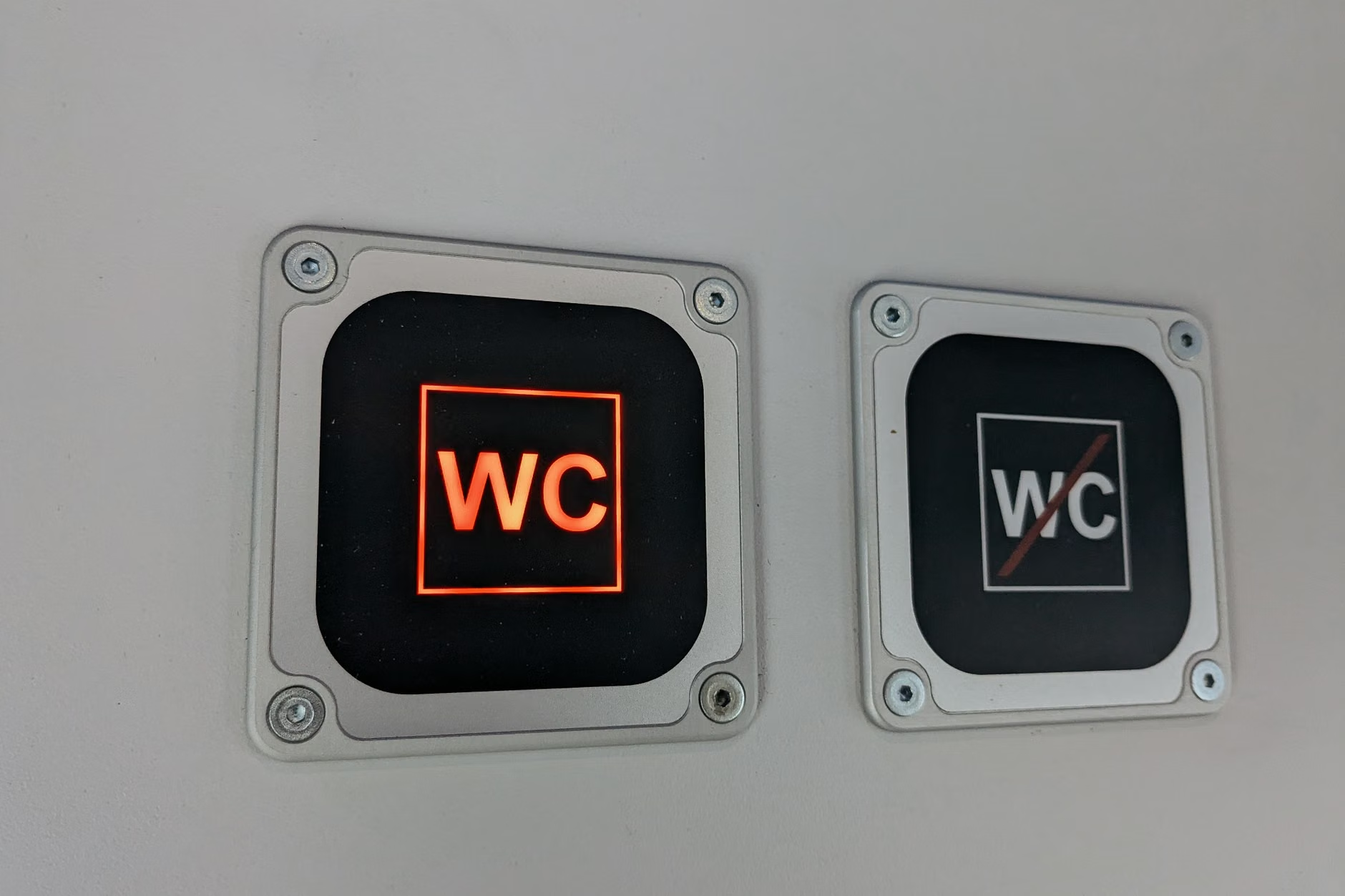
Beyond physical strength, the 2026 standards address the “cognitive load” of restroom hardware. A common source of confusion in public restrooms is the ambiguous “vacant/occupied” indicator. Many older designs use small, poorly colored text that is difficult to read in dim lighting or for those with declining vision.
The new guidance mandates high-contrast, large-format indicators. Ideally, these should use both color (green/red) and tactile symbols (a raised circle for “vacant” and a raised cross for “occupied”). This dual-mode communication ensures that the status of the stall is clear regardless of the user’s visual acuity or lighting conditions.
| Feature | Old Standard (Pre-2026) | New 2026 Standard |
|---|---|---|
| Grip Requirement | Pinch and twist (high effort) | Palm-operated lever (low effort) |
| Emergency Access | Requires specialized heavy tools | Standardized external override |
| Occupancy Signal | Small, low-contrast text | Large, high-contrast, tactile |
| Accessibility | Varies by local ordinance | Harmonized international guidelines |
This table illustrates the transition from hardware that assumes a “standard” user to hardware that acknowledges a wide spectrum of physical and sensory capabilities. For the reader, this means that as these standards roll out, you should expect to see fewer confusing slide-bolts and more intuitive, palm-operated hardware.
While global standards are moving in the right direction, the transition will take time. Not every public building will update its infrastructure by 2026. Here is how you can manage your daily outings and travel more effectively during this transition period:
- Prioritize “Universal” Facilities: When choosing where to stop, look for facilities labeled “Accessible” or “Family Restrooms.” These are almost always the first to be retrofitted with the latest latch and door technology.
- Carry a Small Tool: For travelers with limited grip strength, carrying a small, lightweight “door-latch helper” (a rubberized grip tool) can provide the extra leverage needed to turn stubborn knobs.
- Assess Before Entry: If you are unsure about the door mechanism, take a moment to observe the exterior of the stall. If the latch looks like a complex, multi-part mechanism from the 1990s, consider opting for a different stall or facility if one is available.
- Communicate with Staff: In hotels or large public centers, don’t hesitate to ask staff about the location of the most accessible restrooms. They are often aware of which stalls have been recently updated for better ease-of-use.
The Hidden Impact of Universal Design
It is important to recognize that these changes aren’t just about “senior-friendly” design; they are about human-friendly design. When a door latch is easy for an older adult to operate, it is also easier for a parent with a child, a person carrying luggage, or someone with a temporary injury. This is the core principle of Universal Design: a solution that benefits everyone is a more robust solution overall.
One overlooked variable in this transition is the maintenance of these newer, more complex latches. While they are easier to use, they may have more internal parts than a simple bolt. If you encounter a new-style latch that feels “sticky” or doesn’t engage properly, do not assume it is your inability to use it. Report the issue to the facility manager. Public feedback is the primary driver for maintenance and future upgrades in these spaces.
Conclusion
The 2026 shift in global washroom door-latch design represents a move toward a more inclusive public environment. By prioritizing force-neutral operation, emergency accessibility, and high-contrast indicators, these standards ensure that you can navigate public spaces with greater confidence and less physical strain. While the physical infrastructure of our world is slow to change, being aware of these standards helps you identify the facilities that are best suited to your needs. As you encounter these new designs, you will likely find that the frustration of “locked doors” and “stiff handles” becomes a thing of the past.
Frequently Asked Questions
1. Will these 2026 standards apply to all public buildings immediately?
No. Most jurisdictions apply these standards to new construction and major renovations. Existing buildings are generally not required to retrofit unless they undergo significant structural changes. However, many building owners choose to upgrade for liability and accessibility reasons.
2. What should I do if I find a latch that is impossible to operate?
First, prioritize your safety and look for a different stall. If you are in a high-traffic area, notify the facility management or the front desk. Providing specific feedback—such as “The latch in stall three requires too much force for a person with limited hand strength”—is highly effective in prompting repairs or upgrades.
3. Are these standards global, or do they only apply to specific countries?
While the ISO provides international guidelines, the actual legal enforcement depends on national and local building codes (such as the ADA in the United States or the Equality Act in the UK). However, because these standards are becoming the global benchmark, you will see them adopted increasingly in international hubs like airports, major shopping centers, and modern hotels across most developed nations.
Further Reading and Resources: