Starting in 2026, a new set of international guidelines for public transit design will begin to reshape how older adults navigate urban environments, focusing on standardized seating height, grab-handle placement, and floor-level accessibility.
- Standardized Ergonomics: The 2026 updates mandate specific seat heights (between 45cm and 50cm) to minimize knee and hip strain during boarding and alighting.
- Safety-First Design: New requirements for “priority zone” grab handles ensure that support is available within a maximum of 30cm from any designated senior seat.
- Digital Accessibility: Transit authorities are moving toward high-contrast, real-time auditory and visual announcements, reducing the cognitive load of navigating complex transit hubs.
Understanding the 2026 Shift in Transit Standards
For decades, transit design was often “one-size-fits-all,” a philosophy that frequently left older adults with limited mobility at a disadvantage. High steps, slippery surfaces, and seats positioned at heights that were difficult to maneuver into were common hurdles. The 2026 updates, driven by international bodies like the International Organization for Standardization (ISO) and regional transport authorities in the EU, North America, and parts of Asia, mark a transition toward “Universal Design.”
Universal Design is not just about making things “easier”; it is about removing the physical barriers that prevent individuals from maintaining their independence as they age. By 2026, transit agencies receiving federal or regional funding in many jurisdictions will be required to audit their fleets against these new human-factors engineering standards.
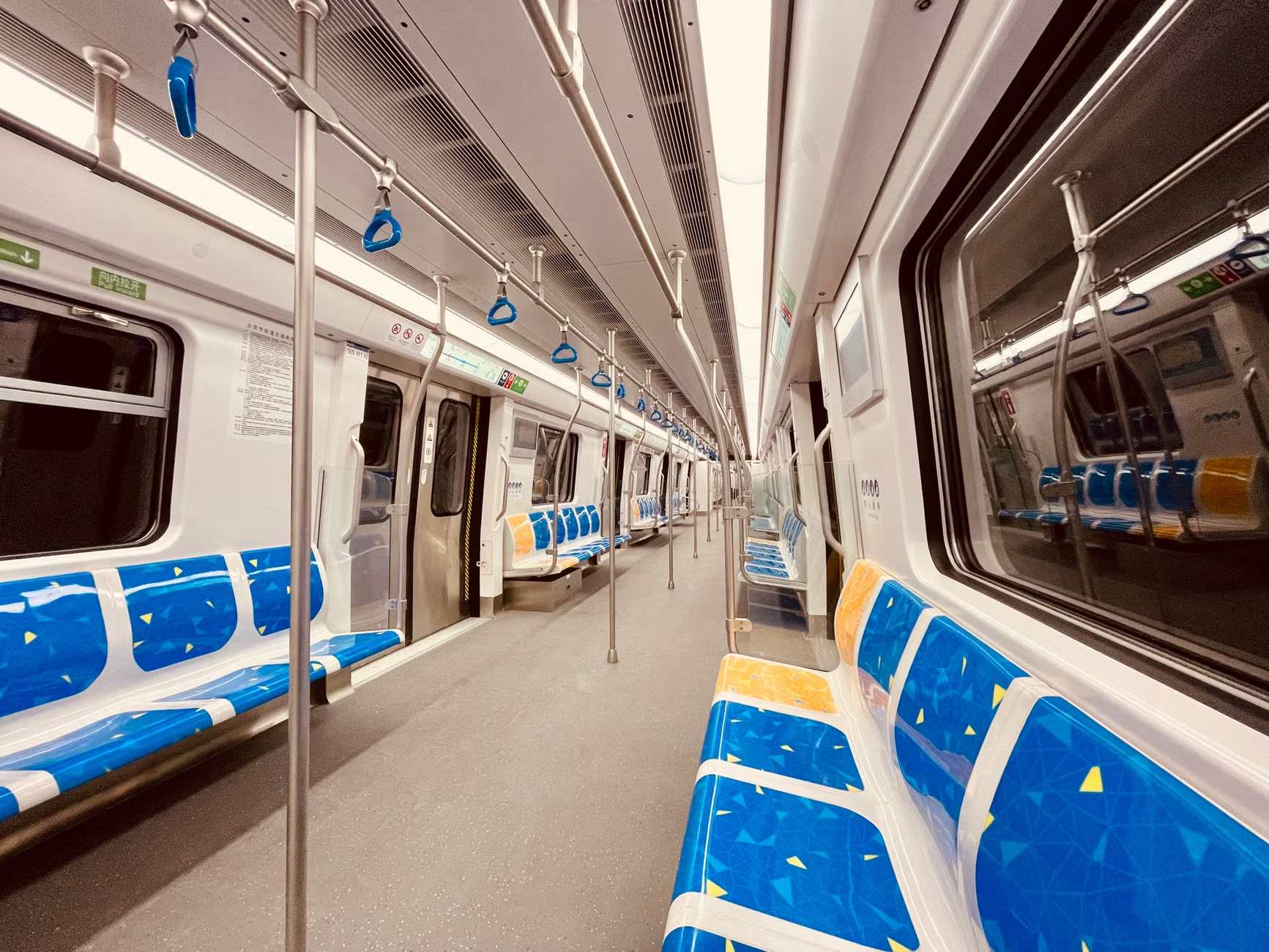
The Impact of Standardized Seat Height and Depth
One of the most significant changes involves the geometry of the seat itself. Research into the biomechanics of aging has shown that seats positioned too low force the user to exert excessive force through the knee and hip joints to stand up. Conversely, seats that are too high can cause dangling feet, which leads to poor circulation and a loss of stability when the vehicle moves.
Why Seat Geometry Matters
The 2026 standards suggest an optimal seat height of 45cm to 50cm. For an individual with osteoarthritis or reduced muscle mass in the quadriceps, this range is critical. It allows for a “sit-to-stand” transition that utilizes the natural leverage of the body rather than relying solely on muscular power.
What This Looks Like in Practice
Imagine you are boarding a bus. Under the old standards, you might have encountered a seat that was either too deep, causing you to slide forward, or too short, causing you to feel unstable. The new standard requires a seat depth of approximately 40cm to 45cm with a slight 5-degree recline. This keeps the pelvis in a neutral position, reducing lower back fatigue—a common complaint for older travelers during longer transit rides.
Safety and Support: The 30cm Rule
Stability is the primary concern for older adults on moving vehicles. Sudden braking or acceleration can lead to falls. The 2026 update introduces the “30cm rule” for priority seating areas. This rule mandates that every priority seat must have a vertical or horizontal grab handle located no more than 30cm from the seat edge.
This is a major improvement over older designs where grab handles were often placed on the ceiling or at the end of a long aisle. When you are seated, you should be able to reach a support point without leaning forward or overextending your shoulder. This adjustment is designed to maintain your center of gravity even if the vehicle takes a sharp turn.

The “last mile” of a journey—getting from the transit stop to your final destination—often begins with the act of stepping off the vehicle. The 2026 standards place a heavy emphasis on “gap management.”
Reducing the Horizontal and Vertical Gap
The new standards push for a maximum vertical gap of 3cm and a horizontal gap of 5cm between the platform and the vehicle floor. If you use a cane, a walker, or simply have reduced balance, these gaps are the primary sites for tripping or getting a wheel caught. Transit authorities are now required to implement “kneeling” bus technology as a default for all stops in high-density areas, rather than only upon request.
Practical Steps for the Traveler
- Verify the Route: Before starting your journey, check if your local transit app labels the route as “low-floor” or “step-free.” Most major cities now provide this data in real-time.
- Use the Front Door: On buses, the front door is almost always equipped with the widest ramp or the lowest kneeling function. Even if the rear door is “all-door boarding,” the front door remains the safest bet for those who need extra time to stabilize.
- Communicate Your Needs: If you are using a mobility aid, do not hesitate to ask the driver to “please keep the ramp deployed for a moment.” You are not an inconvenience; you are utilizing a designed feature of the vehicle.
Digital Information and Cognitive Comfort
Navigating a complex transit hub can be mentally exhausting. The 2026 standards also dictate that transit information must be presented in a “multi-modal” format. This means that audio announcements must be synchronized with high-contrast visual displays that show the next three stops, current time, and expected arrival times in a large, sans-serif font.
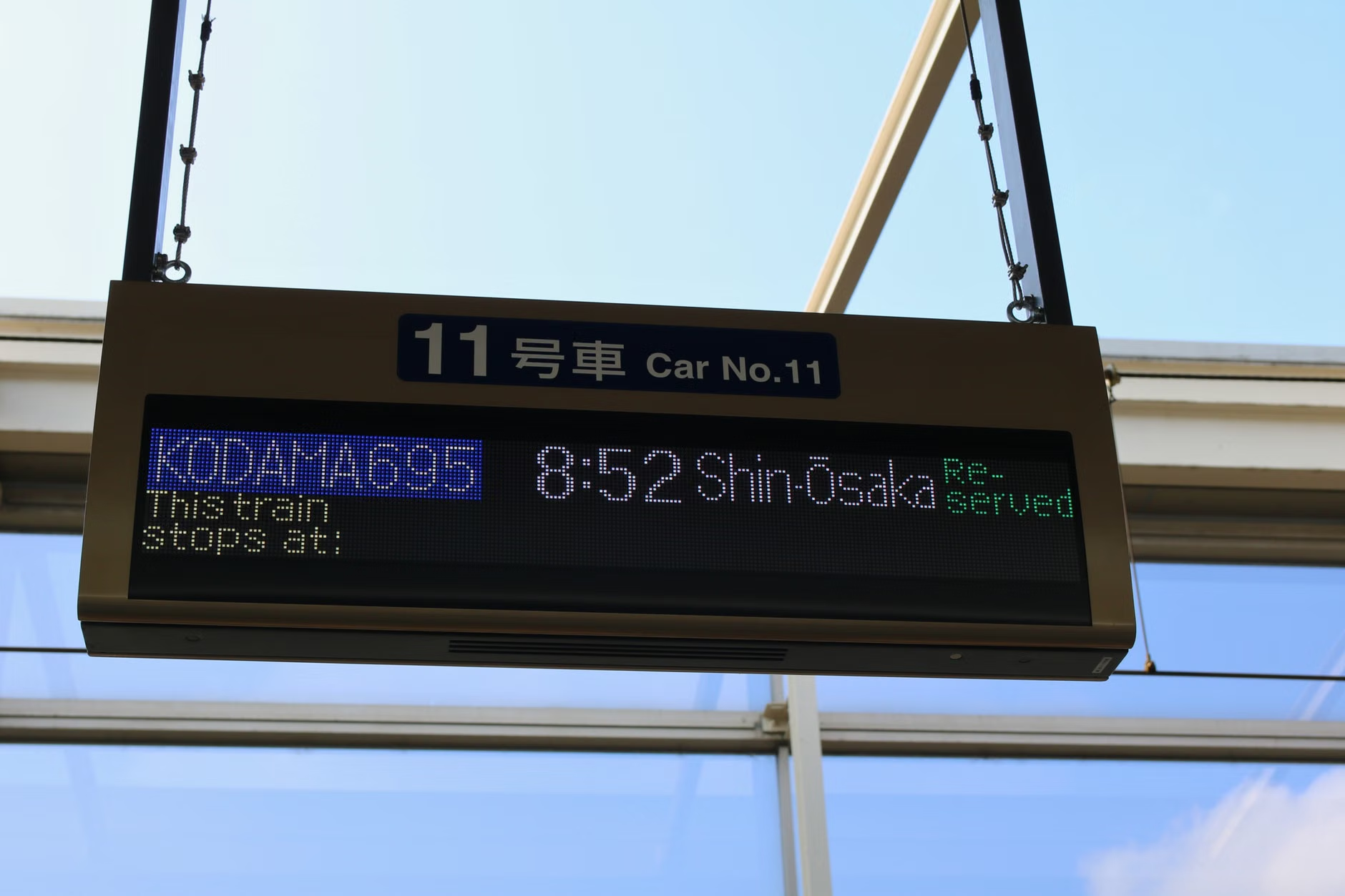
The Importance of Auditory Clarity
Many older adults experience age-related hearing changes, such as the loss of high-frequency perception. The 2026 standards require speakers to be distributed every 2 meters throughout the carriage to ensure sound pressure levels are consistent. This prevents the “echo” effect that often makes public address systems unintelligible.
Comparing Transit Options: What to Look For
Not all transit modes are created equal. Depending on your specific mobility needs, you may find one type of transport more suitable than another.
| Transit Mode | Primary Advantage | Best For |
|---|---|---|
| Low-Floor Bus | High frequency, door-to-door access. | Short, urban trips with minimal luggage. |
| Light Rail / Tram | Smooth motion, level boarding. | Those who experience motion sickness or balance issues. |
| Commuter Train | More space, dedicated priority seating. | Longer distance travel with higher comfort requirements. |
If you suffer from vertigo or balance issues, the Light Rail is generally superior to the bus, as the tracks provide a smoother ride with less lateral swaying. If you require extra space for a walker or a portable oxygen concentrator, the Commuter Train offers the most floor space and the most robust priority seating zones.
Overlooked Variables: The Hidden Reality of Transit Travel
Beyond the hardware, there is the human element. Even with the best engineering, transit systems can be unpredictable. One often-overlooked variable is the “dwell time”—the amount of time a vehicle stays at a stop. The 2026 standards encourage transit agencies to increase dwell times in areas with high populations of older adults. However, this is not always implemented perfectly.
Common Mistake: Many older adults rush to the door as soon as the vehicle begins to slow down. This is when the risk of a fall is highest. The safest practice is to remain seated until the vehicle comes to a complete halt, then stand up and move toward the exit. If the bus starts to move before you reach the door, do not hesitate to firmly ask the driver to stop.
Preparation and Advocacy: What You Can Do
As these 2026 standards roll out, it is important to remember that they are only as effective as their enforcement. If you encounter a station or vehicle that does not meet these criteria, you have the right to report it. Most transit authorities have a “Customer Accessibility Liaison” or a similar office. Providing specific feedback—such as “The priority seat on bus line 42 is too low, causing knee pain”—is invaluable data that helps them prioritize upgrades.
Checklist for Your Next Transit Trip
- Plan the “Off-Peak”: Traveling between 10:00 AM and 3:00 PM usually guarantees more space and a more relaxed environment to navigate boarding.
- Carry a Small “Mobility Kit”: Include a collapsible cane, a bottle of water, and a printed copy of your route.
- Verify Accessibility Features: Use online transit maps to confirm if your destination station has a functioning elevator rather than just escalators.
Conclusion
The 2026 updates to international transit standards represent a significant step forward in recognizing the diverse needs of an aging global population. By prioritizing ergonomic seating, standardized boarding gaps, and clear communication, these changes aim to make public transit a viable and comfortable option for everyone, regardless of age. While the transition will take time to implement fully, understanding these new standards empowers you to make informed decisions about your travel, advocate for your needs, and maintain your independence as you navigate your community.
Frequently Asked Questions
1. Will these 2026 standards apply to all public transit vehicles immediately?
No. These standards generally apply to new vehicles being purchased or major retrofits of existing fleets. You will likely see these changes gradually over the next several years as transit agencies replace older buses and trains.
2. How can I find out if a specific bus line in my city is compliant with the new standards?
You can check your local transit authority’s website under the “Accessibility” or “Disability Services” section. Most agencies publish a fleet report that details the age and accessibility features of their current vehicles.
3. What should I do if a priority seat is occupied by a younger, able-bodied person?
In many jurisdictions, priority seating is a social contract rather than a strictly enforced law. It is usually best to politely ask, “Excuse me, I have some difficulty standing; would you mind if I took this seat?” Most people will gladly move when the request is made directly.
For further reading on international accessibility standards, visit the International Organization for Standardization (ISO) or your country’s national Department of Transportation website.