- Prioritize Surface Stability: Heritage markets often feature historic paving; always verify the presence of “accessible routes” or smooth-path alternatives before you arrive.
- Strategic Packing: Pack for “micro-climates” and varying activity levels by using modular packing cubes to keep essential medications, mobility aids, and hydration within easy reach.
- Pacing is Performance: Limit your market time to 90-minute blocks with dedicated rest intervals to maintain stamina and avoid the physical strain of prolonged standing or walking.
Introduction: The Joy of Riverside Heritage
Riverside markets serve as the living heartbeat of many historic cities. They offer a unique blend of cultural immersion, local gastronomy, and scenic beauty. For the seasoned traveler aged 60 to 80, these locations provide an opportunity to engage with local history in a relaxed, open-air environment. However, the very features that make these markets charming—historic architecture, uneven cobblestones, and bustling waterfront crowds—can present logistical challenges. This guide is designed to help you navigate these environments with confidence, focusing on preparation, efficient packing, and tactical mobility.
Evaluating Accessibility Before You Depart
The most successful travel experiences begin with rigorous, evidence-based planning. Before you book your transport or accommodation, you must look past the “tourist-friendly” marketing and investigate the actual physical reality of the site.
Understanding Infrastructure and Terrain
Heritage sites are often protected by preservation laws, which can limit the installation of modern accessibility features like ramps or elevators. When researching a destination, look for the following indicators of true accessibility:
- Surface Materials: Are the primary walkways paved with smooth concrete or asphalt, or are they historic, uneven cobblestones? Cobblestones significantly increase the risk of trips and fatigue for those using canes or walkers.
- Gradient and Elevation: Use digital mapping tools (such as Google Maps’ “Street View” or dedicated accessibility apps) to check for steep inclines leading from the city center down to the riverbank.
- Rest Infrastructure: Does the market area have dedicated seating? A “senior-friendly” market should provide benches or shaded rest areas every 50 to 100 meters.
The Digital Audit: Using Technology for Safety
Do not rely solely on official tourism board websites, as these often omit granular accessibility data. Instead, use these steps to verify site conditions:
- Search for the market name combined with terms like “wheelchair access,” “mobility access,” or “stroller-friendly reviews.”
- Check user-submitted photos on review platforms; look for the width of the aisles between stalls. If they appear narrow and crowded, plan to visit during off-peak hours (typically weekday mornings).
- Confirm the presence of accessible public toilets. Use sites like Wheelmap to find crowdsourced accessibility ratings for specific areas.
Packing for Mobility and Stamina
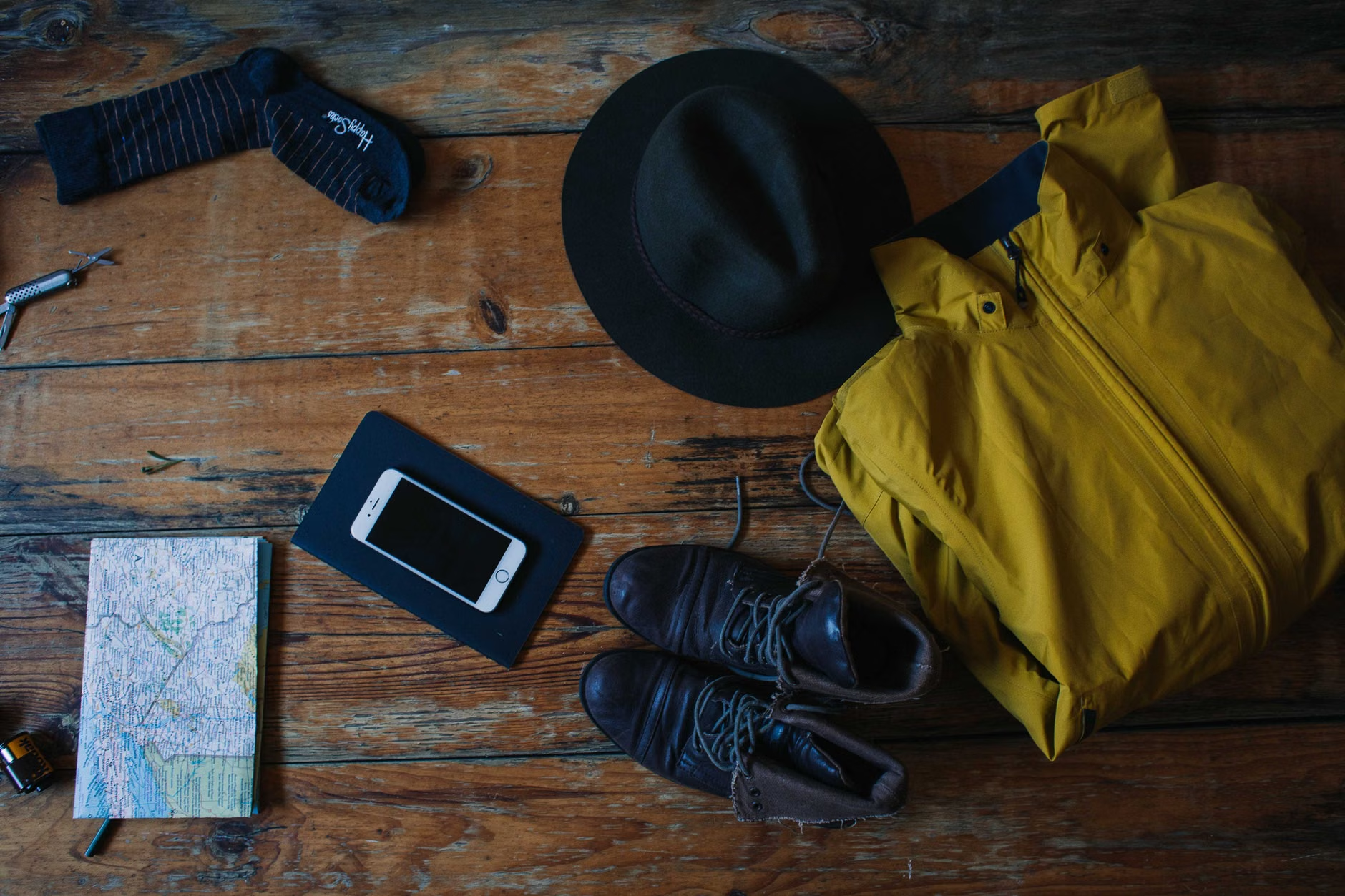
Packing for a riverside market trip requires a balance between preparedness and weight management. Every additional kilogram in your bag is a kilogram you must carry across potentially uneven terrain. The goal is to maximize your independence while minimizing physical load.
The Modular Packing System
Use packing cubes to divide your gear. This allows you to access items without emptying your entire bag. Your “Market Day” bag should be a lightweight, ergonomic backpack or a crossbody bag with a wide, padded strap to distribute weight evenly across your shoulders.
| Category | Essential Item | Why It Matters |
|---|---|---|
| Mobility | Folding Cane/Seat | Provides support and an instant seat for rest periods. |
| Hydration | Collapsible Bottle | Reduces weight when empty; stays hydrated to prevent fatigue. |
| Health | Medication Pouch | A small, clearly labeled case for emergency and daily meds. |
| Comfort | Personal Mini-Fan | Essential for regulating body temperature in humid riverside areas. |
Footwear: The Foundation of Your Experience
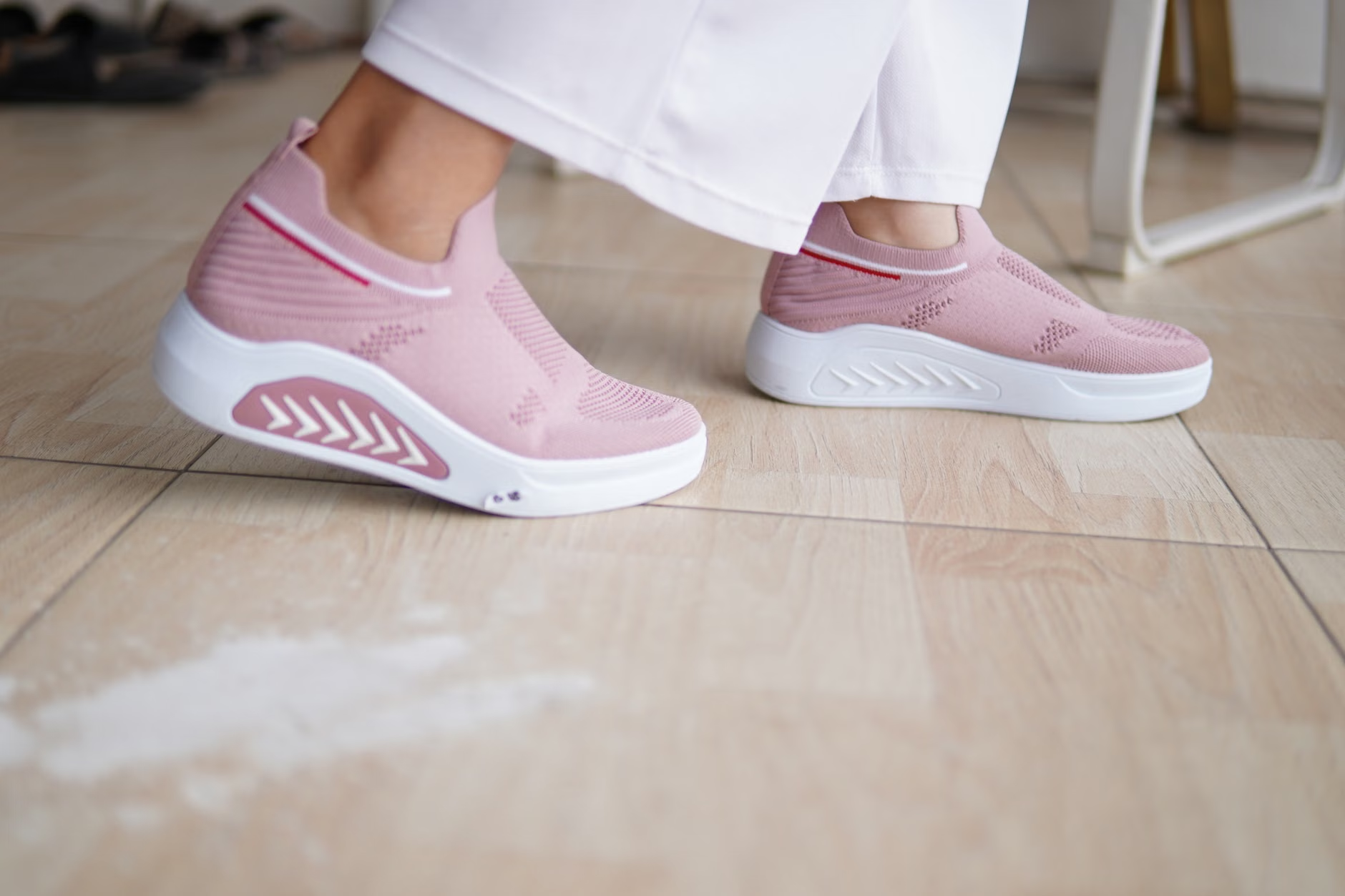
The most common mistake seniors make is wearing “new” walking shoes. Always wear shoes that you have “broken in” for at least two weeks before your trip. Your footwear should prioritize:
- Arch Support: Ensures proper alignment and reduces the risk of plantar fasciitis.
- Traction: Riverside areas can be damp or slippery. Ensure your soles have a high-friction rubber tread.
- Breathability: Mesh materials help prevent overheating and blistering during long periods of movement.
Once you arrive, your strategy should shift from preparation to tactical navigation. Riverside markets are dynamic environments where conditions change throughout the day.
Managing the “Pacing Cycle”
To avoid physical overexertion, implement a structured pacing cycle. A typical cycle should look like this:
- 30 Minutes of Activity: Walk, browse, and engage with vendors.
- 10 Minutes of Rest: Find a shaded seat. Even if you do not feel tired, sitting down prevents the buildup of lactic acid and joint stiffness.
- Hydration Check: Drink at least 150ml of water during your rest period to maintain alertness and stamina.
Safety and Crowd Management
Crowds are a major factor in riverside markets. Large groups can obscure uneven ground and make it difficult to navigate safely. If you find yourself in a dense crowd, prioritize these steps:
- Maintain a Peripheral View: Do not just look at the stalls; keep your eyes on the ground 2-3 meters ahead to identify potential hazards like loose paving stones or spilled liquids.
- The “Wall” Strategy: If you feel overwhelmed, move to the perimeter of the market. Most markets have wider, less congested paths along the outer edges that allow for easier movement.
- Exit Strategy: Always identify the nearest exit or taxi rank before you begin exploring the heart of the market.
Health Considerations: Prevention and Care
Traveling to a market involves exposure to different environments, temperatures, and potential allergens. Maintaining your health is about proactive management rather than reactive care.
Managing Temperature and Humidity
Riverside areas often experience higher humidity, which can affect blood pressure and respiratory comfort. If you have conditions such as hypertension or asthma, monitor your environment closely. If the humidity exceeds 70%, limit your outdoor exposure to the early morning hours when the air is cooler.
Preparing for Medical Needs
Always carry a “Medical Information Card” in your wallet or bag. This card should list:
- Your full name and emergency contact details.
- A list of current medications and dosages.
- Any known allergies.
- Contact information for your primary care physician at home.
If you feel lightheaded, sudden shortness of breath, or sharp pain, stop immediately and seek out a staff member or a local shop owner. Do not attempt to “walk it off.” In many international jurisdictions, market staff are trained to assist in locating the nearest first-aid station or medical facility.

The Hidden Variables of Riverside Travel
Beyond the basics, there are subtle factors that can determine the success of your day. One such variable is the “tide-dependent” nature of some markets. In coastal or estuarine cities, the river level can change significantly. This can affect the slope of the access ramps at the dockside. Always check the local tide tables if the market is located on a floating pier or a low-lying embankment.
Another overlooked aspect is the “acoustic environment.” Historic markets are often echo-heavy, with metal roofs and stone walls. If you use hearing aids, ensure they are set to a “crowd” or “noise-reduction” mode to avoid auditory fatigue. The constant background noise can be more exhausting than the walking itself.
Conclusion: Empowering Your Journey
Accessible travel is not about limiting your experiences; it is about managing the variables to ensure you can enjoy them safely. By auditing the terrain, packing strategically, and respecting your own physical limits, you transform a potentially stressful outing into a rewarding exploration. Remember that the goal of your trip is enjoyment and cultural connection. If you need to cut your visit short or skip a section of the market, you have not “failed”—you have simply made a smart decision to preserve your energy for the next day of your adventure.
Frequently Asked Questions (FAQ)
1. How can I find out if a specific market is truly accessible for someone using a walker?
The most reliable method is to contact the local tourism office directly via email. Ask them specifically: “Is the market path paved with cobblestones or smooth materials, and are there step-free entrances to the main sections?” You can also look for “accessibility maps” on the city’s official municipal website, which often provide more accurate data than commercial travel blogs.
2. What should I do if I experience sudden joint pain while at the market?
Stop immediately and find a place to sit. Avoid the temptation to push through the pain, as this can lead to inflammation. If you have a prescribed anti-inflammatory or topical analgesic, apply it as directed. If the pain persists or is accompanied by swelling, move to a designated first-aid point or ask a local official for the location of the nearest pharmacy or clinic. Always ensure you have a contact number for local emergency services stored in your phone.
3. Are there specific times of day that are better for seniors at these markets?
Yes. Aim to arrive 30 minutes after the market officially opens. This gives vendors time to set up, ensuring the paths are clear of delivery carts, while avoiding the midday peak-hour crowds. Weekdays are almost universally better than weekends for navigating crowded spaces with more comfort and safety.
Official guidance on travel safety and accessibility can be found at the World Health Organization (WHO) Age-friendly World portal. Always check local government travel advisories for your specific destination before departing.