- Prioritize Accessibility Audits: Before booking historic mountain-lake properties, verify specific accessibility features—such as elevator presence and ramp gradients—rather than relying on general “accessible” labels.
- Strategic Packing for Micro-Climates: Heritage mountain areas often experience rapid temperature shifts; use a modular layering system that balances thermal regulation with ease of movement.
- Energy Management: Treat your stamina as a finite resource by scheduling “zero-activity” windows and utilizing localized transport options to preserve mobility for heritage site exploration.
Introduction: The Balance of Heritage and Mobility
Traveling to heritage mountain-lake regions offers a unique blend of historical enrichment and natural tranquility. However, these destinations—often characterized by uneven cobblestone streets, steep historical architecture, and fluctuating alpine weather—present specific logistical challenges. For the seasoned traveler, success lies not in packing more, but in packing smarter and planning with a clear understanding of your personal mobility profile.
This guide provides a comprehensive framework for preparing for such trips, focusing on the intersection of accessibility, stamina management, and safety. By treating your travel preparation as a structured project rather than a last-minute chore, you can focus on the experience of the heritage site rather than the stresses of the environment.

1. Assessing the Accessibility of Heritage Sites
Heritage sites, by definition, are historical. Many were constructed centuries before the modern concept of universal design. When selecting a destination, you must look beyond promotional photography and investigate the physical reality of the site.
The “Verticality” Audit
Mountain regions are inherently vertical. Before confirming a booking, identify if the accommodation is situated on a slope. A hotel might be “accessible” on paper, but if the walk from the town square to the lobby requires navigating a 15% incline, your daily stamina will be compromised before you even begin your sightseeing.
- Check for Local Transport: Does the area have funiculars, cable cars, or shuttle buses? Ensure these are operational during your travel dates.
- The Cobblestone Factor: Historic town centers often feature uneven surfaces. If you use a cane or a walker, ensure your mobility aid is equipped with rubber ferrules or all-terrain wheels suitable for irregular stone surfaces.
Digital Verification Tools
Don’t rely solely on hotel websites. Utilize Google Street View to virtually “walk” from your accommodation to the nearest lakefront or heritage monument. Look for curb cuts, the width of sidewalks, and the presence of stairs versus ramps. If the information is unclear, call the property directly and ask specific questions: “How many steps are between the street entrance and the elevator?” or “Is the path to the lake paved?”
2. The Science of Strategic Packing
Packing for a mountain-lake climate is an exercise in managing weight and temperature. The goal is to maximize your comfort while minimizing the physical burden of your luggage.
The Modular Layering System
Temperatures near alpine lakes can drop significantly once the sun dips behind the mountain peaks, even in summer. Avoid heavy, bulky coats. Instead, use a three-layer system:
| Layer | Function | Material Recommendation |
|---|---|---|
| Base | Moisture-wicking | Merino wool or synthetic blends |
| Mid | Insulation | Lightweight fleece or down vest |
| Outer | Weather protection | Breathable, windproof, and water-resistant shell |
This system allows you to adapt to hourly temperature changes without needing to carry a heavy bag. If you are warm, you peel off a layer; if the wind picks up by the lake, you simply add your shell.
Luggage Management: The “Lightweight First” Rule
For older travelers, the weight of luggage is a primary risk factor for fatigue and injury. Invest in high-quality, four-wheeled (spinner) suitcases. These require significantly less physical exertion to move than two-wheeled models, as the weight is supported by the floor rather than your arm and shoulder.
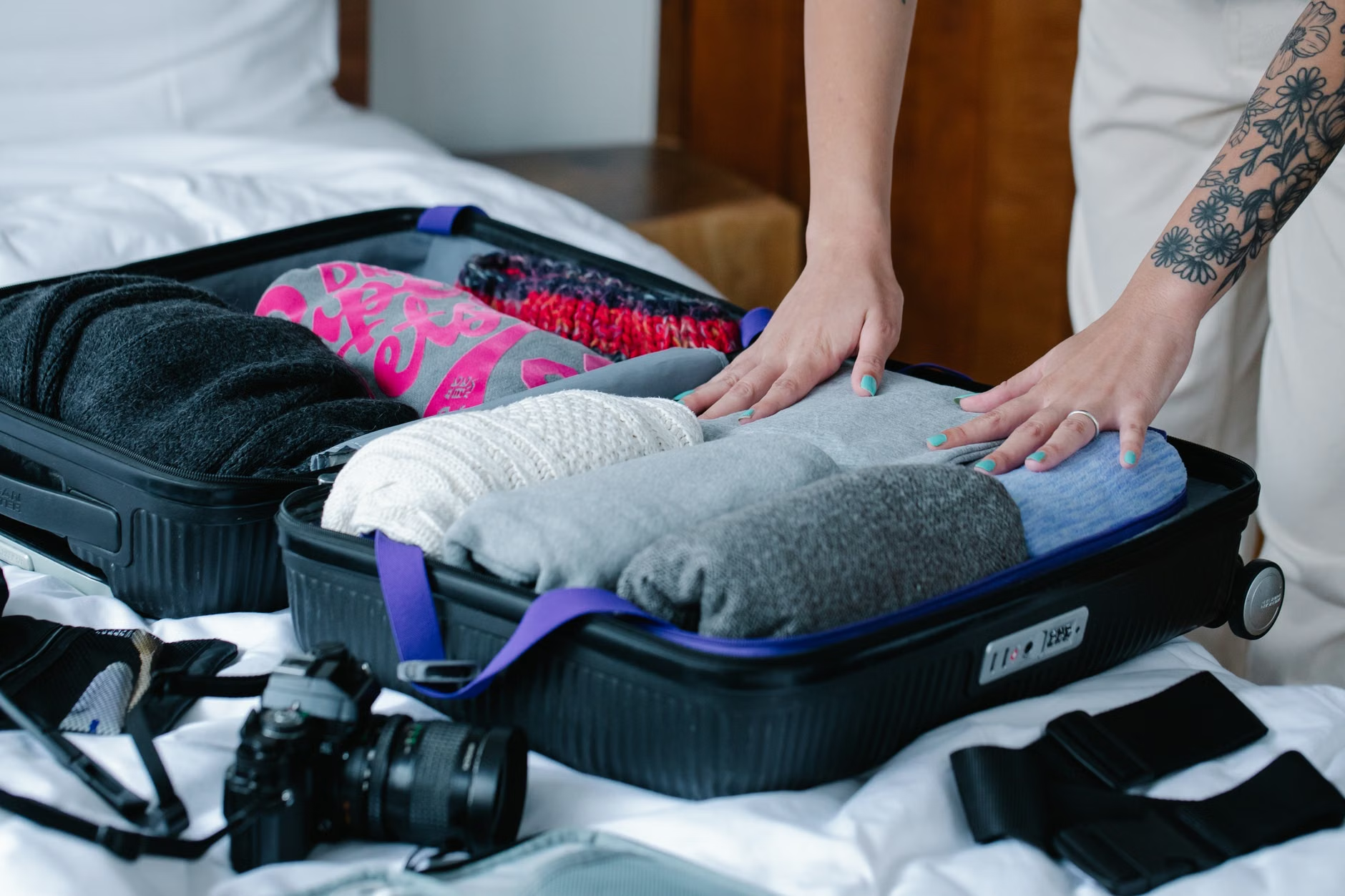
Packing Tip: Use compression packing cubes. They not only organize your items but also prevent clothes from shifting, ensuring the weight remains balanced within the suitcase.
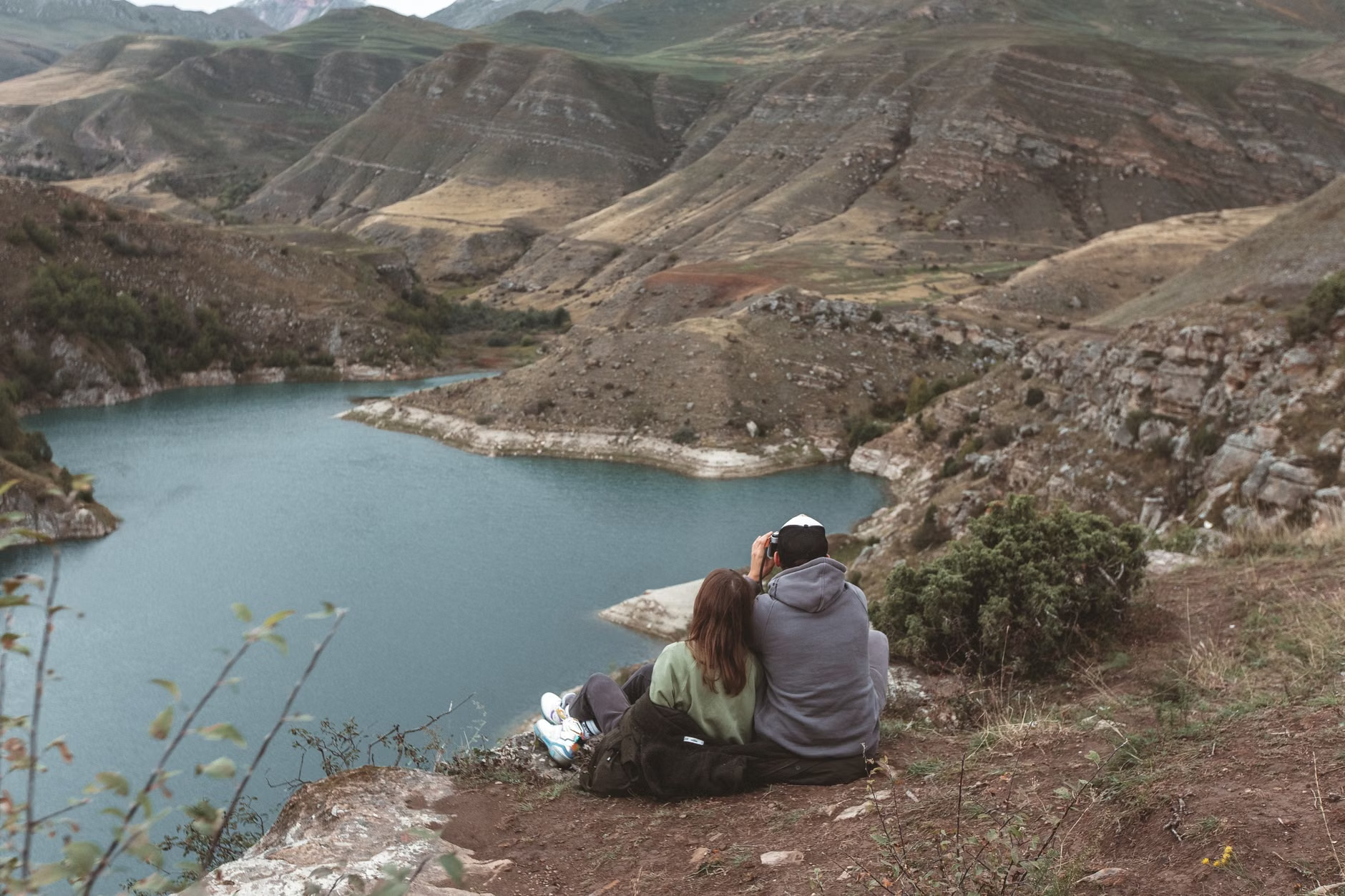
3. Managing Stamina and Health on the Move
One of the most common mistakes in senior travel is over-scheduling. In mountain environments, thinner air and physical activity can lead to faster exhaustion than you might experience at home. You must proactively manage your energy.
The “2-1-2” Rule for Itineraries
To ensure you return from your trip feeling refreshed rather than depleted, implement the 2-1-2 rule:
- Two hours of activity: Morning sightseeing at a relaxed pace.
- One hour of rest: A seated lunch or a period of downtime at a cafe or the hotel.
- Two hours of leisure: An afternoon session of low-impact activity, such as a boat ride on the lake or a visit to a local museum.
This structure prevents the “activity debt” that accumulates over a long day. If you find yourself pushing through pain or excessive fatigue, your body is signaling that you have exceeded your current capacity. Stop, hydrate, and recalibrate your plans for the following day.
Medication and Documentation
When traveling internationally, carry a “Health Passport.” This is a simple document containing:
- A list of all current medications, including generic names and dosages.
- A brief summary of your medical history.
- Contact information for your primary care physician.
- Copies of your travel insurance policy and emergency contact details.
Keep this in a waterproof folder inside your carry-on bag, never in your checked luggage. If you are visiting a country with a different language, consider having a translation of your primary medical conditions prepared in advance.
Heritage sites often present “hidden” hazards: polished stone floors that become slippery when damp, poor lighting in medieval corridors, and high thresholds in historic doorways. Awareness of these factors is your best defense.
Footwear Selection
Your choice of footwear is the most critical safety decision you will make. Avoid fashion-first shoes. Select footwear with a wide toe box, arch support, and, most importantly, a non-slip rubberized outsole. Test your shoes on a variety of surfaces—carpet, tile, and concrete—before your trip to ensure you are comfortable with their grip.
The “Threshold Awareness” Technique
Many heritage hotels and sites have high thresholds. When entering a new space, pause for a moment to scan the floor transition. If you use a mobility aid, approach thresholds at a slight angle rather than head-on. If you feel unsteady, do not hesitate to ask for assistance. Staff at heritage properties are generally well-versed in assisting guests with accessibility needs; it is not an inconvenience to ask for a hand to steady yourself or for a different route that avoids stairs.
5. Environmental Considerations: Altitude and Hydration
Even at moderate altitudes (1,500 to 2,500 meters), older adults may notice the effects of thinner air. Symptoms can include increased heart rate, mild shortness of breath, or fatigue. These are not signs of illness, but rather your body’s natural response to lower oxygen availability.
Practical Steps:
- Hydration: Mountain air is often significantly drier than lowland air. You may not feel thirsty, but dehydration can exacerbate altitude fatigue. Aim to drink water regularly throughout the day, even if you are not exercising.
- Pacing: When climbing stairs or walking on inclines, use the “step-and-breathe” method. Take one step, pause to breathe, and then take the next. This prevents your heart rate from spiking and allows your body to adjust to the effort.
- Sun Protection: UV radiation is significantly stronger at higher altitudes. Wear a wide-brimmed hat and use high-SPF sunscreen, even on overcast days. The reflection of light off a mountain lake can also intensify UV exposure.
6. Digital Preparation: Apps and Resources
Modern technology can act as a force multiplier for accessibility. Before you leave, download and test the following types of apps:
- Offline Maps: Download maps of your destination for offline use. This ensures you can always find the nearest pharmacy, hospital, or public restroom, even if your data connection fails.
- Accessibility Mapping Tools: Some regions have specialized apps (such as Wheelmap or city-specific accessibility guides) that mark the locations of accessible restrooms, ramps, and elevators.
- Translation Apps: If you are visiting a non-English speaking region, keep a translation app on your phone to assist with explaining your mobility needs or reading safety signage.
Conclusion: The Joy of Preparedness
Accessible travel to heritage mountain-lake destinations is entirely achievable when you prioritize realistic planning and personal safety. By auditing the accessibility of your destination, employing a modular packing strategy, and strictly managing your daily stamina, you transform the trip from a potential series of obstacles into a seamless experience of discovery.
Remember that the goal of your travel is to engage with history and nature at your own pace. If a particular site is too difficult to access, seek out the alternative viewpoint—a lakeside park bench, a local museum with an elevator, or a scenic drive. The value of your trip lies in the memories you create, not in the number of sites you “check off” a list. Prepare with care, stay flexible, and prioritize your comfort at every turn.
Frequently Asked Questions (FAQ)
1. How can I determine if a historic hotel is truly accessible for my needs?
Do not rely on the “accessible” badge on booking sites. Contact the hotel directly and ask for photos of the entrance, the path to the elevator, and the bathroom configuration. Ask specifically about the number of steps at the entrance and whether they have a ramp or a lift. If the hotel is in a protected historic building, they may have specific limitations that they can explain to you in detail.
2. What is the most important item to pack for a mountain environment?
Beyond your essential medications, the most important item is a pair of high-quality, broken-in walking shoes with non-slip, rubberized soles. In mountain environments, the terrain is often uneven, and weather can change quickly, making good traction essential for preventing falls. Ensure you have tested these shoes on a variety of surfaces before your trip.
3. How do I handle altitude fatigue while sightseeing?
The best approach is to slow your pace and increase your fluid intake. Use the “step-and-breathe” method—pausing between steps on inclines—to keep your heart rate stable. If you feel tired, do not try to “push through.” Schedule a rest period in a shaded or indoor area to allow your body to recover. If you experience severe shortness of breath, chest pain, or dizziness, seek medical attention immediately, as these are warning signs that require professional evaluation.
For further information on accessible travel standards, you may consult the European Network for Accessible Tourism (ENAT) or your local national tourism board’s guidelines on accessible infrastructure.