For adults aged 60 to 80, maintaining liver and metabolic health is foundational to sustaining energy, independence, and overall physical well-being. Among the essential nutrients often overlooked in standard dietary advice is choline, a vital compound that plays a critical role in lipid metabolism, liver function, and cellular integrity.
- Choline is essential for liver health: It prevents the accumulation of fat in the liver, which is a common concern as metabolism slows with age.
- Food-first approach: Most adults can meet their choline requirements through simple, whole-food dietary adjustments without the need for supplements.
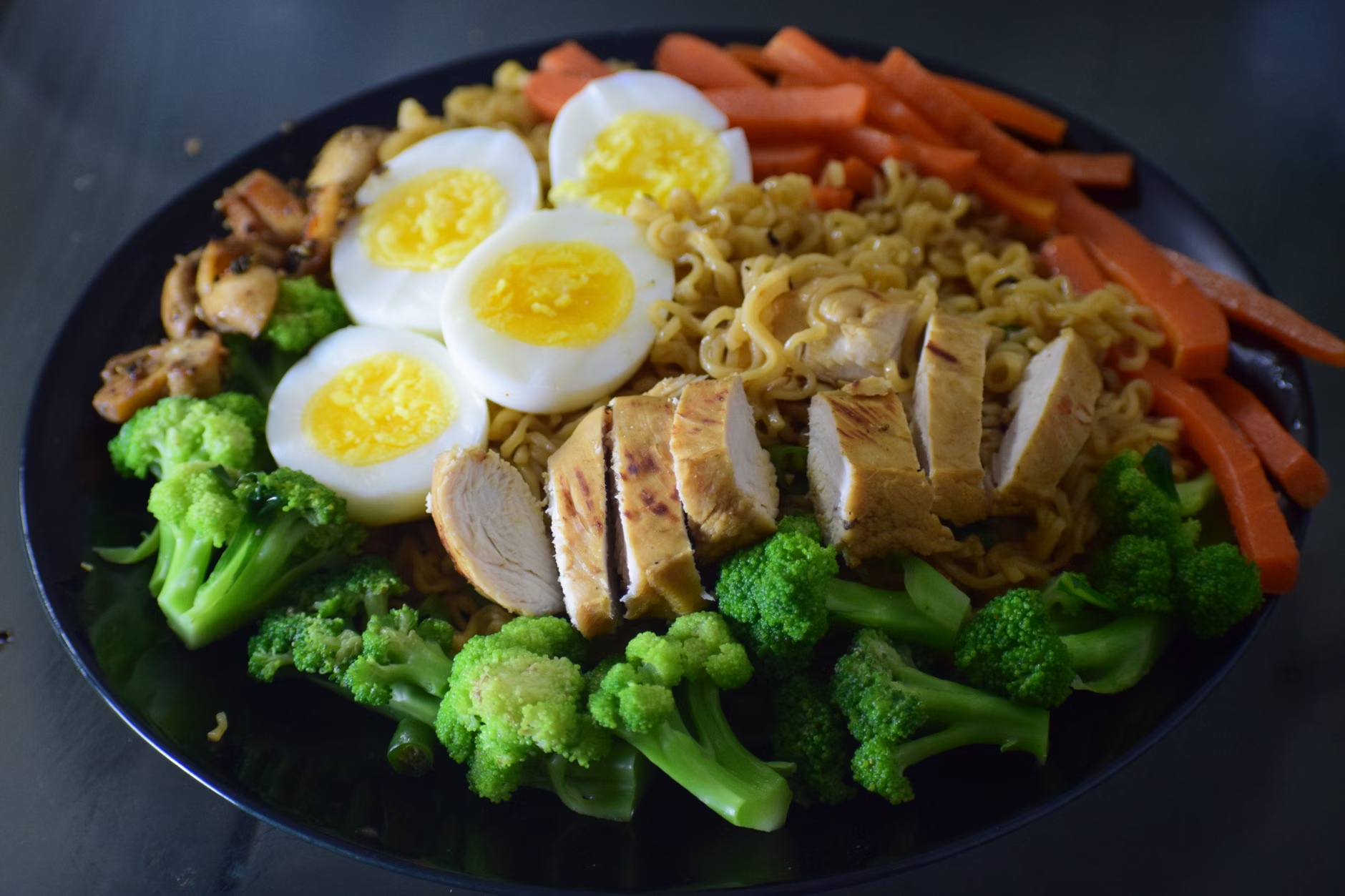
- Practical integration: Eggs, lean meats, and cruciferous vegetables are highly accessible, cost-effective sources that fit easily into a daily routine.
Understanding Choline: Why It Matters for Aging Adults
Choline is a water-soluble nutrient, often grouped with the B-complex vitamins, though it is technically a distinct chemical compound. In the human body, it serves as a precursor to acetylcholine—a neurotransmitter essential for memory, mood, and muscle control—and is a key component of phosphatidylcholine, a phospholipid that forms the structural foundation of our cell membranes.
As we navigate the 60-to-80-year age bracket, the body’s metabolic processes undergo significant shifts. Changes in hormonal regulation and reduced physical activity levels can increase the risk of non-alcoholic fatty liver disease (NAFLD) and metabolic syndrome. Choline acts as a “lipotropic” agent; it helps transport fats out of the liver to be used for energy elsewhere in the body. Without sufficient choline, dietary fats may accumulate in the liver, potentially leading to inflammation or impaired function.
The Metabolic Connection
Beyond the liver, choline is deeply involved in methylation, a biochemical process that regulates gene expression and helps lower levels of homocysteine—an amino acid linked to cardiovascular health risks. For older adults, keeping these systems balanced is a cornerstone of preventive health. When the liver is burdened by fat accumulation, it cannot process nutrients as effectively, which can lead to a cascade of metabolic inefficiencies, including insulin resistance and reduced energy levels.
Daily Requirements and Sources
According to the National Institutes of Health (NIH) Office of Dietary Supplements, the adequate intake (AI) for choline is generally 550 mg per day for men and 425 mg per day for women. While these numbers provide a baseline, individual needs may vary based on genetic factors (such as the MTHFR gene variant, which can increase the body’s demand for choline) and baseline health status.
Rather than obsessing over daily tracking, it is more practical to focus on consistent, choline-dense food choices throughout the week. The following table illustrates common food sources and their approximate choline content.
| Food Item | Serving Size | Approximate Choline (mg) |
|---|---|---|
| Beef Liver (Cooked) | 3 oz | 350+ |
| Eggs (Large) | 1 whole egg | 145 |
| Chicken Breast | 3 oz | 70 |
| Salmon (Atlantic) | 3 oz | 60 |
| Broccoli (Cooked) | 1/2 cup | 30 |
Note: Data adapted from the USDA FoodData Central database. Values are approximations and can vary by preparation method.
Evaluating Your Options
For most readers, the most efficient way to meet these targets is through a “portfolio” approach. If you consume one or two eggs at breakfast, you have already met a significant portion of your daily requirement. If you prefer plant-based diets, your focus should shift toward cruciferous vegetables like broccoli, cauliflower, and Brussels sprouts, alongside legumes like soybeans, which are excellent sources of choline. However, note that plant-based choline is often less bioavailable than animal-based sources, meaning those following strict vegan diets may need to be more intentional with their portion sizes of beans and cruciferous vegetables.

Addressing Common Misconceptions and Risks
A common misconception is that “more is always better” when it comes to nutrients. With choline, there is an upper limit—typically 3,500 mg per day for adults. Exceeding this through concentrated supplementation can lead to side effects such as a “fishy” body odor, low blood pressure, and gastrointestinal distress. Because the liver processes these nutrients, excessive intake via high-dose supplements can ironically place a burden on the very organ you are trying to protect.
Clinical Warning: If you are currently under care for liver-related conditions or are taking medication for metabolic disorders, you must consult your physician before significantly changing your intake or adding supplements. Your medical team needs to account for how these nutrients interact with your specific prescriptions, such as blood thinners or diabetes medications.
Practical Integration: A Step-by-Step Approach
Incorporating choline into your diet does not require a radical overhaul of your lifestyle. Instead, aim for subtle, sustainable shifts. Below is a practical framework to help you manage your intake effectively.
- Audit Your Breakfast: If you currently eat cereal or toast, consider adding one egg. Eggs are the most accessible and highly concentrated source of choline for most people.
- Diversify Your Protein: If you tend to rely solely on chicken, introduce fatty fish like salmon twice a week. This provides not only choline but also essential Omega-3 fatty acids, which work synergistically to support liver health.
- Include Cruciferous Vegetables: Aim for at least one half-cup serving of broccoli or cauliflower daily. These vegetables provide fiber, which supports gut health and enhances the body’s ability to process and absorb nutrients, including choline.
- Monitor Your Energy Levels: Keep a simple log for two weeks. Note your energy levels after meals. If you feel lethargic or sluggish, it may be a sign that your liver is working harder than it needs to, which could be a prompt to review your dietary patterns with a nutritionist.
It is important to remember that dietary changes are a tool for prevention, not a substitute for medical diagnosis. If you experience persistent symptoms such as unexplained fatigue, abdominal discomfort, or changes in your metabolic markers (like elevated triglycerides or blood glucose), these are not signals to simply “eat more choline.” These are signals to schedule a consultation with your primary care physician or a gastroenterologist.
When preparing for an appointment, bring a food diary covering the last seven days. Include everything you have consumed, including snacks and beverages. This helps your doctor determine if your current dietary patterns are supporting your metabolic health or if underlying conditions require medical intervention. Ask specific questions, such as: “Given my current blood test results, are there specific nutrient gaps I should be aware of?” or “Are my current energy levels consistent with someone in my age group, or should we investigate further?”
Deep Dive: The Science of Methylation and Longevity
To understand why researchers are increasingly interested in choline, we must look at the concept of methylation. Methylation is a chemical reaction that occurs billions of times per second in the body. It involves the transfer of a methyl group (a carbon atom attached to three hydrogen atoms) from one molecule to another. Choline is a “methyl donor,” meaning it provides these crucial building blocks.
As we age, our methylation capacity can decline, which is linked to various health markers. By ensuring adequate choline intake, we support the body’s ability to “turn on” or “turn off” specific genes and maintain the structural integrity of our cells. While this is complex science, the practical takeaway is simple: keeping your nutrient levels stable helps your body perform its maintenance tasks more efficiently. This isn’t about “supercharging” your body; it is about providing the raw materials required for the daily upkeep that keeps your metabolic engine running smoothly.
Addressing Potential Barriers
We recognize that for many older adults, cooking every meal from scratch is not always feasible. If you rely on prepared meals or dining out, look for labels that highlight protein content. When dining out, prioritize dishes that include lean proteins and steamed vegetables. Avoid deep-fried options, as the high fat content can counteract the benefits of the choline you are consuming by placing an unnecessary load on your liver.
If you have mobility or stamina challenges, consider “low-prep” choline sources. Canned salmon, pre-washed bags of broccoli, and hard-boiled eggs available at most supermarkets are excellent, convenient options that require minimal physical effort to prepare. The goal is to make the healthy choice the easiest choice in your daily routine.
Conclusion
Dietary choline is a vital, often understated component of a preventive health strategy for adults aged 60 to 80. By focusing on consistent consumption of eggs, lean meats, and cruciferous vegetables, you support your liver’s ability to process fats and maintain metabolic balance. Prevention is not about dramatic changes; it is about the small, intentional habits that accumulate over time. Prioritize your liver health today by evaluating your dietary sources of choline, and remember that any significant changes in your health status should always be discussed with your medical provider. Consistency, rather than intensity, is the key to longevity and metabolic vitality.
Frequently Asked Questions
- Can I get enough choline from a vegetarian diet? Yes, but it requires more attention. While eggs and dairy are excellent sources for vegetarians, vegans must rely heavily on legumes like soybeans, quinoa, and cruciferous vegetables. You may need to consume larger portions to reach the recommended daily intake.
- Are there any medications that interact with choline? Some medications, particularly those affecting liver function or cholesterol metabolism, may have interactions. Always share your complete list of supplements and dietary changes with your doctor to ensure they do not interfere with your prescribed treatments.
- Is there a specific time of day that is best to consume choline-rich foods? There is no evidence suggesting a specific time of day is superior. The most important factor is consistent daily intake. Distributing your choline-rich foods across your meals—for example, an egg at breakfast and broccoli at dinner—is an excellent way to maintain steady levels throughout the day.
Official Source Reference: For further reading on nutrient requirements, please visit the National Institutes of Health (NIH) Office of Dietary Supplements fact sheet on Choline.