- New 2026 global standards emphasize ergonomic support, including mandatory armrests and specific seat heights to assist individuals with limited mobility.
- These standards move beyond “accessibility” to “usability,” focusing on the biomechanics of sitting and standing for adults aged 60+.
- You can use these updated guidelines to petition local councils or property managers to upgrade inadequate outdoor seating in your neighborhood.
Understanding the 2026 Shift in Public Seating Standards
As of 2026, international urban planning guidelines—specifically those aligned with the ISO 21542:2026 updates regarding building construction and accessibility—have begun to prioritize the specific physical needs of an aging global population. For many years, “accessible” seating often meant little more than placing a bench near a path. However, the new 2026 framework shifts the focus toward functional independence.
This update is not merely aesthetic. It addresses the reality that for adults between 60 and 80, the ability to sit down and, more importantly, stand up from a public bench is a critical factor in maintaining an active lifestyle. When seating is too low, lacks armrests, or is placed on uneven ground, many older adults simply avoid going out, leading to reduced physical activity and social isolation. The 2026 standards aim to eliminate these barriers through standardized engineering.

The Biomechanics of Inclusive Seating: What the 2026 Standards Mandate
The 2026 standards are built on the principle of biomechanical support. When designing or evaluating a public bench, planners are now directed to consider the “sit-to-stand” motion, which requires specific leverage and stability.
1. Seat Height and Depth
Standard benches are often too low, forcing the knees to bend at an angle that makes rising difficult for those with osteoarthritis or reduced quadriceps strength. The new standard recommends a seat height between 450mm and 500mm (approximately 17.7 to 19.7 inches). This height allows the feet to remain firmly planted on the ground while reducing the strain on the hip and knee joints during the transition from sitting to standing.
2. The Necessity of Armrests
Perhaps the most significant change in the 2026 guidelines is the requirement for armrests on all public seating. Armrests are not just for comfort; they are essential assistive devices. By providing a stable point of support, they allow an individual to push themselves up using their upper body strength, which significantly reduces the load on the lower joints. The standard now specifies that armrests must be continuous, sturdy, and extend to the edge of the seat to provide maximum leverage.
3. Back Support and Lumbar Geometry
The 2026 standards require a backrest inclination of between 95 and 105 degrees. A backrest that is too upright or too reclined can lead to discomfort during prolonged sitting. Furthermore, the material must be firm enough to provide support but finished in a way that prevents slipping.
| Feature | 2026 Standard Requirement | Why It Matters |
|---|---|---|
| Seat Height | 450mm – 500mm | Minimizes knee/hip strain during standing. |
| Armrests | Mandatory, full-length | Provides leverage for safer rising. |
| Backrest Angle | 95° – 105° | Reduces lumbar fatigue. |
| Surface Material | Non-slip, thermal neutral | Prevents falls and skin discomfort. |
Note: These measurements are general guidelines. If you notice seating in your local area that falls outside these ranges, it is often a sign of outdated infrastructure that may be overdue for a municipal review.
Why These Standards Change the “Going Out” Experience
For the active adult, the geography of a city is defined by its rest stops. If you know that a park, transit station, or shopping district provides reliable, safe seating, your radius of activity increases significantly. Conversely, if public spaces are perceived as “stamina traps”—places where you might get stuck without a safe way to rest or stand up—you are likely to limit your outings.
The 2026 updates effectively turn public seating into a component of public health. By standardizing the physical requirements for benches, municipalities are acknowledging that an aging population requires a “rest-stop network.” This is particularly relevant for those managing chronic conditions such as heart disease, where short bursts of activity followed by controlled rest are recommended.
The Hidden Variable: Ground Surface and Access
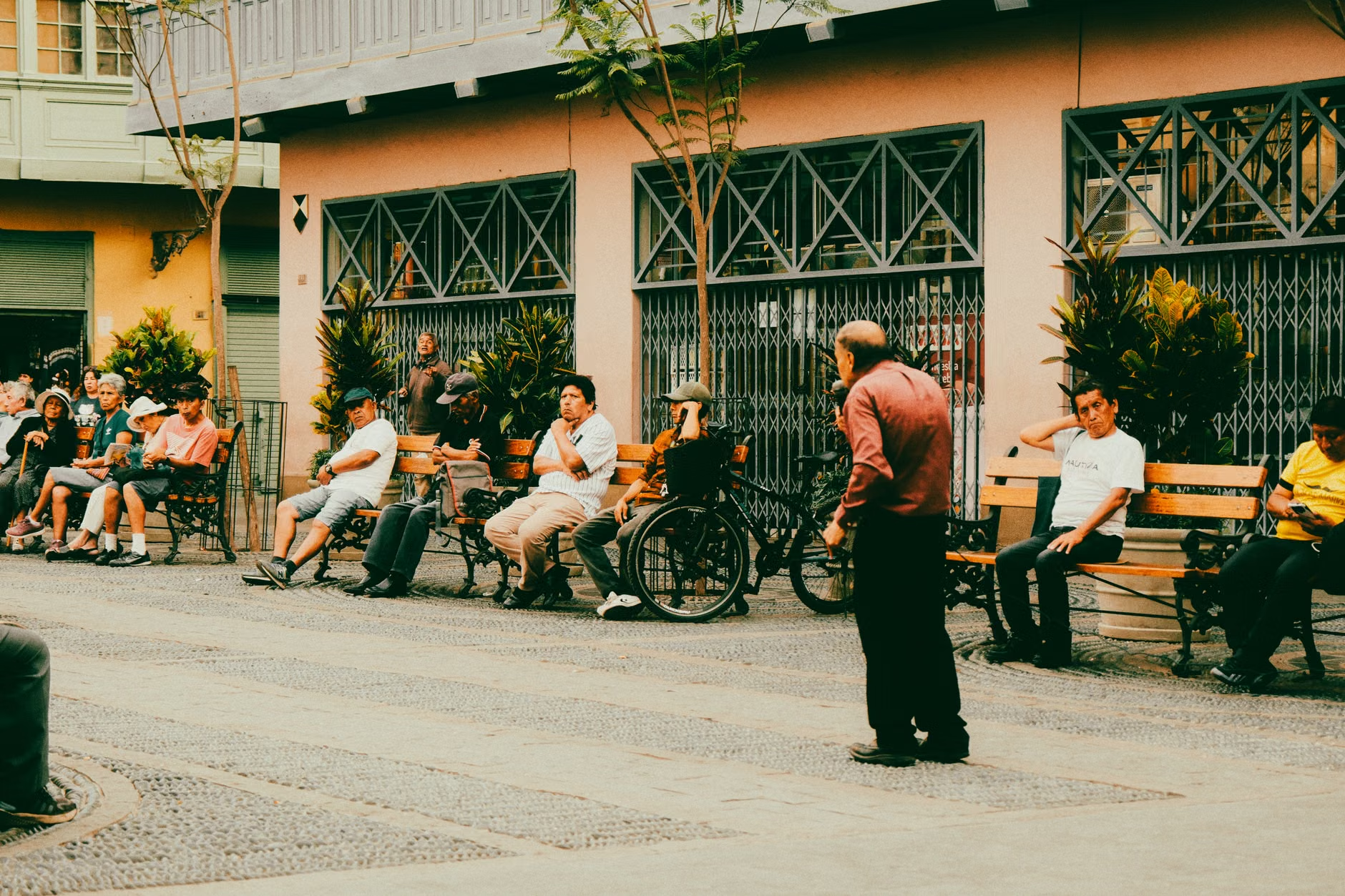
A bench that meets every ergonomic standard is useless if the path to it is uneven, muddy, or obstructed. The 2026 standards also mandate that the immediate area surrounding the bench must be level, paved, and free of trip hazards. Furthermore, there must be a designated space next to the bench for a wheelchair or a walker, ensuring that the person using the mobility aid is not separated from their companion.
How to Advocate for Better Seating in Your Community
You do not need to be an urban planner to influence the quality of your local environment. If you find that your local park or transit hub is failing to meet these new standards, you can take a proactive, structured approach to request improvements.
- Document the Issue: Take photos of the seating that is problematic. Note the lack of armrests, the excessive height or depth, or the poor placement.
- Identify the Authority: Determine who owns the space. Is it the municipal park department, a private shopping center management, or the public transit authority?
- Use the “Standard” Language: When writing to your local representative or the property manager, use the language of the 2026 standards. You might say, “The current seating at [Location] does not meet the 2026 ergonomic standards for age-inclusive design, specifically regarding the lack of armrests for support and improper seat height.”
- Suggest a Pilot Program: Suggest that the authority replaces one or two benches with models that comply with the new ISO-aligned standards to see how usage increases.
Safety Considerations and Practical Usage
While these new standards are a major step forward, it remains important to maintain situational awareness. Even a bench designed to the highest global standards can become a hazard if it is not maintained.
- Weather Conditions: In regions with extreme climates, metal benches can become dangerously hot or cold. Always check the surface temperature before sitting, or carry a small, portable seat cushion.
- Maintenance Check: Look for signs of decay, loose bolts, or wobbly legs. If you notice these, report them to the local authority immediately. A compromised bench is a significant fall risk.
- Use Your Mobility Aid: If you use a cane or walker, ensure it is positioned securely before you attempt to sit. Never rely on the bench alone to balance your body weight as you transition; use the armrests as the primary point of stability.
Conclusion: A New Era for Public Participation
The 2026 updates to global seating standards represent a fundamental shift in how public spaces are viewed. They acknowledge that age-inclusive design is not a “special accommodation” but a necessary standard for a functioning society. By understanding these requirements, you can make more informed decisions about where you go, how you pace your day, and how you can advocate for a more accessible environment in your own neighborhood. As these standards are implemented, watch for the shift in your local parks and squares—a small change in a bench’s design can lead to a significant increase in your confidence and ability to engage with the world around you.
Frequently Asked Questions
- Q: Do these 2026 standards apply to all countries?
A: While the ISO standards are international, their implementation depends on local building codes and municipal bylaws. They serve as a global benchmark, but you should check your specific country or state’s building regulations to see if they have adopted these specific updates into law. - Q: Can I request these benches for my own private garden?
A: Absolutely. While the standards were written for public spaces, the ergonomic measurements (450mm-500mm height and sturdy armrests) are excellent guidelines for choosing garden furniture for your home to ensure long-term comfort and safety. - Q: What should I do if a public space has no seating at all?
A: If you find a high-traffic area that lacks seating, it is a valid topic for your local community board or town council meeting. You can present a case based on “age-friendly city” initiatives, which many cities have officially signed on to support as part of global health mandates.
For further information on universal design and global accessibility standards, you can refer to the ISO 21542 guidelines regarding accessible and usable buildings.