- Digital philately combines traditional stamp collecting with modern technology, allowing collectors to catalog, research, and share collections globally without the physical storage constraints of traditional albums.
- Joining online philatelic communities provides significant social and cognitive benefits, helping to maintain mental acuity and combat isolation through shared expertise and collaborative research.
- Transitioning to digital methods requires understanding basic database management, verifying the authenticity of digital assets, and prioritizing data security and privacy.
The Evolution of Philately in the Digital Age
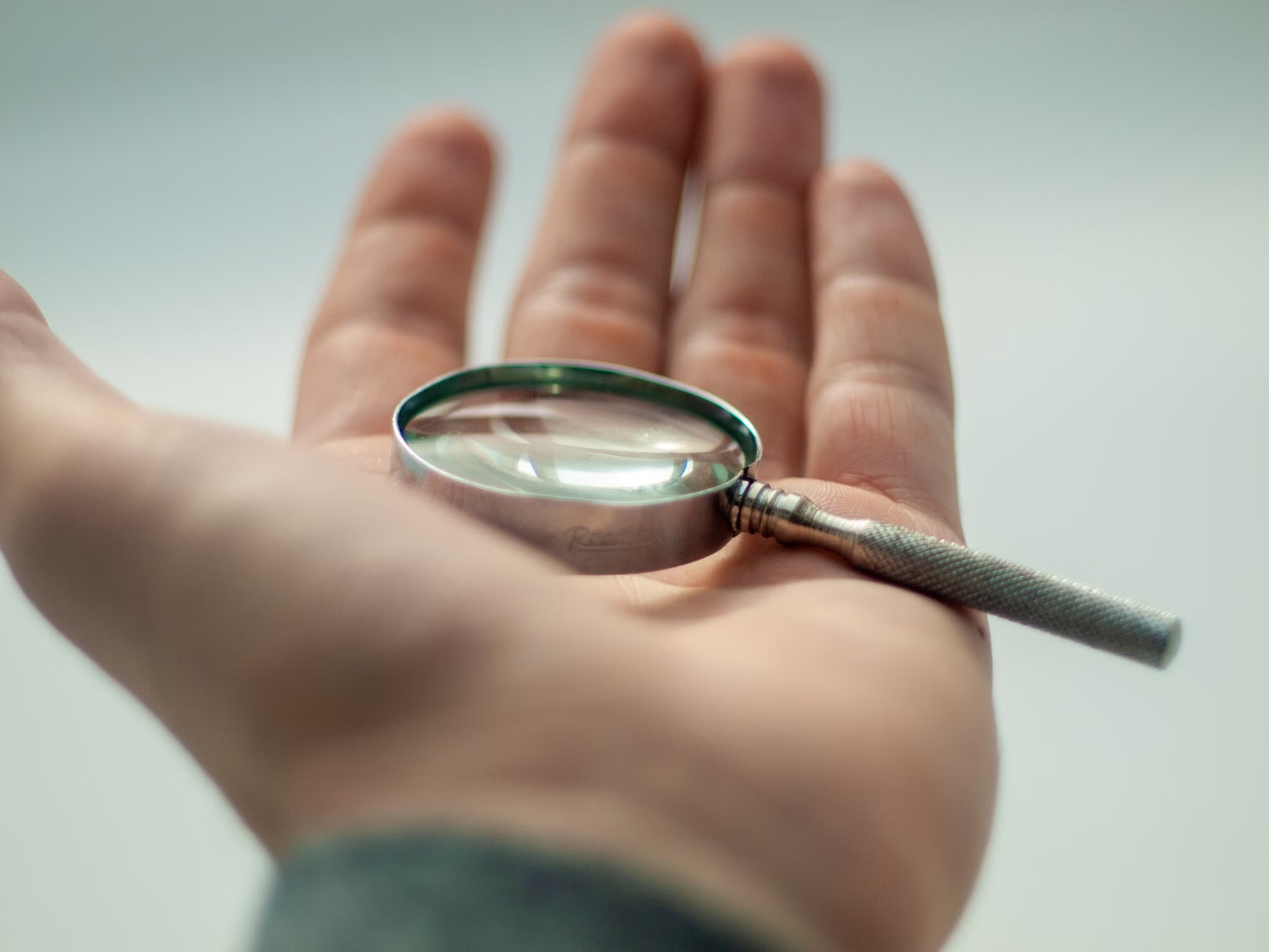
Philately, the study and collection of postage stamps, has long been a pursuit defined by physical artifacts: tweezers, magnifying glasses, watermark detectors, and heavy stockbooks. For many, this hobby is a tactile experience, connecting the collector to the history, politics, and art of distant nations and bygone eras. However, as technology integrates into every aspect of our daily lives, the world of stamp collecting has expanded into the digital realm.
Digital philately is not merely scanning an image of a stamp; it is the practice of using digital tools to catalog, analyze, and exchange knowledge about philatelic items. For the older adult, this offers a unique intersection of lifelong learning, social connection, and organizational engagement. It removes the physical burden of managing large, fragile collections while opening the door to a global network of peers.
Why Digital Philately Matters for Cognitive and Social Wellbeing
Engaging in a structured hobby like digital philately requires sustained attention, detailed observation, and the ability to synthesize information—all of which are excellent exercises for maintaining cognitive health. When we categorize stamps by issue date, printer, or thematic subject, we are performing executive function tasks that keep the brain active.
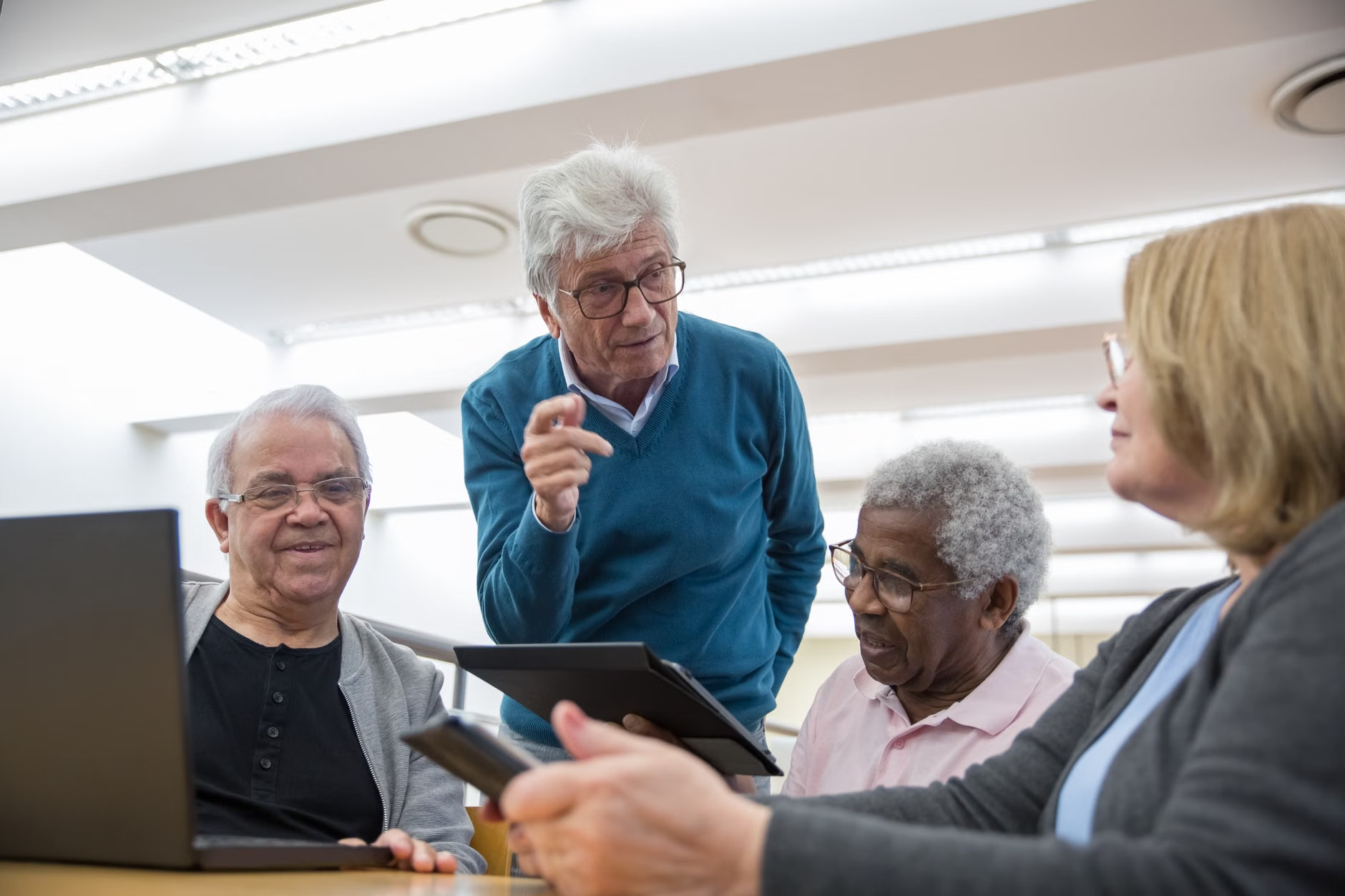
Beyond the individual benefits, the “community” aspect of digital philately is a powerful tool for social health. Loneliness is a significant public health concern for adults over 60. By participating in online forums, virtual clubs, or digital exhibition spaces, collectors can share their findings, seek advice on identification, and discuss the historical context of their items with people from different cultures and backgrounds.
In a traditional local stamp club, you are limited by geography. Digital communities, such as those hosted on platforms like the American Philatelic Society’s digital portals or international specialized forums, allow you to interact with experts in specific niches—such as 19th-century British Empire stamps or thematic collections regarding space exploration—regardless of where they live. This peer-to-peer exchange fosters a sense of belonging and purpose.
Getting Started: A Practical Framework
Transitioning from a physical-only collection to a digital-supported or entirely digital collection involves several practical steps. You do not need to be a software engineer; you simply need a structured approach to managing your data.
Step-by-Step Implementation
| Stage | Action | Tool/Resource |
|---|---|---|
| Preparation | Assess your current collection and identify themes. | Notebook or simple spreadsheet. |
| Digitization | Use a flatbed scanner to create high-resolution images (600 DPI recommended). | Standard home scanner or smartphone app. |
| Cataloging | Input data into a digital cataloging software or cloud-based database. | Excel, Google Sheets, or dedicated philatelic software. |
| Community | Join a moderated online forum or social group. | Philatelic Society websites or specialized Facebook groups. |
Choosing the Right Tools for Your Needs
When selecting your digital tools, consider your technical comfort level and your specific goals. If your goal is simply to create an inventory for insurance purposes, a basic spreadsheet is sufficient. If you wish to interact with global researchers, you should look for platforms that support high-resolution image uploads and metadata tagging (such as assigning keywords to your stamps).
Common Mistake: Many beginners attempt to use complex, enterprise-level database software that is unnecessarily difficult to learn. Start with simple, user-friendly tools that you can easily back up to a cloud service (like Google Drive or OneDrive) to ensure your data is safe if your computer experiences a technical failure.
Addressing Technical and Security Concerns
For many older adults, the primary barrier to digital hobbies is the fear of technical failure or online security risks. It is important to approach digital philately with a “safety-first” mindset.
Protecting Your Digital Assets
Digital collections are valuable, both personally and sometimes monetarily. Ensure that your digital catalog is backed up in at least two places: one on your local device (computer or tablet) and one in the cloud. This prevents the loss of your hard work due to hardware failure.
When joining online communities, follow these safety protocols:
- Verify the platform: Use established, reputable organizations (e.g., national philatelic societies) rather than unverified social media groups where scams are more common.
- Privacy: Never share personal financial information, your home address, or phone numbers in public forum discussions.
- Critical Thinking: Be skeptical of unsolicited “valuation” services or people offering to buy your collection sight-unseen. Always consult multiple sources for appraisals.
The Intersection of History and Technology
Digital philately is more than just a list of items; it is a way to preserve history. Stamps are often referred to as “the calling cards of history.” They tell stories of revolutions, scientific breakthroughs, and cultural shifts. By digitizing your collection, you are creating a searchable, shareable archive that can be passed down to younger generations or donated to museums and educational institutions.
Consider the scenario of a collector who specializes in stamps issued during the Cold War. By digitizing these items and adding context (the historical significance of the event depicted), the collector transforms a private hobby into a valuable educational resource. This adds a layer of intellectual satisfaction that is often missing from purely passive leisure activities.
Deep Dive: Managing Large Collections Digitally
For those with extensive physical collections, the prospect of digitizing everything can feel overwhelming. It is important to break this down into manageable tasks. You do not need to complete your digital catalog in a week or even a month. Focus on one small section of your collection at a time—perhaps by country or by decade. This incremental progress allows you to learn the software while seeing tangible results.
Insight: Many collectors find that the process of digitizing forces them to re-evaluate their collection. You may find stamps you forgot you had, or you may discover that some items are duplicates that could be traded or gifted. This “curatorial” aspect of the hobby is often just as rewarding as the original collecting phase.
Comparison of Digital vs. Traditional Methods
While traditional philately offers the tactile pleasure of handling stamps, it comes with limitations regarding space, environmental degradation, and restricted access. Digital philately offers accessibility and preservation but requires an investment in learning new software.
For the older adult, the “hybrid” model is often the most suitable. This involves keeping your physical collection in a safe, climate-controlled environment while maintaining a comprehensive digital catalog for research, display, and social sharing. This approach respects the history of the physical object while embracing the connectivity of the modern world.
Conclusion: A Path Forward
Digital philately is a bridge between the past and the future. It allows the older adult to maintain a connection to a traditional, contemplative hobby while leveraging the vast possibilities of the internet. By starting small, focusing on security, and engaging with reputable communities, you can turn your collection into a source of ongoing intellectual stimulation and social fulfillment.
Your next step should be to choose one small, manageable section of your collection and start a basic digital inventory. Whether you use a simple spreadsheet or a specialized app, the act of organizing your collection digitally is the first step toward a more connected and active hobby experience.
For further resources on getting started, you may visit the American Philatelic Society (stamps.org) or the Royal Philatelic Society London (rpsl.org.uk), both of which provide extensive guidance on best practices for collectors in the digital age.
Frequently Asked Questions (FAQ)
1. Do I need expensive software to start digital philately?
No. You can start with free, widely available tools like Microsoft Excel, Google Sheets, or free photo-management software. As your collection and technical confidence grow, you can explore specialized philatelic database software if you find it necessary.
While sharing images is generally safe, avoid posting high-resolution images that show specific security features or unique identifiers if you are concerned about counterfeiting. Always watermark your images with your name or a digital signature before posting them on public forums to prevent unauthorized use.
3. How do I know if an online philatelic group is legitimate?
Look for groups affiliated with national or international philatelic societies. Legitimate groups usually have clear rules of conduct, active moderators, and a history of established membership. Avoid any group that pressures you to buy, sell, or reveal personal financial details immediately upon joining.