- Foundation of Stability: Toe-flexion exercises target the intrinsic muscles of the feet, which are essential for maintaining balance and preventing trips during daily activities.
- Low-Impact Accessibility: Seated exercises allow individuals with limited mobility or joint discomfort to safely improve foot dexterity without placing weight-bearing stress on the ankles or knees.
- Consistency Over Intensity: Small, daily sessions of controlled movement are more effective for long-term foot health than occasional, strenuous workouts.
Seated Toe-Flexions: A Practical Guide to Improving Foot Dexterity and Stability
The health of your feet is the silent engine behind your independence. As we age, the intrinsic muscles within our feet—the small muscles that control toe movement and arch support—can weaken, leading to a loss of dexterity and a compromised gait. Seated toe-flexions are a foundational, low-impact exercise designed to reconnect your brain to these muscles, improving your ability to navigate uneven surfaces and maintain steady balance. This guide provides a comprehensive look at why these movements matter and how to integrate them into your daily routine safely.
Understanding the Mechanics of Foot Dexterity
To understand why we perform toe-flexions, we must first look at the anatomy of the foot. The human foot contains 26 bones and dozens of muscles, tendons, and ligaments that work in harmony to absorb shock and propel us forward. In younger years, these structures are naturally engaged through varied walking surfaces. However, as we age, the cumulative effect of wearing supportive, rigid footwear and walking primarily on flat, man-made surfaces can cause these intrinsic muscles to atrophy, or “go to sleep.”
When these muscles weaken, the toes lose their ability to “grip” the ground. This is not merely an aesthetic issue; it is a mechanical one. Your toes act as stabilizers. When you take a step, your toes should spread slightly to increase your base of support, then curl gently to provide traction. If this process is inhibited, you are more likely to rely on your ankles and knees for stability, which increases the risk of fatigue and joint pain.
What it looks like in real life: Imagine walking on a gravel path or stepping onto a slightly uneven sidewalk. A foot with good dexterity will naturally adjust to the terrain. A foot with poor dexterity remains rigid, which forces the rest of your leg to compensate, potentially leading to a stumble or a feeling of instability.
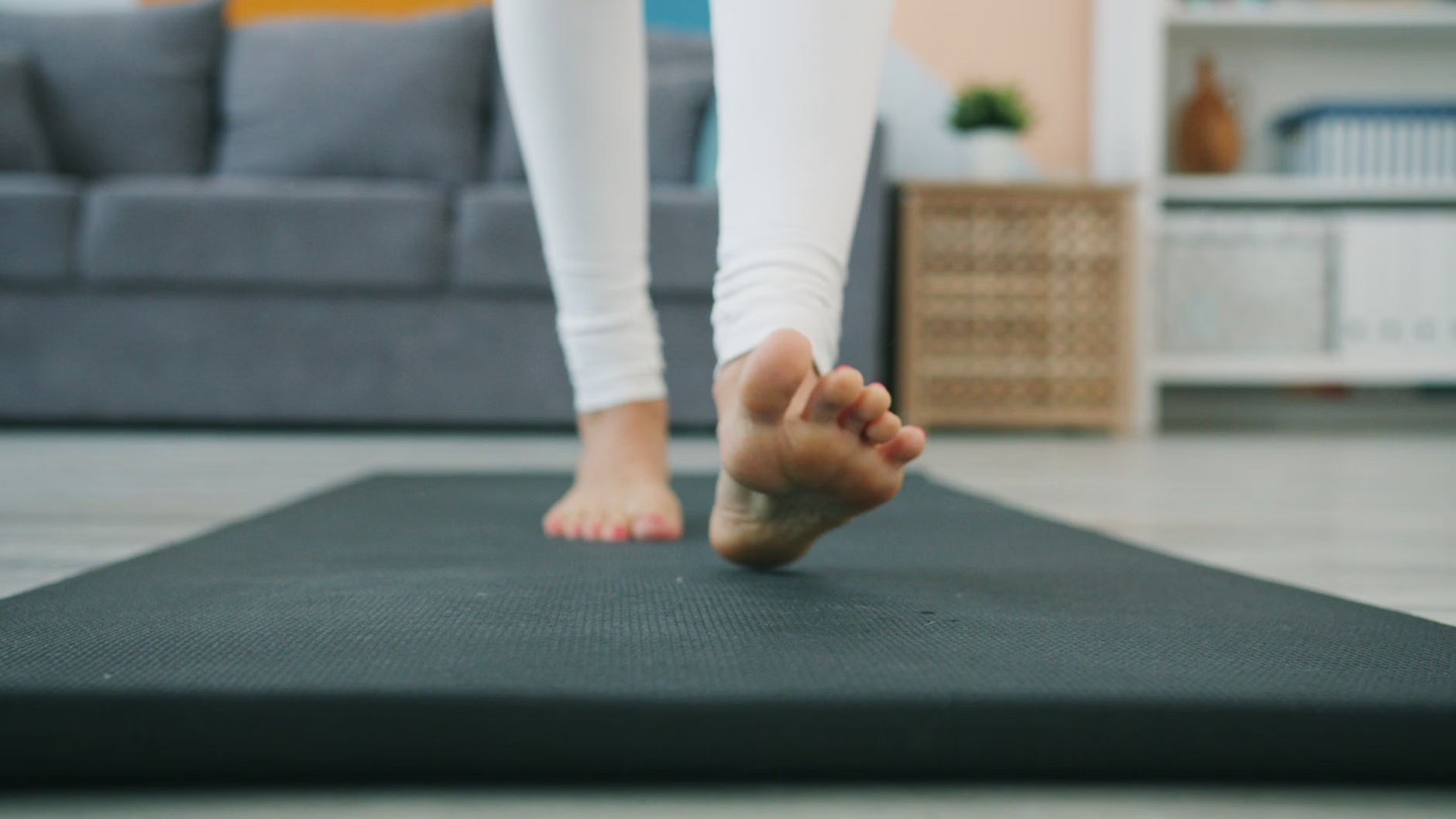
The Benefits of Seated Toe-Flexion Exercises
Seated exercises are highly recommended for older adults because they eliminate the risk of falling while performing the movement. By sitting in a stable chair, you remove the requirement for balance, allowing you to focus entirely on the quality of the muscle contraction.
1. Improved Proprioception
Proprioception is your body’s ability to sense its position in space. By consciously moving your toes, you send signals to your brain, strengthening the neurological pathways that control your lower extremities. This heightened awareness helps you navigate your environment with greater confidence.
2. Reduction in Foot Cramps
Many older adults suffer from nighttime foot cramps. These are often caused by muscle fatigue or stiffness in the plantar fascia—the thick band of tissue connecting your heel to your toes. Gentle, controlled flexion and extension can improve blood flow to these tissues, reducing the likelihood of cramping.
3. Enhanced Gait Efficiency
When your toes are flexible, your push-off phase during walking becomes smoother. This reduces the energy cost of walking, allowing you to walk further with less fatigue. It also helps in maintaining a more natural, fluid stride.
Step-by-Step Guide: How to Perform Toe-Flexions
Before beginning, ensure you are in a sturdy chair with your feet flat on the floor. Wear comfortable socks or perform the exercises barefoot if the floor surface is non-slip.
| Step | Action | Focus Area |
|---|---|---|
| 1. Alignment | Sit tall, feet hip-width apart. | Posture and core stability. |
| 2. The Curl | Slowly curl your toes downward, as if trying to grab the floor. | Intrinsic flexor muscles. |
| 3. The Extension | Slowly lift and spread your toes as wide as possible. | Extensor muscles. |
| 4. The Repetition | Perform 10 cycles slowly, focusing on each toe. | Neuromuscular control. |
Common Mistake: Rushing the movement. Many people try to “crunch” their toes quickly. The benefit comes from the slow, controlled tension. If you feel a cramp, stop immediately, relax your foot, and gently massage the arch before trying again at a lower intensity.
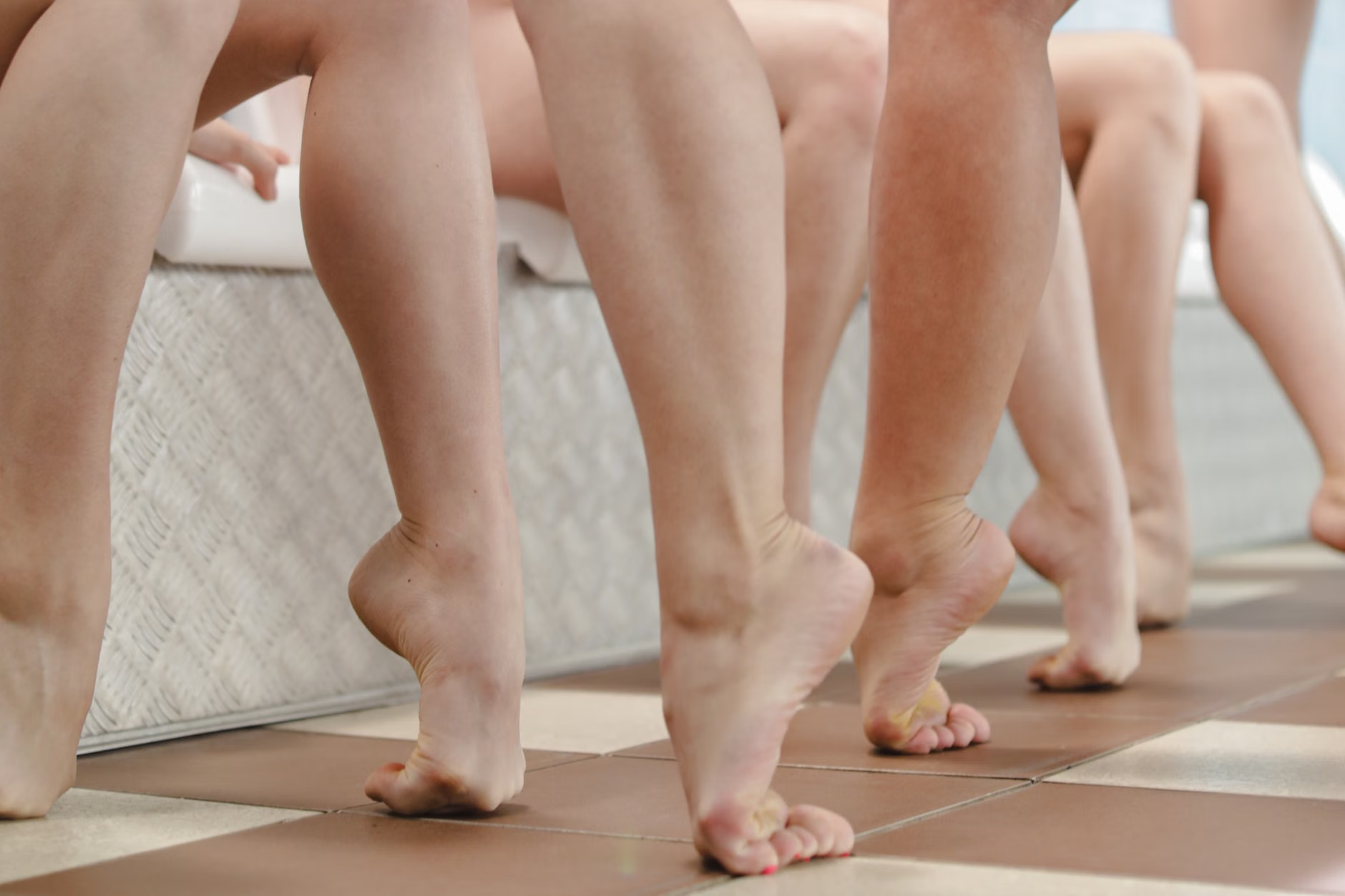
Progression: Using External Aids
Once you are comfortable with basic toe-flexions, you can introduce simple tools to increase the resistance. A common technique is the “towel scrunches” exercise.
The Towel Scrunches Exercise:
- Place a thin, small hand towel on a smooth floor surface in front of your chair.
- Place your feet on the edge of the towel.
- Using only your toes, pull the towel toward you by scrunching it.
- Repeat this until the entire towel is under your feet.
- Push the towel away using only your toes.
This exercise adds a functional element to the movement. It requires more coordination than the basic flexion and mimics the action of picking up items, which strengthens the arches significantly. If you find this difficult, start with a lighter, silkier fabric, and progress to a heavier cotton towel as your strength improves.
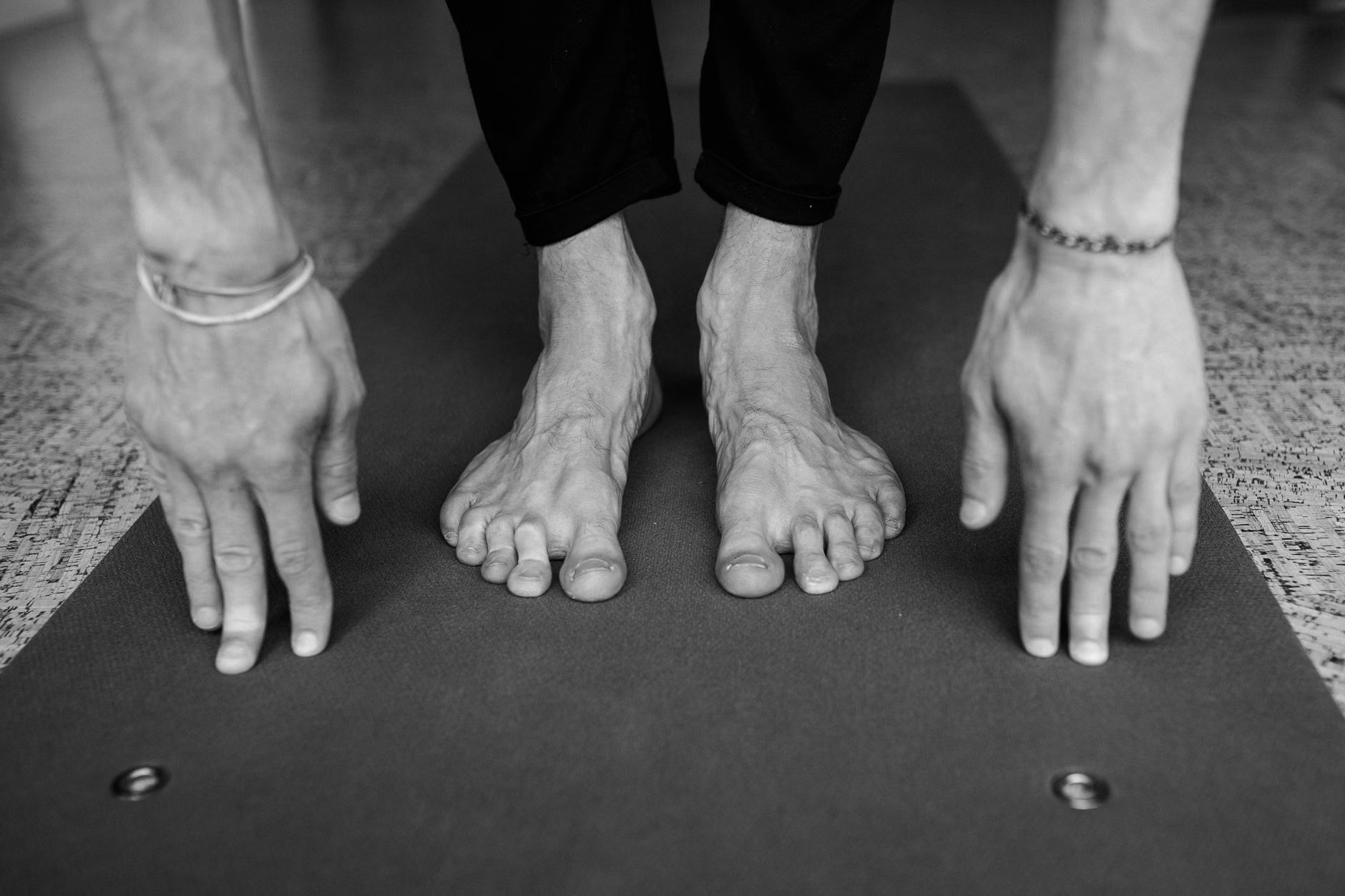
When to Seek Professional Guidance
While these exercises are generally safe, there are conditions where you should consult a podiatrist or a physical therapist before starting. If you have been diagnosed with peripheral neuropathy (numbness in the feet), it is vital to know that you may not feel the signals your body is sending. In this case, visual monitoring is essential.
Additionally, if you have a history of foot surgery, severe bunions, or hammer toes, certain ranges of motion might be restricted or painful. Do not push through sharp, shooting pain. If you experience persistent swelling after exercise, this may indicate that you are overworking the tissues. Always keep a log of your exercises and any symptoms you notice to share with your healthcare provider during your next check-up. Bringing this log to your appointment provides your doctor with valuable, objective data regarding your physical activity level and any potential areas of concern.
Insights for Long-Term Foot Health
An often overlooked variable in foot health is the transition between different types of footwear. We often wear highly supportive shoes for walking outdoors and then switch to thin, unsupportive slippers at home. This constant oscillation can be jarring for the foot muscles. Consider wearing a pair of indoor shoes that provide a moderate level of arch support rather than completely flat, thin slippers.
Furthermore, foot health is deeply tied to hydration and circulation. The small muscles in the feet are the first to suffer when systemic circulation is poor. Ensure you are maintaining a balanced diet and staying hydrated, as these factors support tissue elasticity. Remember, your feet are the base of your mobility; treating them with consistent, gentle care is an investment in your long-term autonomy.
Conclusion
Improving foot dexterity through seated toe-flexions is a simple, effective, and accessible way to support your overall stability and mobility. By dedicating just a few minutes each day to these movements, you are actively maintaining the connection between your brain and your lower extremities. Start slowly, be consistent, and listen to your body. Your commitment to these small, intentional movements today will pay dividends in your ability to move freely and safely tomorrow.
Frequently Asked Questions (FAQ)
1. How often should I perform these toe-flexion exercises?
For best results, aim for once daily. Consistency is more important than duration. Performing 5 to 10 minutes of controlled movement every day is significantly more effective than doing a long, intense session once a week.
2. Can I do these exercises if I have arthritis in my toes?
If you have arthritis, you should move within a pain-free range. Never force the toes into a position that causes sharp pain. Gentle, rhythmic movement can often help lubricate arthritic joints, but it is best to consult your doctor or a physical therapist to ensure the specific exercises are suitable for your level of inflammation.
3. Are there any warning signs I should look out for?
Stop the exercise if you experience sharp, shooting pain, sudden swelling, or if you lose sensation in your toes. If you have diabetes or peripheral artery disease, consult your primary care physician before beginning any new foot exercise routine to ensure it aligns with your overall vascular and nerve health management.
Official guidance on physical activity for older adults can be found through the U.S. Department of Health and Human Services Physical Activity Guidelines, which emphasize the importance of balance and functional movement for maintaining independence.