- Verify Physical Infrastructure: Always check the venue’s official accessibility page for details on path gradients, surface materials (gravel vs. paved), and the availability of loaner wheelchairs.
- Strategic Pacing: Historic conservatories often have high humidity and temperature fluctuations; plan for 45-minute “micro-breaks” to prevent fatigue and manage blood pressure.
- Digital Pre-Planning: Utilize virtual tours and floor plans available on museum websites to identify the most level routes and the locations of accessible restrooms before you arrive.
Historic conservatories—often referred to as glasshouses or botanical museums—offer a unique blend of architectural history and horticultural science. For travelers aged 60 to 80, these sites provide a peaceful, climate-controlled environment that is often more manageable than sprawling outdoor landscapes. However, the age of these structures can present specific accessibility challenges, such as narrow doorways, uneven historic flooring, or complex ticketing systems. This guide provides a framework for selecting and navigating these sites to ensure a safe and enjoyable experience.
Evaluating the Physical Accessibility of Historic Sites
The primary challenge with historic conservatories is that many were built in the 19th or early 20th century, long before modern accessibility standards were established. When selecting a destination, you must look beyond the aesthetic appeal and focus on the “logistics of movement.”
Surface Materials and Terrain
In older conservatories, original flooring is often composed of mosaic tiles, uneven stone, or even loose gravel. These surfaces can be hazardous for those with balance concerns or mobility aids. A rule of thumb: If a conservatory website does not explicitly mention “wheelchair-accessible paths” or “paved walkways,” assume the terrain will be challenging and contact the site’s visitor services directly.
The “Gradient Rule” for Historic Ramps
Many historic sites have retrofitted ramps. However, some older ramps may be steeper than current international standards (which typically mandate a 1:12 gradient). If you use a mobility aid or have limited stamina, ask specifically if the ramped areas are “ADA compliant” (in the U.S.) or meet the equivalent local building code for accessibility. If the site is a heritage-protected building, they may have exemptions, which often means steeper or narrower access points.
Checklist for Pre-Visit Research
| Feature | What to Confirm | Why It Matters |
|---|---|---|
| Entryway | Is there a step-free entrance? | Prevents reliance on staff for lifting aids. |
| Pathways | Are they paved/flat? | Reduces trip hazards and eases walker/chair use. |
| Loaner Equipment | Are wheelchairs available? | Provides a “safety net” if you tire unexpectedly. |
| Restrooms | Are they inside the conservatory? | Avoids long walks back to the main visitor center. |
Managing Stamina in Climate-Controlled Environments
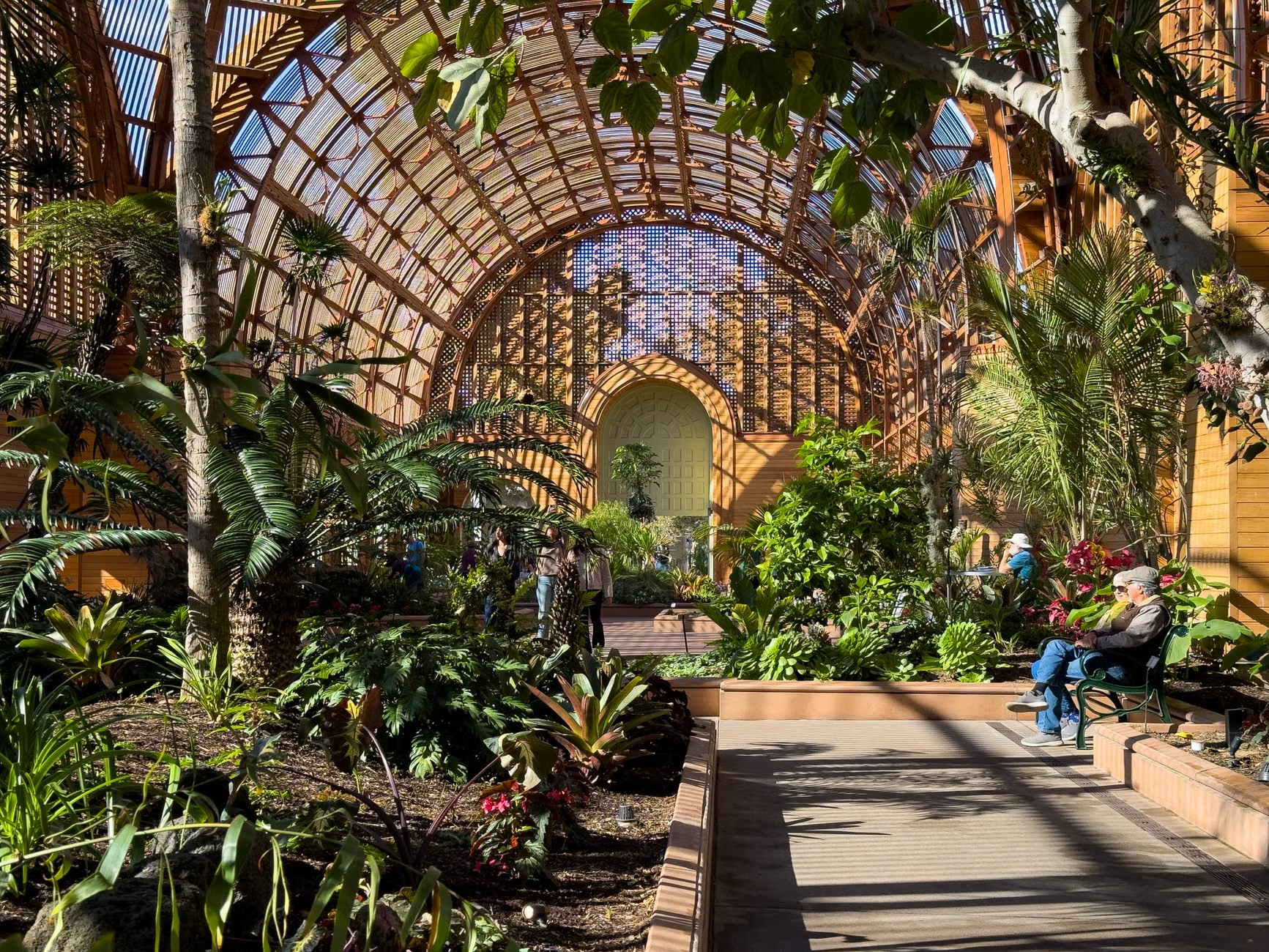
Conservatories are designed to mimic specific biomes, which means they are intentionally kept at higher temperatures and humidity levels than the surrounding environment. This sudden change in climate can affect blood pressure and respiratory comfort for older adults.
The Humidity Factor
Tropical houses in conservatories often maintain humidity levels above 70%. If you have any underlying respiratory conditions, it is vital to check if the conservatory offers an “acclimatization zone”—a transitional area where you can sit and adjust to the change in air quality before entering the main display. If the facility is small, consider visiting the tropical section last, so you can exit directly into the fresh air when finished.
Pacing and “Micro-Breaks”
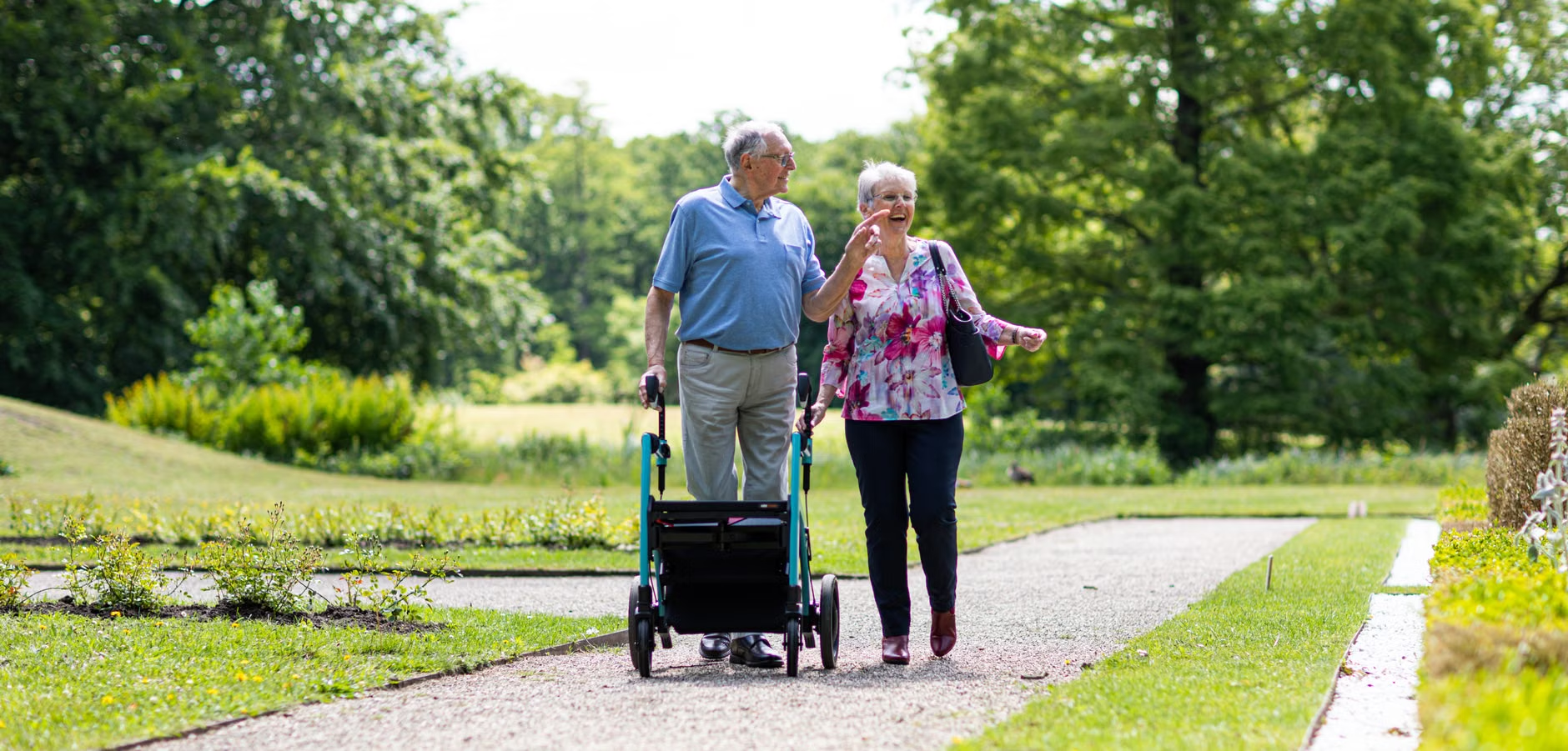
Do not attempt to traverse the entire conservatory in one go. A practical strategy is the “Three-Zone Method.” Divide the conservatory into three distinct areas based on the map. Spend 20 minutes in the first, then locate a bench for a 10-minute rest. By breaking the visit into segments, you maintain your energy levels and avoid the “post-tour crash” that occurs when one overexerts early in the day.
Transport and Arrival Logistics
Getting to the entrance of a historic conservatory is often the most physically taxing part of the trip. Many older botanical gardens are located in large parks with significant distances between the parking lot, the public transit stop, and the conservatory doors.
The Parking Paradox
Historic sites often have limited parking. Even if a site claims to have “accessible parking,” it may be located at the top of a hill or across a gravel lot. Before you depart, use satellite view tools (like Google Maps) to trace the path from the designated accessible parking spaces to the entrance. If the walk looks daunting, call the venue to ask if they offer a shuttle service or a drop-off point directly at the entrance.
Public Transport Considerations
If you are relying on public transport, check the “last mile” connectivity. In many European and North American cities, the nearest bus stop to a historic garden may be 500 meters or more away. If the walk is uphill or on uneven sidewalks, it may be more practical to use a taxi or ride-share service that can drop you off at the main gate.
Choosing the Right Time for Your Visit
The time of day you choose to visit significantly impacts your safety and comfort. For seniors, the “Golden Hour” for visiting popular sites is mid-morning on a weekday.
Avoiding the Rush
Weekend afternoons are typically crowded. Navigating a space when it is packed with families and tourists increases the risk of accidental collisions, which can be dangerous for those with mobility issues. By visiting on a Tuesday or Wednesday morning, you gain two advantages: more space to move safely and better access to staff who can assist with any accessibility needs.
Temperature Management
On hot summer days, glass-enclosed conservatories can become dangerously warm. If you are traveling during peak summer months, prioritize visits during the early morning hours when the internal temperature is lower. Many botanical institutions offer “early access” hours for members or seniors—inquire about these programs to avoid the afternoon heat.
Essential Gear for Conservatory Tours
Preparation is the key to comfort. Because these environments are specialized, you should carry a “conservatory kit” that helps you manage the specific conditions of these sites.
- Layered Clothing: Even if it is cold outside, the conservatory will be warm. Wear a light base layer that you can easily remove if the humidity levels make you uncomfortable.
- Hydration and Nutrition: Historic sites often have limited food service, and what is available may be overpriced or crowded. Carry a small bottle of water and a light, non-perishable snack to maintain your blood sugar levels.
- Footwear: Wear shoes with high-traction soles. Glass floors, damp stone, and metal gratings can become slippery, especially if there is condensation or misting systems in operation.
Hidden Variables and Unexpected Trade-offs
When selecting a tour, consider the “hidden” aspects of the experience. Some historic conservatories offer guided tours that involve standing for long periods. If you struggle with standing, look for “seated tours” or check if the guide uses a portable microphone system so you can follow the tour while sitting on a nearby bench.
Another overlooked variable is the lighting. Historic glasshouses often have high-contrast lighting—bright sunlight filtering through glass contrasted with dark, shaded corners. For those with vision changes, this can make depth perception difficult. If you have concerns about your vision, choose to visit on an overcast day, which provides more diffuse, even lighting throughout the space.
The Importance of Professional Guidance
Do not hesitate to reach out to the museum’s accessibility coordinator. Most major botanical gardens and conservatories have a dedicated staff member responsible for ensuring the site is welcoming to all ages. Their role is to provide you with the most accurate information regarding current construction, path closures, or temporary accessibility restrictions that may not be updated on the website.
When you contact them, be specific about your needs. Instead of asking “Is it accessible?”, try: “I use a walker and need a route that avoids stairs and steep inclines. Can you recommend the best entrance to use?” This allows them to provide a tailored response that will save you significant energy and frustration upon arrival.
Finalizing Your Travel Strategy
Traveling as a senior requires a shift from “seeing everything” to “experiencing with comfort.” When planning your trip to a historic conservatory, choose one that offers a balance of history and modern convenience. Prioritize sites that have clear, published accessibility guides. If a site’s information is vague, treat that as a red flag and look for an alternative that is more transparent about its facilities.
Remember that the goal is not to endure the visit but to enjoy it. By pacing yourself, choosing the right time of day, and verifying the physical layout in advance, you can fully appreciate the architectural beauty and botanical wonders of these historic treasures without compromising your health or safety.
Frequently Asked Questions (FAQ)
1. Are all historic conservatories equipped with elevators?
No. Many historic conservatories were built with multi-level layouts that predate the invention of elevators. If a facility has multiple levels, always confirm the existence of a working lift or a ramped alternative before planning your visit. If there is no lift, the upper levels may be inaccessible, and you should adjust your expectations accordingly.
2. Can I bring my own folding stool to the conservatory?
Most institutions allow lightweight, portable folding stools, but it is best to check the “Visitor Guidelines” section of their website. Some sites prohibit them due to space constraints or potential for blocking walkways. If you require a seat, check if the venue offers “loaner stools”—many modern botanical gardens have these available at the entrance for guests to carry with them.
3. How do I know if the “accessible path” is actually suitable for my mobility aid?
The term “accessible” can be subjective. Look for images on the website or social media pages that show the path surface. If the images only show grass or gravel, it is likely not suitable for a walker or a wheelchair. If in doubt, call the front desk and ask specifically: “Is the path paved with smooth concrete or asphalt, or is it gravel/stone?” This simple question can save you from an exhausting and potentially unsafe experience.
For further information on universal design and travel accessibility, you may consult resources provided by organizations like the Disabled Travelers or your local government’s disability advocacy office, which often provides guides for navigating public historic spaces.