- Layering is essential: Mountain climates change rapidly; prioritize moisture-wicking base layers and a windproof outer shell to manage body temperature.
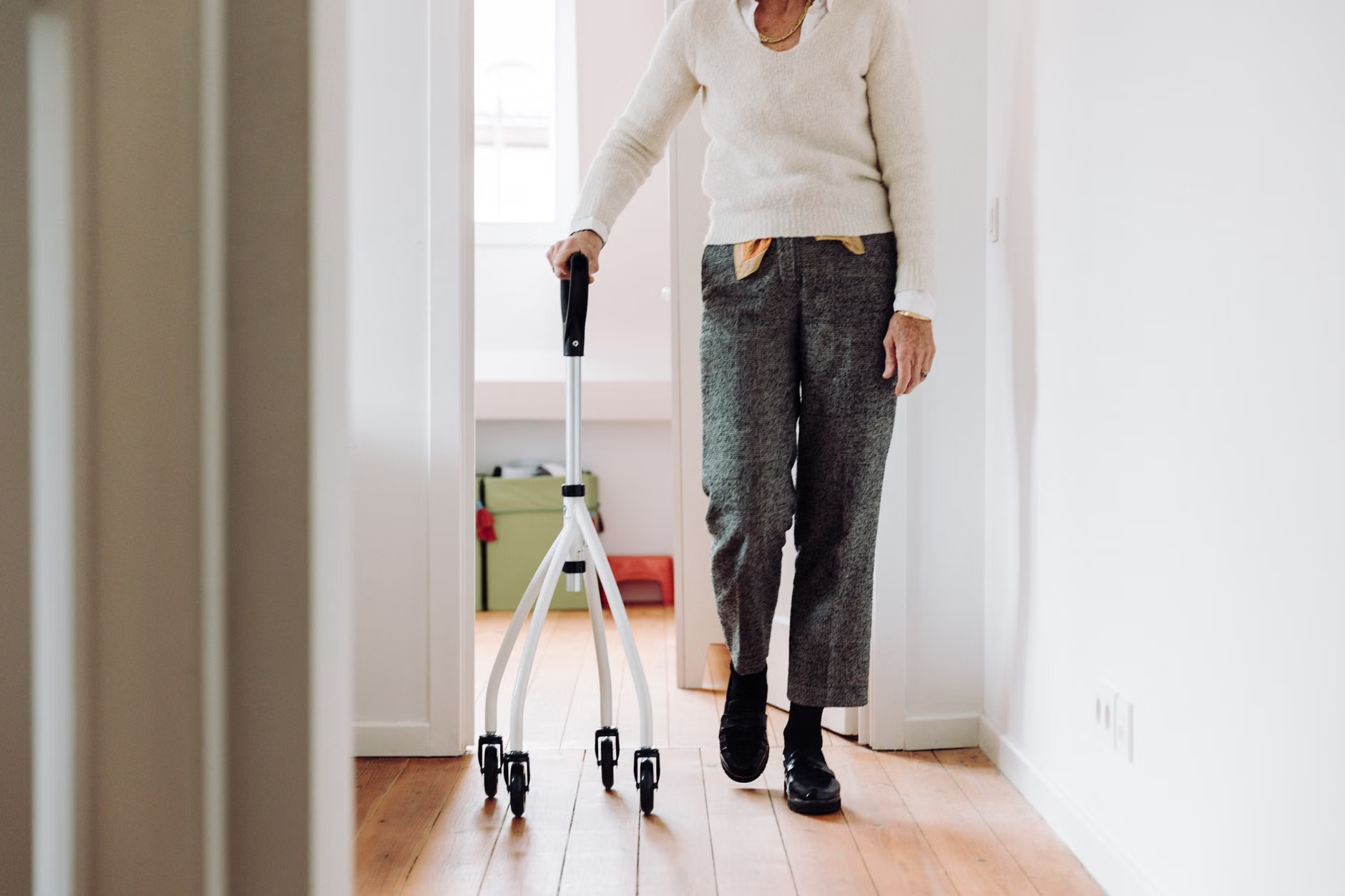
- Prioritize mobility aids: If you use a cane or walker, choose foldable, lightweight models that allow you to navigate narrow train aisles and varying platform heights with ease.
- Document your health: Always carry a digital and physical summary of your medications and emergency contacts, specifically formatted for international travel.
Heritage mountain-train journeys offer unparalleled access to breathtaking landscapes, but they require a different approach to preparation compared to standard travel. For travelers aged 60 to 80, success lies in the balance between mobility, stamina, and climate management. This guide provides a detailed framework for packing and planning to ensure your journey is safe, comfortable, and memorable.
Understanding the Unique Demands of Heritage Rail
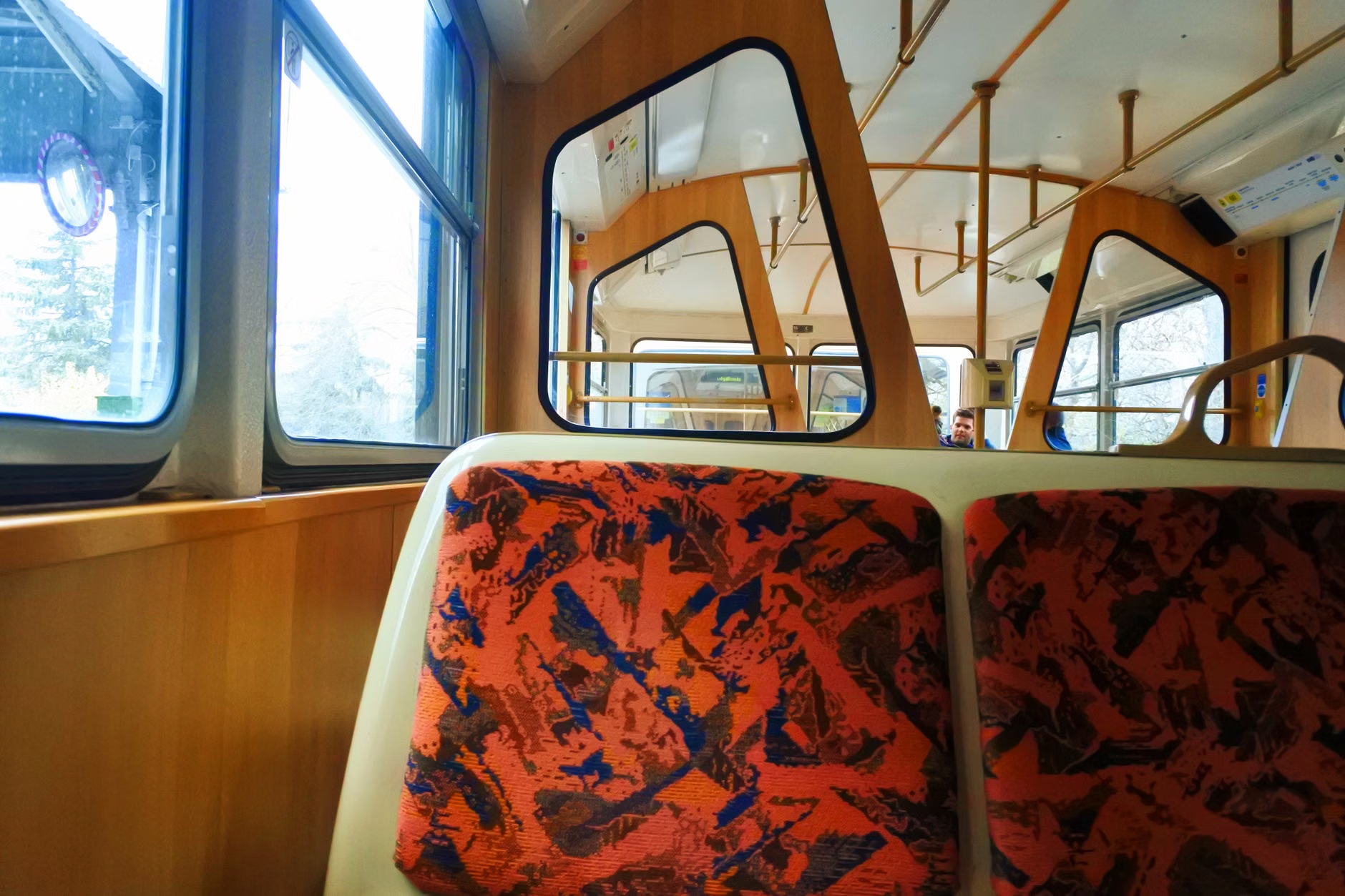
Heritage railways, often characterized by vintage carriages and steep mountain gradients, present specific physical challenges that modern high-speed trains do not. These trains were frequently designed decades or even a century ago, meaning they may feature narrower aisles, steeper steps at boarding, and less standardized bathroom accessibility.
The “Stamina-to-Sightseeing” Ratio: Many older travelers make the mistake of over-scheduling. Heritage lines often involve slower speeds and longer transit times. If a train journey takes four hours, you must account for the physical toll of sitting, the potential lack of ergonomic support in vintage seating, and the altitude changes. We recommend a “One-to-One” rule: for every hour of active sightseeing or train travel, allocate one hour of rest at your destination or back at your accommodation.
Assessing Accessibility Infrastructure
Before booking, it is critical to distinguish between “scenic” and “accessible.” Not all heritage lines provide level boarding. Check the operator’s official website for “Accessibility” or “Assistance” pages. Look for mentions of ramp availability, wheelchair-accessible carriages, and whether the station platforms are level with the train floor. If you have limited mobility, reach out to the operator’s customer service via email at least 14 days before departure to request boarding assistance.
Strategic Packing: The “Accessible-First” Approach
When packing for a mountain rail journey, the goal is to minimize weight while maximizing utility. Your luggage should be segmented into three categories: The “On-Board” Carry-on, the “Station-Transfer” Bag, and the “Accommodation” Luggage.
| Category | Essential Items | Why it Matters |
|---|---|---|
| On-Board Carry-on | Medication, water, light snack, reading glasses, noise-canceling earplugs. | Vintage trains are often loud and lack on-board service; self-reliance is key. |
| Station-Transfer | Foldable cane, compression socks, lightweight jacket. | Ensures mobility during transfers and manages blood circulation during long sits. |
| Accommodation | Sturdy walking shoes, power adapters, extra layers. | Mountain weather is unpredictable; be prepared for rapid temperature drops. |
The “Weight-to-Stability” Rule: If you are traveling solo or with a partner, aim for luggage with four-wheel spinner technology. This allows you to push or pull the bag alongside you rather than dragging it behind, which puts unnecessary strain on the lower back and shoulders. If you are prone to balance issues, a four-wheel bag acts as a stable support pivot while waiting on crowded platforms.
Managing Physical Comfort and Altitude
Mountain travel involves significant changes in air pressure and oxygen levels. For travelers aged 60-80, this can lead to fatigue, lightheadedness, or joint stiffness.
Layering for Micro-Climates
Mountain air is notoriously fickle. A sunny station platform can lead to a freezing cold mountain pass within 30 minutes. Use a three-layer system:
- Base Layer: Moisture-wicking synthetic or merino wool (avoids cotton, which stays damp and cold).
- Mid Layer: A fleece or insulated gilet that is easy to remove without taking off your coat.
- Outer Shell: A windproof and water-resistant jacket. Wind chill is the primary cause of discomfort on open-air mountain train platforms.
Hydration and Nutrition
Dehydration is often mistaken for fatigue. At higher altitudes, the body loses moisture faster. Carry a collapsible, BPA-free water bottle. Avoid excessive caffeine before a long train ride, as it acts as a diuretic and may limit your comfort if the train’s onboard restroom is difficult to access or currently out of order.
Preparation is the best form of prevention. Before you leave, create a “Travel Health Passport.” This should not be a complex medical file, but a simple, readable document that includes:
- A list of all current medications, including dosage and frequency.
- Your blood type and any known allergies.
- Contact information for your primary care physician back home.
- An emergency contact number for a family member or caregiver.
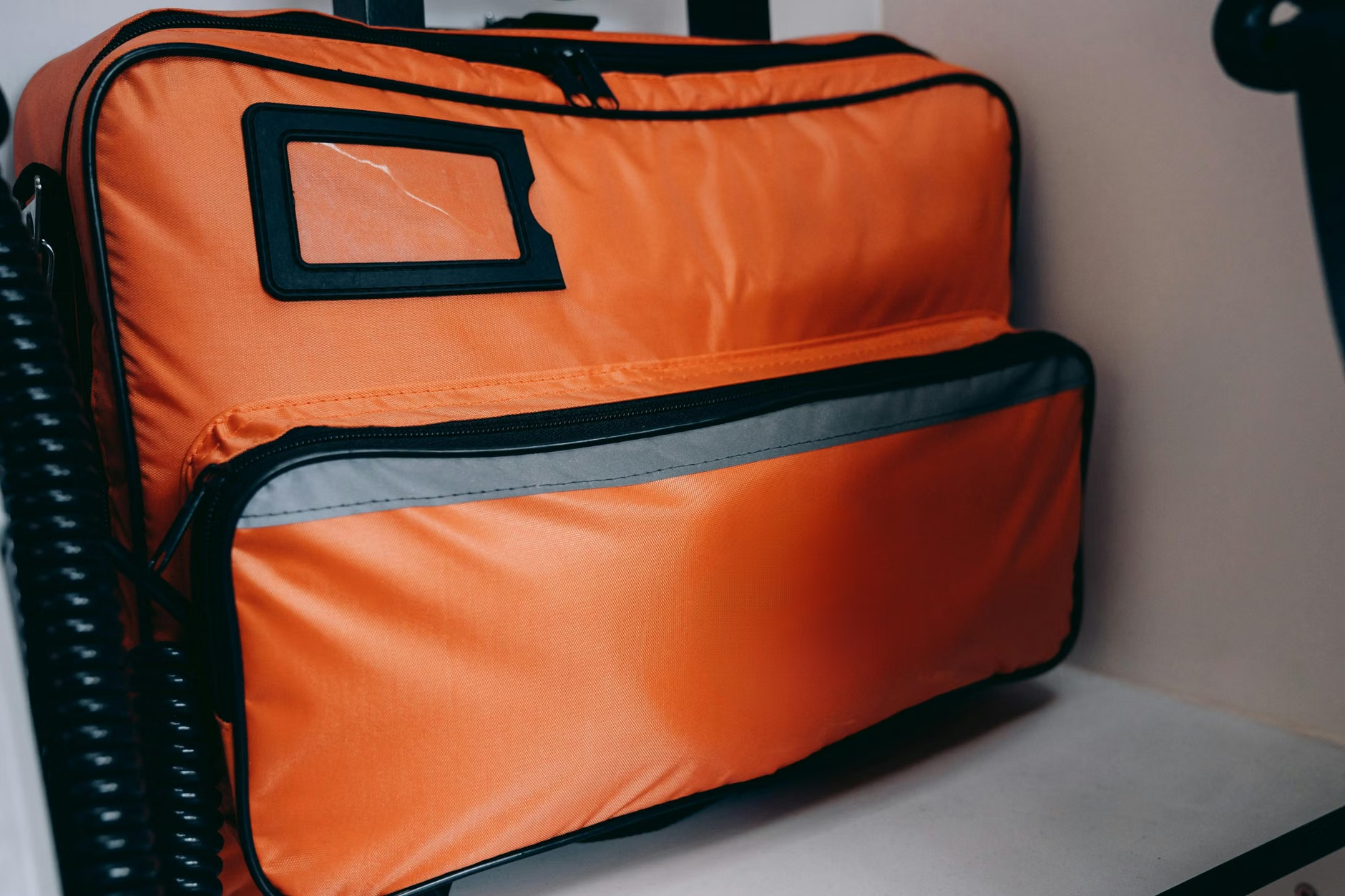
Place this in a bright, easily identifiable folder in your carry-on bag. If you ever require assistance from station staff or emergency services, handing them this document immediately provides them with the information they need to act safely on your behalf.
Addressing Mobility Limitations
If you have specific mobility needs, such as the use of a walker or a motorized scooter, verify the “dimensions” of the train’s doorway. Many heritage trains have narrow, non-standard doors. If your device is too wide, inquire if the operator provides wheelchairs for use on-board. Never assume the train will have “space for everything”—always secure a seat near the door or the vestibule to minimize the distance you have to walk inside the carriage.
The Importance of Pacing and Recovery
One of the most overlooked aspects of senior-friendly travel is the “Recovery Buffer.” When planning your itinerary, avoid the “back-to-back” tour model. If you arrive at a mountain town at 2:00 PM, do not schedule a museum visit or a long walking tour for 4:00 PM. Use the afternoon to acclimate to the altitude, find your hotel, and locate the nearest pharmacy or medical clinic.
Common Mistake: Relying solely on digital maps for walking distances. In mountain towns, “500 meters” on a map can mean a steep, 15-degree incline. Always check the topography of your walking route. Many tourist offices provide “flat-route” maps specifically for older adults or those with mobility constraints. Ask for these at the information desk upon arrival.
Technical Tips for the Modern Senior Traveler
Digital tools can significantly reduce the stress of travel. However, do not rely on them exclusively.
- Offline Maps: Download the Google Maps area for your destination while you are still on Wi-Fi. Mountain regions often have poor cellular reception.
- Digital Tickets: While digital tickets are standard, always print a physical copy. Battery failure is a common traveler issue, and a paper backup ensures you aren’t stranded if your phone dies.
- Travel Apps: Use apps like Citymapper or local transit apps to track train delays in real-time. Knowing a train is delayed by 20 minutes can save you 20 minutes of standing on a cold platform.
The “Hidden Inconvenience” of Heritage Rail: Many heritage lines do not have assigned seating, or they operate on a “first-come, first-served” basis. If you require specific seating (e.g., near the restroom, or away from the drafty door), arrive at the boarding area at least 45 minutes early. This extra time is not just for the seat; it allows you to board before the rush, giving you the space to stow your luggage without the pressure of a crowd pushing behind you.
Final Considerations for a Safe Journey
Traveling by heritage rail is a rewarding experience that offers a perspective on the world that high-speed travel simply cannot match. By focusing on preparation—specifically regarding your physical comfort, luggage management, and health documentation—you can mitigate the risks associated with aging in a travel environment. Remember that the journey is the experience; there is no prize for rushing. Take your time, prioritize your comfort, and enjoy the scenery at a pace that feels sustainable for you.
If you encounter physical discomfort, such as persistent swelling in your feet or shortness of breath, do not ignore it. These can be signs of altitude sickness or poor circulation exacerbated by long periods of sitting. Seek out a local clinic or pharmacy immediately. Most mountain tourist towns are well-equipped to handle common traveler ailments.
FAQ
- Should I bring a wheelchair or a cane if I have mild mobility issues?
If you have any doubt about your stamina, bring a lightweight, foldable cane. It provides stability on uneven train platforms and helps you navigate the narrow aisles of older carriages. If you require a wheelchair, contact the rail operator at least two weeks in advance to confirm the specific dimensions of their boarding ramps. - How do I handle the cold if the vintage train carriages are poorly insulated?
Vintage carriages often have poor climate control. Pack a compact, travel-sized fleece blanket or a heavy wool scarf. These take up minimal space in your luggage but can be the difference between a pleasant journey and a shivering one. - Are there specific medical documents I should carry?
Yes, carry a simplified “Travel Health Passport” in your carry-on. Include your name, medication list, allergies, and emergency contact details in both English and the local language of the country you are visiting.
For further information on accessibility standards in European rail travel, please visit the European Commission’s Passenger Rights page. For general travel health guidelines, consult the CDC Travelers’ Health portal.