- Prioritize Accessibility Verification: Contact the monastery directly to confirm the presence of ground-floor accommodations and step-free access to dining areas, as historic heritage sites often lack modern universal design.
- Strategic Packing: Focus on modular, lightweight gear. Include a high-lumen rechargeable flashlight for dim corridors, non-slip footwear for uneven stone surfaces, and a portable power bank for medical devices.
- Energy Management: Monastery schedules can be rigorous. Build in “recovery buffers” between activities to maintain stamina and ensure you don’t overexert yourself on historic staircases.
Accessible Heritage Monastery Stays: A Comprehensive Packing and Planning Guide for Seniors
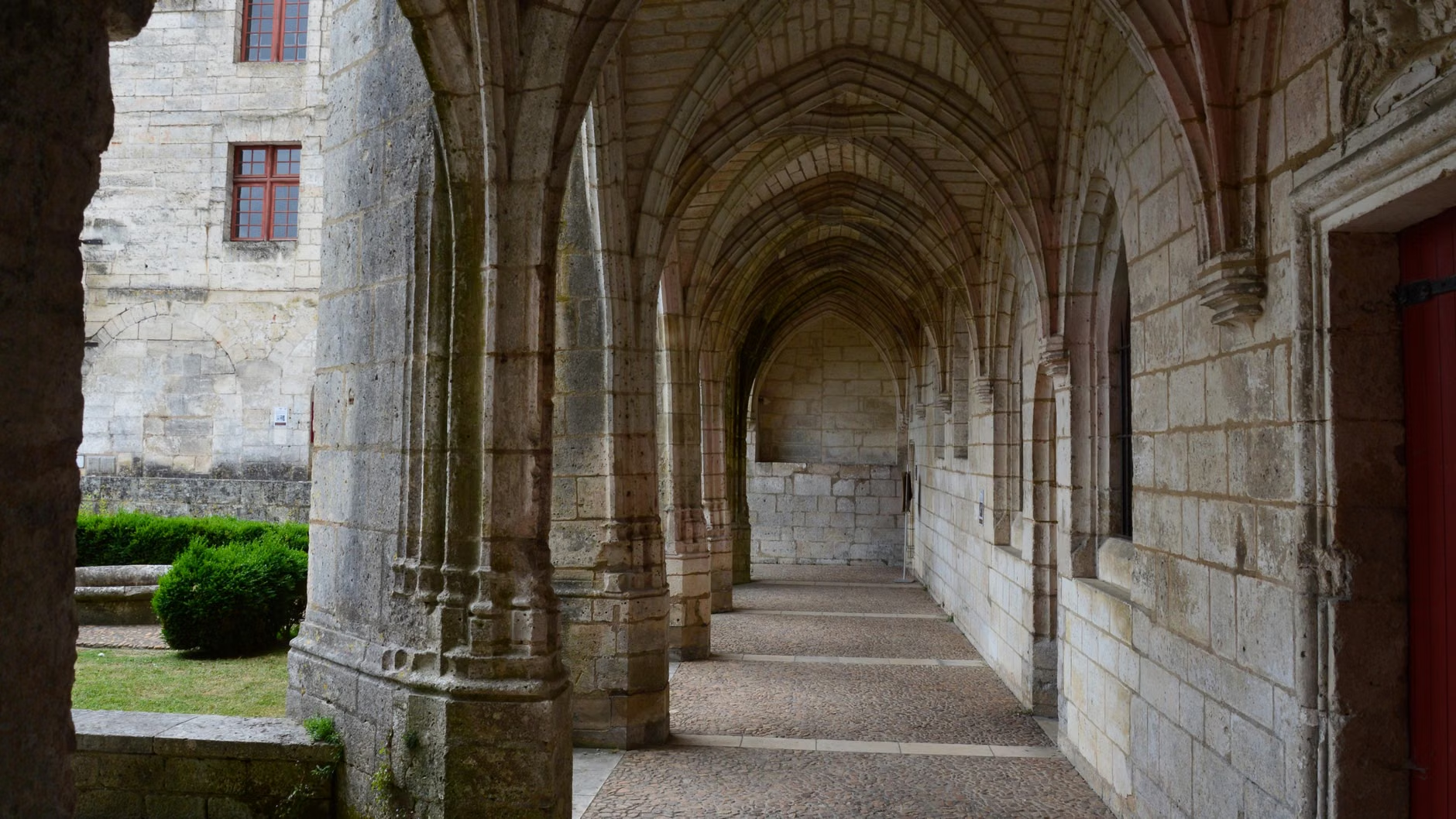
Heritage monastery stays offer a unique opportunity to experience profound silence, architectural beauty, and a rhythm of life that is often lost in the modern world. However, for travelers aged 60 to 80, these sites—often centuries old—present specific logistical challenges. From uneven cobblestones to limited electrical outlets and austere living quarters, the environment is rarely designed with modern accessibility in mind.
This guide provides a systematic approach to planning and packing for these retreats, ensuring your comfort, safety, and mobility remain the priority throughout your journey.
1. The Reality of Heritage Architecture: Assessing Your Environment
Before you begin packing, you must understand the physical constraints of historic monastic sites. Most monasteries were built long before the concept of universal design. Thick stone walls, narrow doorways, and multi-level living areas are standard. While many have modernized, the “heritage” status often prevents significant structural changes.
The “Accessibility Audit” Before Departure
Never assume a website’s “accessible” label means the same thing for every traveler. Before booking, you should ask the following questions directly to the facility manager or guest coordinator:
- Entry Points: Are there steps between the main gate, the guest wing, and the chapel? If so, is there a ramp or a freight elevator?
- Flooring Surfaces: Are the courtyard and paths paved, or are they loose gravel or uneven, historic stone?
- Room Location: Is the guest accommodation on the ground floor? If not, is there a functional elevator that meets modern safety standards?
- Bathroom Configuration: Are there grab bars in the shower and beside the toilet? Is the shower a walk-in unit, or does it have a high-lipped tub?
Actionable Decision Rule: If a monastery cannot provide photos of the specific accessible room and the path from the parking area to your room, it is safer to look for a nearby hotel that offers “monastery-style” tranquility with modern accessibility features.
2. Strategic Packing: The “Minimalist-Comfort” Framework
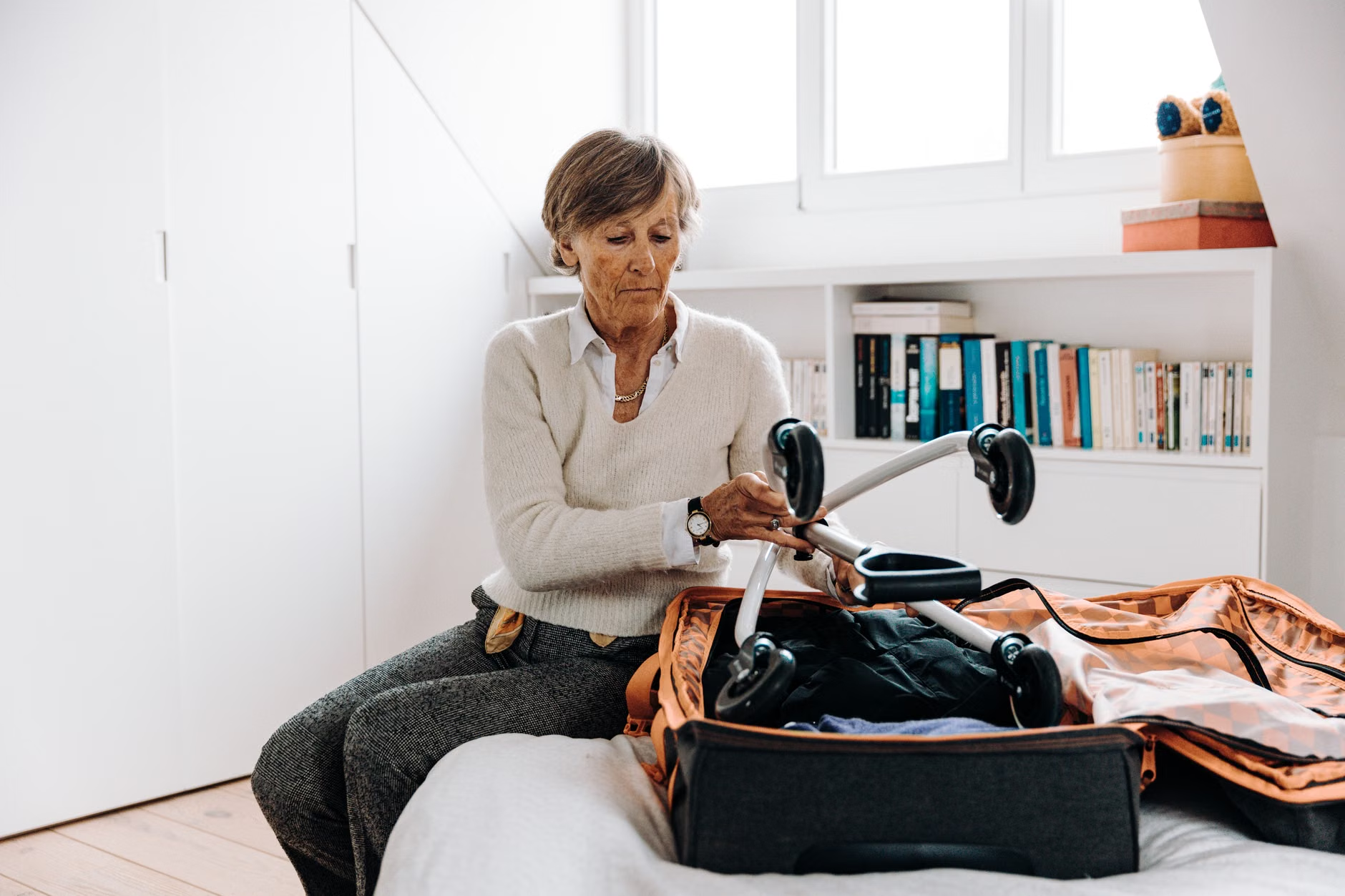
Packing for a monastery is not like packing for a hotel. You are often responsible for your own luggage, and space in guest rooms may be limited. Your goal is to pack light enough to remain mobile, but with enough specialized gear to compensate for the lack of modern conveniences.
The Essential Gear Checklist
| Category | Item | Why it Matters |
|---|---|---|
| Safety & Mobility | Foldable trekking poles with rubber tips | Provides stability on uneven stone floors without damaging heritage surfaces. |
| Environment | High-lumen, rechargeable LED flashlight | Historic corridors are often dimly lit at night; a phone light is rarely sufficient for navigating stairs. |
| Comfort | Portable, lightweight stool | Useful for rest stops during longer walking tours of the grounds where benches may be absent. |
| Tech | Multi-port power strip | Historic rooms often have only one or two outlets. You need to charge your phone, hearing aids, and other devices simultaneously. |
Footwear: The Overlooked Variable
The most common mistake seniors make is wearing shoes that are comfortable for city walking but fail on historic surfaces. Monasteries often feature polished stone or wood floors that become incredibly slippery when damp. Ensure your footwear has a high-friction, non-slip rubber sole. Avoid leather soles entirely.
3. Managing Stamina and Pacing in Historic Settings
The monastic lifestyle is often defined by communal prayers or meals at specific, sometimes early, hours. This can be physically demanding. Managing your energy is as important as packing your bags.
The 2:1 Recovery Rule
For every two hours of activity (such as a guided tour of the monastery library or a walk through the gardens), schedule one hour of “passive rest.” This does not mean sitting in a busy cafe; it means returning to your room or a quiet cloister to sit, elevate your legs if necessary, and hydrate. This prevents the cumulative fatigue that often leads to falls or health incidents on the third or fourth day of a trip.
Hydration and Nutrition Logistics
Many monasteries are in remote, rural areas. Access to shops or vending machines may be non-existent. Always carry a supply of high-protein snacks (nuts, jerky, or protein bars) and a reusable water bottle. If you have specific dietary requirements, communicate these at least two weeks in advance. Do not assume the monastery kitchen can accommodate last-minute requests, as they often operate on a fixed, communal menu.
When you are away from home, particularly in a rural or quiet religious setting, you are further from urgent medical care. Preparation is your primary defense.
The “Medical Passport”
Create a simple, printed document that includes:
- Your current medications, dosages, and times of administration.
- A list of known allergies.
- Emergency contact information for a family member and your primary care physician.
- A copy of your travel insurance policy details, including the international emergency assistance number.
Place this in a clear, waterproof sleeve in the top pocket of your carry-on. If an emergency occurs, this document allows local emergency responders to act quickly, even if you are unable to speak for yourself.
Managing Devices and Electricity
If you use a CPAP machine, a heart monitor, or other electronic health devices, verify the voltage and plug type of the region. Even in countries with the same plug type, older buildings may have sensitive circuits. Bringing a high-quality surge protector is not just a convenience—it is a protection for your expensive medical equipment against the potentially unstable power grids of very old buildings.
5. Social Dynamics and Personal Boundaries
Staying at a monastery often involves communal living. You may share a dining hall or participate in activities with other guests. This is a significant part of the experience, but it can also be draining.
Protecting Your Routine
It is perfectly acceptable to opt out of communal activities. If the morning meditation is at 5:30 AM and you require more sleep for your health, do not feel pressured to participate. Monastery staff are generally accustomed to guests seeking solitude. Clearly and politely communicate your intentions: “I will be resting during the morning prayer to manage my energy for the afternoon tour.” This sets a clear boundary and prevents the staff from worrying about your absence.
The “Digital Detox” Trade-off
Many monasteries intentionally limit Wi-Fi access to foster silence. If you rely on digital connectivity for health monitoring or staying in touch with family, verify the signal strength in the guest rooms beforehand. If the monastery is a “dead zone,” ensure you have a mobile hotspot device or a pre-purchased local SIM card with sufficient data to act as your backup communication link.
6. Advanced Logistics: Transportation and Arrival
The final leg of your journey—getting from the train station or airport to the monastery—is often the most stressful. Public transport in rural areas may be infrequent and inaccessible for those with limited mobility.
The “Point-to-Point” Strategy
Do not rely on local buses if you have luggage and mobility concerns. Budget for a pre-booked taxi or a private transfer service. When booking, specify that you require a vehicle with a trunk large enough for your luggage and that you may need assistance with boarding. This small extra cost significantly reduces the risk of injury or exhaustion before you even arrive at the monastery gate.
Arriving During Daylight
Always schedule your arrival for at least three hours before sunset. Navigating unfamiliar, historic terrain—especially if there are stairs or uneven paths—is significantly safer and less stressful in daylight. Arriving in the dark can make it difficult to identify trip hazards and may make you feel disoriented in a new environment.
7. Understanding the Cultural and Religious Context
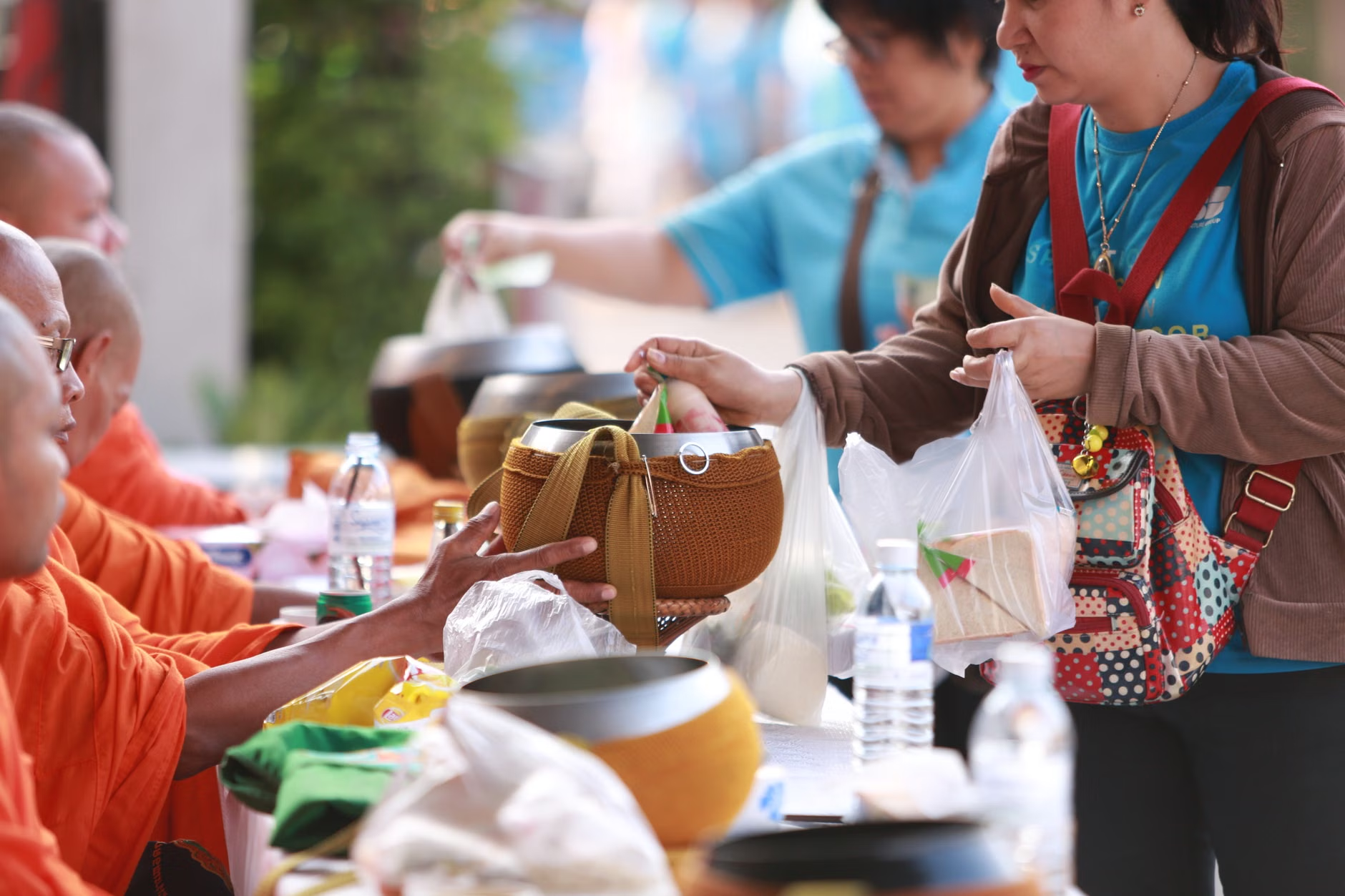
While the monastery is a place of lodging, it is first and foremost a place of worship and community. Respecting the local customs is essential for a smooth stay. This isn’t just about etiquette; it’s about ensuring you feel comfortable and welcomed.
Dress Codes and Modesty
Most monasteries require modest dress. For seniors, this often means ensuring shoulders and knees are covered. Even if it is hot, pack lightweight, long-sleeved linen shirts and loose trousers. Not only do these adhere to common modesty requirements, but they also protect your skin from the sun during outdoor walks through the grounds.
Quiet Hours
Monasteries operate on strict cycles of activity and silence. “Quiet hours” are usually strictly enforced. If you have mobility aids that might make noise (such as a walker with metal wheels), consider applying adhesive felt pads to the contact points to minimize sound when moving about your room at night.
8. Troubleshooting Common Challenges
Even with perfect planning, things will go wrong. How you handle these moments determines the success of your trip.
What if your room is further from the dining hall than expected?
If you arrive and realize the walk is too long, ask the staff immediately if there is a closer room available. If not, ask if they can provide a chair to be placed at the halfway point, or if there is a way to have your meals brought to your room for a day while you adjust to the terrain.
What if the bathroom is truly inaccessible?
If the facilities are unusable for your specific needs, do not try to “make do.” This is how accidents happen. Politely explain the situation to the guest master. They may be able to provide a temporary raised toilet seat or a shower chair from their storage, or they may be able to recommend a nearby guesthouse that is better equipped to host you.
What if you feel overwhelmed by the silence?
Silence can be intense. If you find yourself feeling anxious, have a “comfort plan.” This might include an audiobook, a specific playlist of familiar music, or a book you have already read and enjoy. Having a familiar, comforting presence in your digital or physical luggage can act as an anchor when the environment feels too isolating.
Conclusion: The Balance of Heritage and Health
A heritage monastery stay is a profound way to step out of the frantic pace of modern life, but it requires a “safety-first” mindset. By conducting a thorough accessibility audit, packing specialized gear like high-lumen flashlights and non-slip footwear, and strictly managing your energy levels with the 2:1 recovery rule, you can navigate these ancient spaces with confidence.
Remember that the goal of the trip is not to visit every corner of the site, but to find a rhythm that allows you to experience the peace of the location without compromising your wellbeing. Prioritize your physical needs, communicate your limitations clearly to the staff, and allow yourself the grace to rest when necessary. When you remove the stress of navigating the physical environment, you leave space to fully appreciate the unique atmosphere that only a historic monastery can provide.
Frequently Asked Questions (FAQ)
1. Should I bring my own bedding or towels to a monastery?
Most monasteries provide basic linens and towels. However, check their website or contact them directly. If you have sensitive skin or specific allergies, bringing a light, travel-sized pillowcase or a microfiber towel is a good precaution, but you generally do not need to bring your own bedding.
2. How do I handle tipping or donations in a monastery?
Monasteries are not hotels, and tipping is often not expected. However, if you are staying in a guest house, a donation to the monastery is a customary and appreciated gesture. Check their website for guidance on whether they prefer a set fee or a voluntary donation at the end of your stay.
3. Are monastery stays safe for seniors traveling alone?
Generally, yes. They are quiet, secure environments. However, because they are often isolated, you must ensure you have a reliable way to communicate in an emergency (such as a working mobile phone with a local SIM card) and that you have shared your itinerary with a family member or friend back home.
For further information on accessible travel standards, you may refer to the European Network for Accessible Tourism (ENAT) for global best practices on inclusive travel.