Key Takeaways:
- Beyond the Physical: Digital philately combines the traditional joy of historical research with modern social platforms, allowing for global collaboration without the physical constraints of heavy albums.
- Cognitive and Social Benefits: Engaging in digital hobby groups provides a structured way to maintain cognitive sharpness while fostering meaningful connections with international peers.
- Practical Accessibility: By utilizing high-resolution digital archives, you can study rare stamps that might be otherwise inaccessible or prohibitively expensive, making the hobby more inclusive and sustainable.
The Evolution of Philately: From Paper Albums to Digital Communities
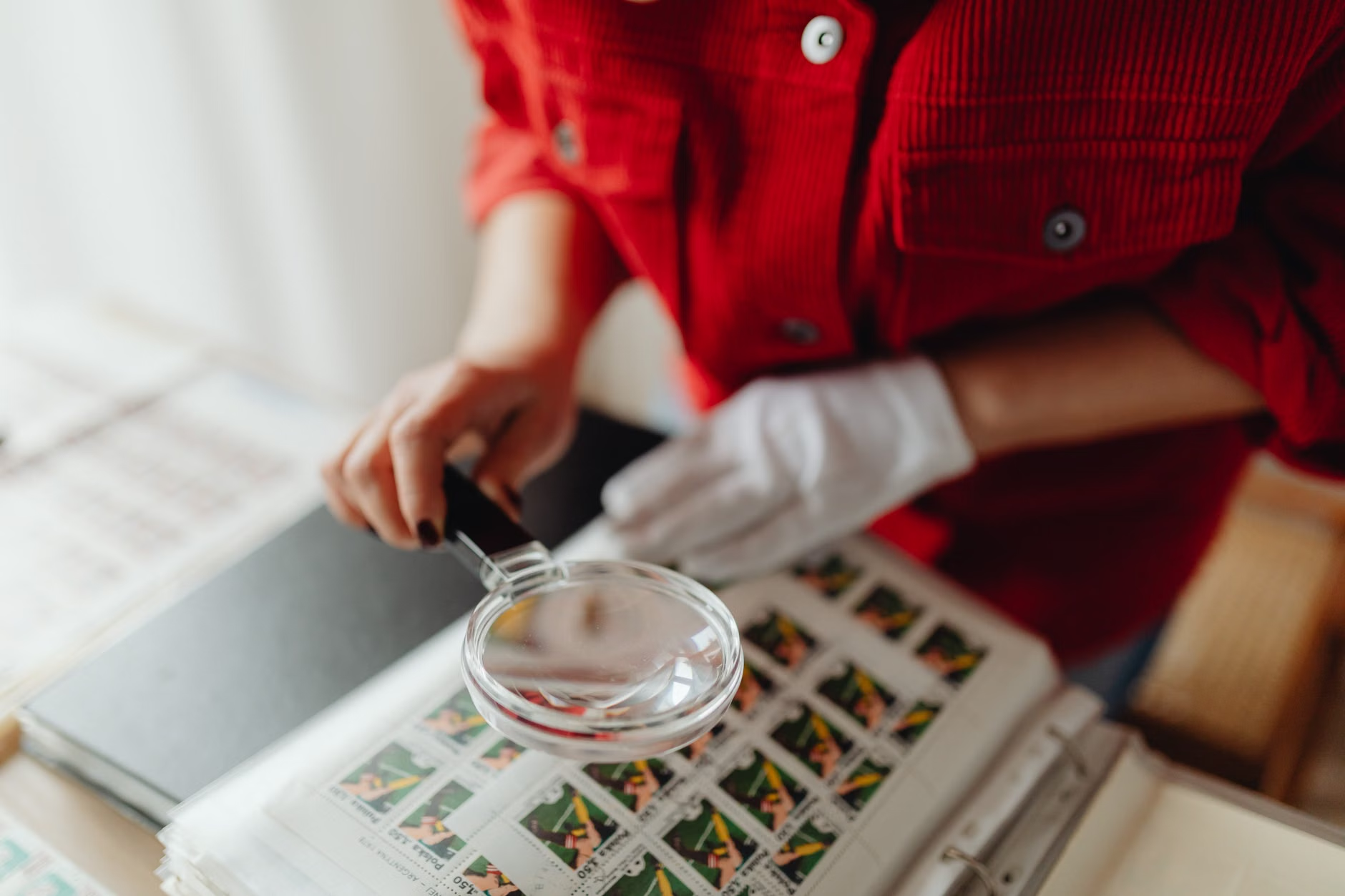
Philately—the study and collection of stamps—has long been considered the “king of hobbies.” For decades, it was a solitary pursuit often confined to quiet rooms, magnifying glasses, and heavy, dust-prone albums. However, the 21st century has ushered in a digital transformation that is fundamentally changing how older adults experience this classic pastime. Digital philately is not merely about digitizing a collection; it is about the emergence of global, interactive communities that turn a quiet hobby into a vibrant social experience.
For those aged 60 to 80, the transition to digital philately offers a unique intersection of nostalgia and technological engagement. It allows you to preserve the historical significance of your collection while leveraging the internet to share knowledge, trade items, and debate historical context with enthusiasts from every corner of the globe. This article explores how you can leverage these digital platforms to enhance your leisure time, sharpen your mind, and build lasting friendships.
Why Digital Philately Matters for Cognitive and Social Wellbeing
Hobbies are not merely ways to “kill time.” For older adults, they are essential components of maintaining cognitive reserve and emotional resilience. Philately is uniquely suited for this because it is inherently interdisciplinary. To properly identify and catalog a stamp, one must engage with history, geography, economics, and printing technology.
Intellectual Stimulation Through Research
When you join a digital philately group, the level of discourse often shifts from simple accumulation to deep research. You aren’t just looking at a stamp; you are investigating the postal history of a specific era, the political climate that led to a commemorative issue, or the technical nuances of a particular printing plate. This research-based approach keeps the brain active, encouraging the pursuit of new information and the synthesis of historical facts.
One of the most significant risks for older adults in retirement is the loss of social networks that were once tied to the workplace. Hobby-based communities act as a “third space”—neither home nor work—where individuals connect based on shared interests rather than professional obligations. In a digital philately group, the barriers of age, geography, and physical mobility are removed. You can discuss the intricacies of 19th-century British Guiana stamps with a peer in Japan or an expert in Brazil, all from the comfort of your living room.
Stepping into the world of online philatelic communities can feel daunting if you are not accustomed to digital forums or social media. However, the process is quite logical once you break it down into manageable steps. The goal is to find a platform that matches your level of technical comfort and your specific area of interest.
1. Identifying Your Preferred Platform
There are several types of digital spaces for philatelists:
- Dedicated Philatelic Forums: These are the “old school” style of internet communities, organized by topic and thread. They are excellent for long-form discussions and deep-dive research.
- Social Media Groups: Facebook groups and dedicated communities on platforms like Reddit (such as r/philately) offer a more casual, fast-paced environment where you can post a photo of a stamp and get an answer within minutes.
- Digital Auction and Marketplace Sites: Sites like Delcampe or StampAuctionNetwork provide not only a place to buy but also a vast database of historical pricing and imagery that serves as a living library.
2. The “Safety First” Approach to Digital Interaction
As with any online community, basic digital hygiene is essential. When joining these groups, ensure you are using a secure, updated browser. Never share sensitive personal information—such as your home address, financial details, or phone number—in public forum posts. If you decide to trade stamps with a new acquaintance, always use established, reputable platforms that offer buyer protection or mediation services.

Practical Strategies for Managing Your Digital Collection
Transitioning to a hybrid model—where you keep your physical collection but document and research it digitally—is a highly effective way to manage your hobby. This approach ensures that your collection remains accessible even if your physical mobility fluctuates.
Step-by-Step Digitization
- Cataloging: Use specialized software or even a simple spreadsheet to list your stamps. Include fields for the year, country, condition, and any historical notes.
- High-Resolution Scanning: Invest in a flatbed scanner or use a high-quality smartphone camera with a steady stand. Proper lighting is key; avoid using the flash, which can create glare on glossy stamps.
- Cloud Storage: Keep your digital catalog in a cloud service like Google Drive or Dropbox. This allows you to access your “collection” on your tablet or phone while you are at a cafe, traveling, or visiting family.
Comparison of Management Methods
| Method | Pros | Cons | Best For |
|---|---|---|---|
| Physical Album | Tactile experience, historical authenticity. | Hard to share, vulnerable to damage, heavy. | Preserving long-term investments. |
| Spreadsheet Catalog | Easy to search, free, simple to maintain. | Lacks visual context, requires manual entry. | Organizing large, inventory-heavy collections. |
| Dedicated Apps/Cloud | Visual, accessible anywhere, social sharing. | Requires learning new software. | Social collectors and researchers. |
Note: For most older adults, a hybrid approach is best. Use the physical album for your most valuable pieces and a cloud-based spreadsheet for your broader, research-focused collection.
Overcoming Technical Hurdles: A Guide for Beginners
It is a common misconception that digital hobbies are “too technical” for those in their 70s and 80s. The reality is that if you can use a smartphone to send a photo or a computer to check email, you already possess the core skills needed for digital philately. The challenge is often just navigating the specific interface of a new website.
Common Mistake: Trying to learn every feature of a platform at once. Instead, focus on the “read-only” mode for the first few weeks. Spend time reading the posts of others, understanding the tone of the community, and identifying which users seem the most knowledgeable and helpful. Once you feel comfortable with the “vibe” of the group, start by asking a simple question or sharing a single image.
The Unexpected Value: Intergenerational Connections
One of the most rewarding aspects of digital philately is the potential for intergenerational connection. Many younger collectors are eager to learn from the depth of knowledge held by older generations. By participating in these groups, you position yourself as a mentor. This exchange of knowledge—where you share historical insights and they share modern digital tools—creates a mutually beneficial dynamic that is both rewarding and socially vital.
If you have grandchildren or younger family members, inviting them to assist you with the “digital” side of your hobby—such as scanning stamps or setting up a cloud account—can be an excellent way to spend quality time together. It turns a solitary hobby into a collaborative family project, bridging the generation gap through a shared, quiet activity.
Ensuring Longevity and Safety in Your Hobby
As you dive deeper into digital philately, it is important to consider the physical aspects of your engagement. Sitting at a desk or looking down at a tablet for extended periods can lead to neck and back strain. Ensure your workspace is ergonomically sound.
- Lighting: Use adjustable task lighting to reduce eye strain.
- Posture: Ensure your screen is at eye level. If using a tablet, consider a stand that keeps the screen upright so you aren’t constantly looking down.
- Breaks: Follow the 20-20-20 rule: Every 20 minutes, look at something 20 feet away for 20 seconds to give your eyes a rest.
Conclusion: The Future of Your Collection
Digital philately is more than just a modern convenience; it is a way to ensure that the stories behind your stamps continue to be told. By embracing these digital communities, you are not replacing the traditional hobby but rather expanding its horizons. You are moving from a world of solitary observation to one of active participation, intellectual growth, and global connection.
Start small. Identify one area of interest—perhaps stamps from a country you visited in your youth—and look for a community that shares that focus. You will find that the digital world is much friendlier, more accessible, and more rewarding than you might have imagined. Your collection is a piece of history; by sharing it digitally, you make that history immortal.
Frequently Asked Questions (FAQ)
1. Do I need expensive equipment to start digital philately?
No. You do not need professional-grade scanners or high-end computers. A modern smartphone is more than capable of taking high-resolution images of stamps, and most community forums are accessible via any standard web browser on a tablet or computer.
2. Is it safe to trade stamps with people I meet online?
Safety is paramount. Only trade through established, reputable platforms that have feedback systems or escrow services. Avoid sending rare or high-value items to individuals you have not built a long-standing, trusted relationship with within the community. When in doubt, use a professional third-party grading service or a well-known auction house to facilitate the transaction.
3. What if I am not very tech-savvy?
Digital philately communities are generally very welcoming to newcomers. Many sites have “Help” or “New Member” sections specifically designed to guide you through the basics. Don’t be afraid to state that you are new to the platform; you will likely find many members willing to walk you through the process step-by-step.
For further reading on international philatelic standards and organizations, visit the American Philatelic Society or the Fédération Internationale de Philatélie for global resources and guidance.