- Gluteal muscles act as the primary support system for the lower back; strengthening them while seated provides a low-impact way to maintain spinal stability.
- Consistent, low-intensity glute activation helps prevent common postural collapse, a major contributor to chronic lower-back discomfort in adults over 60.
- Safety in movement depends on the ability to isolate and engage the glutes before transitioning from seated to standing positions.
For many adults between the ages of 60 and 80, lower-back discomfort is not an inevitable consequence of aging but often a symptom of muscle deconditioning. Specifically, the gluteal muscles—the powerhouse of the posterior chain—often become “dormant” due to prolonged sitting. When the glutes are weak or inactive, the lumbar spine (the lower back) is forced to compensate for stability, leading to strain and discomfort.
This guide focuses on a specific, accessible intervention: seated glute-tightening. This movement is a foundational preventive habit that requires no equipment, carries minimal risk, and can be integrated into your daily routine while reading, watching television, or working at a desk.
The Biomechanics of Seated Glute Engagement

To understand why seated glute-tightening matters, we must look at the “pelvic tilt.” When you sit for extended periods, the hip flexors at the front of the hips can tighten, while the gluteal muscles (the gluteus maximus, medius, and minimus) stretch and weaken. This imbalance pulls the pelvis forward, creating an exaggerated curve in the lower back. This is known as anterior pelvic tilt.
By consciously contracting the glutes while seated, you perform two vital functions:
- Pelvic Neutralization: Activating the glutes helps rotate the pelvis back into a neutral position, which naturally aligns the lumbar spine.
- Supportive Bracing: The glutes provide a “foundation” for the torso, reducing the shear forces that the lower-back vertebrae must absorb during simple movements like reaching or turning.
In real life, this means that every time you consciously tighten your glutes, you are essentially “resetting” your posture. This prevents the “slumping” effect that occurs naturally as fatigue sets in throughout the day.
Step-by-Step: Performing the Seated Glute-Tightening Exercise
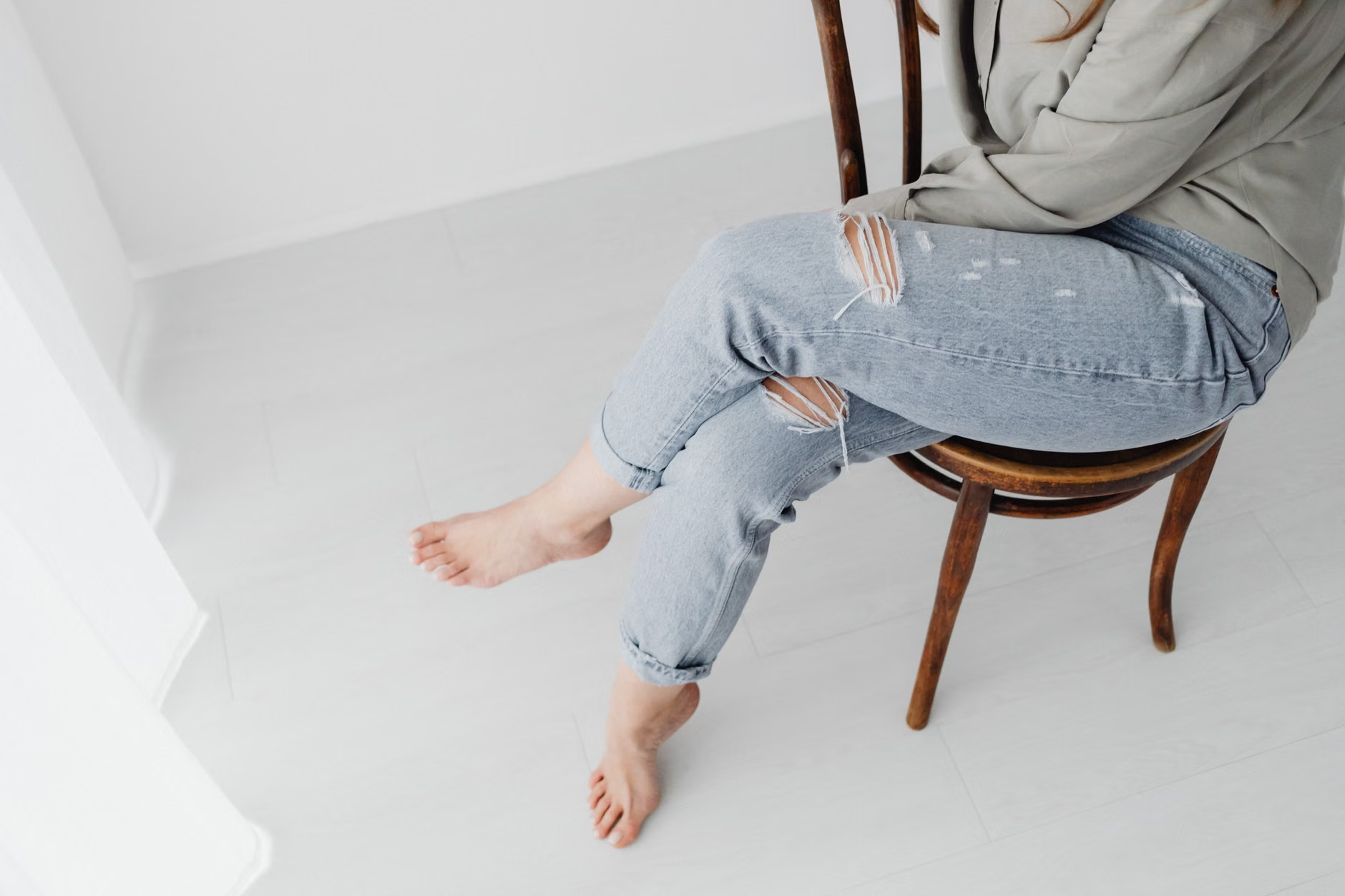
The beauty of this exercise is its simplicity. It does not look like “exercise” to an observer, making it perfect for office or social settings.
The Protocol
- Positioning: Sit toward the edge of a sturdy chair. Ensure your feet are flat on the floor, hip-width apart. Your knees should be at approximately a 90-degree angle.
- Alignment: Imagine a string pulling the crown of your head toward the ceiling. Your spine should be long and neutral—not overly arched and not slouched.
- Engagement: Without moving your torso or pushing off your feet, squeeze your gluteal muscles as if you are trying to hold a coin between your buttocks.
- Duration: Hold the contraction for 5 to 10 seconds. Breathe normally throughout; do not hold your breath.
- Release: Slowly release the tension for 5 seconds.
- Repetition: Aim for 10 repetitions per set, three times a day.
Common Mistake: Many people mistake squeezing their thighs or clenching their lower back for glute engagement. If you feel tension in your lower back during this exercise, you are likely over-arching your spine. If you feel your thighs burning, you are likely using your quadriceps instead of your glutes. Focus exclusively on the posterior muscles.
Integrating Stability into Daily Transitions
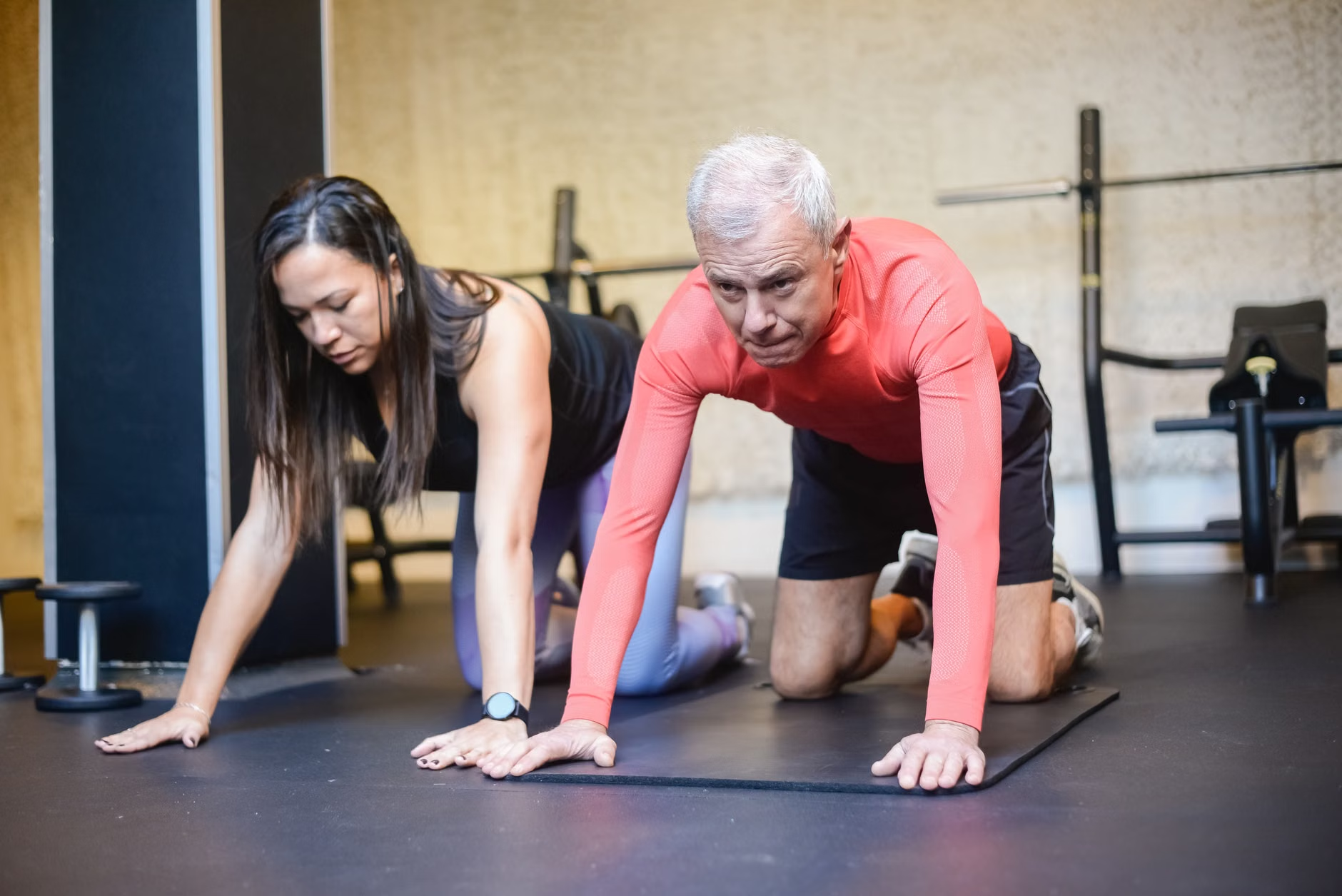
The most dangerous time for the lower back is often the transition from sitting to standing. This is when the spine is most vulnerable to sudden shifts in weight. By using your glutes correctly, you can protect your back during this transition.
Before you stand up, perform three “pre-activation” glute squeezes. This signals the muscles to prepare for load-bearing. As you begin to rise, keep your glutes engaged until you are fully upright. This is the difference between “pulling” yourself up with your lower back and “pushing” yourself up with your hips.
Comparison: Standard Transition vs. Glute-Activated Transition
| Feature | Standard Transition (Risk) | Glute-Activated Transition (Preventive) |
|---|---|---|
| Primary Driver | Lower back muscles | Gluteal and hamstring muscles |
| Spinal Load | High (shear force on discs) | Low (axial loading) |
| Stability | Low (prone to swaying) | High (controlled movement) |
The glute-activated transition is significantly safer for individuals with existing lumbar sensitivity. By prioritizing the hips, you offload the discs in the lower back, which are often the source of age-related stiffness.
Beyond the Exercise: Factors Affecting Lower-Back Health
While glute-tightening is a powerful tool, it does not exist in a vacuum. To maintain long-term stability, consider these three overlooked variables:
1. The “Chair Height” Variable
If your chair is too low, your knees will be higher than your hips, which forces the pelvis into a posterior tilt (slouching). If your chair is too high, you may not be able to plant your feet firmly. The ideal chair allows for a slight downward slope from the hips to the knees. If your furniture is fixed, consider using a firm cushion to elevate your seat height, ensuring your hips are slightly above your knee joints.
2. Hydration and Disc Health
The intervertebral discs are largely composed of water. Dehydration can lead to a slight reduction in disc height, which reduces the cushioning between vertebrae. While this is not a quick fix, maintaining adequate hydration supports the structural integrity of the spine over the long term.
3. The Impact of Footwear
Even when seated, the footwear you choose affects your pelvic alignment. High heels or shoes with significant arch imbalances can alter the way your weight is distributed through the floor, which subtly affects your posture while seated. Wear supportive, flat-soled shoes when performing these exercises to ensure the kinetic chain from your feet to your hips is neutral.
When to Seek Professional Guidance
Seated glute-tightening is a preventive tool, not a treatment for acute injury. You should consult a physician, physical therapist, or qualified healthcare provider if you experience any of the following:
- Radiating Pain: Pain that travels down one or both legs, which could indicate nerve involvement (such as sciatica).
- Numbness or Tingling: Any sensation of “pins and needles” in the legs or feet.
- Sudden Weakness: A feeling that your legs “give way” or are unable to support your weight.
- No Improvement: If you have practiced these stability techniques for two weeks and notice no change or a worsening of your baseline discomfort.
When you visit a professional, be prepared. Bring a list of your daily activities, a record of when the pain is most prevalent (e.g., “always after sitting for 30 minutes”), and a list of any medications you are taking. This information helps the provider determine if the issue is muscular, structural, or related to other health conditions.
Building a Consistent Routine
The greatest barrier to preventive health is consistency. To turn seated glute-tightening into a habit, “anchor” it to an existing behavior. For example, resolve to perform three sets of squeezes every time you reach for your coffee mug or every time a television commercial begins. By linking the exercise to a common cue, you remove the need to “remember” to do it.
Remember that the goal is not to exhaust the muscle, but to maintain its neurological connection. You want your brain to remember how to use these muscles when you stand up, walk, or carry groceries. This is about retraining your movement patterns for the next decade of your life.
Conclusion
Lower-back stability is not a passive state; it is an active, ongoing effort. By integrating simple, seated glute-tightening into your day, you are taking a proactive step toward protecting your spine and maintaining your independence. Focus on the quality of the contraction, maintain a neutral spine, and listen to your body. Preventive health is built one small, intentional movement at a time.
Frequently Asked Questions (FAQ)
1. Can I overdo the glute-tightening exercise?
It is difficult to overdo this exercise because it is low-impact. However, if you feel muscle soreness, it is a sign that you should scale back the frequency for a day or two. Treat it like any other muscle conditioning: start slowly and increase your volume as you feel more comfortable.
2. Is this exercise safe if I have had back surgery?
If you have had spinal surgery or have a diagnosed condition like spinal stenosis or a herniated disc, you must clear this exercise with your surgeon or physical therapist first. They can provide modifications specific to your recovery stage and spinal health.
3. How long does it take to see results?
Most individuals notice a reduction in daily “postural fatigue” within 7 to 14 days of consistent practice. Significant changes in spinal stability and core support typically emerge over 4 to 6 weeks. Patience and consistency are your best tools.
Sources:
- National Institute on Aging: Exercise and Physical Activity
- Centers for Disease Control and Prevention: Physical Activity for Older Adults
Disclaimer: This article is for informational purposes only and does not constitute medical advice. Always consult with a healthcare professional before beginning any new exercise program, especially if you have pre-existing health conditions.