Starting in 2026, many cities across the globe are adopting updated international standards for public park lighting, specifically designed to accommodate the visual and mobility needs of older adults. For those aged 60 to 80, these changes represent a significant shift from purely aesthetic or security-based lighting to “age-inclusive” illumination that prioritizes depth perception, glare reduction, and path clarity.
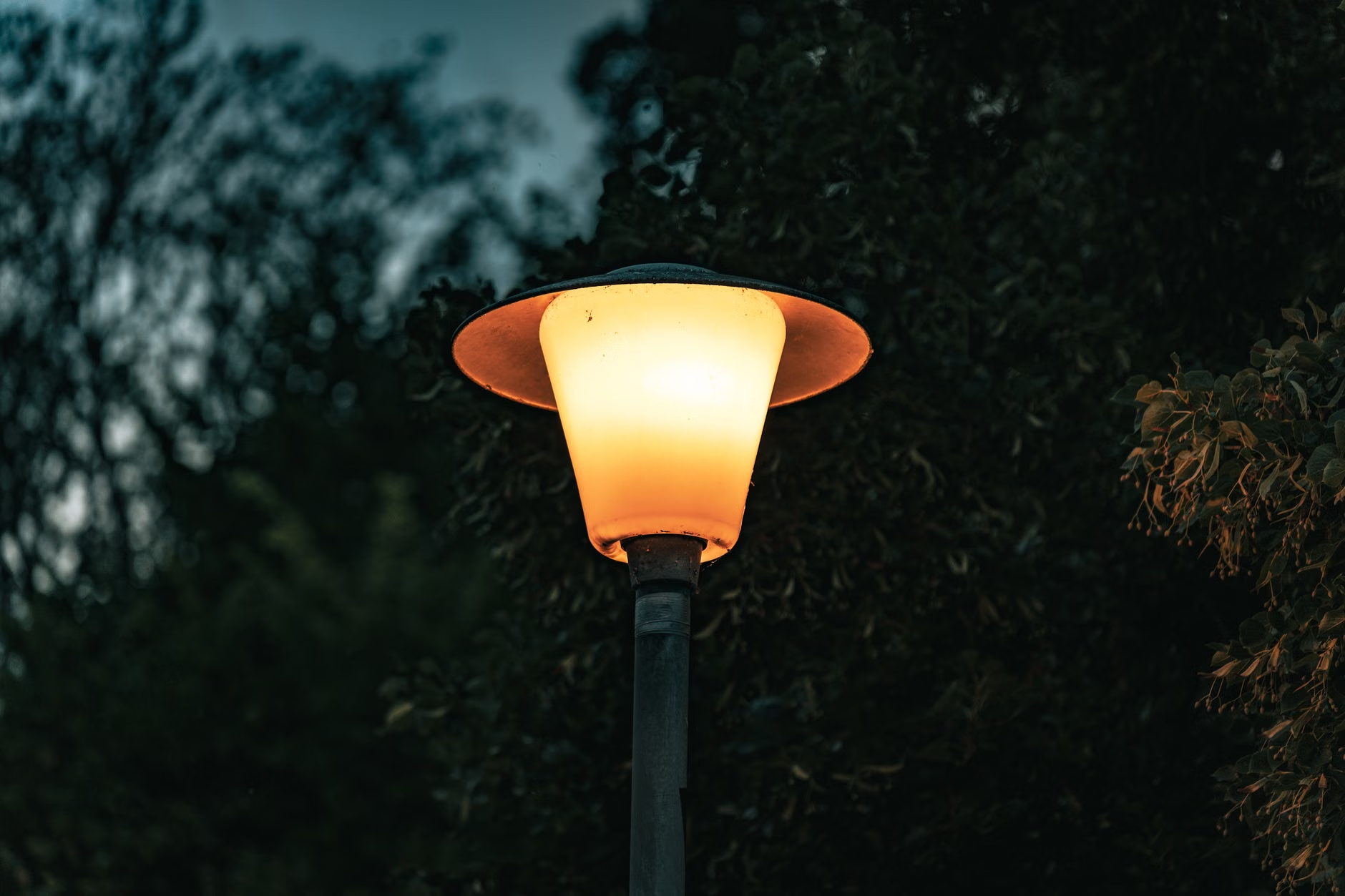
- Enhanced Visibility: New 2026 standards mandate “warm-spectrum” lighting, which reduces eye strain and minimizes the harsh glare that can cause disorientation for older eyes.
- Consistency Over Brightness: The most important change is the move toward “uniformity”—eliminating dark patches between lights, which are a primary cause of trips and falls.
- Active Safety: Many parks are installing motion-activated lighting that increases intensity as you approach, ensuring you have maximum visibility exactly when and where you need it.
Understanding the Shift: Why 2026 Lighting Standards Matter
As we age, our eyes undergo natural physiological changes. The pupil size tends to decrease, allowing less light to reach the retina, and the lens becomes less transparent. This makes the transition between bright and dark areas—such as walking from a lit path into a shadowed patch—much more difficult to navigate. A person in their 70s may require up to three times the amount of light that a person in their 20s needs to perceive the same level of contrast.
Prior to 2026, many municipal lighting plans focused on “security” (often meaning high-intensity, cold-white light) rather than “accessibility.” Cold-white light creates harsh shadows and high-contrast glare, which can actually obscure obstacles like uneven pavement or tree roots. The 2026 transition shifts the focus toward high-uniformity, warm-spectrum lighting, which provides a more consistent visual field, allowing your eyes to adjust naturally without constant strain.
The Pillars of Age-Inclusive Park Design
Municipalities globally are now assessing their public spaces based on four key metrics. Understanding these can help you decide which parks are best suited for your evening walks.
| Metric | What it Means for You | Practical Benefit |
|---|---|---|
| Uniformity Ratio | The consistency of light across the path. | Fewer trip hazards hidden in dark spots. |
| Color Temperature | Measured in Kelvins; lower is warmer (amber). | Less glare and reduced visual fatigue. |
| Vertical Illumination | Lighting that illuminates faces and obstacles. | Easier to see other path users and potential debris. |
| Reaction Time | How fast sensors activate the light. | Provides a sense of security and clear path ahead. |
Evaluating Uniformity: The “Shadow Test”
When choosing a park for an evening walk, look for “uniformity.” A common mistake is assuming that a “bright” park is a “safe” park. If a park uses high-intensity spotlights placed far apart, you will encounter bright pools of light followed by deep, dark shadows. This causes your pupils to rapidly constrict and dilate, which can lead to temporary blindness or disorientation.
What you can do: Choose parks that utilize “bollard” lighting (short posts along the path) rather than high-mast poles. Bollard lights provide low-angle light that illuminates the ground directly, which is where your visual focus needs to be to prevent trips.
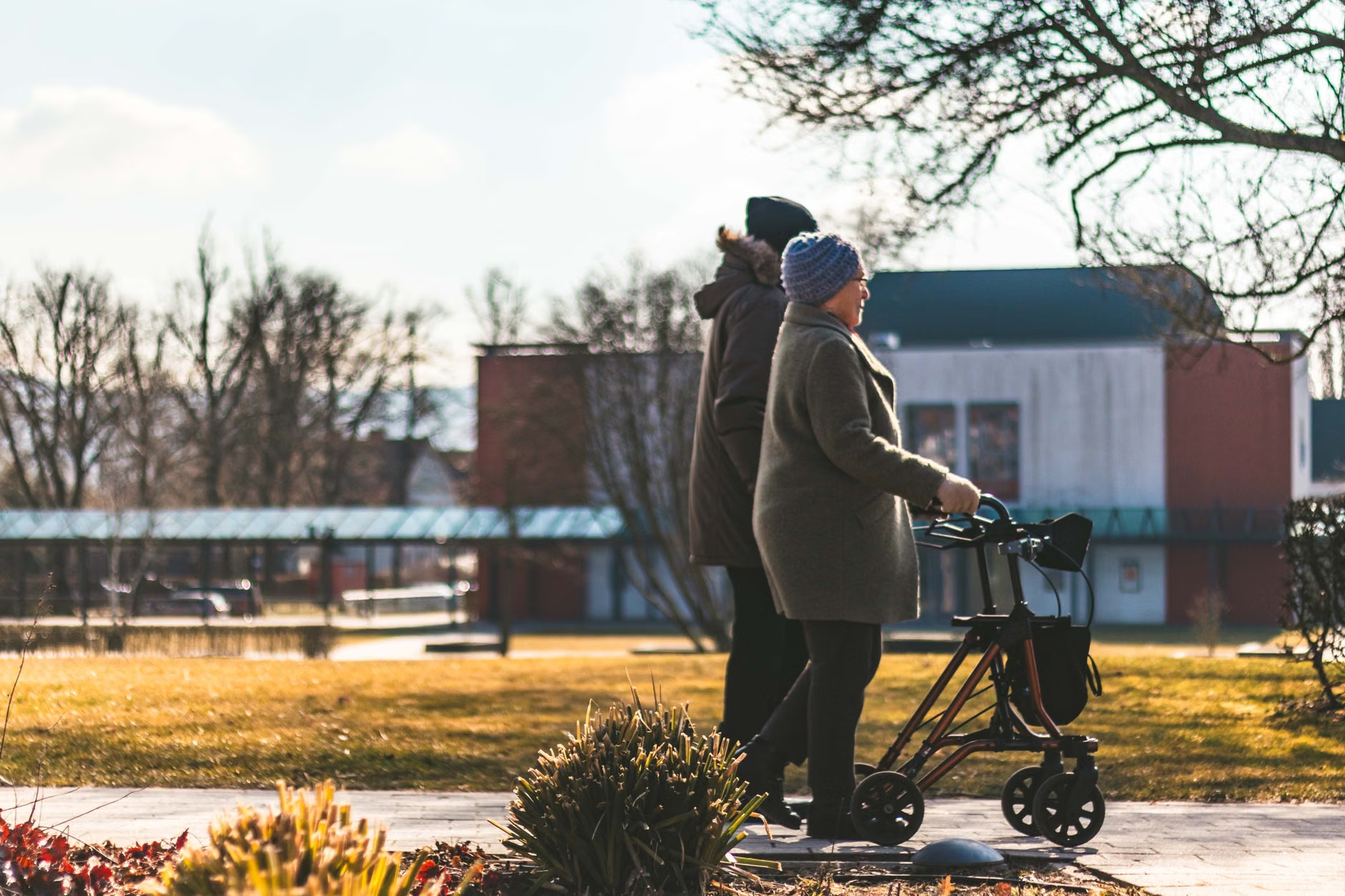
As cities begin the roll-out of these updates throughout 2026, you may find construction or temporary closures. It is important to note that these projects are not just replacing bulbs; they are often re-grading paths and adding tactile markers. If you are planning a walk, check your local city council or parks department website for “Accessibility Improvement Schedules.”
Step-by-Step: Planning Your Evening Walk
- Check the “Active Hours”: Many new systems are programmed to dim after a certain hour. Visit the park during the “twilight period” (usually 30 minutes after sunset) to see if the lighting meets your comfort level.
- Assess the Entrance: The most critical area for lighting is the transition from the street to the park entrance. If the entrance is poorly lit, choose an alternative route, even if it adds distance.
- Use a “Scout” Approach: If you are visiting a new park, try it once during the late afternoon to identify the terrain, then try a short walk during early evening to test the lighting quality.
Common Misconceptions About Nighttime Visibility
There is a persistent myth that “brighter is always better.” Research shows that for older adults, the quality of light—specifically the Color Rendering Index (CRI)—is far more important than raw intensity. A high CRI light allows you to distinguish between a brown leaf, a dark-colored stone, and a patch of wet pavement. Low-quality, cheap LED lighting often washes out these colors, making everything look like a uniform gray surface.
Furthermore, many people assume that “motion sensors” are unreliable. In the 2026 standard, however, these sensors are designed to be “predictive.” They detect movement from a distance and ramp up the brightness before you reach the specific zone. If you feel uncomfortable with motion sensors, look for parks that utilize “dim-to-bright” technology, which stays on at a low, safe level and brightens only when needed, ensuring the path is never pitch black.
Practical Considerations for Safety and Stamina
While lighting is a major factor, safety in parks is a multi-layered issue. Even with perfect lighting, the physical environment must support your mobility. In 2026, many cities are integrating “Smart Benches” and “Rest Nodes” into their lighting upgrades. These are areas where the lighting is intentionally set to a warmer, more inviting tone to encourage stopping and resting.
When to consider professional advice: If you find that you are frequently stumbling or feel anxious about walking in the evening, it may be time to discuss your vision with an optometrist. Sometimes, a change in prescription or a check for conditions like cataracts can drastically improve your night vision, which no amount of park lighting can fully compensate for.
Preparation Checklist for Evening Walks:
- Footwear: Always wear shoes with non-slip, high-traction soles. Even well-lit paths can be damp with dew or rain.
- Visibility Gear: Even in a well-lit park, wearing a small reflective band on your wrist or jacket makes you significantly more visible to other path users, such as cyclists or joggers.
- Communication: Carry a fully charged mobile phone. Many modern parks now offer “emergency call points” that are clearly identified by a specific color of light (usually blue or green). Familiarize yourself with their locations.
- Pacing: Do not rush. The benefit of a walk comes from the activity, not the speed. If the lighting in a particular section feels “off” or makes you uncomfortable, it is perfectly acceptable to turn around.
The Future of Universal Access
The 2026 shifts are part of a broader “Age-Friendly Cities” initiative advocated by organizations like the World Health Organization (WHO). The goal is to move away from the idea that older adults are a “vulnerable population” and toward the reality that they are active, engaged members of the community who require thoughtful, inclusive infrastructure. By prioritizing lighting that respects the biological needs of the aging eye, cities are creating spaces that are safer for everyone—from children to those with limited mobility.
As you encounter these changes in your local parks, pay attention to the differences. You may find that certain parks in your area have been upgraded while others remain in the “old” lighting style. Use this knowledge to curate your own “safe walking map.” It is not about avoiding the outdoors; it is about choosing the environments that best support your lifestyle and physical wellbeing.
Conclusion: Taking the Next Step
The transition to 2026 lighting standards is a positive development for your ability to enjoy public spaces safely. By understanding the importance of uniformity, warm-spectrum light, and the role of high-quality sensors, you can make more informed decisions about where and when to walk. Remember, your comfort is the priority. If a park does not meet your personal safety standards, look for information on your city’s website regarding “Accessibility Upgrades” and provide feedback. Many cities have specific channels for residents to report lighting outages or areas that feel unsafe, and your input as a regular user is often the primary driver for these improvements.
Frequently Asked Questions (FAQ)
1. Why does my vision seem to get worse at night even if the park is well-lit?
As we age, the eye’s ability to recover from glare decreases. Even with good lighting, if there is a bright light source (like a poorly aimed street lamp) nearby, it can create a “veiling glare” that makes the rest of the path look darker than it actually is. Try wearing a cap with a brim to block overhead glare, which can help your eyes focus on the path.
2. How can I find out if my local park has been upgraded to these new 2026 standards?
Check your local municipal or city council website under the “Parks and Recreation” or “Urban Planning” sections. Look for documents titled “Accessibility Plan,” “Lighting Master Plan,” or “Capital Improvement Projects.” If you cannot find this information, a quick email or call to the Parks Department requesting the “accessibility lighting status” for a specific park is a standard inquiry they should be able to answer.
3. Are motion-sensor lights reliable, or will they leave me in the dark?
The 2026 standards specifically address this by requiring “predictive” sensors with a fail-safe. This means the lights are designed to stay on at a low “ambient” level even when no one is around, and they only brighten to full capacity when they detect movement. You should never be left in total darkness, as the minimum ambient light level is regulated to ensure basic visibility.
Sources:
World Health Organization: Global Network for Age-friendly Cities and Communities
Illuminating Engineering Society (IES) – Standards for Public Space Lighting