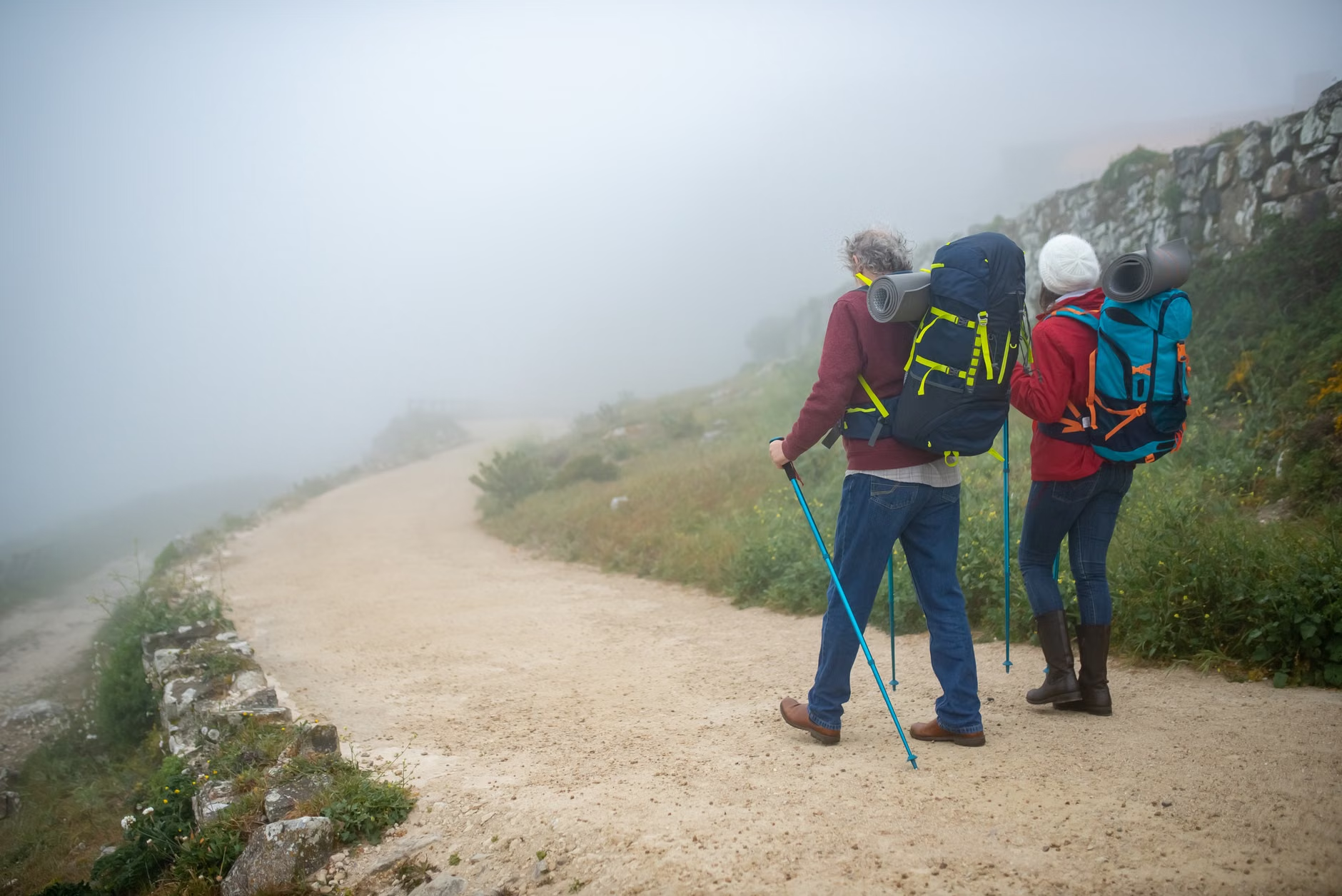
- Prioritize Mobility Aids: Even on “accessible” trails, lightweight, foldable trekking poles significantly reduce joint strain and improve balance on varying natural terrain.
- The Layering Principle: Forest microclimates fluctuate; wearing moisture-wicking base layers and carrying a lightweight, wind-resistant outer shell is safer than relying on a single heavy jacket.
- Strategic Hydration and Energy: Do not wait for thirst or fatigue; pack small, nutrient-dense snacks and electrolyte-balanced water to maintain stamina throughout the walk.
Planning a visit to a heritage forest—whether it is a protected national park, an ancient woodland, or a curated botanical arboretum—requires a shift in perspective when your goal is an accessible, stress-free experience. For travelers aged 60 to 80, the difference between a memorable excursion and an exhausting ordeal often lies in the strategic selection and organization of your gear.
Accessible forest-walkway tours are specifically designed to minimize barriers like steep gradients, loose gravel, or narrow passages. However, “accessible” does not mean “effortless.” You are still entering a natural environment where humidity, temperature, and terrain can change rapidly. This guide provides a comprehensive framework for packing, ensuring you remain comfortable, safe, and mobile throughout your journey.
Understanding the “Accessible Forest” Environment
Before packing a single item, it is vital to understand the environment you are entering. Accessible heritage sites typically feature boardwalks, paved paths, or compacted crushed-stone trails. While these are designed to be wheelchair and walker-friendly, they often exist within larger, wilder ecosystems.
The Microclimate Factor: Forests are often several degrees cooler than the surrounding open areas. They also maintain higher humidity levels. A sunny day at the trailhead does not guarantee a warm, dry walk once you are deep under the canopy. This creates a specific challenge: you need to be prepared for both the ambient heat of the walk and the potential for a chill if you stop to rest or if the sunlight fades.
Terrain Nuances: Even on flat paths, look for subtle hazards. “Accessible” paths may have expansion joints in wooden boardwalks, slight crowns for drainage, or occasional patches of moss or damp leaves that can become slippery. Your packing list should reflect the need for stability, protection, and endurance management.
The Foundation of Mobility: Footwear and Walking Aids
Your feet and your balance are your primary assets. Packing for a forest walk begins from the ground up.
Selecting the Right Footwear
Many travelers make the mistake of wearing brand-new shoes on a walk. This is a common cause of blisters, which can turn a pleasant stroll into a painful experience. Your footwear should be well-broken-in, provide adequate arch support, and feature a non-slip sole. For most accessible forest paths, a sturdy walking shoe with a rubberized, lugged sole is superior to a flat-soled fashion sneaker.
The Case for Trekking Poles
Often, older adults feel that walking poles are only for “serious hikers.” This is a misconception. Trekking poles (or a single hiking staff) serve two distinct purposes for the senior traveler: they act as a third and fourth point of contact, significantly increasing stability, and they help distribute weight away from the knees and hips. When choosing poles, look for:
- Collapsibility: Ensure they can fold down to fit inside a carry-on or backpack.
- Weight: Carbon fiber or lightweight aluminum are ideal.
- Grip: Cork or foam grips are more comfortable for long periods than hard plastic.
| Feature | Benefit | Recommendation |
|---|---|---|
| Sole Grip | Prevents slips on damp boardwalks | Deep-tread rubber |
| Ankle Support | Prevents twisting on uneven edges | Mid-top walking shoe |
| Weight | Reduces fatigue over distance | Lightweight mesh/synthetic |
Packing for Comfort: The Layering System
The most effective way to manage temperature during a forest walk is the three-layer system. This strategy allows you to adjust your clothing as your body temperature rises during movement and falls during rest stops.
1. The Base Layer (Moisture Management)
Avoid cotton. Cotton absorbs sweat and holds it against your skin, which can lead to rapid chilling when you stop walking. Choose synthetic fabrics or merino wool. These materials “wick” moisture away from the skin, keeping you dry and preventing chafing.
2. The Mid-Layer (Insulation)
This is your warmth layer. A lightweight fleece or a breathable “softshell” jacket is ideal. It should be easy to put on and take off without removing your base layer. Ensure it is roomy enough to allow for easy arm movement.
3. The Outer Shell (Protection)
Even if the forecast is clear, carry a wind-resistant and water-repellent shell. Forests can have sudden micro-showers or breezy corridors. A lightweight, packable jacket that fits into a small pouch is an essential item for any forest tour.

Managing Stamina: Nutrition and Hydration
Stamina is not just about physical fitness; it is about fuel management. On a forest tour, you may not have access to food vendors every few hundred meters. You must be self-sufficient.
Hydration Strategy
Do not wait until you are thirsty. By the time the sensation of thirst registers, you are already mildly dehydrated. Carry a reusable water bottle with a wide mouth or a straw, making it easier to sip frequently without stopping your momentum. If you are walking for more than 90 minutes, consider adding an electrolyte tablet to your water to help maintain muscle function and prevent cramping.
Energy Maintenance
Opt for “slow-burn” energy foods rather than high-sugar snacks that lead to a crash. Examples include:
- Nuts and Seeds: High in healthy fats and protein.
- Dried Fruit: Provides quick energy but keep portions small.
- Whole-grain crackers: Provide steady carbohydrates.
Practical Decision Rule: If you find yourself feeling lightheaded or experiencing “heavy legs,” stop in a shaded area, sit down for ten minutes, hydrate, and eat a small protein-rich snack. Do not attempt to “push through” fatigue in a forest setting where exit points may be limited.
Safety and Emergency Preparedness
Accessibility does not eliminate the need for basic safety protocols. When visiting a heritage forest, you are often in a managed but wild space.
The “Essential Seven” Kit
Keep a small, lightweight pouch in your daypack containing these items:
- Personal Identification: Including emergency contact information and a list of current medications.
- Basic First Aid: Adhesive bandages (blister pads), antiseptic wipes, and pain-relief medication you are already comfortable using.
- Sun Protection: A hat with a brim and sunscreen. Sunlight reflecting off light-colored boardwalks can be stronger than you expect.
- Insect Repellent: Forests often harbor ticks and mosquitoes. A small, travel-sized spray is usually sufficient.
- Whistle: A small, high-pitched safety whistle can be a lifesaver if you become separated from your group and need to signal for help.
- Light Source: Even if you plan to return before dark, a small LED headlamp is a prudent safety measure.
- Mobile Phone/Communication: Ensure it is fully charged. Note that forest canopy can sometimes interfere with reception; check if the park has an official app that works offline.
Before you commit to a tour, you must evaluate the specific accessibility features of the park. Not all “accessible” trails are created equal. Use these criteria to judge if a site is suitable for your current level of mobility.
The “Slope and Surface” Check
Heritage sites should provide a “trail profile” on their website. Look for:
- Maximum Gradient: A slope greater than 5% is difficult for many manual wheelchairs and can be taxing for those with limited stamina.
- Surface Type: Paved asphalt is generally the most stable. Compacted gravel is acceptable, but loose gravel is a significant hazard.
- Rest Stops: How frequently are benches provided? A good rule of thumb is to look for seating every 200 to 300 meters.
The “Logistics” Inquiry
If you are traveling with a caregiver or family member, coordinate the following before you arrive:
- Parking: Is there dedicated accessible parking near the trailhead?
- Restrooms: Are the facilities at the start of the trail truly accessible (i.e., wide doors, grab bars)?
- Transport: If the tour is a loop, is there a shuttle service for those who cannot complete the full distance?

Strategic Pacing: The “Recovery First” Approach
One of the most overlooked aspects of senior travel is the recovery period. If you spend four hours walking in a forest, your body will require more time to recover than it would after a day of light city walking. This is due to the constant, subtle micro-adjustments your muscles make on uneven terrain.
The 2:1 Rule: For every two hours of active walking, schedule at least one hour of “down time.” This does not mean sitting in a hotel room; it means a low-intensity activity like a museum visit, a scenic drive, or simply sitting in a café. This pacing prevents the cumulative fatigue that often ruins the latter half of a travel itinerary.
Hidden Inconvenience: Many heritage forests have “accessible” trails that are actually very long. Always check the total distance of the trail loop. If a loop is 5 kilometers, but you feel comfortable walking 2 kilometers, look for “crossover” paths or shuttle stops that allow you to shorten your journey. Never assume you can simply turn around if the path is a one-way loop system.
Implementing Your Packing Strategy
To successfully implement this, create a checklist one week before your trip. Do not pack on the morning of your departure. By preparing early, you can verify that your gear is in good working order—check that your walking poles lock securely, that your shoes are clean and have good tread, and that your backpack straps are adjusted to your torso length.
Weight Distribution: Pack heavier items (like water bottles) closer to your back and center-aligned in your backpack. This shifts the weight to your hips rather than your shoulders, making the load feel significantly lighter.
The Final Check: Before leaving your accommodation, verify the weather forecast one last time. If rain is predicted, ensure your rain gear is at the top of your pack, not buried at the bottom.
Conclusion: The Joy of Preparedness
The goal of packing for an accessible forest tour is not to carry everything you might possibly need, but to carry the right items that empower you to enjoy the experience without worry. By focusing on stability, temperature management, and realistic stamina assessment, you turn a potential challenge into a source of confidence. Remember, the forest is a place for observation and relaxation. When you are properly prepared, you are free to focus on the sights, sounds, and tranquility of the heritage site, rather than on your own physical discomfort.
For more information on planning accessible trips, you may consult resources such as the National Park Service Accessibility Guide (for US-based sites) or your local national heritage authority’s accessibility portal. Always verify site-specific conditions by calling the visitor center directly, as trail conditions can change due to weather or maintenance.
Frequently Asked Questions
Q: Should I bring my own walker or wheelchair if the park says they have them available?
A: It is highly recommended to bring your own if possible. Rental equipment at park sites is often limited in quantity, may not be ergonomically fitted to your specific needs, and can be in varying states of repair. If you must rely on site equipment, call at least 48 hours in advance to reserve it and confirm its condition.
Q: How do I know if a trail is truly “accessible” if the website description is vague?
A: Look for terms like “ADA compliant” (in the US) or “wheelchair accessible” with a grade of 5% or less. If the description is vague, call the visitor center and ask two specific questions: “What is the maximum slope percentage on the main trail?” and “Are there any sections with loose gravel or sand?” The answers to these questions will provide a much clearer picture than generic marketing language.
Q: What is the single most important item to pack for a forest walk?
A: While it depends on individual needs, a pair of lightweight, collapsible trekking poles is generally the most transformative tool for senior travelers. They provide immediate physical support, reduce joint impact, and increase overall confidence on natural paths, allowing you to walk further with less exertion.