- Prioritize Level Access: Always confirm if the “courtyard” is paved with smooth stone or uneven gravel, as the latter poses significant trip hazards and mobility challenges.
- Verify Facility Infrastructure: Do not assume historic venues have modern, accessible restrooms; call ahead to confirm the location of accessible facilities relative to the tasting room.
- Self-Pace Your Visit: Choose wineries that offer seated tasting experiences rather than “cellar tours” that involve multiple flights of stairs or extended standing.
Historic wineries offer a unique window into the past, blending viticulture with architecture and heritage. For the mature traveler, however, these sites—often centuries old—present a unique set of challenges regarding accessibility, terrain, and physical stamina. Selecting the right tour is not just about the quality of the vintage; it is about ensuring that the environment supports your comfort and safety throughout the day.
Evaluating Terrain and Ground Surface Stability
The most common obstacle in a historic winery is the ground itself. Many estates pride themselves on “original” cobblestone courtyards or crushed gravel paths. While aesthetically pleasing, these surfaces are the primary cause of fatigue and instability for older adults.
What it is: Surface texture refers to the material and levelness of the paths between the parking area, the tasting room, and the gardens. Why it matters: Uneven surfaces require constant micro-adjustments in your gait, which leads to premature fatigue and increases the risk of tripping. For those using walking aids like canes or walkers, gravel is particularly difficult as wheels can sink and tips can slip.
What to look for: Look for venues that have invested in “accessible pathways.” These are typically flat, paved, or compacted stone surfaces that allow for a smooth stride. When calling a winery, ask specifically: “Is the path from the parking lot to the tasting room paved, or is it gravel?”
| Surface Type | Accessibility Rating | Best For |
|---|---|---|
| Compacted Gravel | Low | Only those with very sturdy footwear and no mobility aids. |
| Large Cobblestones | Very Low | Not recommended for those with balance concerns. |
| Poured Concrete/Asphalt | High | All mobility levels, including wheelchairs and walkers. |
| Flagstone (Evenly laid) | Moderate | Those with steady gaits; requires caution with walkers. |
Practical Decision Rule: If a winery website uses the term “rustic” to describe their grounds, expect uneven terrain. If they advertise “barrier-free access,” they are likely compliant with modern accessibility standards (such as the ADA in the United States or equivalent local building codes in Europe). If you are uncertain, ask them to send a photo of the entrance path via email.
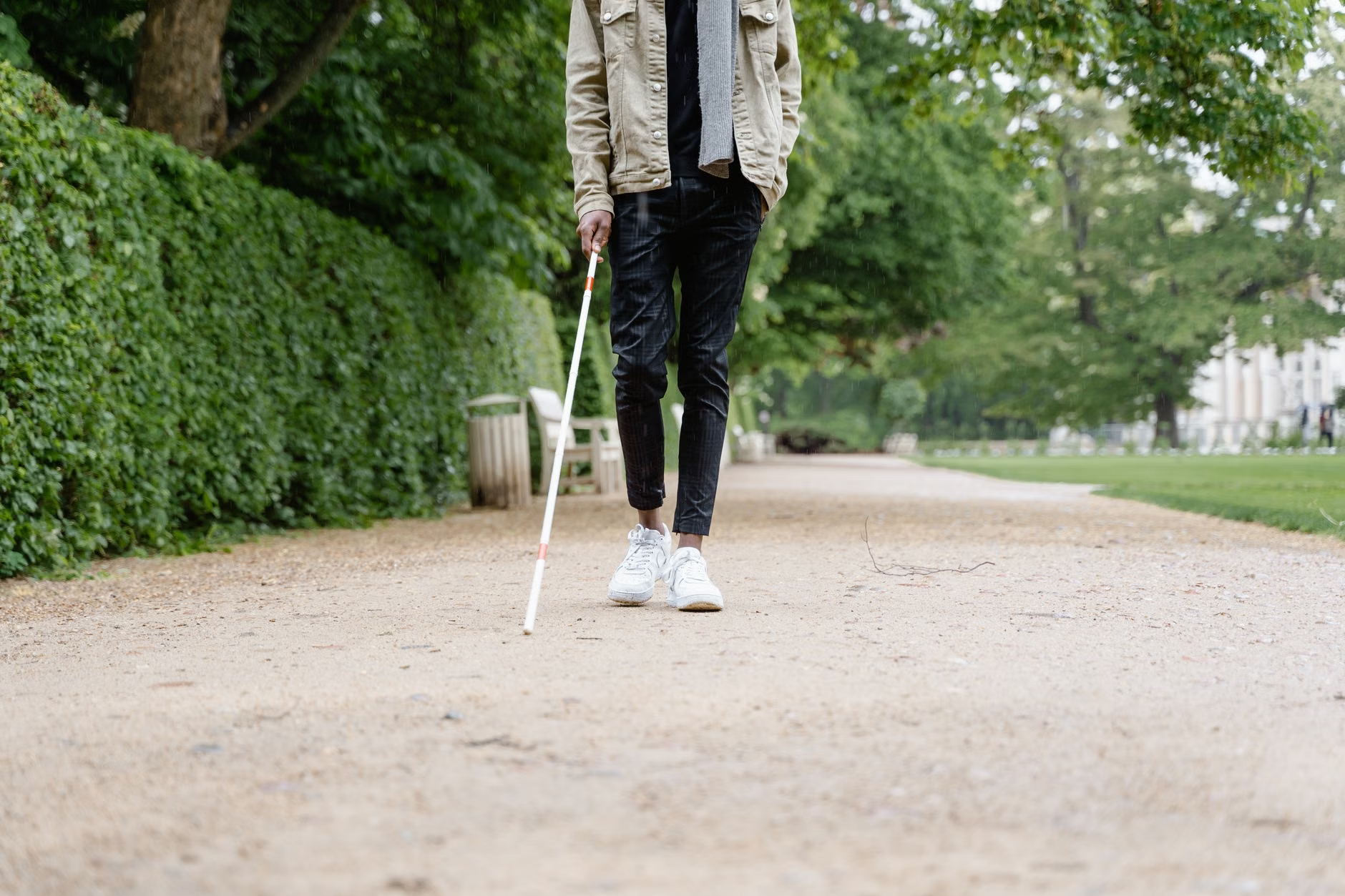
The Importance of Seated Tasting Experiences
Many winery tours are designed as “standing tours,” where guests walk through the production facility, followed by a standing wine tasting. For a traveler aged 60 to 80, this can be physically taxing. A better alternative is the “seated tasting” model.
What it looks like in real life: Instead of following a guide through a dark, steep cellar, you are escorted directly to a reserved table in the courtyard or the main hall. The staff brings the flights of wine to you, providing educational context while you remain comfortably seated. This approach allows you to enjoy the atmosphere and the product without the stress of navigating stairs or standing for 45 minutes.
What the reader can do: When booking, explicitly request a “seated tasting experience.” If the winery does not offer this as a standard, ask if they can reserve a table in the shade for your group. Always verify if the seating is on the ground level or if it requires climbing stairs to a mezzanine or rooftop terrace.
Logistics: Restrooms, Shade, and Hydration
Historic buildings often struggle with modern infrastructure. A beautiful 19th-century courtyard may have its only restroom located down a flight of stairs or across a long, uneven garden path.
Common Mistake: Assuming that because a winery is a “public-facing” business, it must have easily accessible restrooms. Many older estates have “heritage status,” which sometimes exempts them from modern accessibility retrofits.
The Checklist for Success:
- Proximity: Are the restrooms on the same level as the tasting room?
- Assistance: If you use a wheelchair, is the restroom door width at least 32 inches (approx. 81 cm)?
- Climate Control: Historic stone buildings can be damp and cold, while sunny courtyards can be dehydrating. Ensure you have a light jacket for the cellar and a hat/water for the courtyard.

Managing Stamina and Pace
The “winery tour” often implies a full-day itinerary. However, for a mature traveler, a “less is more” approach is vital for enjoyment. Trying to visit three wineries in a single day is a recipe for exhaustion and increases the risk of dehydration and balance-related incidents.
Insight: The “Hidden Inconvenience” of wine tasting is the cumulative effect of alcohol on balance and coordination. Even in small amounts, alcohol can impact your proprioception (the body’s ability to sense its position in space). When combined with uneven historic stone floors, this creates a significant safety risk. Limit your tasting to one or two high-quality wineries per day.
Strategic Planning:
- Morning Visits: The grounds are quieter, cooler, and the staff is more attentive.
- Transportation: Use a private driver or a guided tour service that provides door-to-door service. Parking at historic sites is often limited and requires long walks from remote lots.
- Hydration: For every glass of wine, consume two glasses of water. Keep a bottle of water with you at all times.
If you are traveling with a caregiver or family member, ensure that the winery’s emergency protocols are clear. Does the staff know where the nearest medical facility is? While this might seem excessive, it is a standard precaution for any traveler visiting remote rural regions.
Preparation Tips:
- Keep a digital copy of your medical history and current medications on your smartphone.
- Ensure your walking aid is in good condition before the trip. Check rubber tips for wear and tear.
- If you have specific dietary needs (e.g., low-sodium or gluten-free), check if the winery offers food pairings that meet these requirements, as historic wineries often have limited, set menus.
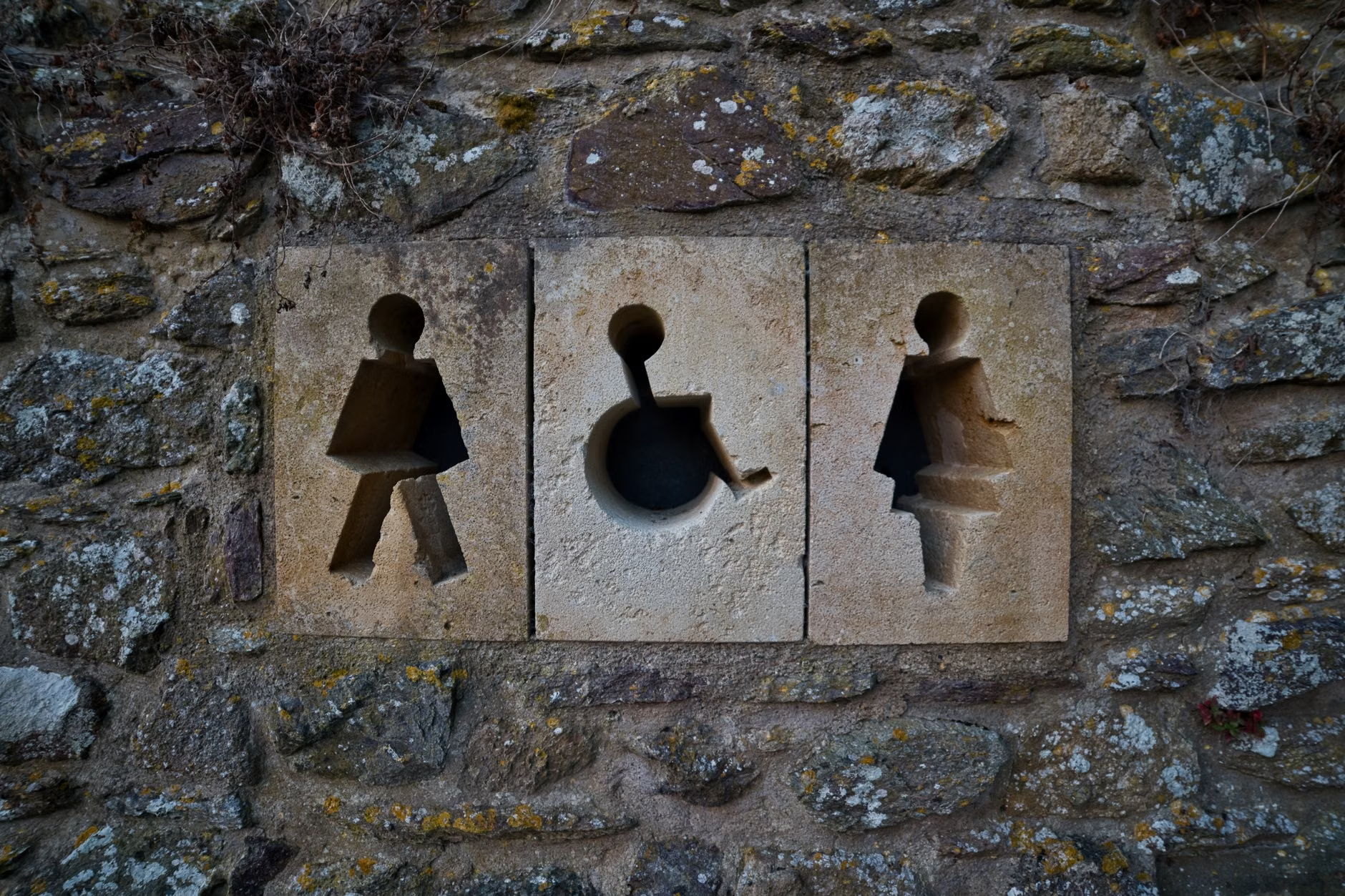
Conclusion: Prioritizing Comfort for a Memorable Experience
The charm of a historic winery should never come at the expense of your physical wellbeing. By prioritizing venues with level access, confirmed seating, and proximity to facilities, you can enjoy the history and the hospitality without the stress of physical strain. Remember, the goal of a winery tour is to savor the experience, not to conquer the geography. Choose one location, verify its accessibility, and allow yourself the time to enjoy it fully.
Frequently Asked Questions (FAQ)
1. How can I confirm if a historic winery is truly accessible?
Do not rely solely on the website. Call the winery directly and ask: “Is the pathway from the parking lot to the tasting room paved and level?” and “Are the restrooms located on the same floor as the tasting area without the use of stairs?” If they cannot answer these questions, it is likely the venue is not optimized for mobility needs.
2. Is it rude to ask for a seated tasting if one isn’t listed?
Not at all. Professional wineries understand the needs of all their guests. Simply phrase your request as a preference for a more intimate experience: “I would love to visit your winery, but I require a seated tasting experience for comfort. Can you accommodate this, or do you have a specific time of day when it is less crowded?”
3. What should I do if the winery grounds are too difficult to navigate once I arrive?
If you find that the terrain is unexpectedly challenging, do not force it. Speak to the staff immediately. Often, they have back entrances or service roads that are flatter and easier to navigate than the main visitor path. If the entire site is inaccessible, it is safer to enjoy the tasting in a designated area and skip the tour portion of the visit.
For further information on accessible travel standards, you can consult official resources such as the Americans with Disabilities Act (ADA) guidelines or the European Accessibility Act for local standards in the EU.