- Prioritize Accessibility Audits: Do not rely on the term “senior-friendly.” Always verify the presence of level-entry paths, elevator access, and seating frequency before booking.
- Manage Physical Stamina: Coastal environments often involve high humidity and wind. Factor in “recovery time” by planning only one primary site visit per day to ensure energy for the return trip.
- Leverage Digital Accessibility Tools: Use Google Street View or official park websites to “virtually walk” paths to check for steep inclines or gravel surfaces that may challenge your mobility.
Selecting a coastal lighthouse tour requires more than just picking a scenic destination. For mature travelers, the difference between a memorable outing and a physically taxing ordeal lies in the details of the site’s infrastructure. Lighthouses are historically built on rugged, elevated terrain, which often presents significant challenges regarding steep slopes, uneven ground, and limited interior accessibility.
This guide provides a systematic approach to evaluating, selecting, and preparing for lighthouse heritage tours, ensuring that your travel experience remains safe, comfortable, and enriching.
Understanding the Physical Reality of Historic Lighthouses
Most lighthouses were constructed in the 18th and 19th centuries with a primary purpose: visibility and structural integrity. They were never intended to host public tours, let alone accommodate modern accessibility standards. When you visit a lighthouse, you are often navigating a “heritage site,” which implies that modifications are strictly regulated or sometimes prohibited by conservation laws.
What it looks like in real life: A lighthouse may advertise “public access,” but this often refers only to the ground-level museum or the exterior grounds. The tower itself frequently features spiral staircases that are narrow, steep, and lack adequate handrails. For a traveler with knee joint concerns, balance issues, or limited stamina, attempting to climb these structures can pose a significant fall risk.
The “Accessibility Gap” in Heritage Sites
Many heritage organizations use the term “accessible” loosely. To avoid disappointment, you must distinguish between three levels of accessibility:
- Full Accessibility: The grounds, the visitor center, and at least the ground floor of the lighthouse are accessible via ramps or elevators.
- Partial Accessibility: The visitor center and grounds are paved and accessible, but the lighthouse tower is restricted to those who can navigate stairs.
- Limited Accessibility: The site involves gravel paths, significant elevation changes, and no indoor facilities for those with limited mobility.
Decision Criteria: How to Vet a Tour Before You Go
Before committing to a trip, you should perform a “remote inspection.” Do not rely on promotional brochures, which are designed to highlight the beauty of the site rather than its logistical constraints. Instead, follow this decision-making framework.
| Variable | What to Look For | Why It Matters |
|---|---|---|
| Path Surface | Paved, concrete, or boardwalk. | Prevents tripping on loose gravel or uneven earth. |
| Incline | Under 5% grade for wheelchair/walker use. | Steep inclines consume significant stamina. |
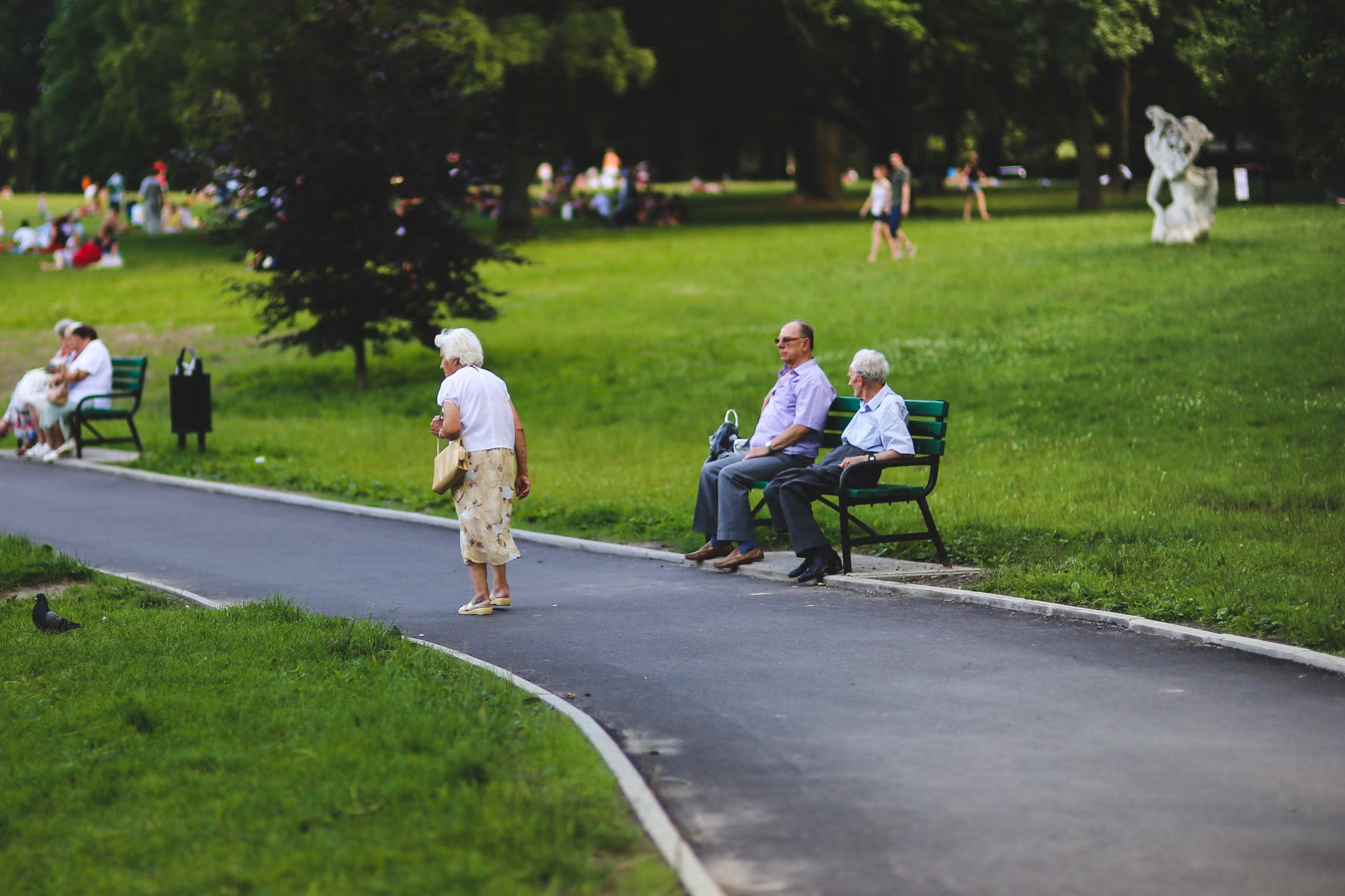
| Resting Points | Benches every 50-100 meters. | Allows for recovery during long coastal walks. |
| Indoor Climate | Climate-controlled visitor centers. | Mitigates the impact of high humidity or wind. |
Practical Decision Rule: If the official website does not explicitly mention “wheelchair access” or “level entry,” assume the site is not fully accessible. Contact the site manager directly and ask: “Is there a continuous, paved, level path from the parking lot to the main visitor entrance?” If they cannot confirm this, consider an alternative destination.
Managing Energy and Mobility in Coastal Environments
Coastal lighthouses are by definition situated in exposed, windy, and often humid environments. These conditions impact your energy expenditure more than you might expect. Even if a site is physically accessible, the environmental factors can lead to rapid fatigue.
The “Recovery-First” Itinerary
Many travelers try to visit two or three lighthouses in a single day. This is a common mistake that leads to exhaustion. Instead, adopt a “recovery-first” approach:
- Morning Focus: Visit the lighthouse during the early morning hours (between 9:00 AM and 11:00 AM) when the temperature is cooler and the crowds are thinner.
- Midday Break: Plan a long, seated lunch in a nearby town. This provides a two-hour window of rest.
- Afternoon Leisure: Use the afternoon for a low-energy activity, such as a scenic drive or a visit to a local history center, rather than more walking.
Important Insight: Coastal wind can be surprisingly strong and disorienting. If you use a cane or a walker, ensure it has rubber ferrules (tips) that provide good grip on potentially damp or sandy surfaces. If you suffer from vertigo or balance issues, avoid walking near the edge of cliffs, even if there is a barrier, as the wind gusts can be unsettling.

The journey to the lighthouse is often as significant as the destination. Many historic lighthouses are located at the end of narrow, winding coastal roads. If you are driving yourself, consider the following:
- Parking Proximity: Some sites have “accessible parking” that is still 300 meters away from the actual entrance. Check if there is a drop-off zone near the main gate.
- Public Transport Limitations: In many countries, public buses do not reach remote lighthouse locations. If you do not drive, look for “heritage shuttle tours” that are specifically designed for older adults. These tours often provide door-to-door service and minimize the need for walking between sites.
- Cost Considerations: When booking private tours, verify the “all-in” cost. Some tour operators charge extra for “porterage” or assistance services. Always clarify if the price includes entry fees to all structures on the site.
Checklist for Pre-Trip Preparation
- [ ] Medication Management: Keep a list of medications in your wallet. Coastal trips often involve changes in routine that can lead to missed doses.
- [ ] Hydration Strategy: Coastal air can be dehydrating. Carry a reusable water bottle, as remote lighthouse sites often lack vending machines or shops.
- [ ] Communication: Ensure your mobile phone is fully charged and that you have downloaded offline maps of the area, as coastal signals can be notoriously unreliable.
Common Misconceptions and Hidden Inconveniences
A frequent error is assuming that because a site is a “National Monument” or “State Park,” it must meet modern accessibility standards. In reality, many heritage designations prioritize the preservation of the original structure over modern modifications. This can lead to unexpected trade-offs.
The “Staircase Illusion”
You may find a lighthouse that offers a “virtual tour” on the first floor. While this sounds like a great compromise, be aware that these are often located in dark, cramped rooms with poor ventilation. If you have any concerns about confined spaces or poor lighting, it is often better to enjoy the exterior of the lighthouse and the surrounding landscape, which is typically the highlight of the trip anyway.
Hidden Inconveniences to Watch For:
- Restroom Availability: Many remote lighthouses rely on portable toilets or older, non-accessible facilities. Always check the official site for “ADA-compliant” or “wheelchair-accessible” restroom terminology.
- Surface Transitions: You might encounter a “seamless” transition from a parking lot to a path, only to find that the path turns into loose gravel 50 meters later. Always view the satellite imagery on map applications to identify the texture of the ground.
Professional Care and Support During Travel
If you are traveling with a caregiver or a family member, use the lighthouse visit as a collaborative experience rather than a task. If you require assistance with mobility, ensure that the person accompanying you is briefed on your specific needs—for example, the need to stop and rest every 15 minutes.
If you have specific health conditions, such as cardiovascular issues or mobility limitations, it is wise to keep a “travel health file” handy. This should include a brief summary of your health needs, contact information for your primary care physician, and a list of any mobility aids you are currently using. While you do not need to share this with tour operators, having it accessible can be invaluable in the event of an emergency.
Conclusion: Crafting Your Own Lighthouse Experience
The beauty of coastal lighthouse heritage lies in the history, the architecture, and the profound connection to the sea. By focusing on your own mobility needs and prioritizing sites that offer genuine, verified accessibility, you can enjoy these iconic structures without the stress of physical strain.
Remember that the goal of a heritage tour is to learn and reflect. If you find that the tower climb is not for you, the exterior grounds and the visitor center often contain the most interesting historical information. Give yourself permission to enjoy the destination at your own pace, and always prioritize your comfort and safety above the “must-see” list.
Frequently Asked Questions (FAQ)
1. How can I confirm if a lighthouse site is truly wheelchair accessible?
Do not rely solely on the website. Call the site directly and ask for the “ADA coordinator” or the “site manager.” Ask specifically if there is a path that is free of stairs, steep inclines, and loose gravel from the parking area to the main entrance. You can also look up the site on Google Maps and use the “Street View” function to inspect the entrance path yourself.
2. What should I do if I have limited stamina but still want to see the lighthouse tower?
Many modern heritage sites now offer a digital “virtual reality” experience or a high-definition video tour of the top of the lighthouse located within the ground-floor visitor center. This allows you to experience the view and the architectural details of the lantern room without the physical exertion of climbing the stairs. Always check the site’s “accessibility” page for this feature.
3. Are there specific times of the year that are better for older travelers to visit lighthouses?
Generally, the “shoulder seasons”—spring (April to May) and autumn (September to October)—are ideal. During these times, the weather is typically mild, the crowds are significantly smaller, and the cost of travel is often lower. Avoid the peak summer months if you are sensitive to heat or if you prefer to avoid the busy crowds that can make navigating paths and facilities more difficult.
Official Resources for Further Research: