- Digital-First Transition: By 2026, many global cities are phasing out paper tickets in favor of contactless cards and mobile apps; preparation is key to avoiding service disruptions.
- Universal Eligibility Checks: New automated fare systems require pre-registration of senior status to ensure automatic discounts, replacing manual ID checks at the gate.
- Proactive Mobility Planning: Relying on official transit apps or dedicated senior information portals is now the most effective way to verify real-time accessibility status and station elevator availability.
Introduction: The Changing Landscape of Public Transit
As we move into 2026, public transit systems worldwide are undergoing a significant transformation. The transition toward fully digital ticketing and automated fare collection is not merely a technical upgrade; it is a fundamental shift in how older adults interact with city infrastructure. For those aged 60 to 80, this evolution offers the promise of seamless, contactless travel, but it also presents hurdles for those accustomed to traditional paper-based systems or manual concessions.
This guide explores what these 2026 updates mean for your daily commute and your travel plans. Whether you are navigating a bus system in Europe, a subway in North America, or light rail in Asia, the principles of preparation and digital literacy are becoming the new standard for independent travel. Our goal is to ensure you remain empowered, informed, and capable of navigating these systems with confidence.
The Shift Toward Contactless and Digital Ticketing
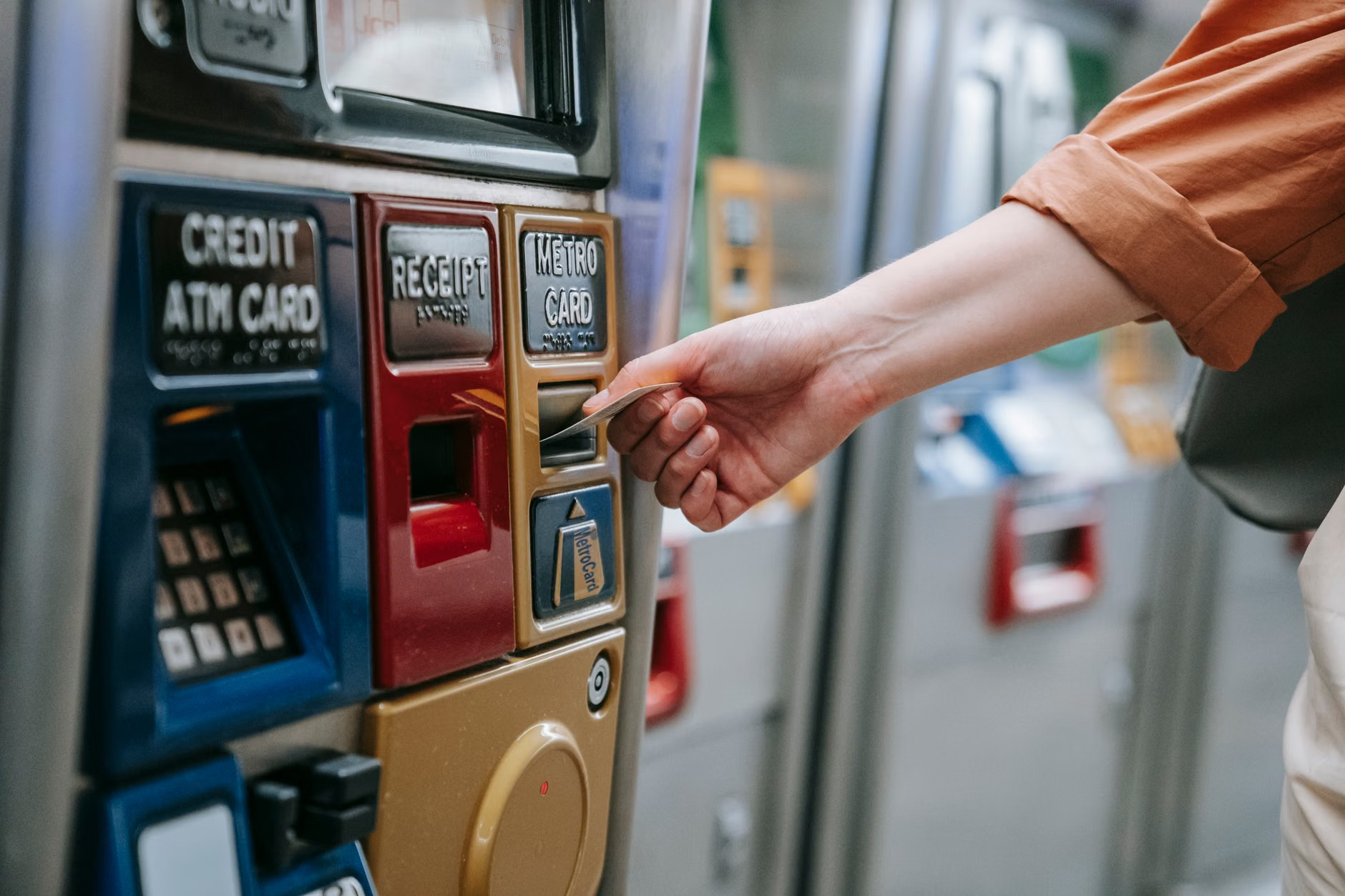
The most prominent trend in 2026 is the “decommissioning” of magnetic stripe paper tickets and the rise of “Open Loop” payment systems. An Open Loop system allows you to pay for transit using the same contactless credit card or smartphone wallet you use at a grocery store or pharmacy.
What It Is and Why It Matters
Historically, transit authorities required riders to purchase specific cards (like the Oyster card in London or the MetroCard in New York). In 2026, these are being replaced by systems that recognize your bank card directly. For the rider, this removes the “top-up” anxiety—you no longer need to find a kiosk to add credit to a specific transit card.
Practical Steps for a Smooth Transition
- Check Your Bank Card: Ensure your bank card has the “contactless” symbol (a series of four curved lines). If it does not, request a new card from your financial institution well before your next trip.
- Smartphone Wallets: If you are comfortable using a smartphone, adding your credit card to Apple Pay, Google Pay, or Samsung Pay creates a redundant backup. If you lose your physical card, your phone becomes your ticket.
- The “Senior Discount” Trap: This is a critical nuance. Using a standard credit card often means you pay the full adult fare. To receive your senior concession, you must link your identity to your digital profile in the transit agency’s specific app or portal.
Automated Concession Verification
In the past, seniors often showed a physical ID or a “Senior Railcard” to a gate agent or bus driver. In 2026, these interactions are being replaced by “backend verification.”
How It Works
When you register for a transit account online, you upload proof of age once. The system then “tags” your digital account as eligible for senior discounts. When you tap your card at a reader, the system instantly identifies you as a senior and applies the reduced fare automatically.
Common Mistakes to Avoid
The most common error is assuming that tapping your credit card will automatically trigger a senior discount. Unless you have pre-registered that specific card number with the transit authority, you will be charged the standard fare. Always check the official website of the city you are visiting to see if they offer a “Senior Transit Portal.”
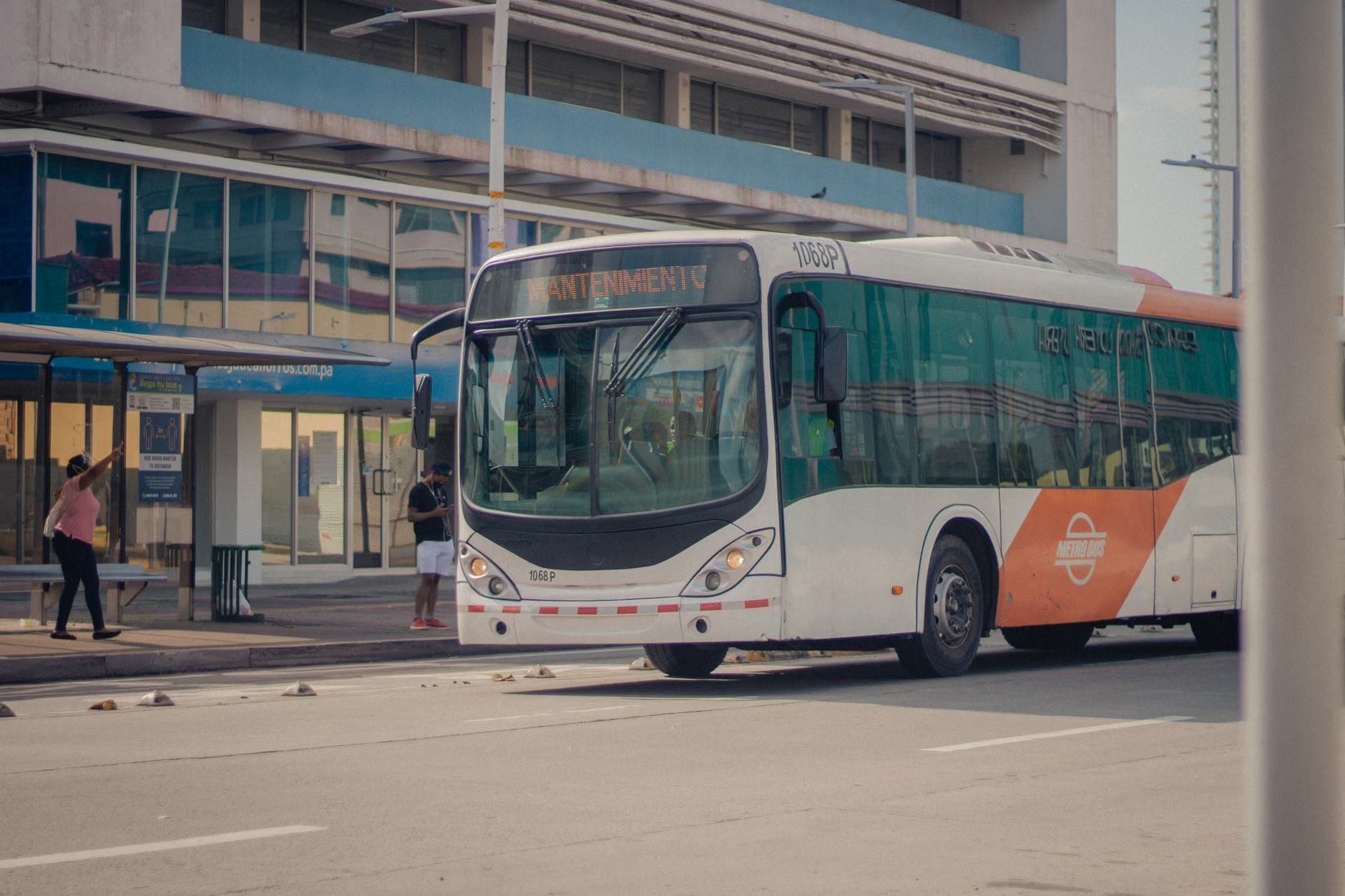
Digital transformation is not just about payments; it is about real-time information. In 2026, accessibility features such as elevator status, ramp availability, and crowdedness levels are integrated into official transit apps.
The “Accessibility Dashboard” Concept
Many major metropolitan transit agencies (e.g., Transport for London, Tokyo Metro, MTA New York) have introduced live “Accessibility Dashboards.” Before you leave your home, you can check if the elevators at your destination station are operational. This prevents the frustration of arriving at a station only to find you must navigate stairs unexpectedly.
| Feature | Old Way (Pre-2026) | New Way (2026) |
|---|---|---|
| Fare Payment | Cash or specific transit card | Contactless bank card or smartphone |
| Concessions | Showing ID to staff | Pre-registered digital account |
| Navigation | Paper maps | Live mobile app updates |
| Accessibility | Asking staff for help | Real-time app notifications on lift status |
The “New Way” requires more technical preparation but offers significantly more autonomy. If you have limited stamina or mobility, checking the app for elevator status should be as routine as checking the weather forecast.
Global Variations: What to Expect by Region
It is important to note that these systems are not uniform globally. A system that works in Singapore may look entirely different from a system in rural France.
European Union: The Interoperability Push
The EU is pushing for “MaaS” (Mobility as a Service). This means a single app should theoretically cover trains, buses, and even bike-shares across different cities. If you are traveling between countries, look for the “European Mobility Pass” initiatives, which aim to standardize senior discounts across borders.
North America: The “Closed-Loop” to “Open-Loop” Shift
Major cities are aggressively moving toward Open Loop payments. If you are visiting, do not bother buying local transit cards. Register your credit card on the city’s transit website 48 hours before you arrive to ensure your senior status is recognized.
Asia-Pacific: High Integration
In cities like Tokyo, Seoul, and Sydney, the systems are already highly advanced. You will find that “IC cards” (integrated circuit cards) are still the primary mode of transit, but these are increasingly being replaced by smartphone-based digital passes. For the international traveler, look for “Tourist Passes” that offer unlimited travel for a set number of days—these are often more cost-effective than paying per trip.

Planning Your Journey: A Practical Checklist
To ensure your travel remains safe and comfortable, adopt a “Pre-Departure Verification” routine. This is not just for international travel; it applies to your local city commute as well.
- Verify the Payment Method: Does your local system accept “Contactless”? If not, find the nearest retail location that sells the required card.
- Register for Concessions: Visit the official transit website. Is there a “Senior” or “Reduced Fare” registration form? Fill this out online.
- Download the App: Do not rely on third-party map apps. Download the official app of the transit authority. These apps provide the most accurate real-time data on delays and accessibility.
- Carry a Physical Backup: While digital is efficient, technology can fail. Always carry a small amount of local currency or a backup travel card in your wallet.
- Plan for “Buffer Time”: If you are traveling with mobility aids, add 15 minutes to your estimated travel time to account for potential elevator detours or slow boarding processes.
Addressing Hidden Inconveniences
One overlooked variable is the “Data Privacy vs. Convenience” trade-off. To receive automated senior discounts, you are often required to provide personal identification and, in some cases, a photograph to the transit authority. This is a legitimate security measure to prevent fare fraud. Ensure you are only uploading these documents to the official, verified “.gov” or “.org” transit websites. Never provide such information via email or third-party links.
Another issue is “Device Dependency.” If your smartphone battery dies, you may find yourself unable to pay for your fare. A simple solution is to carry a small, portable power bank. This is a low-cost investment that significantly increases your independence and safety while traveling.
Conclusion: Maintaining Your Independence
The 2026 public transit updates are designed to make travel faster and more efficient, but they assume a level of digital connectivity that can be daunting. By taking the time now to register your accounts, understand your city’s payment systems, and utilize official accessibility tools, you are not just keeping up with technology—you are ensuring your continued freedom to explore and commute on your own terms. Accessibility is a right, and in 2026, it is increasingly delivered through the screen of a device in your pocket.
Frequently Asked Questions
1. Do I need to buy a new transit card for every city I visit?
In 2026, this is becoming less necessary. Most major cities now accept “contactless” payment via your own bank card or smartphone. However, if you want to access senior-specific discounts, you must check the city’s official transit website to see if you need to register your card for a “concession” status before you arrive.
2. What if I am not comfortable using a smartphone for transit?
While digital options are expanding, most transit authorities are legally required to maintain accessible alternatives. You can usually purchase physical smart cards at ticket machines or customer service centers. While these may not offer the same “real-time” app benefits, they will function perfectly for travel. Check the transit authority’s website for “Retail Locations” to find where you can purchase these cards in person.
3. Are senior discounts applied automatically if I use my bank card?
No. Most systems treat a standard bank card as an “Adult” fare. To receive a senior discount, you must associate your identity and age-verification documents with that specific bank card through the transit authority’s official, secure online portal. Once linked, the system will automatically charge you the discounted rate whenever you tap that card.
For further information on specific regional transit policies, please refer to the official websites of your local transit providers, such as Transport for London or the Metropolitan Transportation Authority (MTA).