- Cognitive Engagement: Digital photography requires sustained attention, pattern recognition, and spatial reasoning, which are essential for maintaining neuroplasticity.
- Technical Empowerment: Mastering camera settings and file management builds digital literacy, reducing anxiety around modern technology.
- Mindful Observation: The practice of “seeing” a shot encourages mindfulness and improves visual memory, helping to keep the mind sharp and present.
Learning digital photography is far more than an artistic pursuit; it is a sophisticated cognitive exercise that bridges the gap between technical mastery and creative expression. For older adults, this hobby offers a structured way to engage the brain, improve fine motor skills, and foster a deeper connection with the surrounding environment. By shifting from a passive observer to an active creator, you are effectively training your mind to process information, solve problems, and appreciate details that are often overlooked in daily life.
The Neuroscience of Photography: Why Your Brain Loves the Camera
When you pick up a camera, your brain enters a state of heightened alertness. This is not the stressful kind of alertness, but rather a “flow state” where the prefrontal cortex—the area responsible for complex planning, decision-making, and focus—becomes highly active. Photography requires you to synthesize multiple streams of information simultaneously: the quality of light, the composition of the frame, the distance to the subject, and the technical settings of the device.
Research into cognitive aging suggests that engaging in mentally stimulating activities that have a “learning curve” can help build cognitive reserve. Unlike repetitive tasks, photography presents a constantly changing set of variables. Every environment provides a new “problem” to solve, such as determining how to compensate for low light in a dim room or how to capture the movement of a bird in flight. This constant need for adaptation forces the brain to form new neural pathways, a process known as neuroplasticity.
Improving Visual Memory and Spatial Awareness
One of the most significant cognitive benefits of photography is the enhancement of visual processing. As you look through a viewfinder or at an LCD screen, you are training your eyes to scan for patterns, textures, and geometric relationships. This practice strengthens the connection between the visual cortex and the hippocampus, the part of the brain associated with memory. You aren’t just “taking a picture”; you are encoding a moment into your memory with greater depth and detail because you have consciously analyzed it.
The Role of Fine Motor Coordination
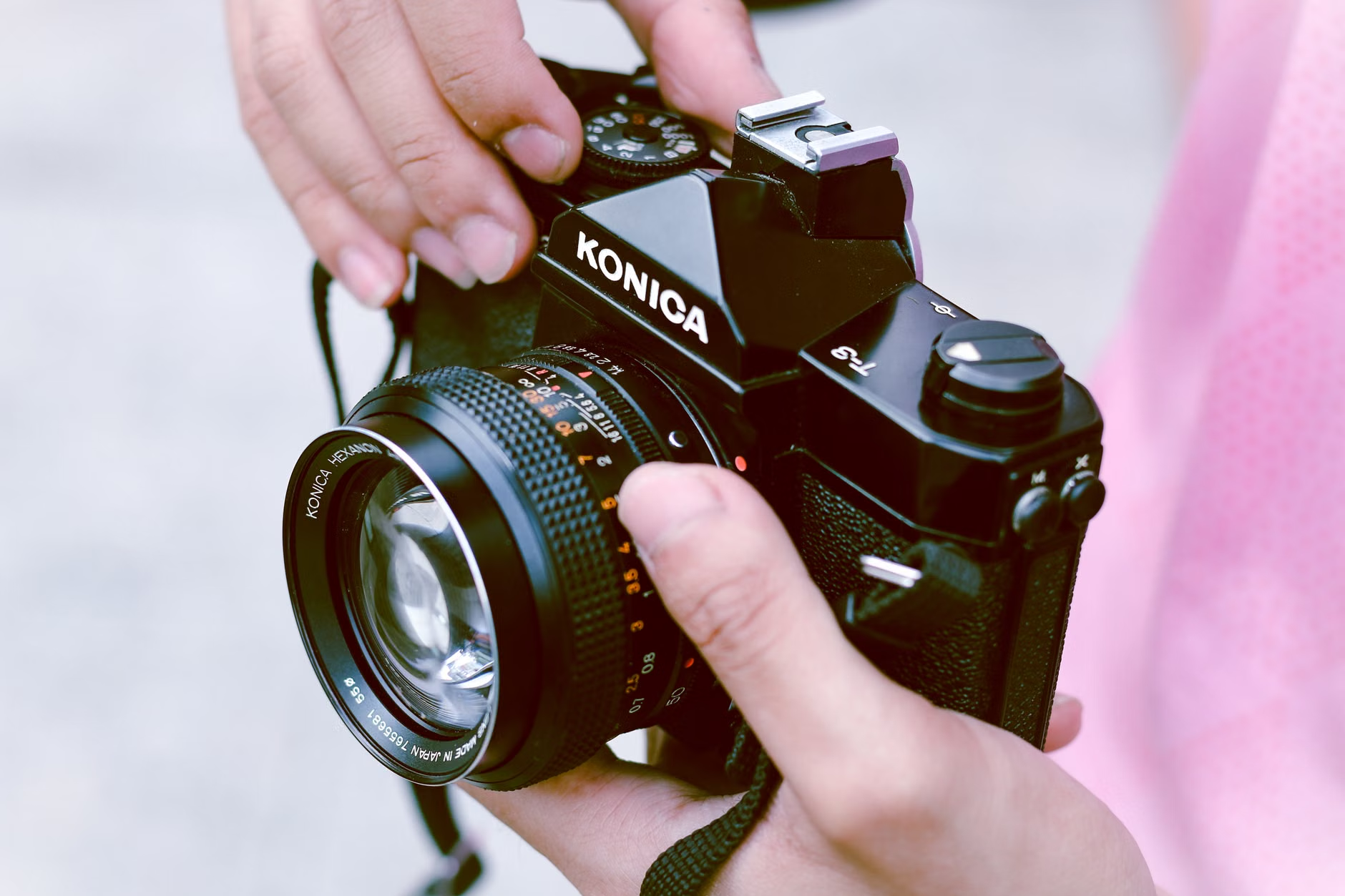
Modern digital cameras, while becoming more automated, still require precise manual input. Adjusting a zoom ring, pressing a shutter button with the correct amount of pressure, or navigating a touchscreen menu requires fine motor control. For many adults, maintaining this dexterity is crucial for overall physical health. The coordination required to hold a camera steady while adjusting settings improves hand-eye coordination and proprioception—your body’s ability to sense its position in space.
Beyond the Shutter: Digital Literacy and Technical Confidence
A frequent challenge for many older adults in the digital age is the feeling of being “left behind” by rapidly evolving technology. Learning digital photography is an excellent, low-stakes way to master digital literacy. It is not just about the camera; it involves understanding file systems, learning how to transfer images, basic photo editing, and cloud storage.
What it looks like in real life: Imagine you have spent the morning taking photos at a local park. When you return home, you must connect your camera to your computer, locate the files, rename them, and perhaps perform a simple “auto-adjust” in a photo editing program. This sequence of actions reinforces organizational skills and computer navigation. By the time you have successfully backed up your photos to a secure folder, you have practiced a set of digital skills that are transferable to managing emails, online banking, or video calls with family.
| Task | Cognitive Skill Required | Practical Benefit |
|---|---|---|
| Composing a Shot | Spatial reasoning and pattern recognition | Better focus and situational awareness |
| Adjusting Settings | Logical deduction and problem-solving | Increased confidence with digital interfaces |
| Organizing Files | Executive function and categorization | Improved digital file management skills |
| Editing Images | Attention to detail and aesthetic judgment | Enhanced visual memory and patience |
The table above illustrates how specific photography tasks translate into cognitive and practical benefits. When you are editing an image, for example, you are not just making it “look nice.” You are making micro-decisions about contrast, brightness, and color balance. These decisions require patience and a critical eye, which are excellent exercises for the brain’s executive functions.
Cultivating Mindful Observation Through the Lens
Photography is a powerful tool for mindfulness. In a world that often moves too fast, the camera acts as an anchor. When you are looking for a subject to photograph, you are forced to slow down. You begin to notice the way the light hits a leaf, the texture of a brick wall, or the rhythm of people walking down a street. This shift in perspective—from looking to truly seeing—is a form of meditation.
The “Slowing Down” Effect
Many older adults report that they feel more “present” when they carry a camera. Because you are actively seeking beauty or interest, you are less likely to be distracted by ruminative thoughts or anxieties. You are focused on the immediate environment. This practice of “active looking” has been shown to reduce stress levels and improve mood by shifting the brain’s focus toward positive or neutral environmental stimuli.

Practical Steps to Getting Started
You do not need a high-end, professional camera to reap these benefits. In fact, starting with a simple device is often better because it allows you to focus on the process rather than the equipment. Here is a step-by-step approach to starting your photography journey.
- Choose Your Equipment: Start with what you have. A modern smartphone is a powerful tool. If you decide to upgrade, look for a “bridge camera” or a “mirrorless camera” that is lightweight and has a clear, high-resolution screen. Weight is a factor; if a camera is too heavy, you will be less likely to carry it, and the habit will not form.
- Master One Setting at a Time: Do not try to learn the entire manual in one day. Start by understanding “Exposure Compensation”—how to make a photo brighter or darker. Once you are comfortable, move on to “Focusing” and then “Composition.”
- Set a “Photo Goal”: Give yourself a small assignment each week. For example, “This week, I will take five photos of different types of textures.” This provides structure and a sense of accomplishment.
- Join a Community: Look for a local senior center photography group or an online forum. Sharing your work with others provides social stimulation, which is another vital pillar of cognitive health.
A common mistake to avoid: Many beginners spend more time researching cameras than actually using them. The “best” camera is the one you feel comfortable holding and using regularly. Prioritize ergonomics—how the camera fits in your hand—over technical specifications like megapixels, which are often irrelevant for standard viewing.
Managing the Learning Curve: Troubleshooting and Stamina
It is natural to feel frustrated when technology does not behave as expected. If you find yourself struggling with a menu system or a software update, remember that this frustration is actually part of the brain-training process. You are building “frustration tolerance,” which is a key component of psychological resilience.
Physical Considerations: If you have limited mobility, you don’t need to travel far to practice photography. Your home, garden, or a nearby bench in a local park are excellent subjects. In fact, “micro-photography”—taking pictures of small objects like kitchen items or plants—can be done from a seated position and is a fantastic way to develop an eye for detail without taxing your physical stamina.

When to Seek Help
If you find that the technical side of photography is causing more stress than enjoyment, don’t hesitate to ask for help from a family member, a local library tech volunteer, or a community center instructor. There is no shame in asking for guidance. The goal is to keep the hobby sustainable and enjoyable. If you notice that you are consistently unable to recall how to perform basic tasks despite repeated practice, it may be worth discussing this with your primary care provider, as memory challenges can sometimes be linked to other health factors that are easier to manage when identified early.
Conclusion: Photography as a Lifelong Habit
Learning digital photography is an investment in your cognitive longevity. By engaging your brain in the creative and technical challenges of capturing the world around you, you are doing more than creating an album of memories; you are strengthening your mind. Whether you are capturing the smile of a grandchild or the intricate patterns of a garden flower, every photograph is proof of your continued engagement with the world.
The most important takeaway is to keep the practice consistent but low-pressure. You do not need to be a professional photographer to enjoy the cognitive benefits. You only need to be curious. Start today by taking one photograph of something that catches your eye. Notice the light, compose the frame, and enjoy the process of seeing the world in a new, clearer way.
Frequently Asked Questions
1. Is it better to start with a smartphone or a dedicated camera?
For most beginners, starting with a smartphone is ideal because it removes the barrier of carrying extra equipment. Once you feel that you have reached the limits of your phone’s capabilities—such as wanting more control over zoom or depth of field—you can then consider a dedicated mirrorless camera. The cognitive benefits are the same regardless of the device.
2. How much time should I spend on photography to see cognitive benefits?
Consistency is more important than duration. Spending 15 to 30 minutes, two or three times a week, is far more effective for brain health than spending five hours once a month. This frequent, shorter engagement keeps the neural pathways active and prevents the “learning gaps” that occur with infrequent practice.
3. Can photography help if I have physical limitations or limited mobility?
Absolutely. Photography is highly adaptable. If you have mobility concerns, focus on “still life” photography, which allows you to set up a subject on a table and photograph it from a comfortable, seated position. This removes the need for walking or standing for long periods while still providing all the cognitive and creative benefits of the hobby.
For further information on maintaining cognitive health through activity, you may visit the National Institute on Aging (NIA) for resources on healthy aging and lifestyle habits.