The most important factor in selecting a historic clock-tower tour is verifying the specific type of vertical transport available, as many historic structures rely exclusively on narrow, winding stone staircases that pose significant risks to those with balance or mobility concerns.
- Vertical Access is Non-Negotiable: Always confirm if a modern elevator or lift is installed, as historic “tours” often imply climbing steep, uneven medieval stairs.
- Pacing and Recovery: Prioritize tours that offer mid-level stopping points or dedicated seating areas, as historic towers lack climate control and adequate rest spots.
- Digital Pre-Screening: Utilize 360-degree virtual tours or contact the site manager directly to ask about floor surface materials, which are often uneven or slippery in older towers.
Understanding the Physical Realities of Historic Tower Tours
Historic clock towers, often dating back hundreds of years, were built for utility and defense, not for modern accessibility. When choosing a tour, it is essential to distinguish between a “viewing platform” tour and a “mechanism” tour.
What it is: A mechanism tour often involves walking through tight, confined spaces to see the inner workings of the clock, such as gears, weights, and pendulums. These areas are frequently dusty, poorly lit, and require navigating low beams or narrow passages.
Why it matters: For a traveler aged 60 to 80, these environments present risks related to lighting and spatial awareness. If you have any history of vertigo, joint stiffness, or respiratory sensitivity to dust, a mechanism tour may prove physically taxing or uncomfortable.
What the reader can do: Before booking, request a “physical access profile” from the tour operator. Specifically, ask: “Are the walkways level and at least 36 inches wide?” and “Is there a continuous handrail available on both sides of any stairs?”
Evaluating Vertical Transportation and Accessibility
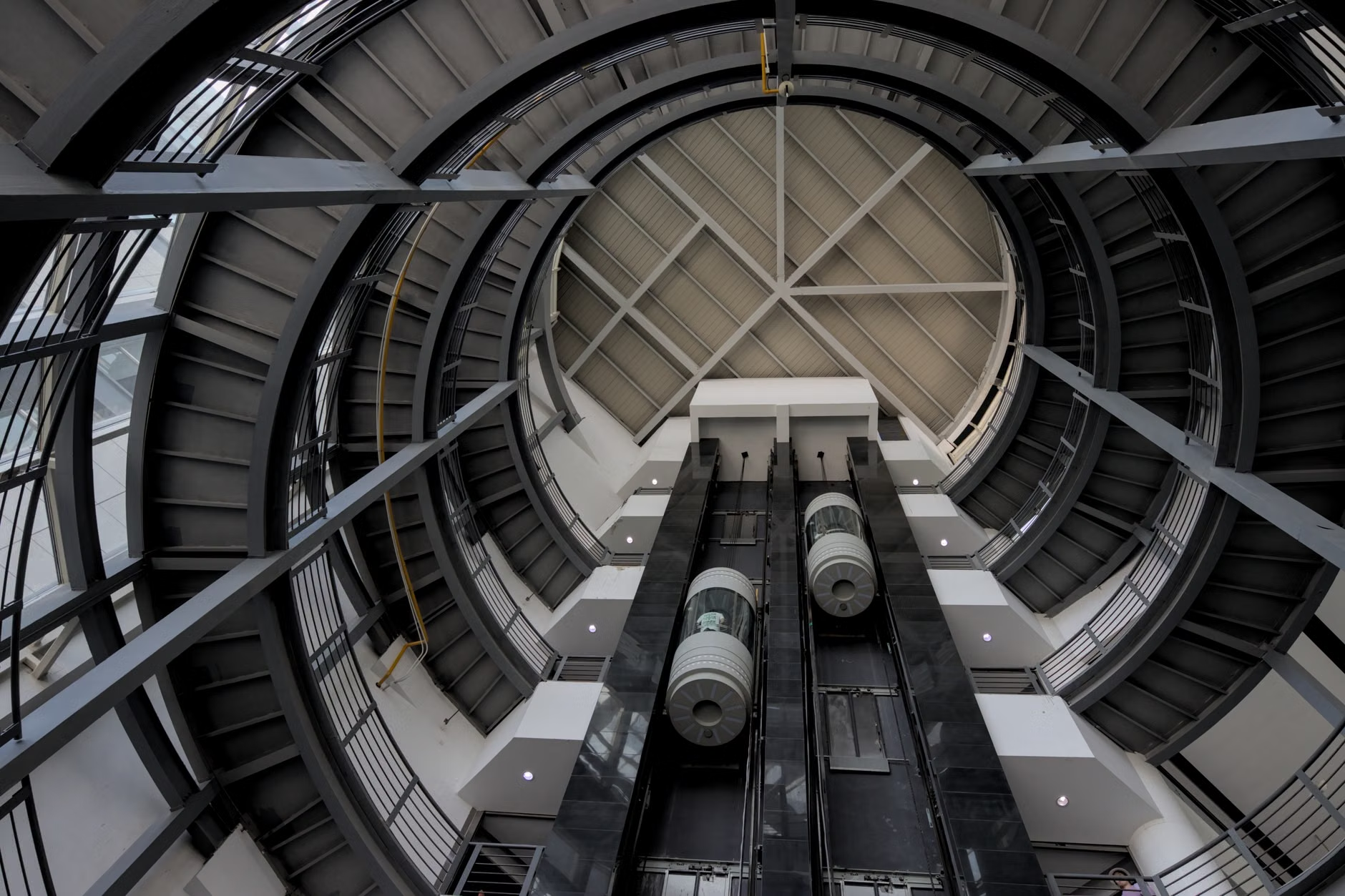
The most significant hurdle in visiting a clock tower is the ascent. Many heritage sites have been retrofitted with elevators, but these are rarely full-sized commercial lifts. They are often smaller, specialized units.
Comparing Access Methods
| Method | Accessibility Level | Best For |
|---|---|---|
| External Modern Lift | High | Those with limited stamina or mobility aids. |
| Integrated Internal Lift | Moderate | Those who can walk short distances but avoid stairs. |
| Spiral Stone Staircase | Very Low | Not recommended for those with balance or knee issues. |
If the tour requires climbing stairs, do not assume they are standard. Historic spiral staircases often feature “winders”—triangular steps that are narrow on one side and wide on the other. This design creates a dangerous uneven gait, which can lead to fatigue or falls even for those who are otherwise fit.
Planning Your Visit: A Step-by-Step Approach
To ensure a safe and enjoyable experience, follow this structured planning process. This prevents the common mistake of arriving at a site only to realize the tour is inaccessible.
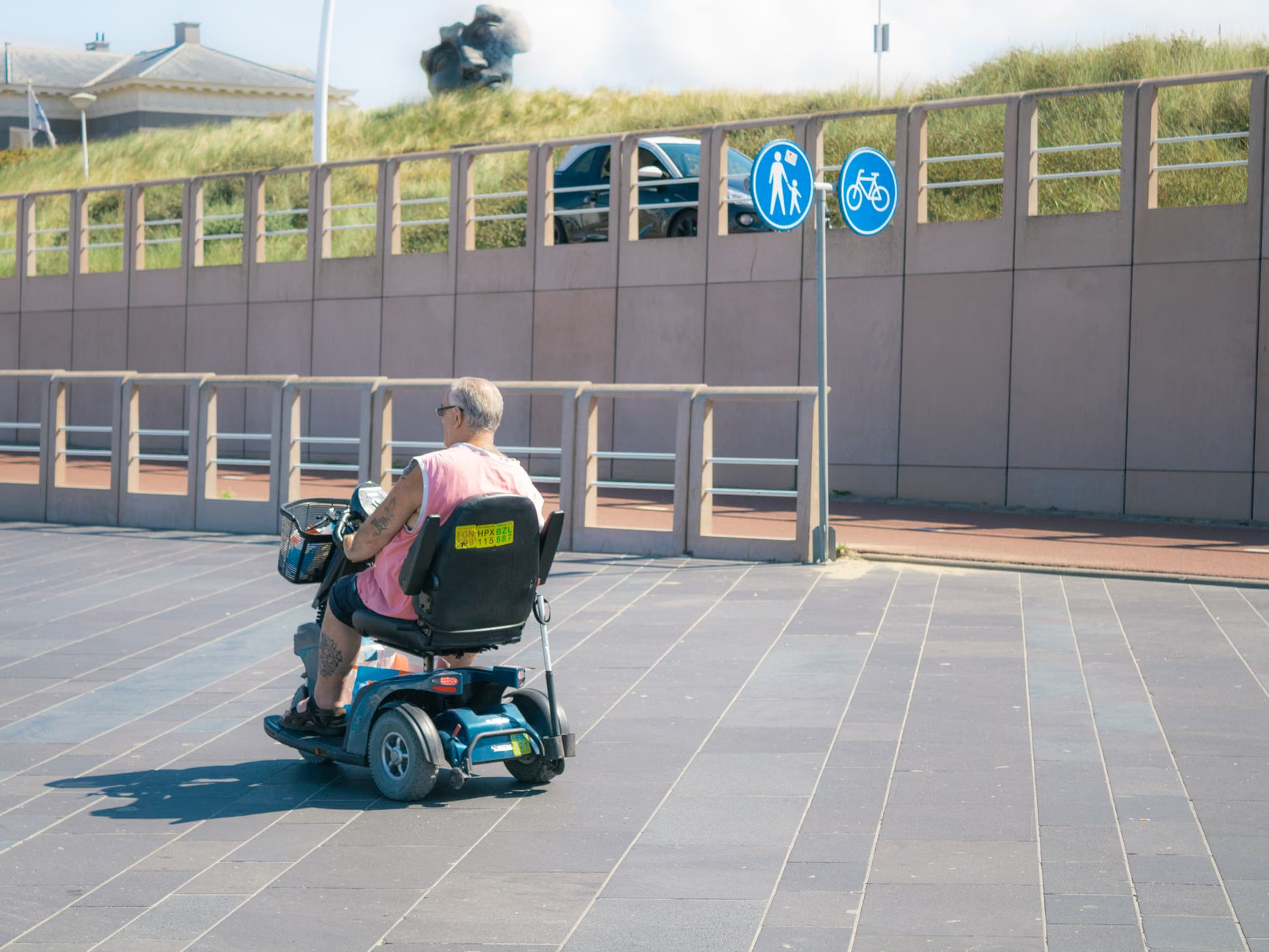
- Verify the “Last Mile”: Check the distance from the nearest public transport drop-off point to the tower entrance. Historic city centers are often cobbled, which can be difficult for wheeled luggage or those with unstable footing.
- Check Climate Controls: Towers are notoriously cold in winter and hot in summer. Ensure your clothing layers are easy to remove or add without needing a changing room, which is often unavailable in these sites.
- Inquire About “Rest-Stop” Policies: Ask if the tour is a continuous walking experience or if there are designated “pause points.” A 60-minute tour without a place to sit is rarely suitable for seniors, regardless of overall fitness.
The Hidden Variables: What Most Guides Ignore
Beyond the obvious physical constraints, there are two frequently overlooked factors: lighting transitions and air quality.
Lighting Transitions: Moving from the bright exterior of a city plaza into a dim, stone-walled clock tower creates a significant challenge for the eyes. The human eye takes longer to adjust to low-light environments as we age. Look for tours that provide a “decompression” area—a lit lobby or transition space—before entering the main tower.
Air Quality and Dust: Historic towers often harbor centuries of dust and sometimes mold in their upper reaches. If you have asthma or chronic obstructive pulmonary disease (COPD), inquire if the tower is regularly cleaned and well-ventilated. It is a reasonable request to ask for a tour path that avoids the most confined, poorly ventilated areas.
Practical Decision Criteria for Your Next Trip
When choosing between two similar sites, use the following criteria to make your final decision:
- Proximity of Medical Services: In the event of an emergency, how far is the nearest hospital? Larger cities usually have better access, whereas remote rural towers may be hours away from advanced care.
- Staffing Ratio: Does the tour offer a guide-to-guest ratio of at least 1:10? A smaller group ensures the guide can move at a pace comfortable for everyone and assist with potential mobility hurdles.
- Booking Flexibility: Can you change your ticket date without penalty if you are feeling fatigued or if the weather makes the tower ascent unsafe?
Conclusion: Prioritizing Your Wellbeing
Visiting a historic clock tower can be a highlight of your travels, offering unique perspectives and a deep connection to history. However, the allure of the view should never outweigh your personal safety or physical comfort. By conducting thorough pre-trip research, focusing on the quality of accessibility infrastructure, and being honest about your own physical limits, you can ensure that your visit remains a pleasant memory rather than a physical ordeal. Always prioritize sites that offer transparent information about their facilities, as this transparency is often a sign of a professional, guest-focused organization.
Frequently Asked Questions
- Are there any international standards for “accessible” historic towers? There is no single global standard. However, many countries follow local disability acts, such as the Americans with Disabilities Act (ADA) in the US or the Equality Act in the UK. Look for sites that explicitly mention “step-free access” on their official websites.
- Should I bring my own mobility aid for a tower tour? If you use a cane, ensure it has a rubberized non-slip tip, as stone floors can be slippery. If you use a walker or wheelchair, you must verify the width of the doorways and the presence of lifts, as many historic structures are too narrow for standard mobility equipment.
- What should I do if I feel overwhelmed during a tour? Always identify the nearest exit or rest area before the tour begins. If you feel dizzy or fatigued, inform your guide immediately. A professional guide will have a protocol for assisting guests to a safe, quiet area.
For further information on accessible travel standards, you may consult resources like the European Network for Accessible Tourism (ENAT) or local government tourism board websites, which often provide accessibility audits for major landmarks.