The 2026 updates to global accessibility standards for public park seating represent a significant shift in how urban spaces accommodate the mobility needs of older adults. By prioritizing ergonomic seat heights, mandatory armrests, and strategic placement, these new guidelines ensure that public parks remain inclusive and safe environments for people aged 60 and over.
Key Takeaways:
- Standardized Seat Heights: New 2026 guidelines require seat heights between 450mm and 520mm to reduce knee strain and facilitate easier sitting and standing.
- Mandatory Leverage Points: Sturdy, wrap-around armrests are now a global requirement for public seating to provide the necessary leverage for those with reduced upper-body or leg strength.
- The “Rest Interval” Rule: Urban planners are moving toward a standard that requires accessible seating every 50 to 100 meters along major park pathways to support stamina and confidence.
The Evolution of Public Seating: Moving Toward the 2026 Standards
For many years, public park benches were designed more for aesthetics or durability than for the actual physiological needs of the people using them. We have all encountered benches that are too low, too deep, or lacking any form of support to help us stand back up. As the global population ages, international bodies like the International Organization for Standardization (ISO) and various national accessibility agencies have recognized that “standard” seating often acts as a barrier rather than a benefit.
The 2026 updates are not just minor tweaks; they are a comprehensive overhaul of how we define “accessible” in a public context. These standards, often categorized under updates to ISO 21542 (Building construction — Accessibility and usability of the built environment), focus heavily on the “path of travel.” This means that a bench is no longer just a piece of furniture; it is a critical piece of infrastructure that determines whether an older adult feels confident enough to leave their home and enjoy a walk in the park.
Why does this matter now? Between 2024 and 2026, many municipal governments are adopting these “silver-friendly” codes to prepare for a demographic shift where, in many developed nations, one in four residents will be over the age of 60. For the reader, this means that the next time your local park undergoes a renovation, you should see specific features that make your visit more comfortable and less physically demanding.
Ergonomic Requirements for Senior-Friendly Benches
The 2026 standards move away from “one size fits all” and toward “inclusive by design.” When we talk about ergonomics for older adults, we are specifically addressing the biomechanics of the sit-to-stand movement. This movement requires significant coordination and strength in the quadriceps, glutes, and core. As we age, muscle mass can decrease (sarcopenia), and joints can become stiffer, making a low or soft bench a potential hazard.
Seat Height and Depth
The most critical update involves seat height. A seat that is too low (below 400mm) requires an older adult to “drop” into the seat, which can be jarring for the spine. More importantly, standing up from a low position requires a level of explosive leg power that many seniors find difficult or painful. The 2026 standard pushes for a height of 450mm to 520mm. This height allows the feet to remain flat on the ground while the hips stay relatively high, reducing the distance the body needs to travel to reach a standing position.
Seat depth is equally important. If a bench is too deep, the user is forced to lean back so far that their feet lift off the ground, or they must sit on the edge without back support. The new standards suggest a seat depth of 400mm to 450mm, ensuring that the backrest is reachable without cutting off circulation behind the knees.
The Role of Armrests
Armrests are no longer considered an optional “extra.” Under the 2026 guidelines, accessible benches must have armrests that are “grippable” and extend slightly past the front of the seat. This provides a clear leverage point. By pushing down on the armrests, an individual can shift about 40% of the effort of standing from their legs to their arms. This is a vital safety feature for anyone managing balance issues or arthritis.
| Feature | Standard Requirement (2026) | Benefit for Older Adults |
|---|---|---|
| Seat Height | 450mm – 520mm | Reduces knee strain; easier to stand up. |
| Armrest Position | 200mm – 250mm above seat | Provides essential leverage and stability. |
| Backrest Angle | 10° – 15° recline | Supports lumbar spine without causing “slumping.” |
| Clear Space | 900mm x 1200mm adjacent | Allows space for wheelchairs or walkers next to the bench. |
What this comparison means for you: If you are choosing a spot to sit, look for a bench that meets these height and armrest criteria. If your local park only has “artistic” benches that are low to the ground and lack arms, they are likely outdated and could pose a risk to your mobility. Selecting the right bench can mean the difference between a 10-minute walk and a 30-minute excursion.
Material and Environmental Considerations
The 2026 standards also address the materials used in public seating. This is a frequently overlooked aspect of accessibility. For an older adult with thinning skin or sensitivity to temperature, the material of a bench can dictate whether it is usable or not.
Temperature Regulation
Metal benches, while durable, are problematic in both extreme heat and extreme cold. In the summer, a metal bench can cause skin burns; in the winter, it can sap body heat and cause muscle stiffness. The new global guidelines encourage the use of “low-thermal-conductivity” materials. This includes high-quality treated wood, recycled composites, or coated metals that do not reach extreme temperatures. In regions with high sun exposure, the standards also recommend that at least 50% of park seating be placed under natural or artificial shade.
Texture and Slip Resistance
Safety is not just about standing up; it is also about not sliding off. Polished stone or slick plastic can be dangerous, especially if the user is wearing certain types of fabrics like nylon. The 2026 updates specify that seat surfaces must have a non-slip texture. Furthermore, the front edge of the seat—the “waterfall” edge—should be rounded. A sharp 90-degree angle at the front of a bench can compress the arteries in the back of the legs, leading to numbness or “pins and needles” if you sit for more than a few minutes.
Placement and Urban Planning: The “Golden Interval” Rule
Even the most perfectly designed bench is useless if it is located too far away. One of the most impactful changes in the 2026 global standards is the focus on “rest intervals.” This concept recognizes that mobility is often limited by stamina rather than just physical strength.
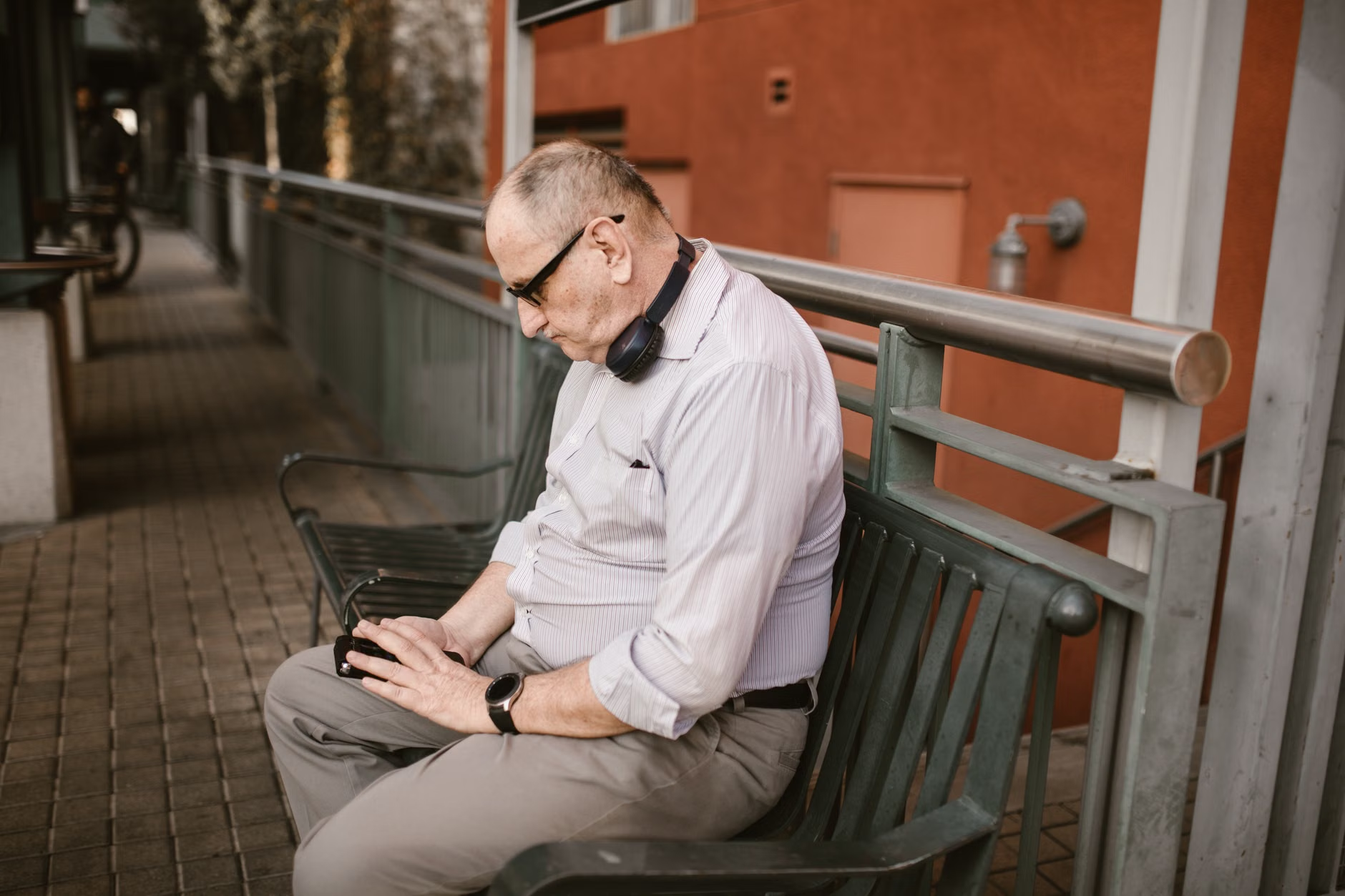
For many older adults, the fear of “getting stuck” without a place to sit prevents them from exploring larger parks. The 2026 guidelines suggest that on primary walking paths, seating should be available every 50 to 100 meters. This creates a “safety net” that allows individuals to walk short distances, rest, and then continue. This approach is a core pillar of the World Health Organization’s (WHO) “Age-Friendly Cities” initiative.
What it looks like in real life: Imagine a park with a 1-kilometer loop. Under old standards, there might be benches only at the entrance and the halfway point. Under the 2026 standards, there would be approximately 10 to 15 seating areas along that same loop. This allows a person who can only walk 100 meters at a time to complete the entire loop safely.
Integration with Mobility Aids
The new standards also mandate that seating areas include a firm, level “parking space” for wheelchairs, walkers, or strollers directly adjacent to the bench. This ensures that a person using a walker can sit on the bench and keep their mobility aid within reach without blocking the path for others. It fosters social inclusion, allowing a person in a wheelchair to sit side-by-side with a friend sitting on the bench at the same eye level.
Regional Adaptations: How Different Countries Are Implementing the 2026 Standards
While the ISO provides a global framework, implementation varies by country. It is important to know which standards apply to you so you can better understand your rights and the services available in your jurisdiction.
United States: ADA Updates
In the U.S., the Americans with Disabilities Act (ADA) guidelines are the primary reference. While the ADA has long required accessible paths, the 2026 “Advanced Notice of Proposed Rulemaking” is expected to incorporate more specific ergonomic requirements for “outdoor developed areas.” This includes stricter rules on the height of benches in federal and state parks. The focus here is often on the “firmness” of the ground leading to the bench, ensuring that walkers do not get stuck in mulch or gravel.
European Union: EN 17210
The EU has been a leader in “Design for All.” The EN 17210 standard (Accessibility and usability of the built environment) is being updated for 2026 to harmonize requirements across member states. European cities are increasingly focusing on “multi-generational” spaces where seating is integrated with play areas, allowing grandparents to supervise grandchildren from comfortable, ergonomically sound positions.
United Kingdom: BS 8300
The British Standards Institution (BSI) has recently updated BS 8300, which provides detailed guidance on the design of an accessible and inclusive built environment. In the UK, there is a strong emphasis on the “visual contrast” of seating. This means benches must be a different color than the ground to help those with visual impairments locate them easily—a feature that will become more common across the country by 2026.
Australia and New Zealand: AS 1428
Australia’s AS 1428 standards are some of the most rigorous in the world. For 2026, there is a push to address the “heat island” effect in urban parks. This means seating standards are being tied to environmental cooling, ensuring that “accessible” also means “thermally safe” in the Australian climate.
The Impact on Health and Social Wellbeing
The 2026 updates are not just about physical comfort; they are a public health intervention. When older adults have access to reliable, comfortable seating, several positive outcomes occur:
- Increased Physical Activity: Knowing there are places to rest encourages longer walks, which improves cardiovascular health and maintains muscle tone.
- Reduced Social Isolation: Parks are “third places”—social spaces outside of home and work. Accessible seating allows seniors to meet friends, watch people, and feel part of the community, which is vital for cognitive health.
- Vitamin D Exposure: Regular park visits facilitate safe sun exposure, which is essential for bone health and mood regulation, provided the seating is placed to avoid overexposure.
- Fall Prevention: By providing stable platforms for resting, these benches help prevent the over-exertion that often leads to stumbles and falls.
A practical decision rule: When planning a park visit, use digital maps or municipal websites to check for “Age-Friendly” designations. Many cities are now mapping their “accessible seating routes.” If a park doesn’t list these features, it may be worth calling the local parks department to ask about the distance between benches before you go.

How to Advocate for Better Seating in Your Community
Public standards often change because of pressure from the people who use the services. If your local park is still using 30-year-old benches that are difficult to use, you have the power to request upgrades based on the 2026 global trends.
Step 1: Conduct a “Seating Audit”
Take a walk through your local park with a friend. Note the following:
- Are there stretches longer than 100 meters without a bench?
- Do the benches have armrests?
- Is the ground around the bench muddy, uneven, or covered in loose gravel?
- Are the benches in full sun with no shade options?
Take photos of the most problematic areas. This visual evidence is very persuasive when talking to local officials.
Step 2: Contact Your Local Council or Parks Department
Most municipal governments have a “Parks and Recreation” committee. Write a brief, respectful letter or email. Instead of just saying “we need more benches,” use the language of the 2026 standards. Mention “Age-Friendly City initiatives,” “ISO 21542 alignment,” and “ergonomic seat heights.” This shows that you are informed and that your request aligns with global best practices.
Step 3: Join or Form a Senior Advocacy Group
There is strength in numbers. Local chapters of organizations like AARP (USA), Age UK, or COTA (Australia) often have committees dedicated to urban “walkability.” By joining forces, you can advocate for a budget allocation specifically for “Accessible Seating Upgrades” in the next fiscal year.
Common Mistakes and Misconceptions
When discussing accessible seating, there are a few common misunderstandings that can lead to poor choices by park planners or residents.
Mistake 1: Assuming “Artistic” means “Accessible.”
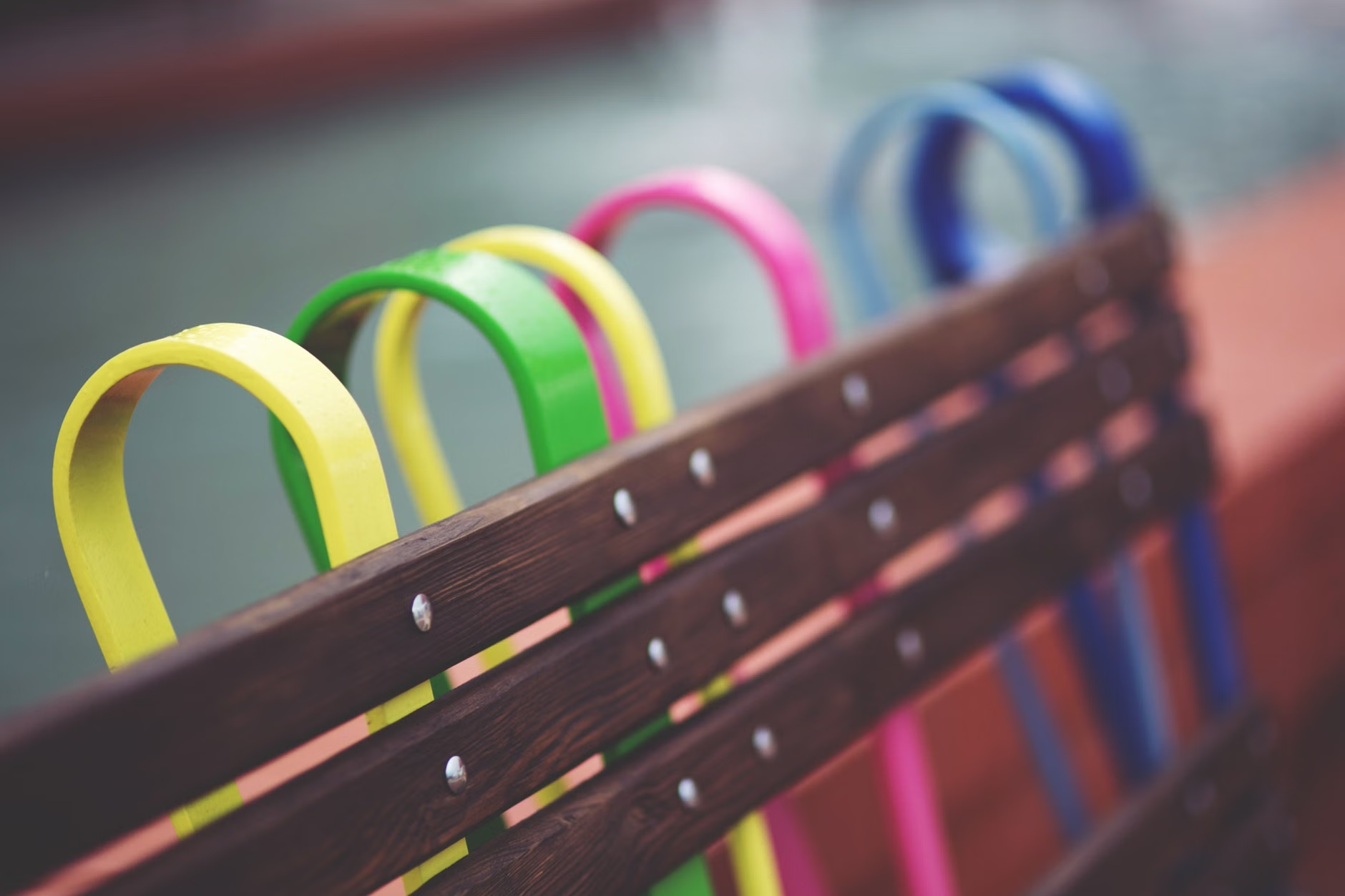
Many modern parks install “sculptural” seating made of concrete or undulating metal. While these look beautiful, they are often a nightmare for accessibility. They lack backrests, have inconsistent heights, and offer no armrests. Always prioritize function over form when providing feedback to your city.
Mistake 2: Thinking that any bench is better than no bench.
A bench that is too low can actually be more dangerous than no bench at all, as it may entice someone to sit down who then cannot get back up without assistance. If a bench doesn’t meet the 450mm-520mm height requirement, it is not truly accessible for many older adults.
Mistake 3: Overlooking the “Ground Surface.”
Accessibility doesn’t stop at the bench. If the bench is sitting on a patch of grass that turns into mud when it rains, it is inaccessible to anyone using a walker or someone with balance issues. The 2026 standards require a “hard-stand” area—usually concrete or pavers—that extends from the main path to the bench.
Future Trends: Beyond 2026
As we look past 2026, the technology integrated into public seating is likely to increase. We are already seeing “Smart Benches” in cities like London, Singapore, and New York. These benches often include:
- Solar-Powered Charging: Allowing you to charge a phone or an electric mobility scooter while you rest.
- Emergency Buttons: Integrated communication links to park security or emergency services.
- Heated Surfaces: Using solar energy to keep the seat at a comfortable 20°C (68°F) during winter months.
- Wi-Fi Hotspots: Encouraging people to stay longer and stay connected.
While these features are exciting, the core of accessibility will always remain the physical dimensions: height, depth, and support.
Summary and Next Steps
The 2026 updates to global seating standards are a major victory for older adults worldwide. They move us toward a world where the “built environment” supports our independence rather than challenging it. By understanding these standards—450mm+ height, mandatory armrests, and 50-100m intervals—you can make better decisions about where to spend your time and how to advocate for your community.
Your realistic next action: On your next visit to a public park, take a moment to “measure” a bench with your own body. If your knees are higher than your hips when sitting, or if you struggle to stand without a leverage point, that bench does not meet the 2026 standards. Use this knowledge to choose the safest routes for your walks and, if necessary, start a conversation with your local parks department. Our public spaces belong to everyone, and they should be designed to welcome us at every stage of life.
Frequently Asked Questions
1. Why is 450mm the recommended minimum height for a park bench?
As we age, the muscles used for “eccentric” movement (lowering the body) and “concentric” movement (pushing the body up) can weaken. A height of 450mm to 520mm (roughly 18 to 20 inches) keeps the center of gravity higher, meaning the leg muscles don’t have to work as hard to initiate the standing process. It also prevents the “plopping” effect that can injure the lower back.
2. Are these 2026 standards legally binding?
It depends on your country. In the United States, ADA standards are law for public entities. In other regions, ISO standards are often adopted into local building codes. While a park might not be forced to replace every old bench immediately, any new construction or major renovation starting in 2026 will generally be required to follow these updated accessibility guidelines.
3. What should I do if my favorite park has no accessible seating?
The most effective step is to contact your local municipal representative or the Parks and Recreation department. Refer specifically to the “Age-Friendly Cities” framework and the need for “rest intervals” every 100 meters. Providing a specific example of a path that is currently unusable for you due to a lack of seating gives them a clear problem to solve.
Sources for further reading:
ISO 21542:2021 – Accessibility and usability of the built environment: https://www.iso.org/standard/70495.html
WHO Global Age-friendly Cities Guide: https://www.who.int/publications/i/item/9789241547307
ADA Standards for Accessible Design: https://www.ada.gov/law-and-regs/design-standards/