By 2026, the global shift toward “age-inclusive” digital banking has moved from a corporate talking point to a regulatory mandate, meaning your security and user experience are now prioritized by law in many jurisdictions.
- Regulatory Shifts: Banks are now legally required in many regions to provide accessible, non-discriminatory digital interfaces.
- Biometric Security: Fingerprint and facial recognition are replacing vulnerable passwords as the primary defense against fraud.
- AI-Driven Protection: New “behavioral analytics” tools work in the background to detect unauthorized transactions before they are finalized.
The Evolution of Digital Banking Security for 2026
The financial landscape for adults aged 60 to 80 has undergone a transformation. In the past, digital banking was often designed for younger, tech-native users. However, as of 2026, global financial authorities—including the European Banking Authority and the U.S. Consumer Financial Protection Bureau—have implemented strict guidelines mandating that banking apps and websites must be navigable for users with varying levels of visual, motor, and cognitive ability.
This “age-inclusive” design is not just about larger fonts. It is about security by design. In 2026, security is no longer a burden placed solely on the user; it is an automated infrastructure designed to protect you from the sophisticated scams that characterized the early 2020s.
Understanding Your New Security Tools
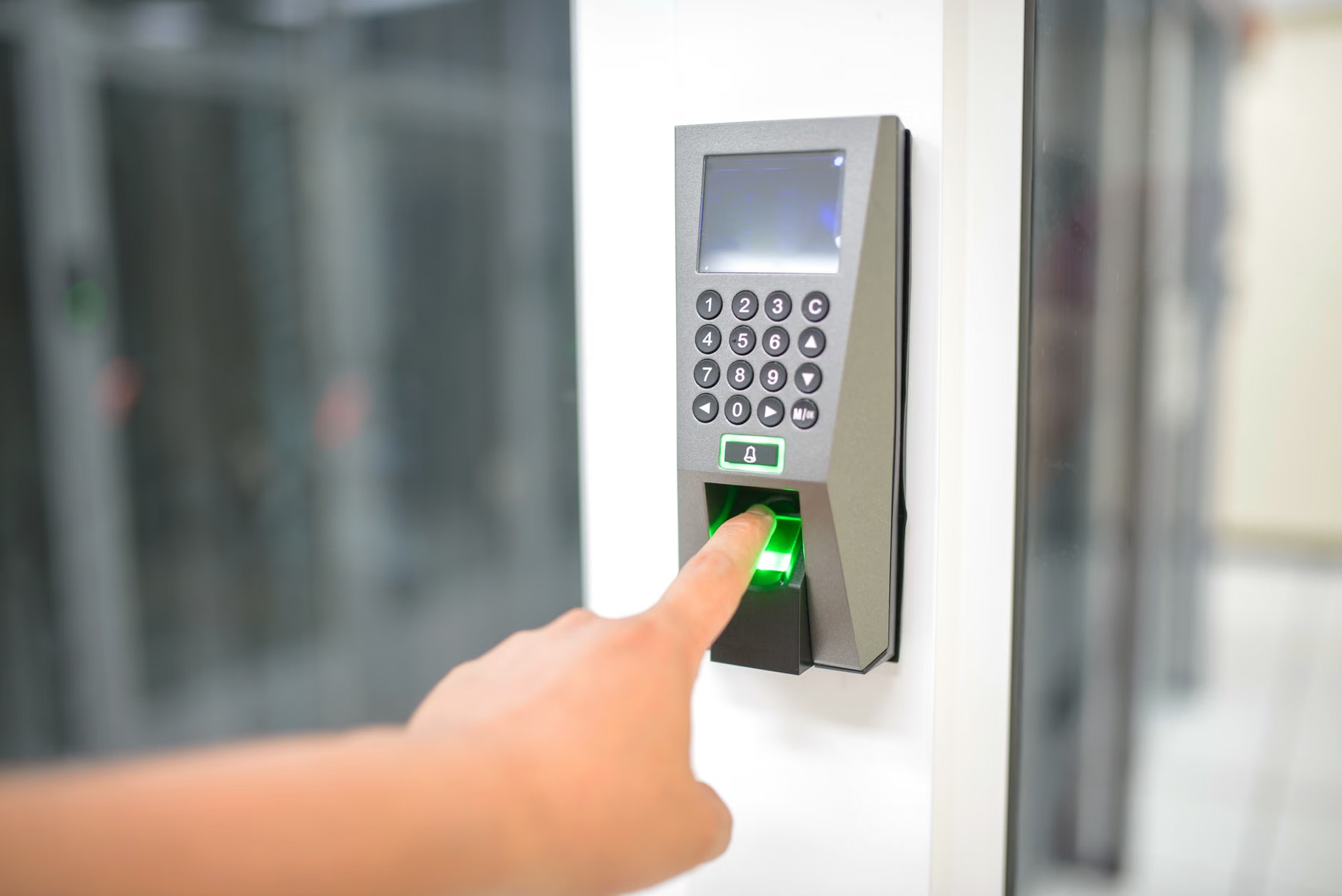
The days of memorizing complex, ever-changing alphanumeric passwords are largely fading. By 2026, the industry has standardized “Multi-Factor Authentication” (MFA) that relies on physical traits rather than memory.
1. Biometric Authentication
Biometrics—such as your fingerprint, facial geometry, or even voice pattern—are currently the gold standard for bank security. Unlike a password, which can be stolen or guessed, your biometric data is unique and stays on your device’s secure hardware.
- Why it matters: It eliminates the risk of “password fatigue” and prevents bad actors from logging into your account remotely.
- Real-world application: When you open your banking app, the phone scans your face or thumb. If the phone is stolen, the thief cannot access the app because they do not have your physical traits.
2. Behavioral Analytics
AI-driven security now monitors “how” you use your account. If you typically check your balance at 9:00 AM from a specific device and suddenly a transaction is attempted at 3:00 AM from a foreign location, the system flags it as “anomalous behavior.”
| Security Feature | Primary Benefit | Best For |
|---|---|---|
| Biometrics | Identity Verification | Quick, secure daily logins |
| Behavioral AI | Fraud Prevention | Detecting account takeovers |
| Hardware Keys | Physical Security | High-value transfers |
Which option is right for you? If you prioritize ease of use, stick to biometric logins on your mobile device. If you manage high-value assets, consider using a physical hardware security key (a small USB-like device) for added protection.

As digital banking becomes mandatory for many public services, governments have strengthened consumer protection laws. In 2026, if you are a victim of a sophisticated digital scam, the burden of proof is increasingly shifting toward the financial institutions to demonstrate that they provided adequate security and fraud-detection measures.
Know Your Rights
If you notice an unauthorized transaction, the following steps are now standard practice across most major banking jurisdictions:
- Immediate Notification: Most central banks now mandate that you report fraud within 48 to 72 hours to ensure full liability coverage.
- The “Frozen” Protocol: You have the right to request a “hard freeze” on your accounts, which stops all outgoing transfers while an investigation is conducted.
- Accessibility Mandates: If your bank’s app is inaccessible due to design flaws (e.g., lack of screen reader support), you have the right to file a formal complaint under accessibility regulations such as the European Accessibility Act or the Americans with Disabilities Act (ADA).
The Hidden Risks: What to Look Out For
While technology has improved, scammers have also become more adept at social engineering. In 2026, the most common threat is not “hacking” your computer but “tricking” you into authorizing a transfer yourself.
The “Tech Support” Trap
Scammers often pose as bank employees or government officials. They will call you claiming there is a “security breach” and ask you to move your money to a “safe account.”
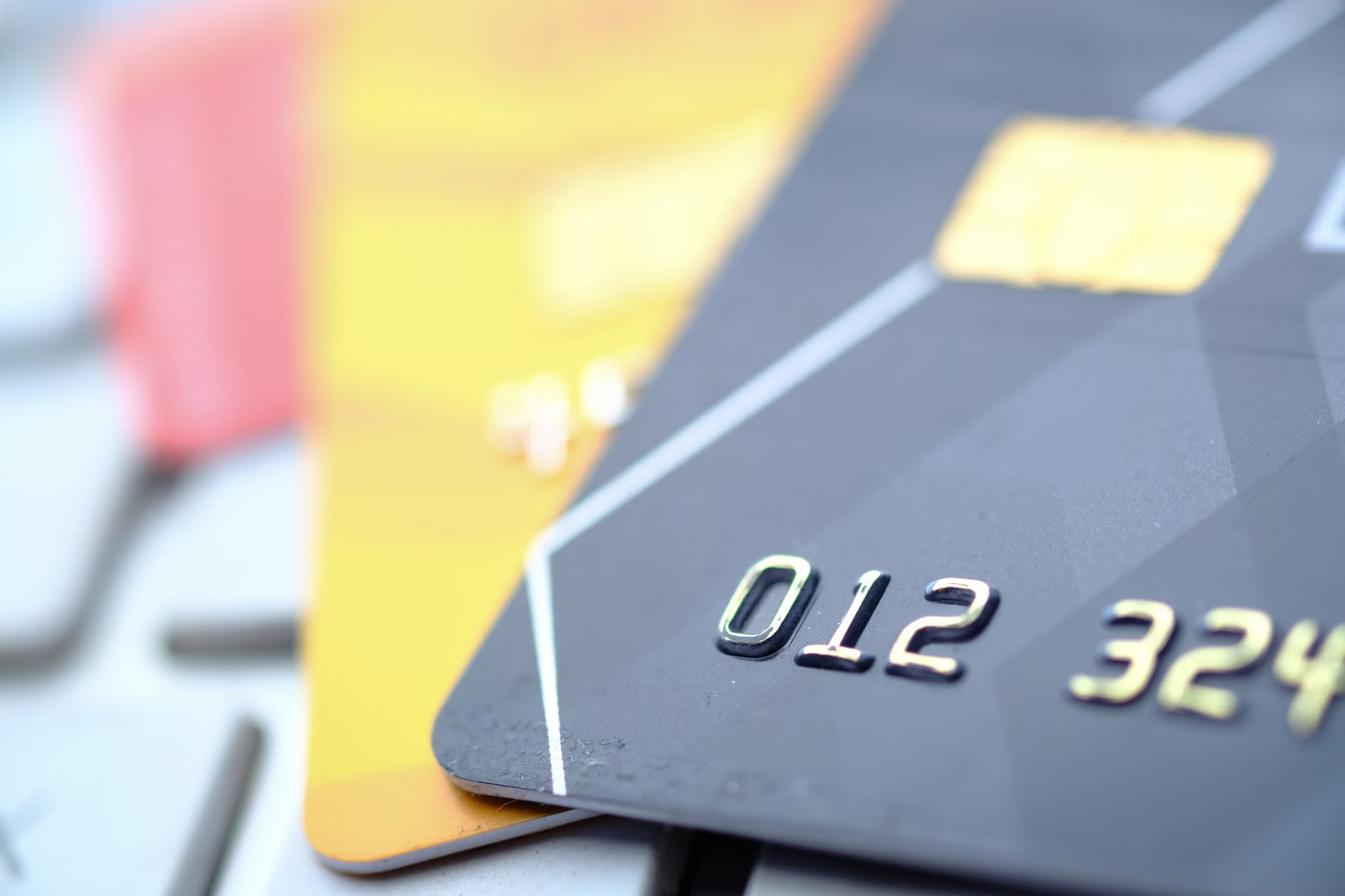
Crucial Insight: No legitimate bank will ever call you and ask you to transfer money to another account to “protect” it. If you receive such a call, hang up and dial the official number on the back of your debit card. Do not use the number provided by the caller.
Preparing for Digital Banking Stability
To ensure your financial life remains secure, adopt these three habits as part of your monthly routine:
- Audit Your Permissions: Every three months, check which apps have access to your bank account via “Open Banking” interfaces. Remove any that you no longer use.
- Update Your Devices: Security updates often contain patches for the latest cyber threats. Enable “Automatic Updates” on your smartphone and laptop.
- Designate a Trusted Contact: Many banks now allow you to designate a “trusted contact” who can be alerted if the bank suspects financial exploitation. This is not a power of attorney but a safety net.
Conclusion: Empowerment Through Awareness
The 2026 digital banking landscape is safer than ever, but it requires a proactive approach. By leveraging biometric security, understanding your rights regarding fraud, and maintaining a healthy skepticism toward unsolicited contact, you can navigate your finances with confidence. Digital security is not about fearing technology; it is about using the tools available to build a resilient financial fortress around your life savings.
Frequently Asked Questions
1. Is my biometric data stored by the bank?
No. In most modern systems, your biometric data (fingerprint or face) is stored locally on your device’s “Secure Enclave.” The bank only receives a cryptographic “yes” or “no” verifying that the physical scan matched the user.
2. What should I do if my bank app is too difficult to use?
Contact your bank’s customer service department and specifically ask for their “Accessibility Desk.” Many banks have dedicated teams to help users with visual or physical impairments set up their accounts for easier access.
3. Are digital banking transactions safer than in-person ones?
In many ways, yes. Digital transactions provide a permanent, time-stamped, and traceable audit trail. If a transaction is fraudulent, this digital trail is often the primary evidence used to recover your funds.
Sources:
– Consumer Financial Protection Bureau (CFPB) – Consumer Resources
– European Banking Authority (EBA) – Digital Finance Guidelines
– Federal Trade Commission (FTC) – Scam Prevention
Deep Dive: The Mechanics of Modern Fraud Prevention
To truly understand why 2026 is a watershed year for senior financial security, we must look at the transition from “reactive” to “proactive” security. Historically, banks waited for a customer to report a theft. Today, the system is designed to intercept theft before it occurs.
The Role of Behavioral Biometrics
Behavioral biometrics is perhaps the most significant advancement for the 60-80 age demographic. It analyzes your unique interaction patterns. This includes the pressure you apply to your screen, the angle at which you hold your phone, and the speed at which you type your PIN. Because these physical habits are difficult for a remote hacker to replicate, they provide a silent, non-intrusive layer of security that works even if your password has been compromised.
Why “Open Banking” is a Security Asset
Often, older adults fear the term “Open Banking,” thinking it means their data is “open” to everyone. In reality, it refers to a regulated framework that allows you to share your data securely with authorized third-party providers. By 2026, the regulatory framework for this is much tighter. It allows you to use sophisticated budgeting tools that can alert you to suspicious patterns in real-time, effectively acting as an automated financial assistant that monitors your health and wealth simultaneously.
The Importance of Device Hygiene
Your smartphone is now your primary financial hub. Consequently, the security of your phone is identical to the security of your bank vault. In 2026, the best practice is to treat your smartphone as a high-security device. Avoid downloading apps from unofficial stores, and ensure that your operating system is always updated to the latest version. These updates often include “zero-day” patches—fixes for vulnerabilities that hackers have just discovered.
When to Seek Professional Help
It is important to recognize when you may need additional support in managing your digital finances. If you find yourself feeling overwhelmed by the technical requirements, or if you are concerned about potential cognitive decline affecting your ability to monitor transactions, it is wise to consult a financial advisor or a trusted family member. You can establish a “limited power of attorney” that allows someone else to monitor your accounts for suspicious activity without giving them the ability to withdraw funds, creating a layer of oversight that keeps you safe while maintaining your independence.
Ultimately, the 2026 trend is toward inclusive security. Technology is finally being built to accommodate the reality of the human experience, rather than expecting the human to accommodate the limitations of the technology. By staying informed and utilizing the tools provided by your financial institutions, you are not just keeping up with trends—you are actively securing your future.
Strategic Planning for Digital Financial Longevity
Maintaining financial independence in your later years requires a strategy that balances modern digital convenience with traditional security measures. The 2026 model of “assisted self-service” is the most effective approach for those who want to remain in control of their assets while minimizing risk.
Creating Your Digital Financial Map
One of the most effective ways to ensure security is to maintain a “Digital Financial Map.” This is a simple, secure document (or a physical notebook) that lists all your digital accounts, the security measures attached to them (e.g., 2FA apps), and the designated emergency contact for each. In 2026, with the proliferation of digital services, it is easy for accounts to become fragmented. A map keeps everything centralized.
The Role of Hardware Security Keys
For those with significant assets, we strongly recommend the use of hardware security keys. These devices, which plug into your computer or connect via Bluetooth to your phone, require a physical touch to authorize a login. They are essentially immune to phishing attacks, as the attacker would need physical access to your device to bypass them. While they cost a small amount (typically between $25 and $50), the protection they offer against identity theft is unparalleled.
Educational Resources and Community Support
Financial literacy is an ongoing process. In 2026, many community centers and libraries offer workshops on “Digital Financial Safety.” These are excellent resources for staying updated on the latest scam tactics in your specific region. We encourage you to attend these, not just for the information, but for the opportunity to discuss experiences with peers. Often, the best defense against a new scam is simply knowing that it exists.
In summary, the transition to digital banking is not a hurdle, but a bridge to greater autonomy. By engaging with these tools, understanding your rights, and adopting a proactive security mindset, you are ensuring that your financial life remains under your control, regardless of how the landscape changes in the years to come.