- Prioritize Accessibility Verification: Always contact the monastery administration directly to confirm the availability of ground-floor rooms, elevators, and bathroom grab bars, as historic architecture often lacks universal design.
- Strategic Packing for Mobility: Focus on weight reduction and stability; use high-traction footwear and modular packing organizers to minimize physical strain while navigating uneven terrain.
- Health-Centered Preparation: Carry a consolidated health dossier including medication lists and emergency contacts to ensure continuity of care, regardless of the remote nature of heritage sites.
Monastery staycations offer a unique opportunity for cultural immersion, quiet reflection, and a departure from the frenetic pace of modern tourism. For travelers aged 60 to 80, these heritage sites provide a serene environment that encourages mental wellbeing and physical restoration. However, the very features that make these sites historic—stone stairs, uneven courtyards, and centuries-old infrastructure—can pose significant challenges for those with mobility concerns. Success in these environments requires a proactive approach to planning and a specialized packing strategy.
Understanding the Heritage-Accessibility Gap
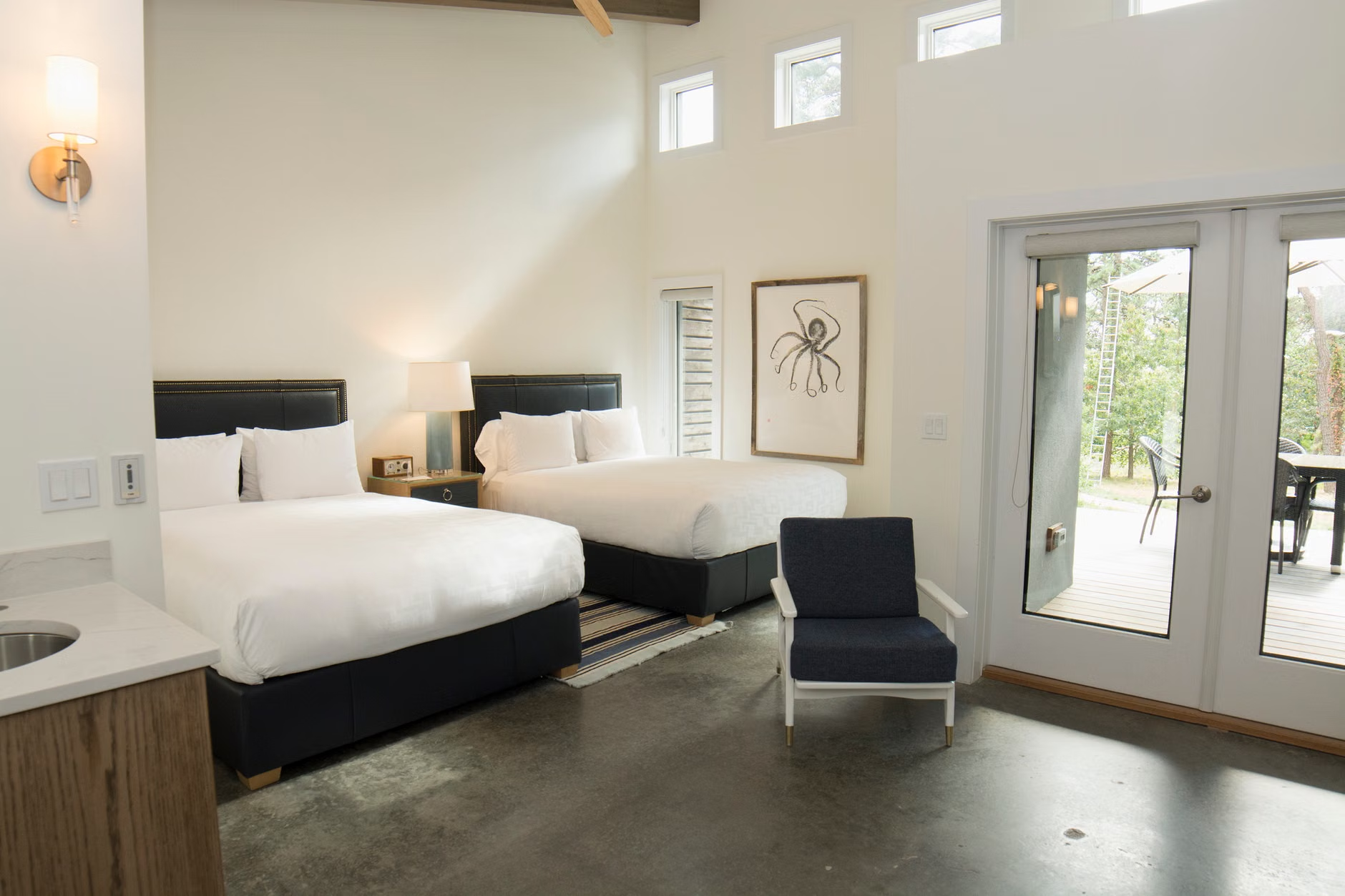
Heritage sites are often protected by preservation laws, which means they cannot be easily retrofitted with modern accessibility features like ramps or elevators. When you choose a monastery for a staycation, you are often entering a space designed in an era where accessibility was not a primary architectural consideration.
What this means in practice is that a “ground-floor room” might still require navigating a small step at the entrance, or that a “well-maintained path” might consist of loose gravel or uneven flagstones. To manage this, you must shift your perspective from “visiting a hotel” to “navigating a historic environment.”
Pre-Visit Assessment Criteria
Before confirming your booking, perform a reality check on the facility’s accessibility. Do not rely solely on website photos, which often highlight the most scenic (and sometimes least accessible) parts of the property. Use the following checklist to guide your inquiries:
- Entryway Thresholds: Ask specifically if there are steps at the main entrance or the entrance to the guest quarters.
- Bathroom Configuration: Request a photograph of the bathroom. Are there grab bars near the toilet or inside the shower? Is the shower a walk-in, or is it a high-sided tub?
- Lighting and Flooring: Inquire about the lighting in hallways. Heritage buildings often feature dim, atmospheric lighting that can be hazardous for those with reduced depth perception.
- Proximity to Facilities: Ensure your room is on the same floor as the dining hall or common areas to minimize the need for stair navigation.
Strategic Packing: Minimizing Strain and Maximizing Utility
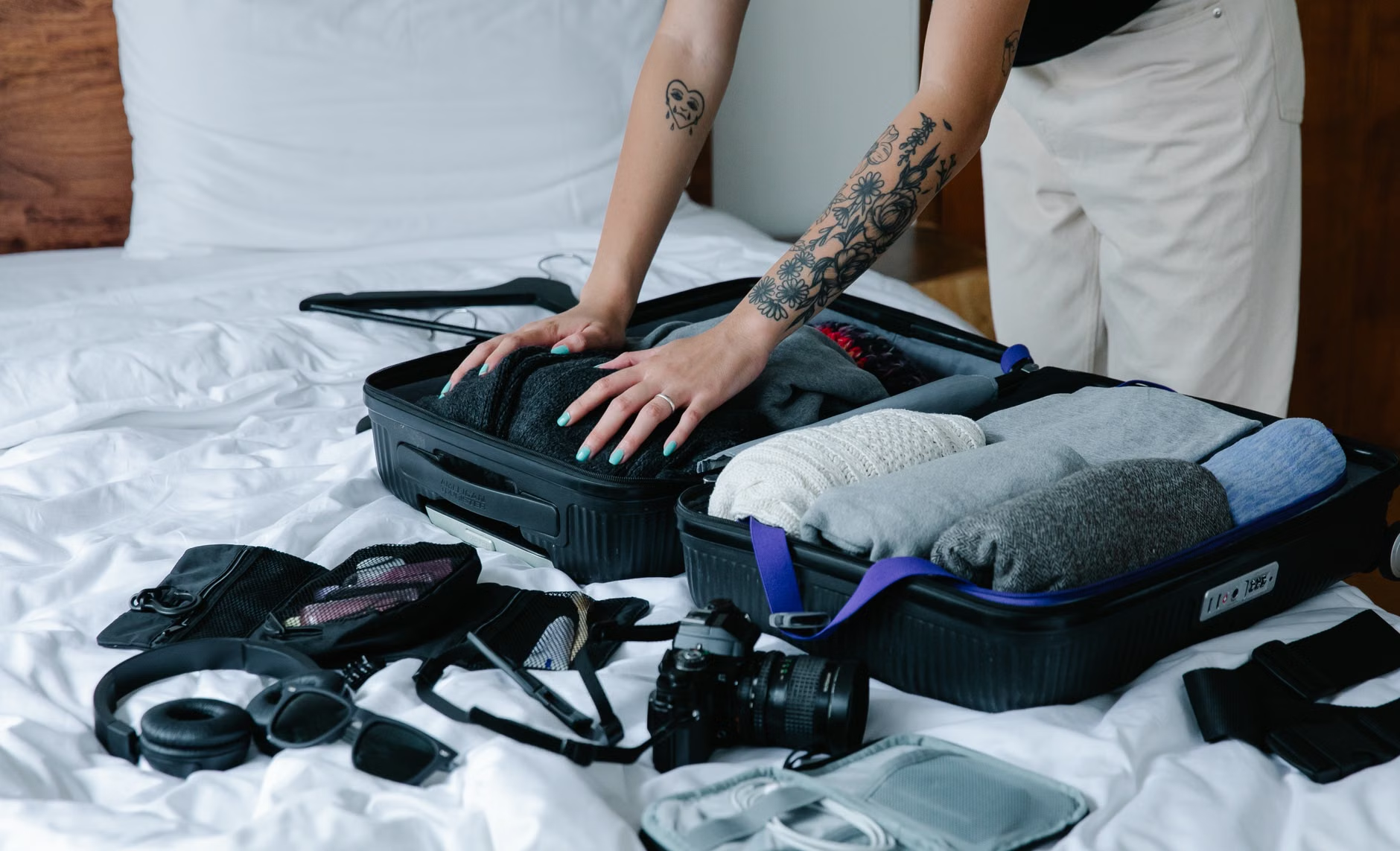
The cardinal rule for senior-friendly travel to heritage sites is to minimize luggage weight. Many monasteries do not have bellhops or elevators, meaning you will likely be responsible for moving your own bags from the parking area to your room. If you cannot manage your luggage independently, you must arrange for assistance in advance.
The Modular Packing Approach
Instead of one large, heavy suitcase, consider using a high-quality, lightweight wheeled carry-on combined with a cross-body bag for daily essentials. This allows you to distribute weight and keep your hands free for stability aids like trekking poles or canes.
| Category | Essential Item | Why It Matters |
|---|---|---|
| Mobility | Collapsible Trekking Poles | Provides stability on uneven stone surfaces and reduces joint pressure. |
| Footwear | Non-slip, Supportive Walking Shoes | Monastery floors are often polished stone or wood; high-traction soles are critical. |
| Health | Modular Medication Organizer | Ensures daily compliance without the bulk of original pharmacy packaging. |
| Lighting | Portable High-Lumen Headlamp | Essential for navigating dark hallways or outdoor paths after sunset. |
The choice of footwear is perhaps the most overlooked variable. While you may want to look smart, heritage sites demand function. Avoid shoes with leather soles, which are notoriously slippery on stone. Opt for rubber-soled shoes with firm arch support. If you suffer from foot fatigue, consider bringing a secondary pair of shoes to rotate, as changing the pressure points on your feet can significantly reduce end-of-day discomfort.
Once you arrive, the pacing of your stay will dictate your physical comfort. Heritage sites are designed for contemplation, not for speed. The most common mistake is attempting to mirror the activity levels of a standard tourist itinerary. Instead, adopt a “hub-and-spoke” model of exploration.
In the hub-and-spoke model, you choose one primary area (your room or a central courtyard) as your “hub.” You perform one or two low-exertion activities (the “spokes”) per day, returning to the hub for rest in between. This prevents the cumulative fatigue that often occurs when one tries to see an entire monastery complex in a single afternoon.
Managing Uneven Terrain
If you use a mobility aid, such as a cane or walker, ensure it is equipped with a rubber ferrule (the tip of the cane) that provides maximum grip. If you are traveling in autumn or winter, be aware that moss and dampness can make stone paths extremely slick. If you feel unsteady, do not hesitate to ask staff for a guided route that avoids stairs, even if it adds distance to your walk.
Health and Wellbeing Documentation
When staying in remote or historic locations, you may be further from modern medical facilities than you are accustomed to. Preparation is the best form of prevention. Before you leave, create a “Travel Health Dossier.”
This dossier should be a physical folder, not just a digital file, as you cannot rely on consistent internet access in some historic stone buildings. Include:
- Medication List: Clearly typed with dosage, frequency, and the reason for the medication.
- Allergy and Medical History: A brief summary of any chronic conditions (e.g., hypertension, diabetes).
- Emergency Contacts: Include both a personal contact and the contact information for your primary care physician.
- Insurance Details: Copies of your travel insurance policy and proof of medical coverage.
Pro-tip: Keep your medication in your carry-on luggage. Never check your medication in the hold of a plane or bus. If you are traveling by car, ensure your medication is stored in a temperature-controlled environment; avoid leaving it in a hot vehicle, as extreme temperatures can degrade the efficacy of certain medications.
Maximizing the Experience: The Art of Slow Travel
The primary benefit of a monastery stay is the atmosphere of silence and deliberate movement. Do not feel pressured to participate in every communal activity or service. Many monasteries offer a schedule that includes communal meals and prayers; it is perfectly acceptable for older adults to opt out of early morning services if it impacts their sleep or energy levels.
Listen to your body. If you experience unexpected joint pain or shortness of breath while navigating the site, prioritize rest immediately. The “hidden” cost of a staycation is often the exhaustion that sets in on the second day. By acknowledging your physical limits early, you can enjoy a more sustained, high-quality experience throughout your entire stay.
Financial and Practical Considerations
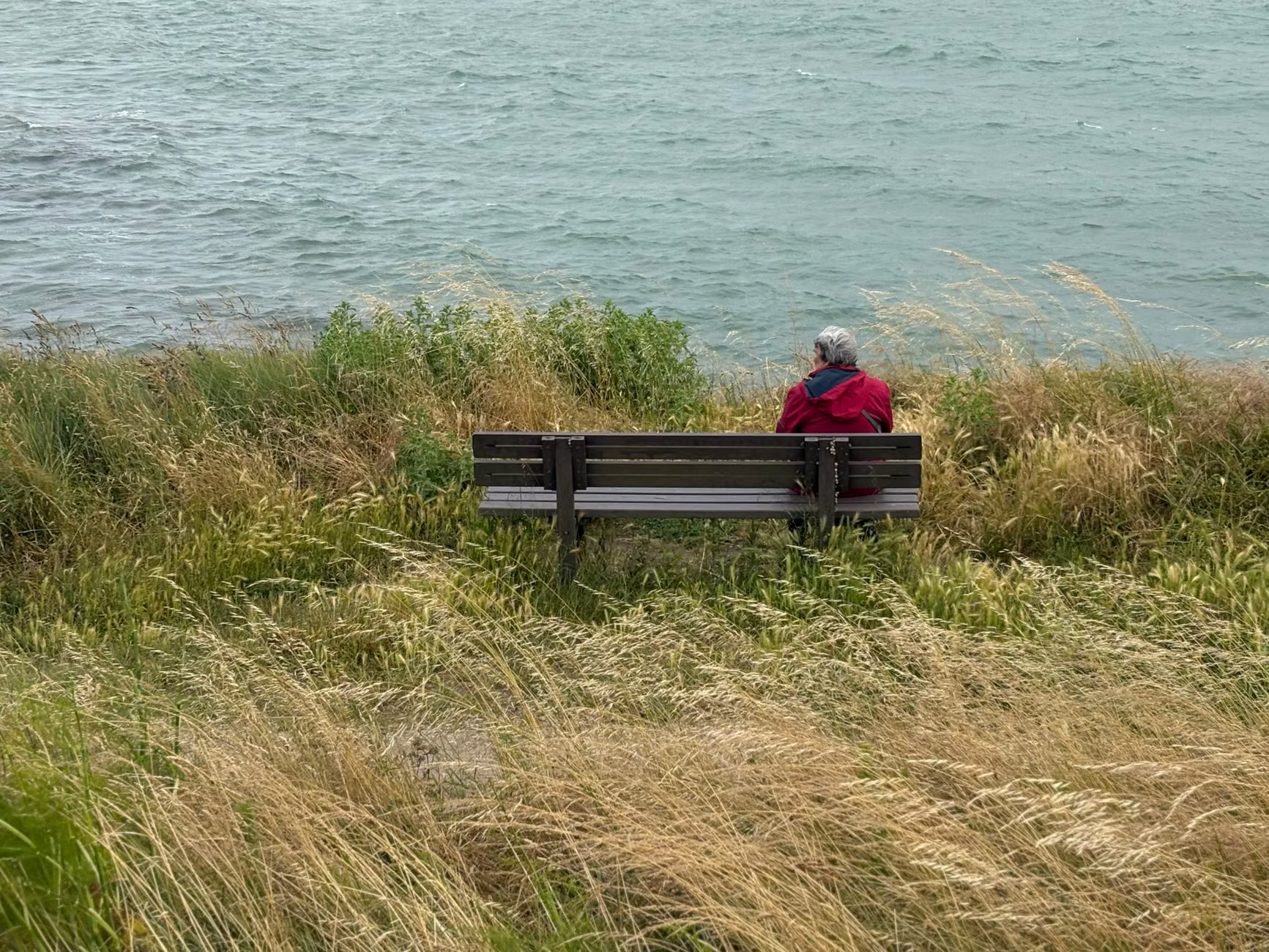
When booking, explicitly ask about the “cancellation or modification policy for accessibility reasons.” If you arrive and find that the room is not as described—for example, if there are unexpected stairs—you need to know your options for a refund or a room change. Most reputable religious institutions will be transparent about these limitations if asked directly.
Furthermore, check if the monastery provides meal service. If you have dietary restrictions, such as low-sodium or diabetic-friendly requirements, communicate these at least two weeks in advance. Monastic kitchens often operate on a set menu, and they appreciate the time to prepare alternatives that meet your health needs.
Finally, consider the time of year. Heritage sites can be drafty and difficult to heat. If you are traveling during shoulder seasons, bring a portable, lightweight thermal layer or a high-quality wrap. Staying warm is not just about comfort; it is about keeping your muscles loose and reducing the risk of stiffness, which can exacerbate mobility issues.
Conclusion: The Path to a Successful Stay
A monastery staycation is a reward for a lifetime of hard work, offering a space to breathe and reconnect. By viewing your travel through the lens of accessibility, you can remove the barriers that might otherwise turn a relaxing trip into a stressful ordeal. Focus on the “what-if” scenarios: what if the path is too steep? What if the room is too cold? What if I need assistance? By having a plan for these eventualities, you gain the freedom to focus on the quiet beauty of the surroundings.
Remember that your comfort is not a sign of weakness; it is a prerequisite for enjoyment. Whether it is bringing your own cushion for the hard wooden pews or requesting a room near the dining area, every small accommodation you secure beforehand adds up to a more peaceful, dignified, and restorative experience.
Resources for Further Planning
- World Health Organization: Ageing and Health Overview – Understanding the importance of environment in healthy aging.
- CDC Travelers’ Health: Travelers with Disabilities – Practical advice on preparing for international travel with specific health or mobility needs.
- ENAT (European Network for Accessible Tourism) – Resources for identifying accessible sites globally.
Frequently Asked Questions
- 1. How do I know if a monastery is truly accessible for someone with limited mobility?
- Do not rely on the term “accessible” on a website, as it is often used loosely. Call the monastery directly and ask for the specific width of doorways, the number of steps to the main entrance, and whether the bathroom includes grab bars. If they cannot answer, ask for photos of the room and entrance.
- 2. Can I bring my own medical equipment, like a portable oxygen concentrator or a shower chair?
- Yes, but you must inform the administration in advance. Ensure your equipment is battery-powered or that you have verified the voltage and plug compatibility if traveling internationally. Always confirm that your room has enough floor space to accommodate your equipment safely.
- 3. What should I do if I experience a health issue while staying at a remote monastery?
- Before you arrive, identify the nearest hospital or urgent care center. Keep this information in your travel dossier. If you feel unwell, alert the monastery staff immediately; they often have protocols for contacting local emergency services and can provide local language assistance if you are in a foreign country.