- Prioritize Accessibility Audits: Before booking, verify the specific gradient of paths and the availability of shuttle services or elevators, as “historic” often implies original, uneven terrain.
- The 60/40 Rule: Dedicate 60% of your planned time to mobility and navigation, leaving 40% for rest and observation to prevent physical exhaustion on uneven cliffside landscapes.
- Verify Infrastructure: Do not rely on general “accessible” labels; check for the presence of handrails, slip-resistant surfaces, and the specific distance between rest stations.
Selecting a destination that combines historical significance with natural beauty often leads travelers to cliffside gardens. These sites, while visually stunning, present unique challenges for older adults regarding mobility, stamina, and safety. This guide provides a systematic approach to evaluating these locations to ensure your visit is both enjoyable and physically manageable.
Understanding the Terrain: Why Historic Cliffs Pose Unique Risks
Historic cliffside gardens are typically built on terrain that was not originally designed for modern accessibility standards. When a garden is described as “historic,” it often means the pathways were constructed centuries ago, potentially using irregular stone, steep inclines, or narrow passages. Understanding this context is the first step in your travel planning.
The primary risks in these environments include uneven surfaces, steep gradients, and exposure to wind or sun. Unlike flat, modern botanical gardens, cliffside locations often rely on natural topography. A “slight slope” in a brochure might translate to a 10-15% grade in reality, which significantly increases the energy expenditure required for walking.
The Impact of Topography on Mobility
For individuals aged 60 to 80, the primary concern is not just the ability to walk, but the ability to maintain balance on varied surfaces. Historic gardens often feature “cobblestone” or “unbound gravel” paths. These are notorious for being unstable underfoot. Even if you are a confident walker, the risk of a trip or fall is statistically higher on these surfaces than on smooth asphalt or concrete.
Practical Decision Rule: If a garden’s website does not explicitly state that paths are “paved” or “wheelchair/walker accessible,” assume the terrain is uneven. Look for photos of the paths specifically. If you see large gaps between stones or steep, winding staircases, these are indicators that the site may require a higher level of fitness or may be unsuitable for those using mobility aids.
A Framework for Evaluating Accessibility
Not all “accessible” labels are created equal. In many jurisdictions, accessibility standards for heritage sites are lower than for new public buildings. You must look beyond the label to understand the actual site conditions.
| Feature | What to Look For | Why It Matters |
|---|---|---|
| Path Surface | Paved, concrete, or compacted fine gravel. | Prevents tripping and allows for easy rolling of mobility aids. |
| Gradient | Less than 5% incline. | Reduces cardiovascular strain and knee joint pressure. |
| Rest Stations | Seating every 50-100 meters. | Essential for managing stamina and heart rate. |
| Transport | On-site shuttle or elevator access. | Allows bypassing the most difficult vertical sections. |
When reviewing this table, consider your specific needs. If you use a cane or a walker, the Path Surface is your most critical factor. If you experience fatigue, the frequency of Rest Stations is your priority. Always map out these features before you arrive.
Planning Your Visit: The Pre-Tour Checklist
Planning a visit to a historic garden requires more than just checking opening hours. It involves a strategic assessment of your physical capacity relative to the site’s layout.
1. The Digital Reconnaissance Phase
Before leaving home, use satellite view tools (like Google Earth) to view the garden. You can often see the density of pathways and the general slope of the land. If the site is dense with stairs, it will be visible from the air. Check the official website for an “Accessibility Map.” Many major gardens now provide PDF maps that color-code paths by difficulty level.
2. Contacting the Site Directly
Do not be afraid to email or call the visitor services department. Ask specific questions: “What is the approximate distance from the entrance to the main viewpoint?” or “Are there any steep inclines that are not negotiable by someone using a cane?” The responses you receive from staff are often more accurate than generic marketing materials.
Managing Stamina and Safety During the Tour
Even the most accessible garden can become exhausting if you attempt to see everything in one go. The key to a successful visit is pacing and utilizing available resources.
The Role of Assistive Devices
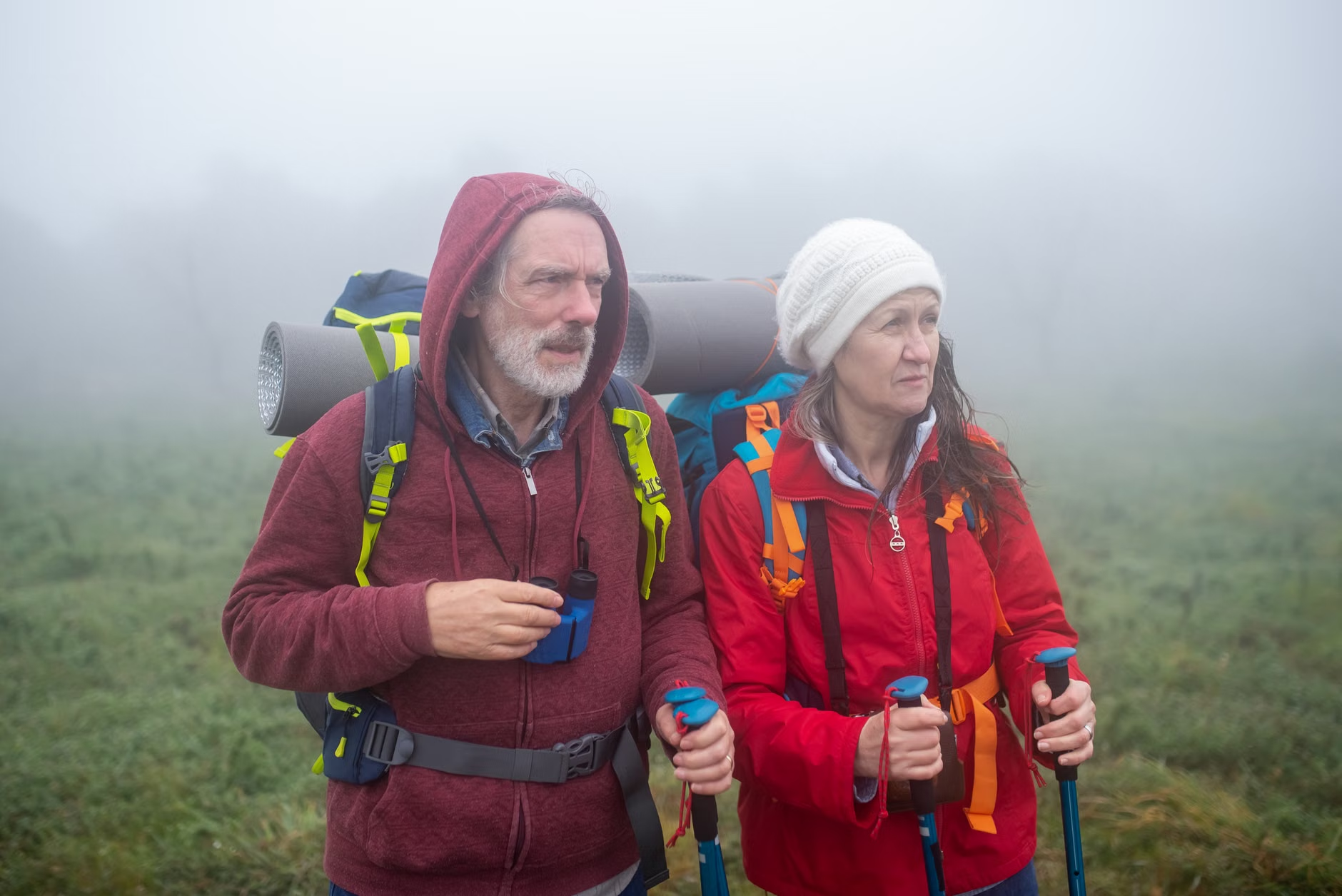
Many older travelers avoid using canes or trekking poles for aesthetic reasons, but in a cliffside garden, they are essential safety tools. They provide a “third point of contact,” which significantly stabilizes your center of gravity on uneven ground. If you are worried about the stigma, remember that many seasoned hikers use poles regardless of age to protect their knees on descents.
Structuring Your Rest Intervals
Plan your route around the seating areas. If a garden has a cafe, use it as a mid-tour waypoint. If you have a companion, have them carry a lightweight, foldable stool if the site’s seating is sparse. This simple addition can extend your visiting time by hours.
Hydration and Sun Exposure
Cliffside gardens are often exposed to direct sunlight and wind. Wind can be surprisingly dehydrating. Ensure you carry a water bottle even if you feel you don’t need it. Furthermore, check the weather forecast for wind speeds; high winds on a cliff edge can be destabilizing for anyone with balance issues.
Case Comparison: Different Types of Cliffside Gardens
To better understand how to choose, let us compare two hypothetical types of gardens often found in popular tourist regions.
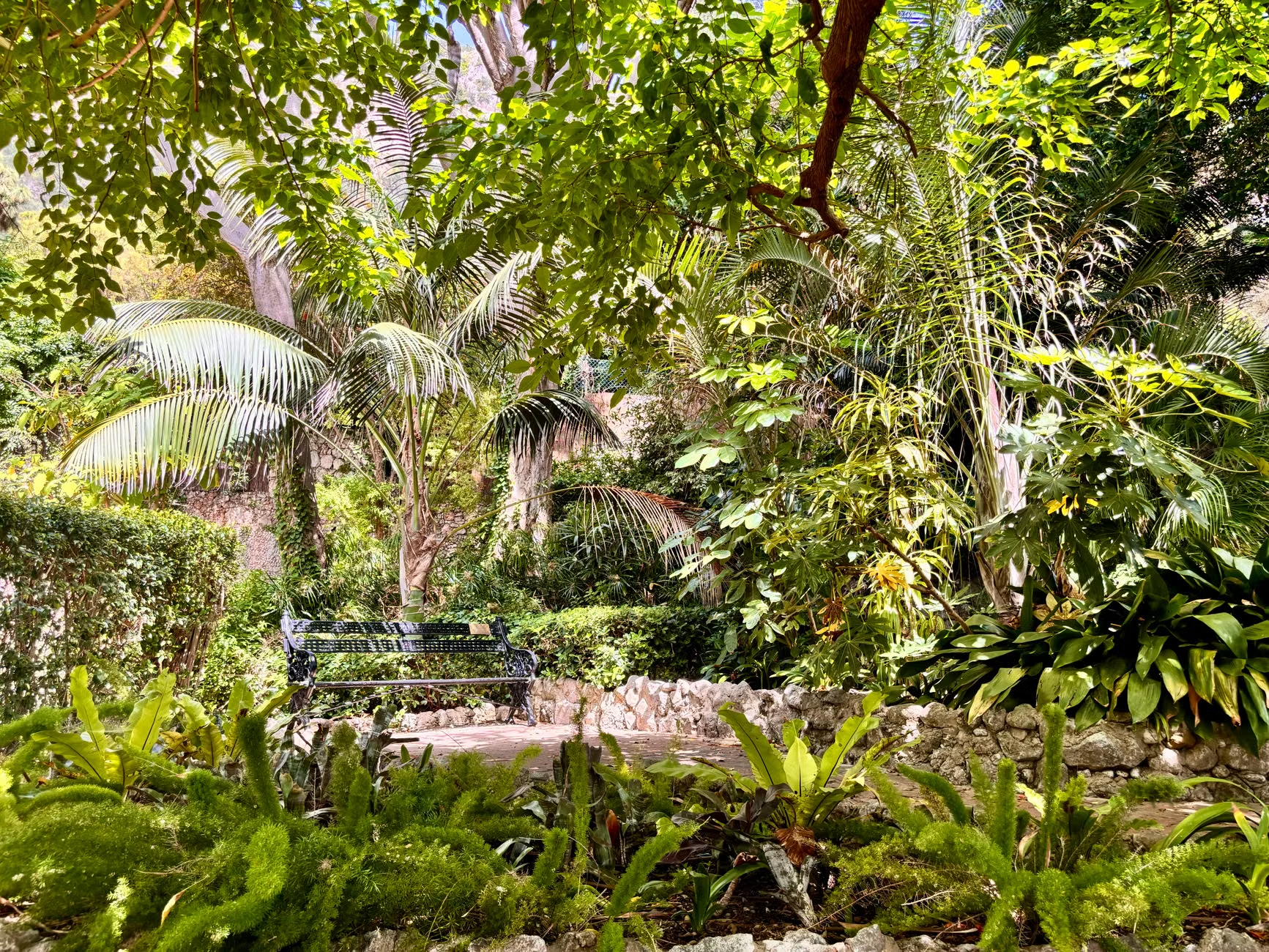
Type A: The Terraced Garden. These are built on steep, vertical cliffs. They often use a “funicular” or elevator to transport visitors from the bottom to the top. These are generally very accessible because the vertical movement is handled by machinery, leaving you to walk on flat, terraced levels.
Type B: The Naturalistic Cliffside Garden. These follow the natural curvature of the coast. They rarely have elevators. They may offer beautiful views, but they are often composed of winding, narrow dirt paths that can be slippery after rain. These are generally high-risk for those with limited mobility.
Decision Rule: If you have any concerns about your mobility, prioritize Type A gardens. They offer the best balance of scenic beauty and structural support for the visitor. Always search for the term “funicular” or “elevator” when researching a site.
The Importance of Professional Care and Support
If you have pre-existing health conditions, such as cardiovascular disease or chronic joint pain, your preparation should include a conversation with your healthcare provider. Discuss your travel plans and the expected physical exertion. Ask about warning signs to watch for, such as excessive shortness of breath or joint swelling, and what to do if these occur while traveling.
When traveling with family or caregivers, clearly communicate your limits before you arrive at the site. It is common for companions to overestimate the stamina of their older relatives, leading to “forced” walking that can result in injury or severe fatigue. Set a “turn-back” point in your itinerary—a specific time or location where you agree to head back, regardless of how much of the garden you have seen.
Even with the best planning, things can go wrong. A sudden change in weather, a path closure due to maintenance, or an unexpected physical setback can disrupt your plans. Carry a small “emergency kit” in your bag: a list of your medications, a contact number for your hotel, and a basic first-aid kit with blister pads, as cliffside walking often involves more foot friction than flat city walking.
Check if the garden has a “first aid station” or a security office that can be reached by phone. Having this number saved in your mobile phone before you enter the garden is a proactive safety measure. If you are traveling internationally, ensure your travel insurance covers medical transport, as some cliffside locations are remote and require specialized rescue if an injury occurs.
Deepening Your Experience: Beyond the Physical
The goal of visiting a historic garden is not to conquer the terrain, but to experience the environment. If the physical challenge of the garden is too high, look for “viewing terrace” options. Many gardens have a main terrace near the entrance that offers 80% of the visual experience without requiring a trek through the entire site. Choosing to enjoy the view from a comfortable seat is not a failure; it is a smart management of your energy.
Consider visiting during off-peak hours—early morning or late afternoon. Not only is the light better for photography, but the crowds are thinner, which reduces the anxiety of navigating narrow paths around other tourists. A less crowded path is inherently safer and allows you to move at your own pace without feeling rushed.
Long-term Benefits of Accessible Travel
Engaging in accessible travel is a vital part of maintaining independence and cognitive health as you age. It provides mental stimulation, physical activity, and social engagement. By choosing sites that respect your physical needs, you are not limiting your world; you are ensuring that you can continue to explore it for years to come. The effort put into planning is an investment in your ability to remain an active traveler.
Always seek out official information from reliable sources. Many countries have tourism boards that provide dedicated accessibility guides. For example, in the UK, the “VisitBritain” accessibility hub provides extensive resources for accessible attractions. In the US, the National Park Service (NPS) provides detailed accessibility information for all its sites, including gardens and cliffside trails. These resources are your best tools for making informed decisions.
Conclusion: Taking the First Step
Selecting a historic cliffside garden is a task that rewards diligent research and realistic self-assessment. By focusing on site-specific infrastructure, such as elevators, paved paths, and frequent rest areas, you can transform a potentially strenuous trip into a relaxing and memorable experience. Remember that the quality of your visit is defined by your comfort and safety, not by how many steps you climbed. Start your planning by identifying one or two “Type A” gardens in your destination, and build your itinerary around their accessible features. Your next adventure is waiting—ensure it is one you can enjoy with confidence.
Frequently Asked Questions
- 1. How do I know if a garden’s “accessible” label is actually suitable for my walker?
- The label “accessible” is often subjective. Look for the specific term “wheelchair accessible” or “step-free.” If the site uses the word “accessible” but also mentions “historic,” call the visitor center and ask: “Can a standard walker with wheels navigate the entire path, or are there gravel sections?”
- 2. What should I do if I start feeling fatigued halfway through the garden tour?
- Immediately find the nearest rest area. If none are in sight, use your folding stool or look for a low wall or bench. Do not attempt to “push through” to the exit. Most gardens have staff who can assist you if you inform them you are feeling unwell; do not hesitate to ask for help or for a shuttle if one is available.
- 3. Are trekking poles allowed in historic gardens?
- Most gardens welcome trekking poles, especially those with rubber tips that protect the historic stonework. However, some very strict heritage sites may have policies against them. Check the “Visitor Rules” or “FAQ” section of the garden’s website, or email them to clarify that your poles are for medical stability rather than hiking.