- Strategic Packing: Prioritize weight distribution and accessibility by using a “two-bag system”—one lightweight roller for the overhead rack and a cross-body bag for essentials.
- Mobility Planning: Always verify station-specific accessibility features (elevators vs. stairs) via the rail operator’s official website before booking, as coastal stations often have unique topographical challenges.
- Stamina Management: Coastal rail routes often involve significant walking between platforms and scenic viewpoints; plan for “recovery windows” where you remain seated for at least 30 minutes after arrival.
Introduction: The Joy and Logistics of Coastal Rail
Coastal rail journeys offer some of the most spectacular vistas in the world. From the rugged cliffs of the Cinque Terre in Italy to the dramatic Pacific Coast lines in California, these routes provide a unique opportunity to view landscapes that are inaccessible by car. However, for travelers between the ages of 60 and 80, the combination of coastal topography and aging infrastructure can present specific challenges.
This guide promises to provide you with a comprehensive strategy for packing, planning, and executing a coastal train trip while prioritizing your safety, mobility, and comfort. We will move beyond generic travel advice to address the technical realities of navigating cliffside stations and managing your physical stamina over long distances.
Understanding the Physical Demands of Coastal Stations
Coastal train stations are frequently built into steep inclines or cliff faces. Unlike urban metro stations, which are often standardized, coastal stations are often historic, meaning they may lack modern accessibility features like elevators or level-boarding platforms.
The “Topography Gap”
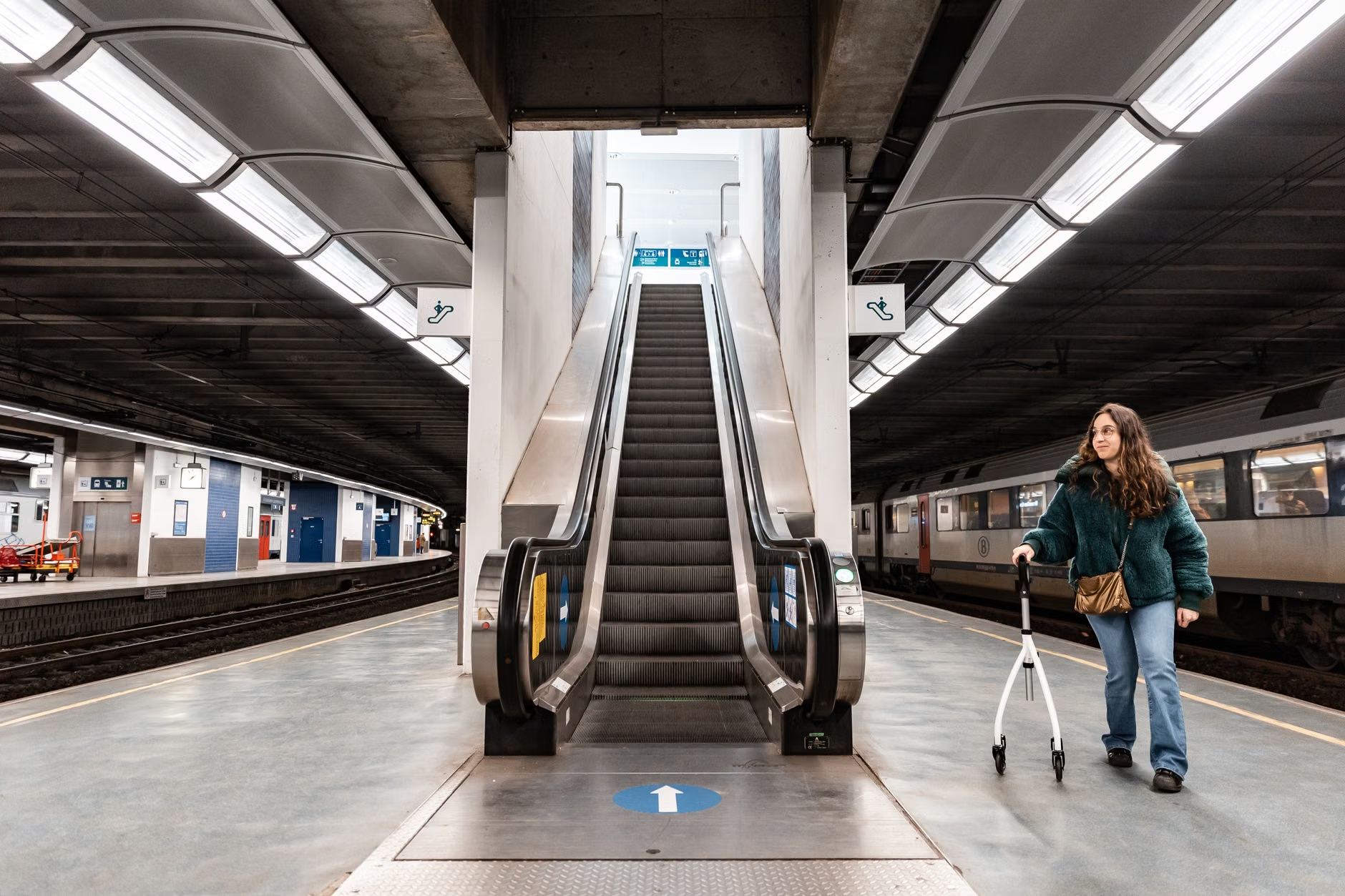
A common mistake is assuming that a “major station” is automatically accessible. In reality, a station might be a primary hub for a region but still require navigating 20 or 30 steps to reach the platform. When planning, you must look for the term “step-free access” rather than just “accessible.”
Practical Decision Rule: If a station does not explicitly state “step-free access from street to platform,” assume you will encounter stairs. In these cases, you must evaluate your ability to carry your luggage. If you cannot comfortably lift your bag while navigating a staircase, you must either pack lighter or book a private transfer/porter service in advance.
Assessing Station Accessibility
Before booking, use the following checklist to evaluate your route:
| Feature | What to Look For | Red Flag |
|---|---|---|
| Platform Access | Elevators or ramps available. | “Stairs only” or “Pedestrian bridge access.” |
| Gap Width | Level boarding or platform fillers. | A gap wider than 15cm (6 inches) between train and platform. |
| Station Staff | “Assistance service” available via pre-booking. | Unmanned, remote-operated stations. |
The Art of Packing for Rail Travel
Packing for a train trip is fundamentally different from packing for a flight. You are responsible for your own luggage at every step—from the platform, through the narrow train aisles, to the overhead rack. The goal is to maximize mobility without sacrificing the items that ensure your comfort.
The Two-Bag System
We recommend a two-bag system to maintain control over your belongings:
- The Primary Roller (The “Stowaway”): A lightweight, four-wheeled spinner bag that fits easily into overhead racks. Limit this to 10kg (22lbs). If you cannot lift this weight above your head, you must choose a bag that fits under your seat or be prepared to ask for assistance.
- The Personal Item (The “Essential”): A secure cross-body bag or small backpack that stays on your person at all times. This contains your “survival kit”: medications, travel documents, a portable power bank, and a light sweater.
Essential Packing List for Coastal Climates
Coastal weather is notoriously fickle. Even on a sunny day, winds whipping off the ocean can cause a rapid drop in temperature. Your packing list should reflect the need for layering rather than bulky clothing.
- Layering Pieces: A windproof, lightweight jacket is essential. Coastal areas often experience high humidity, which makes cold air feel more penetrating.
- Footwear: Choose shoes with non-slip rubber soles. Coastal platforms can be slick due to salt spray and humidity. Avoid loafers or heels; prioritize closed-toe walking shoes with arch support.
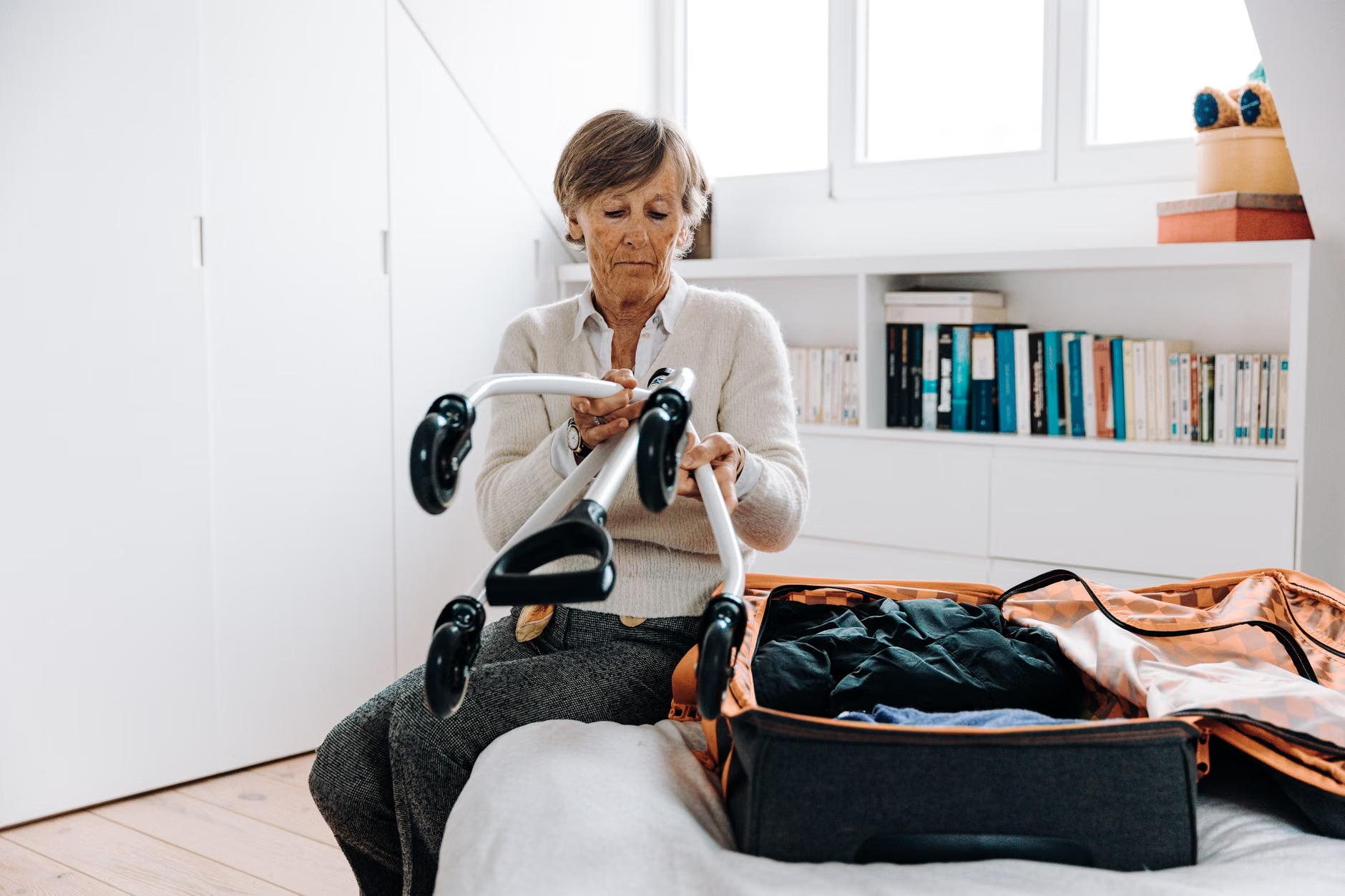
- Mobility Aids: If you use a cane, consider a collapsible model that can be tucked into your personal item. If you have any concerns about balance, a cane with a wide, pivoting base offers better stability on uneven station platforms.
Managing Stamina and Health on the Move
Traveling by train is physically demanding even if you aren’t walking. The vibration of the train, the noise, and the constant postural adjustments take a toll on the body. For adults aged 60 to 80, the priority is minimizing the “energy cost” of your journey.
The 30-Minute Recovery Rule
Upon arriving at a coastal destination, do not rush to the nearest tourist site. The “recovery window” is a period of at least 30 minutes where you remain seated in a café or station waiting area. This allows your inner ear to adjust to the change in elevation and your muscles to recover from the static tension of the train ride.
Medication and Hydration
Trains can be dehydrating due to air conditioning and altitude changes in cliffside regions. Carry a reusable water bottle that is easy to open with one hand. Regarding medication, keep a copy of your prescription list in your personal item, but keep the actual medications in their original, clearly labeled containers to avoid confusion at border crossings or with medical staff if an emergency arises.
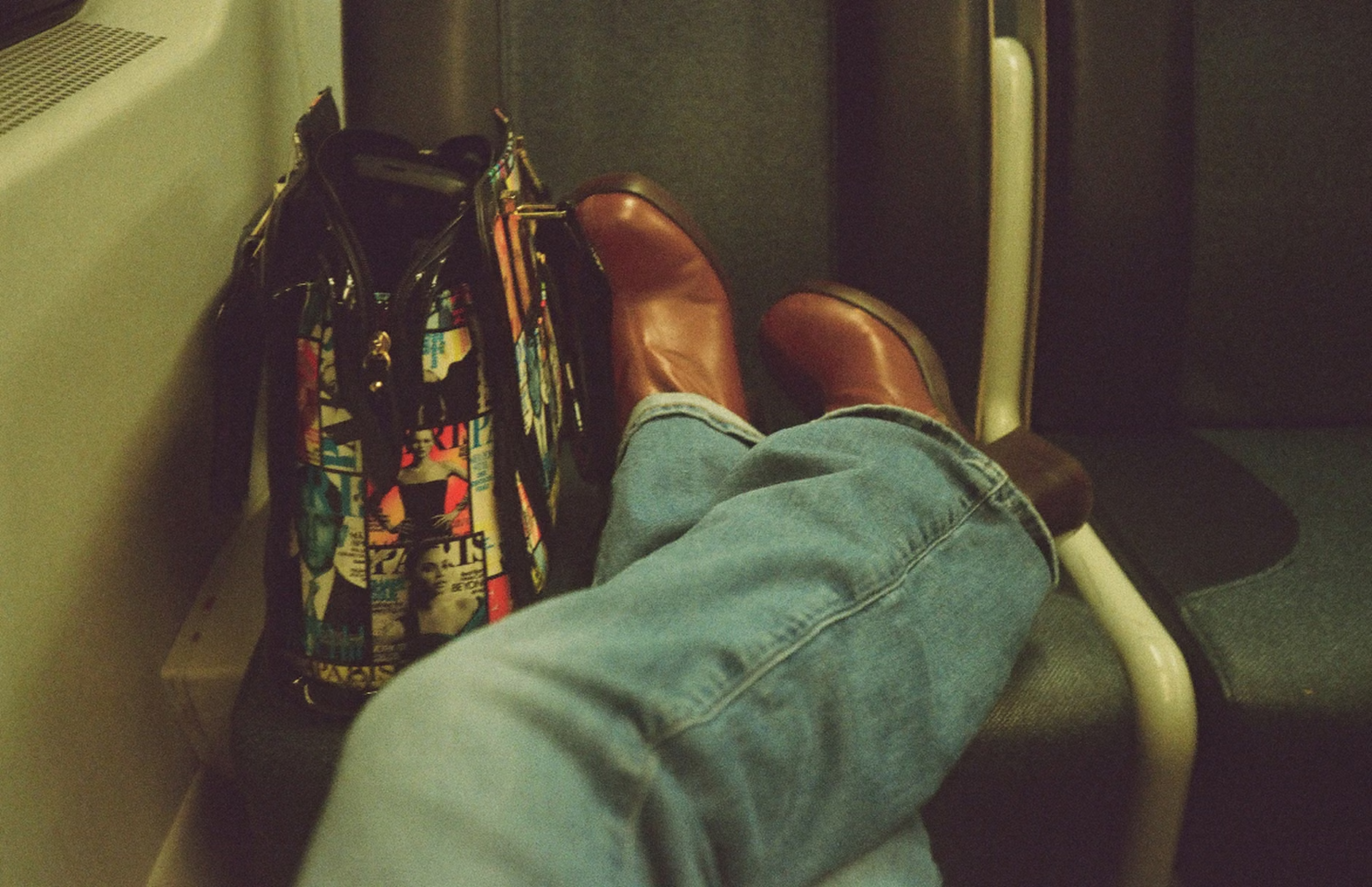
The interior of a train is a dynamic environment. Sudden stops and starts can cause loss of balance. When boarding, always identify the location of the nearest emergency stop button and the conductor call button.
Selecting Your Seat
If you have a choice, select a seat in the middle of the carriage. The ends of the carriages are subjected to more “sway” as the train navigates curves—a common feature of cliffside routes. Furthermore, proximity to the vestibule (where the doors are) often means more foot traffic and noise.
Emergency Preparedness
In the event of a medical issue on board, do not wait for the situation to worsen. Train conductors are trained in basic first aid and have protocols to contact emergency services at the next major station. If you feel dizzy, faint, or experience chest discomfort, notify a staff member immediately. Do not attempt to walk to the bathroom or the dining car if you feel unstable.
Expert Insights: The “Hidden” Variables of Coastal Rail
Beyond the basics, there are two variables that often catch travelers off guard: salt corrosion and platform height variations.
Coastal environments are harsh on equipment. If you use a wheelchair or a complex mobility device, the salt air can affect electronic components. Ensure your device is wiped down with a clean, dry cloth at the end of every day. Regarding platform height, in many older coastal rail systems, the platform height changes from station to station. This means you might be stepping “up” into the train at one stop and “down” at the next. Always look before you step; never assume the platform-to-train distance is consistent.
Conclusion: Taking the Next Steps
Coastal rail travel is a rewarding experience when you remove the uncertainty through preparation. By choosing your luggage wisely, vetting your stations for step-free access, and respecting your need for recovery time, you can turn a potentially stressful journey into a highlight of your travels. Before you book your next ticket, visit the official website of the national rail provider for your destination (e.g., Amtrak for the US, National Rail for the UK, or Trenitalia for Italy) to review their specific “Accessibility” or “Assisted Travel” pages. These pages often contain the most current, station-specific data available.
Frequently Asked Questions (FAQ)
1. How do I request assistance at a train station if I have limited mobility?
Most major rail operators require you to book “Assisted Travel” at least 24 to 48 hours in advance via their website or a dedicated phone line. This ensures a staff member will be waiting at the platform with a ramp or elevator key to assist you with boarding and disembarking.
2. Is it better to book a window seat or an aisle seat for a coastal route?
For a coastal route, a window seat is ideal for the view, but an aisle seat is often better for mobility. If you have any concerns regarding your ability to move through the carriage, the aisle seat provides easier access to the restroom and quicker exit during stops.
3. What should I do if my train is delayed in a remote, cliffside location?
Stay on the train. Remote stations often lack facilities, seating, and shelter. The train is your safest and most comfortable environment. Follow the instructions of the onboard staff, and ensure your phone is charged to keep family members updated on your status.