Key Takeaways:
- New Ergonomic Benchmarks: Starting in 2026, international library standards mandate higher seat heights (45–50cm) and firmer cushions to assist with easier standing and sitting for older adults.
- Mobility and Layout: Updated guidelines require wider aisles and specific “clearance zones” around furniture to ensure walkers, canes, and wheelchairs can navigate reading areas without obstruction.
- Universal Design Integration: Libraries are increasingly adopting “Universal Design” principles, meaning furniture is no longer segregated by age but designed to be inherently supportive for all, reducing the stigma of “senior seating.”
Introduction: Why Seating Standards Matter in 2026
Beginning in 2026, a significant shift is occurring in how public spaces—specifically libraries—approach interior design. For many older adults aged 60 to 80, the library is more than a place for books; it is a vital community hub for digital access, lifelong learning, and social connection. However, poorly designed furniture often acts as a barrier to these services. The new global guidelines, influenced by the International Federation of Library Associations and Institutions (IFLA) and local accessibility mandates, aim to eliminate these physical hurdles.
This article provides an in-depth look at what these changes mean for you, how to identify an age-inclusive space, and why these design shifts are crucial for maintaining independence and comfort during your library visits.
The Evolution of Ergonomic Standards
For decades, library furniture was often selected for durability and cost rather than ergonomic support. Many chairs were too low, too soft, or lacked armrests, making them difficult to exit for individuals with lower-limb weakness or joint discomfort. The 2026 standards move away from this “one-size-fits-all” approach.
The Anatomy of an Inclusive Chair
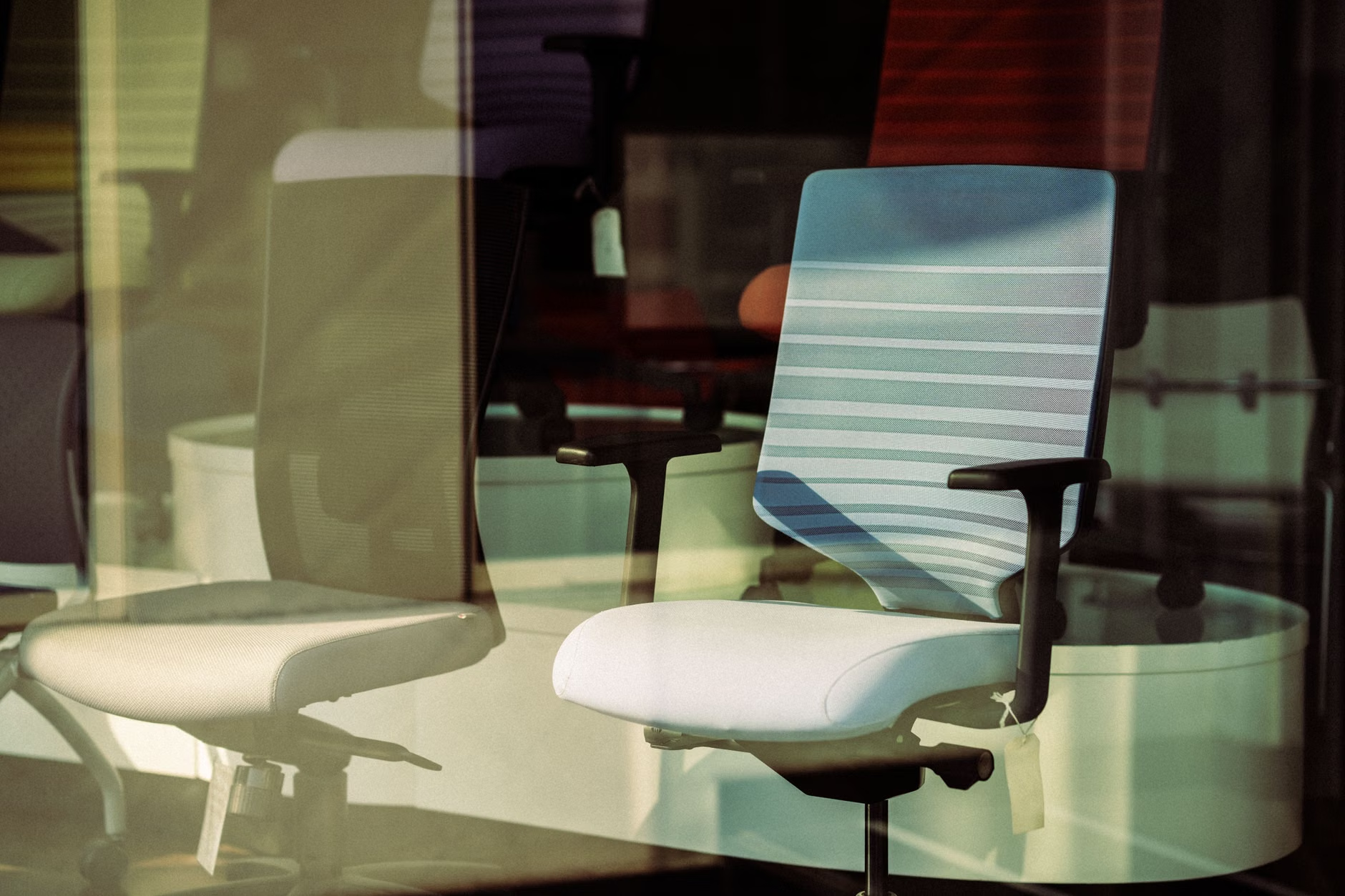
The new standards emphasize three critical dimensions for chairs used in public areas:
- Seat Height: A minimum height of 45cm to 50cm (approx. 18–20 inches). This ensures that the knees remain at a 90-degree angle, which reduces pressure on the joints when standing up.
- Armrest Geometry: Armrests must now be rigid and extend to the front edge of the seat. This provides a stable leverage point for pushing off when standing, a critical requirement for those with limited core or leg strength.
- Cushion Density: Foam density must be high enough to prevent “sinking,” which can trap a person in a chair. A firmer surface is now the recommended standard for public reading areas.
What this looks like in real life: Imagine visiting your local branch and finding that the traditional low-slung lounge chairs have been replaced by chairs with firm, high-back support and solid wooden or metal armrests. This is not a change in style, but a deliberate move to ensure you can stand up without needing to rock forward or use excessive physical effort.
Seating is only one half of the equation; the ability to reach that seat safely is equally important. The 2026 guidelines place heavy emphasis on “clearance zones.”
Defining the Clearance Zone
A clearance zone is the unobstructed space required around a chair or table. Under the new guidelines, there must be at least 120cm (approx. 4 feet) of space between tables or rows of seating. This allows for the turning radius of a standard mobility aid, such as a walker or a folding wheelchair.
| Feature | Old Standard | 2026 Guideline |
|---|---|---|
| Aisle Width | 90cm (Minimal) | 120cm (Recommended) |
| Table Edge Height | Variable | 75cm (Fixed/Adjustable) |
| Floor Surface | High-pile carpet | Level/Low-pile/Non-slip |
Why this matters: If you use a mobility aid, you know the frustration of navigating a “maze” of tables. The new guidelines prioritize the “flow” of the library. You should expect to see fewer tables cluttered in the center of rooms and more deliberate, wide paths leading to seating areas.
Tables and Digital Access: Beyond the Reading Desk
Many older adults visit the library to use public computers or tablets. The 2026 standards address the height and legroom of these stations. A major issue in older designs was the “apron” (the piece of wood under the table surface) that restricted legroom and prevented wheelchairs or individuals with limited hip flexion from getting close enough to the keyboard.
The “Open-Leg” Requirement: New standards mandate that computer stations must have a minimum of 70cm of knee clearance, free of any obstructions. This allows for a more natural posture, reducing back strain during longer sessions of computer use.
Practical Checklist for Your Next Library Visit
When you visit your local library, you can evaluate the space using this checklist:
- The Sit-to-Stand Test: Can you stand up from your chosen chair without using your hands to “heave” yourself up? If yes, the seat height is likely appropriate.
- The Reach Test: When seated at a table, can you reach the center of the table without leaning forward excessively? If you feel you are stretching, the table is likely too deep or the chair is positioned incorrectly.
- The Aisle Test: If you are using a cane or walker, do you feel “trapped” if someone else walks past you? If the answer is yes, the layout may not yet meet the 2026 accessibility standards.
The Role of Universal Design
One of the most important aspects of the 2026 updates is the move toward Universal Design. This philosophy suggests that good design should be usable by everyone, regardless of age or ability, without the need for specialized “elderly” furniture.
By implementing these standards across the board, libraries avoid the “segregation” of older adults. Instead of having a single “senior area” in the corner, the entire library becomes accessible. This shift is vital for social inclusion; it allows you to sit with grandchildren, friends, or younger colleagues in any part of the building, rather than being restricted to a specific zone.

How to Advocate for Better Seating
If your local library has not yet adopted these standards, you have the right to request improvements. Libraries are public institutions, and they are generally required to provide reasonable accommodations under local disability and public access laws.
Steps to take:
- Speak with the Branch Manager: Frame your request in terms of safety and accessibility. Mention that “the 2026 global standards for library accessibility suggest higher seat heights and wider aisles for inclusive access.”
- Document the Issue: Take photos of the problematic areas (ensure no people are in the photos). Showing that a chair is too low or an aisle is too narrow is more effective than describing it.
- Engage with the Library Board: Most public libraries have an oversight board. They are responsible for budget allocations. A well-worded letter detailing how the current furniture limits your ability to use the library can influence future furniture procurement cycles.
Unexpected Trade-offs: The Hidden Inconveniences
While these standards are designed to help, they do come with trade-offs. For example, chairs that are firmer and higher often lack the “cozy” feeling of a lounge chair. Some libraries may prioritize “aesthetic” furniture that looks modern but fails to meet these ergonomic requirements.
Another overlooked variable is the weight of the furniture. While heavy, solid chairs are more stable (which is good for preventing falls), they can be difficult to pull out or push in. If you find a chair too heavy to move, do not hesitate to ask library staff for assistance. It is their role to ensure you can access your workspace safely.

Maintaining your health while navigating public spaces requires a proactive mindset. If you have chronic back pain, arthritis, or balance concerns, your seating choice is a health decision.
Warning Signs of Poor Seating:
- Post-Sit Stiffness: If you feel significant stiffness after sitting for less than 30 minutes, your chair height is likely incorrect.
- Lower Back Pressure: If the chair back is completely vertical or sloped backward, it may be causing unnecessary lumbar strain. Look for chairs with a slight, supportive curve.
- Numbness in Legs: If the seat edge presses against the back of your thighs, it can restrict circulation. This is a sign that the chair is too deep or the seat height is too high for your leg length.
If you experience these, change your seat immediately. Do not feel compelled to stay in a chair that causes physical discomfort. If the library lacks suitable seating, bring a small, portable lumbar cushion. It can make a significant difference in comfort, regardless of the chair type provided.
Conclusion: The Future of Your Library Experience
The 2026 global standards are a significant step forward in recognizing that public spaces must adapt to an aging population. By focusing on seat height, aisle width, and universal design, libraries are becoming more welcoming, safe, and accessible. As you visit your library, use the information provided here to advocate for your needs and ensure your environment supports your continued engagement with the community.
Your ability to access information and participate in society should not be limited by the furniture you sit on. By understanding these standards, you are better equipped to navigate the library with confidence and comfort.
Frequently Asked Questions (FAQ)
1. Do these 2026 standards apply to all libraries globally?
The 2026 standards are established by international organizations like IFLA and are intended to be adopted by national and local library systems. While they serve as a global benchmark, the speed of implementation depends on local library budgets and government mandates in your specific country or jurisdiction. Always check with your local branch for their specific accessibility policy.
2. Can I bring my own cushion to the library?
Absolutely. If the library’s furniture is not ideal for your needs, bringing a small, portable lumbar cushion or a seat wedge is a practical way to manage your comfort. Many libraries now view this as a standard practice for patrons with specific physical needs.
3. What should I do if my local library is not accessible?
If you find that your library is difficult to navigate due to furniture layout or design, start by speaking with the librarian on duty. If the issue remains unresolved, write a letter to the library’s administration or the local municipal board responsible for public services. Point out that accessibility is essential for the inclusion of older adults and that modern standards (like the 2026 updates) provide a roadmap for simple, effective improvements.
Official Resources and Further Reading
- International Federation of Library Associations and Institutions (IFLA) – For updates on global library standards and accessibility guidelines.
- ADA (Americans with Disabilities Act) Guidelines – While US-specific, these often serve as a reference for accessibility benchmarks in many other regions.
- World Health Organization: Age-Friendly World – Comprehensive information on making public environments more accessible for older adults.