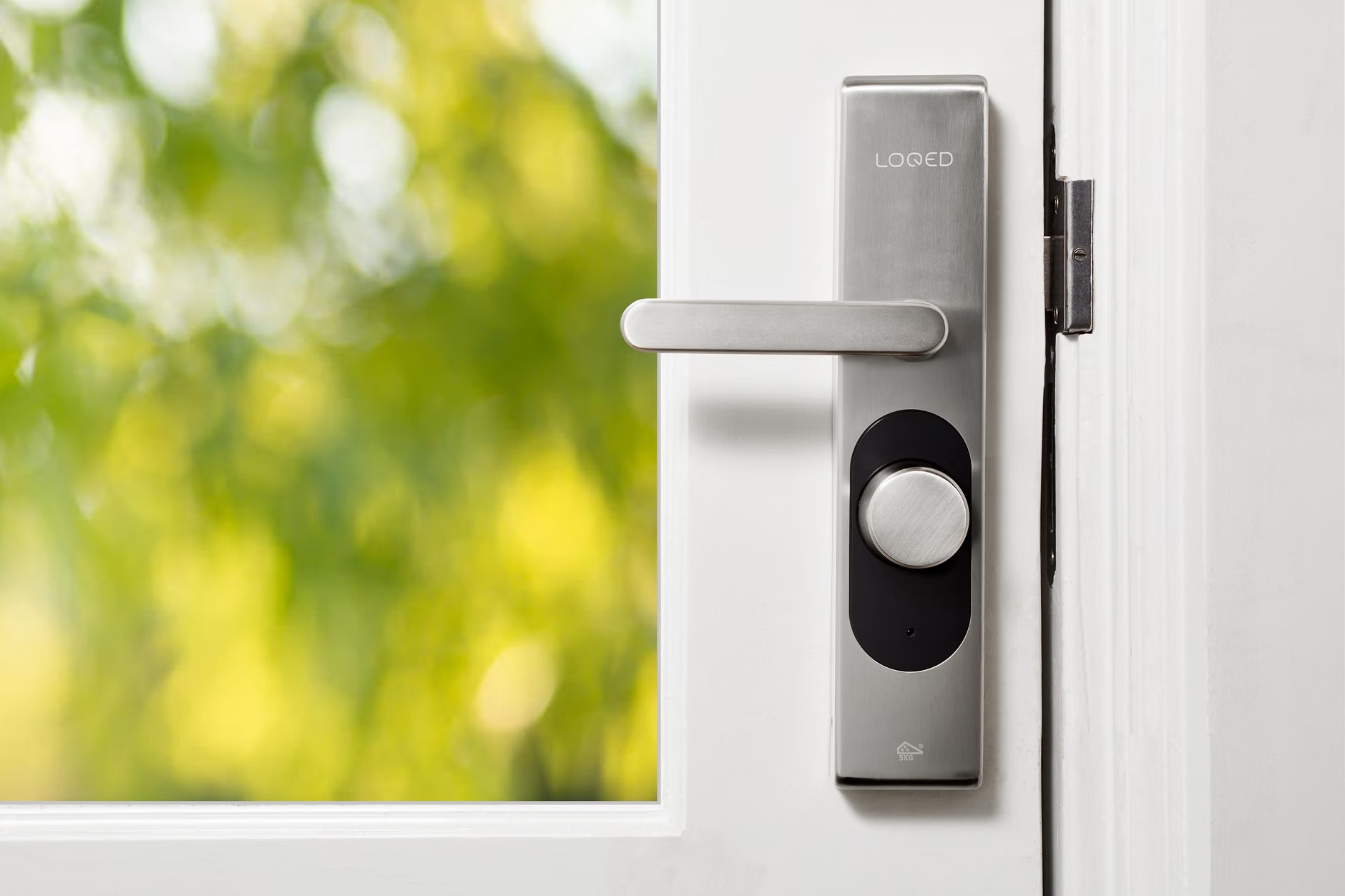
- Ergonomic Priority: By 2026, international standards are moving away from small, twisting knobs toward large, high-contrast lever handles and push-button mechanisms to accommodate reduced grip strength.
- Visual Clarity: New designs prioritize color-coded occupancy indicators (typically high-contrast green/red) to reduce cognitive load and confusion.
- Emergency Access: Updated safety codes mandate external emergency override mechanisms that are intuitive for staff but secure against accidental opening.
Public washroom design is undergoing a significant transformation as global accessibility standards evolve for 2026. For older adults, the humble door latch—often overlooked—is a critical point of daily frustration and physical strain. As international building codes begin to prioritize “age-inclusive” design, we are seeing a shift toward hardware that requires minimal force, dexterity, and cognitive effort to operate.
The Evolution of Hardware: Why 2026 Standards Matter
In the past, public restroom latches were designed primarily for security and durability, often ignoring the physical realities of aging. Small, circular knobs that require a firm pinch-and-twist motion can be nearly impossible for individuals with arthritis, carpal tunnel syndrome, or general age-related loss of grip strength. Starting in 2026, many jurisdictions—particularly in the EU, Japan, and North America—are adopting updated ISO and local building guidelines that mandate “universal design” principles.
The goal is to ensure that a washroom door can be operated by anyone, regardless of their range of motion or hand strength. This transition is not just about convenience; it is a matter of dignity and independence. When a user cannot lock or unlock a door, they may avoid using public facilities entirely, which impacts their ability to travel, socialize, and engage in daily activities.
The Shift Toward Lever-Action and Push-Button Latches
The most prominent change is the retirement of traditional “twist” locks. The new standard emphasizes two specific types of hardware:
- Lever Handles: These require only a downward push, which can be accomplished with a palm, elbow, or forearm if a full hand grip is painful.
- Electronic Push-Buttons: Common in high-traffic airports and modern transit hubs, these eliminate physical resistance entirely. A simple touch triggers a motorized deadbolt.
| Mechanism Type | Physical Effort Required | Best For |
|---|---|---|
| Traditional Twist Knob | High (Requires pinching/twisting) | Not recommended for accessibility |
| Lever Handle | Low (Requires downward pressure) | Arthritic hands/Reduced grip |
| Electronic Push-Button | Very Low (Touch-activated) | Limited motor control/Fatigue |
Understanding Occupancy Indicators: Reducing Cognitive Load
Another major pillar of the 2026 standards is visual clarity. Many older adults experience changes in depth perception or contrast sensitivity. Traditional “Vacant/Occupied” sliding bolts often feature small, faded text that is difficult to read in dim lighting.
The new generation of latches incorporates high-contrast color indicators. In this system, the color is not just an aesthetic choice; it is a functional requirement. A large, bright green indicator clearly marks “Vacant,” while a bold red signifies “Occupied.” Some jurisdictions are even mandating that these indicators be placed at eye level rather than directly on the latch mechanism, ensuring they remain visible even for those who may have trouble leaning down to inspect the door handle.
What to Look for When Traveling
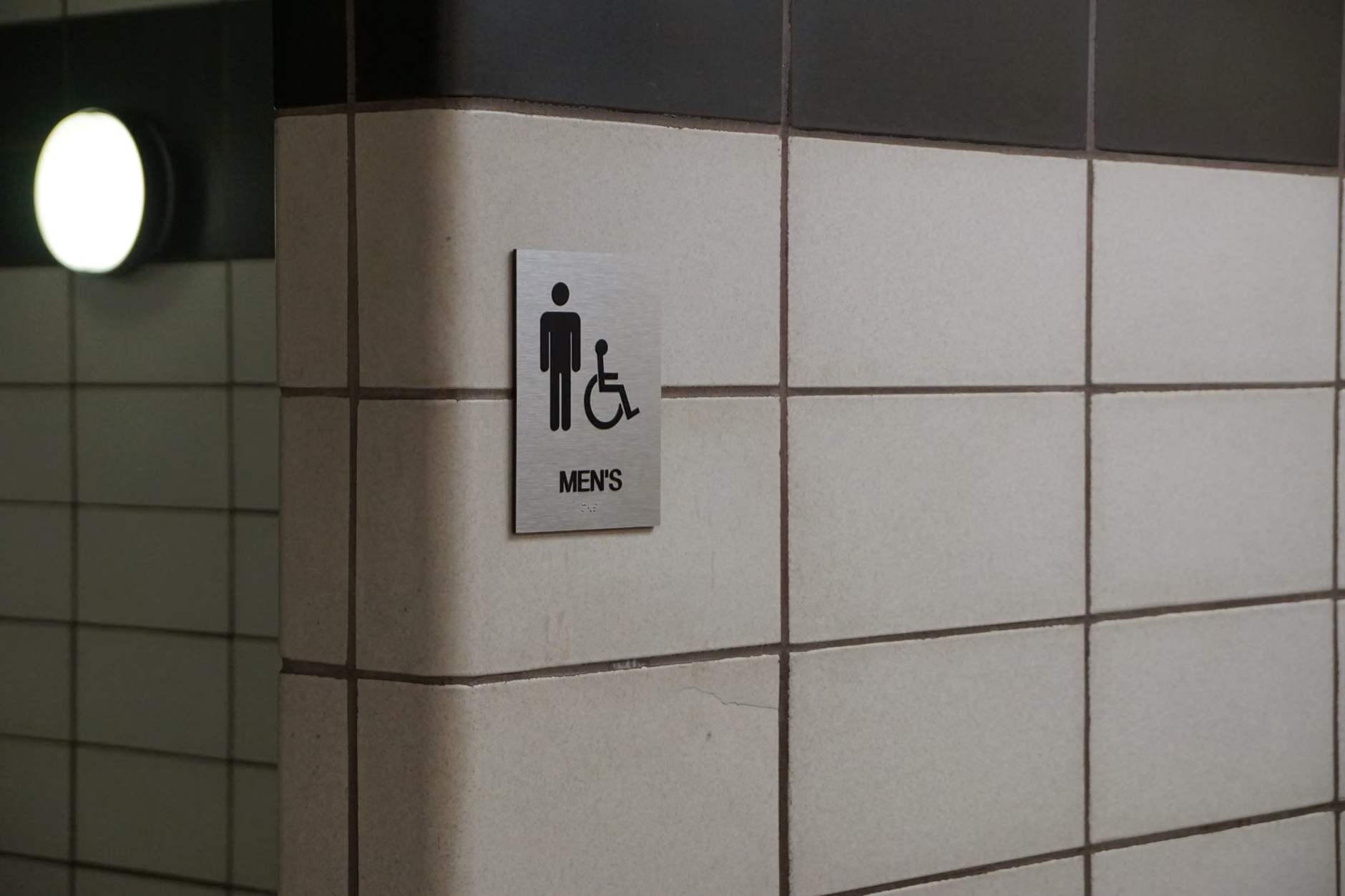
When you are traveling, especially in unfamiliar transit hubs or public spaces, take a moment to assess the door hardware before you enter the stall. If you notice a “heavy” or “stiff” looking traditional knob, consider looking for the “universal access” stall. These stalls are typically wider, feature a sliding or outward-opening door, and are almost always equipped with the latest, easiest-to-use latch hardware.
Emergency Protocols: Safety Without Complexity
One of the most critical aspects of 2026 design is the “Emergency Override.” In the past, if an older adult fell or experienced a health emergency inside a locked stall, staff often had to break the door or hinges to gain access. This was not only expensive but dangerous.
Modern latches are now required to have an external slot or lever that allows facility staff to unlock the door from the outside using a standard tool (like a flathead screwdriver or a specialized key). This design ensures that security is maintained while guaranteeing that help can reach you within seconds if needed. When choosing a stall, you might notice a small circular or rectangular notch on the exterior of the door—this is a sign that the facility has been updated to modern safety standards.
Practical Tips for Daily Use
Even with improved hardware, public spaces can be challenging. Here is a practical guide to managing washroom doors with confidence:
- Assess the handle type: If you struggle with grip, look for the lever-style handle. If it is stiff, use the palm of your hand rather than your fingers to apply downward pressure.
- Test the weight: Sometimes the door itself is heavy, not the latch. If you have limited shoulder mobility, avoid “pull-to-open” doors if there is an alternative.
- Keep your belongings secure: If you are using a walker or cane, ensure you have a designated hook inside the stall to keep your hands free for the latch.

The Role of Advocacy and Awareness
As these standards roll out globally, it is important to understand that implementation is not instantaneous. Countries like the United Kingdom (via the BS 8300 standard) and the United States (via updated ADA guidelines) are leading the charge, but smaller or older venues may take years to renovate. If you encounter a facility that is consistently difficult to use, consider providing feedback to the venue management. Often, they are unaware that a simple hardware swap—replacing a knob with a lever—can drastically improve accessibility for their patrons.
Addressing Potential Challenges
While the transition to 2026 standards is overwhelmingly positive, there are some trade-offs. For example, electronic latches depend on power. In the event of a total building power failure, these locks are designed to “fail-safe” (unlock), but this can occasionally cause confusion. Always look for a manual override or a secondary mechanical lock if you are in a building that seems to be having electrical issues.
Furthermore, because these new designs are highly intuitive, they are also more “tempting” for children to play with. You may find that newer stalls are slightly more prone to being accidentally locked by others. If you find a door that appears locked but the indicator is green, give it a gentle push before assuming it is occupied; the latch mechanism might simply be in a transitional state.
Conclusion: Empowerment Through Design
The shift in 2026 toward age-inclusive washroom design is a significant step forward in creating public environments that respect the needs of all generations. By moving away from complex, strength-dependent hardware, we are removing barriers that have long hindered the mobility and confidence of older adults. As you travel and move through your community, take comfort in the fact that these new, ergonomic designs are becoming the global norm. Your ability to navigate the world comfortably is a right, not a privilege, and the infrastructure of our public spaces is finally beginning to reflect that reality.
Frequently Asked Questions (FAQ)
1. Are these new door-latch standards mandatory worldwide?
No, these standards are not universal. They are being adopted through local building codes and national accessibility guidelines, such as the ADA in the US or ISO 21542 internationally. Implementation varies by country and by the age of the building, as older facilities are often only required to upgrade during major renovations.
2. What should I do if I find a latch that is too difficult to operate?
If you are in a public building or a business, inform the front desk or customer service. Often, management is unaware that specific hardware is causing issues. If you are in a transit station, look for a “family” or “accessible” restroom, which are almost always equipped with easier-to-operate hardware.
Most modern electronic locks are designed to “fail-safe.” This means that if the electrical current is cut, the lock will automatically disengage or stay in an unlocked position to ensure that no one is trapped inside. Always check for a manual override latch (usually a sliding piece) if you feel unsure about the system.
Sources and Further Reading: