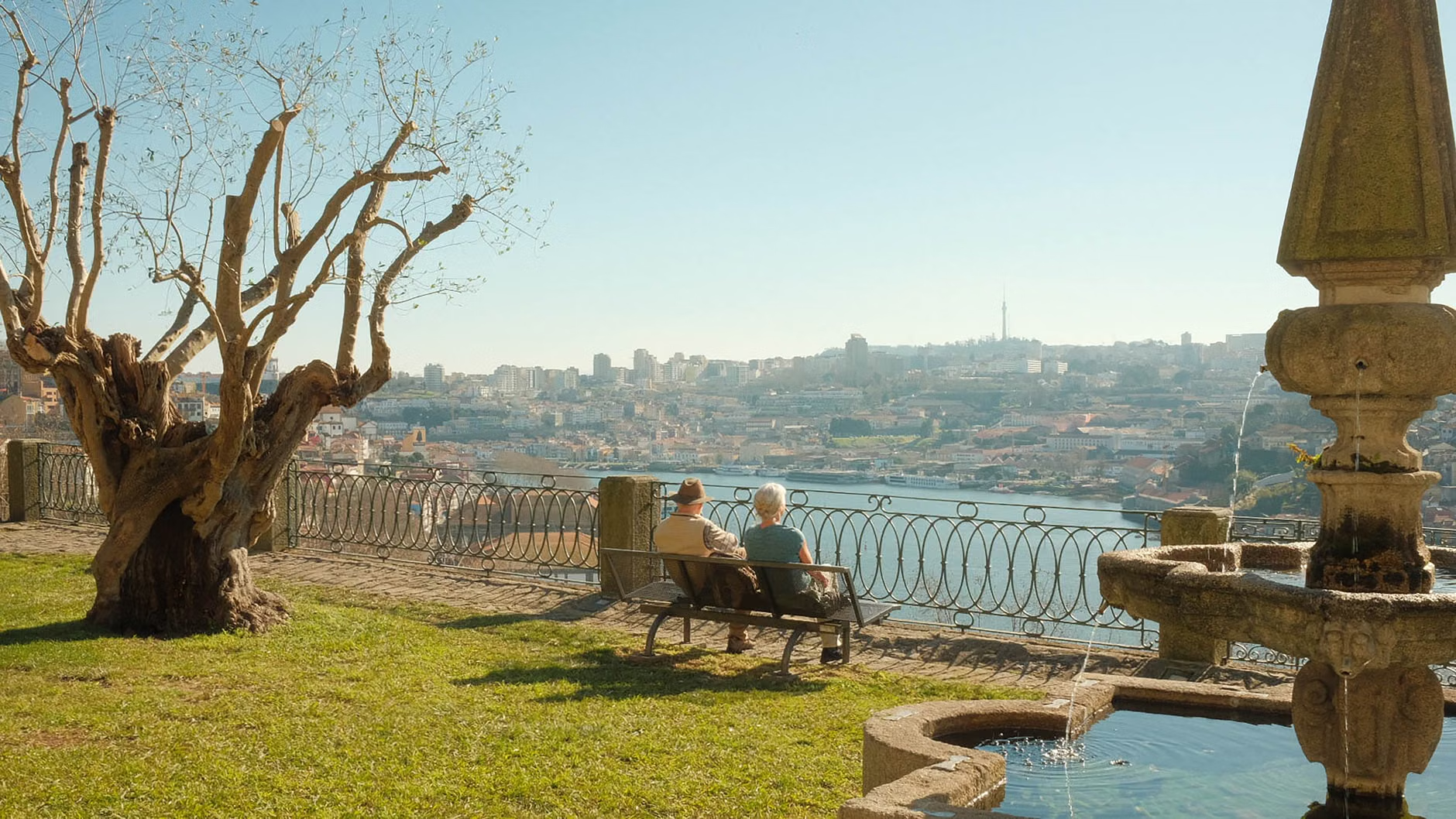
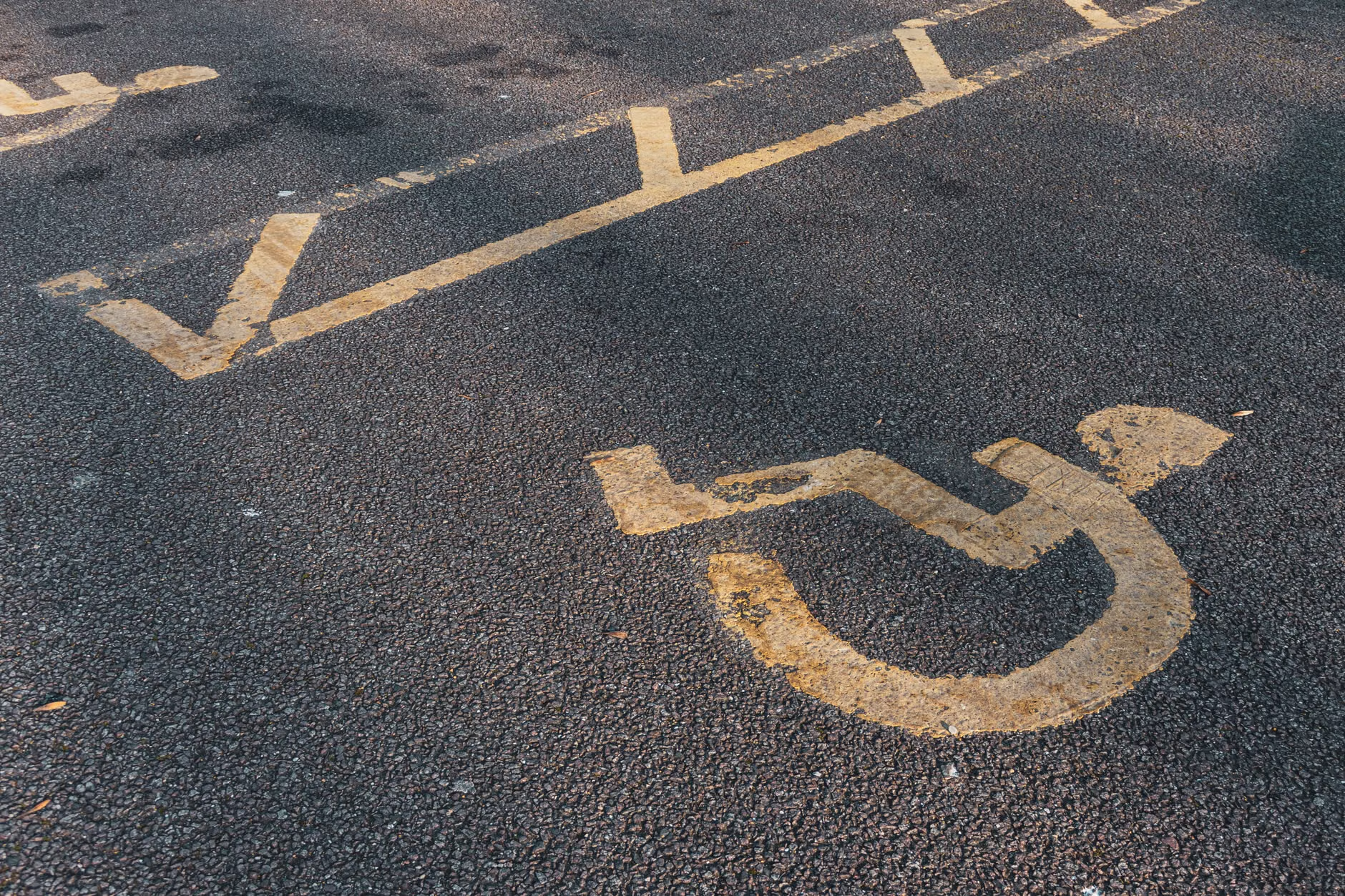
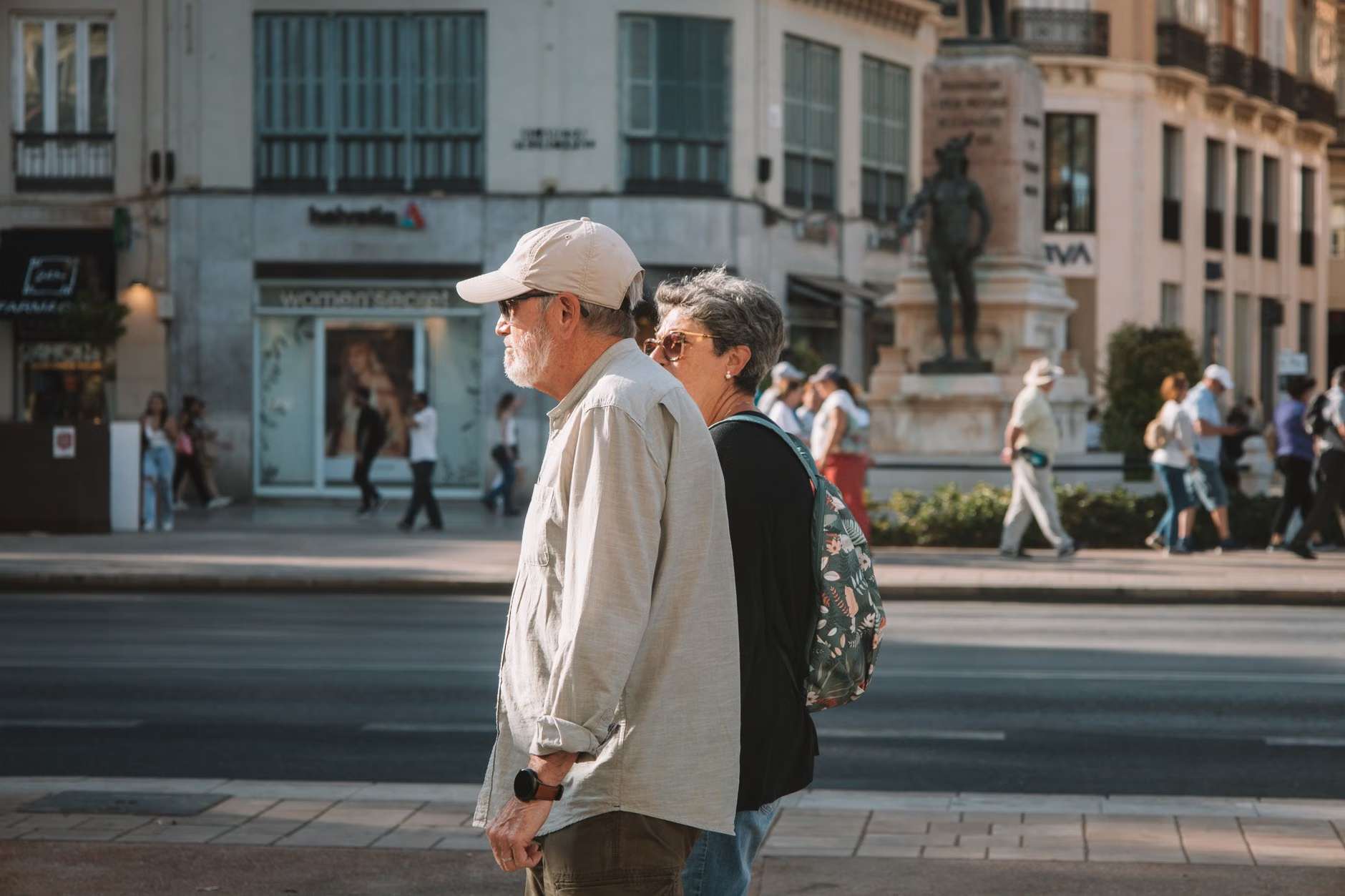
- Prioritize “Flat-Access” Squares: Look for destinations that have invested in smooth stone paving or designated pedestrian paths rather than traditional, uneven cobblestones.
- The 30-Minute Rule: Plan no more than 30 minutes of continuous walking between rest points; historic squares often lack shade and adequate public seating.
- Check Seasonal Accessibility: Historic fountains are often turned off or covered in winter, and peak tourist seasons can turn accessible paths into crowded, high-risk environments for those with limited mobility.
The Intersection of History and Mobility
For many travelers, the allure of a historic town square lies in its fountain—a centerpiece of architectural beauty and historical significance. However, for those aged 60 to 80, the romanticized image of a bustling, cobblestoned European plaza often hides practical challenges. Accessibility is not merely about whether a site is “open” to the public; it is about the physical reality of navigating uneven terrain, finding adequate shade, and managing stamina in environments not originally designed for modern mobility aids.
This guide provides a systematic approach to selecting and enjoying historic fountain tours. We will move beyond the superficial “sightseeing” advice to discuss the logistical realities of terrain assessment, transit planning, and the essential “recovery” strategy that makes a trip sustainable rather than exhausting.
Assessing Terrain: Beyond the Cobblestone
The primary barrier to visiting historic fountains is the ground surface. Many historic squares rely on “setts” or traditional cobblestones, which are notoriously difficult for walkers, canes, and even some lightweight wheelchairs. When researching your destination, do not rely on generic marketing photos.
The “Smooth Path” Criterion
Look for official city tourism websites that explicitly mention “pedestrian-friendly” or “accessible” routes. If a city uses the term “historic,” it often implies uneven surfaces. A useful test is to use Google Street View to “walk” the path from the nearest public transport stop to the fountain. If the view shows deep gaps between stones or significant slopes, you must consider whether your mobility aids are appropriate for that terrain.
| Surface Type | Suitability for Mobility Aids | Recommendation |
|---|---|---|
| Large, flat stone slabs (Flagstones) | High | Ideal for walkers and canes. |
| Small, rounded cobblestones | Low | Avoid unless using specialized, rugged mobility equipment. |
| Poured concrete or asphalt paths | Excellent | Best for those seeking maximum comfort and stability. |
Practical Decision Rule: If you find that the path to the fountain is predominantly small, rounded cobblestones, look for an alternative entry point. Many cities now provide “accessibility maps” that highlight routes with flat paving. If such a map is unavailable, contact the local tourist board specifically asking for the “most accessible route for a pedestrian with limited mobility,” rather than asking if the site is “accessible” in a general sense.
Strategic Pacing and the “Recovery Buffer”
A common mistake among travelers is attempting to visit multiple fountains in a single morning. This leads to “traveler’s fatigue,” which increases the risk of falls and reduces the enjoyment of the destination. Instead, apply the “Recovery Buffer” rule.
What is the Recovery Buffer?
The Recovery Buffer is a mandatory 20-minute seated rest period for every 30 minutes of active walking. In historic squares, benches are frequently occupied or non-existent. You must treat your route planning as a search for “support stations.”
- Identify Seating: Look for cafes that offer outdoor seating facing the fountain. This is your primary “support station.”
- Time-of-Day Selection: Visit fountains during off-peak hours (usually before 10:00 AM or after 4:00 PM). Crowds are not just a nuisance; they are a safety risk. A crowded square increases the likelihood of being bumped, which can be dangerous for those with balance issues.
- Hydration and Facilities: Historic squares often lack modern, accessible public toilets. Before leaving your hotel, verify the location of the nearest public facility or a museum/cafe that allows patrons to use their restrooms.
Logistics: Transport and Safety
Getting to the fountain is often more taxing than the visit itself. In many European cities, historic centers are restricted-traffic zones. This means taxis or buses may drop you off several hundred meters away from the actual square.
The “Last Mile” Challenge
Always verify the distance from the drop-off point to the target square. If the distance exceeds 300 meters, consider using a folding mobility scooter or a lightweight walker with a seat. These devices provide independence and a guaranteed place to rest if a public bench is unavailable.
Safety Note: If you are traveling with a companion, establish a “check-in” cadence. Every 15 minutes, pause and assess your energy level. Do not wait until you feel tired to stop; by the time you feel fatigue, your balance and concentration have already begun to decline.
Managing Expectations and Hidden Variables
It is important to acknowledge that “accessibility” is a relative term. A fountain tour that is perfectly fine for an active 70-year-old may be impossible for someone with limited range of motion or severe joint pain.
The Overlooked Variables
- Lighting: Historic squares are often poorly lit at night. If you plan to see a fountain illuminated in the evening, ensure you have a companion and that your route is well-traversed.
- Weather: Wet stone is significantly more slippery than dry stone. If it has rained, postpone your visit. The risk of a slip is not worth the view.
- Maintenance Schedules: Check local municipal websites to ensure the fountain is operational. Many historic fountains are drained for cleaning or winterization during the off-season.
Practical Steps for a Successful Tour
To ensure your tour goes smoothly, follow this checklist before you leave your accommodation:
- Confirm the Route: Use a mapping app to check if the path is pedestrianized and flat.
- Locate Restrooms: Note the nearest accessible public restroom or a cafe you plan to visit.
- Verify Seating: If the square has no public benches, pre-identify a cafe with a view of the fountain where you can sit and relax.
- Pack Essentials: Always carry a small bottle of water, your medication list, and a card with your hotel address in the local language.
Conclusion: The Joy of Measured Exploration
The goal of a historic fountain tour is to soak in the atmosphere of a place, not to win a race. By prioritizing sites with accessible paving, planning for regular rest periods, and being realistic about the “last mile” of your journey, you can enjoy these architectural wonders safely and comfortably. Remember, the best travel experiences are those where you feel in control of your environment, not those that leave you exhausted. Take your time, choose your routes wisely, and focus on the quality of your experience rather than the number of sites visited.
FAQ
Q: How do I find out if a historic square is truly accessible?
A: Start by searching the official city tourism website for “accessibility” or “inclusive tourism” guides. These often contain maps of paths that avoid steep inclines and cobblestones. If no such guide exists, look for reviews on travel forums specifically from other seniors or travelers with mobility concerns.
Q: What should I do if I find the terrain is more difficult than expected?
A: Do not force it. If you encounter unexpected cobblestones or steep inclines, turn back or seek a taxi to a different, more accessible part of the city. There is no shame in adjusting your plans; the safety of your joints and your overall energy levels should always come first.
Q: Is it better to join a guided tour or go independently?
A: For those with mobility concerns, independent travel is often better because it allows you to set your own pace and take breaks whenever needed. If you prefer a guided tour, ensure you ask the operator specific questions about the walking distance, the surface type, and the availability of rest stops. Many tour companies now offer “slow-paced” or “accessible” versions of their standard routes.
For further information on planning accessible travel, you can consult resources such as the European Network for Accessible Tourism (ENAT), which provides comprehensive guidance on making travel inclusive for everyone.