- Digital-First Transition: Most global transit authorities are phasing out paper tickets by 2026; prioritize setting up contactless payment or mobile transit apps before your trip.
- Senior Eligibility Verification: Many cities are moving to centralized digital ID verification; ensure your senior status is linked to your account to maintain automatic fare discounts.
- Accessibility Planning: While digital systems improve speed, they can create barriers; always keep a physical backup of your travel ID and carry a portable power bank for your mobile device.
By 2026, the global landscape of public transportation will undergo a fundamental shift. Transit authorities across Europe, North America, and parts of Asia are aggressively moving toward “open-loop” payment systems and digital-only ticketing. For travelers aged 60 to 80, this transition promises greater convenience but also introduces new technical challenges that require proactive preparation.
The 2026 Transit Landscape: Why Systems are Changing
The primary driver behind the 2026 shift is the move toward “Mobility as a Service” (MaaS). Transit agencies want to reduce the maintenance costs of physical ticket machines and paper stock while gathering data to optimize routes. For the passenger, this means the end of queuing at ticket counters and the rise of “tap-and-go” systems using credit cards, mobile wallets, or dedicated transit cards.
However, for older travelers, this shift presents a paradox. While you no longer need to navigate complex ticket machines, you are now reliant on digital infrastructure. If your phone battery dies, or if your digital senior discount fails to register, you could face unexpected fines or be denied boarding. Understanding these systemic changes is the first step in ensuring your future travels remain smooth and stress-free.
What this means for you: You are increasingly expected to verify your age and eligibility online before you even arrive at the station. In jurisdictions like London (Transport for London) or Singapore (Land Transport Authority), the trend is to link senior concessions directly to a digital account rather than a physical card that you buy at a kiosk.
Comparison: Traditional vs. 2026 Digital-First Ticketing
| Feature | Traditional Method (Pre-2026) | Digital-First Method (2026) |
|---|---|---|
| Purchase Point | Station kiosk or ticket office | Smartphone app or contactless card |
| Identity Check | Presenting an ID card to a clerk | Pre-verified digital account |
| Payment | Cash or physical ticket | Automatic deduction (linked to bank) |
| Failure Risk | Lost paper ticket | Low battery or poor internet |
Note: If you have limited technical confidence, the “Contactless Bank Card” method is generally safer than mobile apps, as it does not rely on a specific phone battery or app interface—only the card itself.

Preparing Your Digital Identity for Transit
The most significant hurdle for many seniors in 2026 will be the “Digital Onboarding” process. To receive senior discounts (which can range from 30% to 100% off standard fares), you must prove your age. In the past, this was done by showing a passport to a clerk. In the new era, you will likely need to upload a scan of your government ID to a transit agency’s web portal.
Step-by-Step: Setting Up Your Digital Transit Profile
- Verify Eligibility Requirements: Check the official website of the transit authority in your destination city. Look for the “Concessions” or “Senior Fare” section.
- Prepare Digital Copies: Keep high-quality, clear photos of your passport and any local resident ID on a secure, encrypted folder on your phone.
- Account Linking: Link your primary credit card (with contactless capability) to your transit account. This prevents the need to top up physical balances.
- Backup Physical Cards: Even as digital systems grow, some countries (such as Japan or parts of Germany) still prioritize physical IC cards for seniors. Carry your physical senior ID card as a backup.
Warning: Be wary of third-party “travel apps” that claim to help you buy tickets. Always use the official application or website provided by the municipal or national transit operator. Scammers often create look-alike apps to steal credit card information from older travelers.
Mobility and Stamina: Managing the “Digital Walk”
One of the hidden consequences of digitized transit is that stations are becoming “unmanned.” Without ticket office staff to ask for directions, you must rely on signage and digital wayfinding. This can increase the amount of walking required if you head to the wrong platform or exit.
Strategic Pacing:
- Use “Accessibility Mode” in Maps: Google Maps and Apple Maps now have settings to prioritize routes with fewer stairs. Enable these to find paths that utilize elevators and ramps.
- The 15-Minute Rule: Always aim to arrive at the station 15 minutes earlier than you think you need. With digital systems, you may encounter a “sync error” that requires a quick restart or a brief interaction with an automated help point.
- Rest Zones: Modern transit hubs are designed for flow, not rest. If you have mobility concerns, identify a “waiting area” on the station map before you depart.

Safety and Consumer Protection in the 2026 Era
As transit systems move to digital, your financial data is at greater risk. Always enable “two-factor authentication” on any transit account that holds your credit card details. Furthermore, understand the “capping” policy of the city you are visiting.
Many cities now offer “daily fare capping.” This means if you take multiple bus or train rides, the system automatically stops charging you once you reach a certain amount. For a senior traveler, this is a major benefit. It removes the need to calculate the cheapest ticket and ensures you aren’t overcharged for multiple short trips.
What to do if your digital pass fails:
- Stay Calm: Most modern gates have an “Intercom” button. Press it; staff are usually monitoring these remotely and can override the gate for you.
- Keep Evidence: If you are required to pay a full-price ticket because your senior pass failed, save the receipt. You can often request a refund through the transit authority’s website later.
- Carry Cash: While many systems are cashless, some still have emergency kiosks that accept coins. Having a small amount of local currency remains a fundamental safety net.
Global Variations: Knowing Where You Are
Transit policies are not universal. A “senior discount” in London is not the same as one in New York or Tokyo. Below is a breakdown of how to approach these differences.
| Region | Senior Strategy | Key Consideration |
|---|---|---|
| European Union | Mostly age-based (65+) | Requires local residency for deep discounts; tourists usually pay full price unless a “City Pass” is purchased. |
| North America | Variable by city | Often requires a specific “Senior Transit Card” obtained in person at a regional office. |
| East Asia | Universal senior card | Highly efficient but often requires a physical card for senior fare recognition. |
If you are traveling from a country with a national senior transit scheme to one without, do not assume your home ID will grant you a discount abroad. Always check the specific “Visitor/Tourist” policy of the destination city.
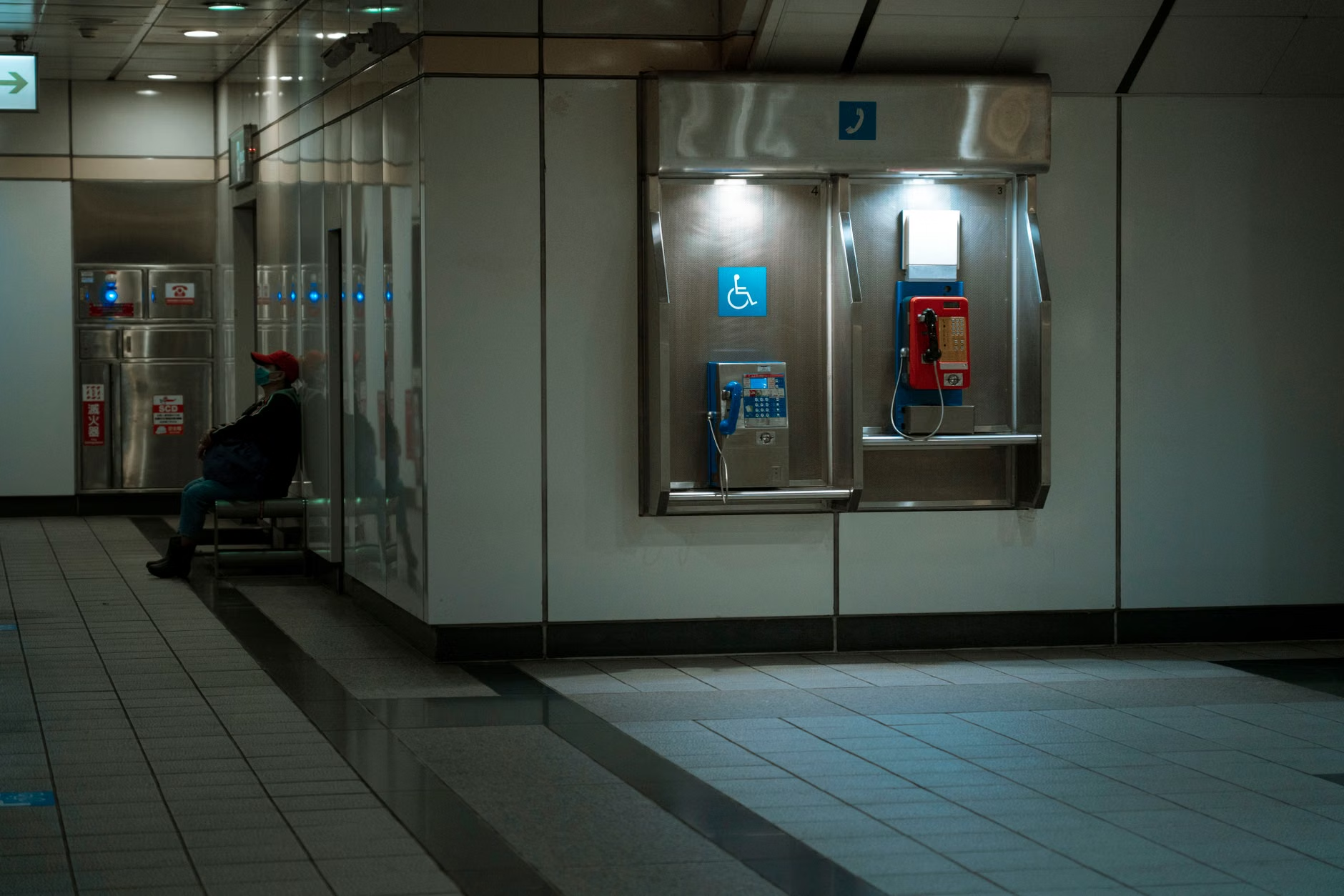
Preventive Health: The Physical Demands of Modern Transit
The transition to digital transit is not just a technological challenge; it is a physical one. As stations become more automated, the distance between platforms and exits is often designed for “transit efficiency” rather than “pedestrian comfort.”
Managing Stamina and Comfort
Footwear: With the reduction of staffed assistance, you may find yourself walking longer distances to find elevators or accessible routes. Ensure you wear supportive, broken-in footwear. Avoid new shoes for travel days.
Hydration and Nutrition: Digital kiosks do not provide water or snacks. Carry a collapsible water bottle. If you have specific health needs, such as a requirement for regular small meals, do not rely on finding a cafe inside a transit hub, as these are often crowded and lack seating.
Medication Management: Keep your essential medications in your carry-on, not checked luggage. If your travel is interrupted by a digital transit failure, ensure you have enough medication to cover an extra 24 hours of unexpected delays.
Advanced Tips for the Tech-Savvy Traveler
If you are comfortable with technology, you can turn these 2026 shifts to your advantage. By using mobile wallets (like Apple Pay or Google Wallet), you can track your spending in real-time. This provides an excellent record of your travel for budgeting purposes and serves as a safety document in case of lost luggage or transit disputes.
The “Hidden” Benefit: Digital transit systems often provide real-time updates on elevator outages. Before you leave your hotel, check the transit authority’s app. If an elevator is out of service at your destination station, you can plan an alternative route or a different station stop immediately, saving yourself from a stressful situation upon arrival.
Checklist for your 2026 Transit Trip
- [ ] Device Check: Is your phone or contactless card compatible with the local transit system? (Check for “NFC” or “Contactless” symbols).
- [ ] Power Security: Do you have a portable battery pack?
- [ ] Document Backup: Do you have a physical copy of your passport?
- [ ] Financial Backup: Does your bank know you are traveling to avoid card blocking?
- [ ] Accessibility Check: Have you mapped out the elevator locations for your key transit hubs?
Conclusion: Empowerment Through Preparation
The shift to 2026 transit ticketing represents a move toward a more integrated, faster, and more efficient travel experience. While the reliance on digital interfaces may feel daunting, it is essentially a tool to provide you with more autonomy. By preparing your digital identity, understanding the local rules of your destination, and maintaining a physical safety net, you can navigate these changes with confidence.
Remember that the goal of these systems is to keep people moving. If you encounter a problem, there is almost always a way to resolve it through an intercom or help point. Your age is not a barrier to using these systems; it is merely a factor in how you plan your journey. Focus on the preparation, keep your backups ready, and enjoy the ease that comes with having the world’s transit systems at your fingertips.
Frequently Asked Questions (FAQ)
Q1: Will I be forced to use a smartphone for public transport in 2026?
A1: While many systems are moving to mobile apps, most major cities will continue to support “contactless” bank cards (debit or credit cards with a tap symbol). You do not necessarily need a smartphone if you have a contactless card, but you should check the specific requirements of the city you are visiting.
Q2: How do I prove my senior status if I don’t have a local transit card?
A2: In many jurisdictions, you will need to register your age through the transit authority’s official portal before you travel. If you are a visitor and the system doesn’t allow online registration, you may need to visit a staffed station kiosk upon arrival to have your physical passport verified for a senior pass.
Q3: What if I lose my phone or my card stops working while I am traveling?
A3: Always carry a backup payment method, such as a secondary credit card or a small amount of local currency. If your digital pass fails, use the station’s intercom system to speak with an operator; they can often provide a temporary paper pass or assist you in troubleshooting the gate access.
For further information on global transit accessibility standards, you may refer to the International Association of Public Transport (UITP), which provides ongoing updates on mobility trends and accessibility policies.