- Improved Gait: Flexible hamstrings allow for a fuller stride, which reduces energy expenditure and improves balance during walking.
- Safety First: Seated stretches are the safest entry point for seniors, as they eliminate the risk of falling associated with standing or floor-based stretches.
- Consistency Over Intensity: Gentle, daily tension is significantly more effective and safer than infrequent, aggressive stretching sessions.
Maintaining a natural, confident gait is one of the most significant factors in preserving independence as you age. The hamstrings—the muscles running along the back of your thigh—play a pivotal role in every step you take. When these muscles become tight or shortened, they restrict the range of motion in your knees and hips, often leading to a shorter, shuffling gait that can increase the risk of trips and falls. By incorporating seated hamstring stretches into your daily routine, you can effectively lengthen these muscles without the instability risks associated with standing exercises.
The Mechanics of Gait and Why Hamstring Flexibility Matters
Gait efficiency refers to how effectively your body moves from point A to point B with minimal energy usage and maximum stability. As we age, physiological changes—such as reduced collagen elasticity and natural muscle atrophy—can cause the hamstrings to tighten. This tightness acts like a physical tether, preventing your knee from fully straightening during the “swing phase” of your walking cycle.
When your hamstrings are restricted, your body compensates. You might notice yourself taking shorter steps, keeping your knees slightly bent even when standing, or leaning your torso forward to maintain balance. This compensation requires more muscular effort from your quadriceps and lower back, leading to fatigue and an increased likelihood of joint pain. By addressing hamstring tightness, you allow your leg to swing freely, which restores a smoother, more rhythmic walking pattern.
The Relationship Between Muscle Length and Stride
Think of your hamstring as a rubber band. If that band is constantly kept at half-length, it loses its ability to snap back or extend fully. In walking, the hamstring must lengthen to allow the foot to reach forward. If it cannot, your stride length decreases. Research indicates that shorter stride lengths are closely linked to a reduced walking speed, which is a primary indicator of overall physical health in older adults. Increasing your range of motion through controlled, seated stretches is a direct intervention to counteract this shortening.
Safety Protocols: Before You Begin
Before beginning any new stretching program, it is essential to understand your physical limits. If you have a history of sciatica, disc herniation, or recent hip surgery, consult with a physical therapist before starting these movements. The goal of these stretches is to feel a “mild tension,” not pain. If you experience sharp, shooting, or radiating pain, stop immediately.
| Indicator | What to Feel | Action |
|---|---|---|
| Mild Tension | A gentle, pulling sensation in the back of the thigh. | Hold the position and breathe deeply. |
| Sharp Pain | A sudden, stabbing sensation. | Release the stretch immediately and rest. |
| Numbness/Tingling | “Pins and needles” sensation. | Adjust your position; you may be compressing a nerve. |
The table above serves as a decision-making guide. Never push through sharp pain, as this can lead to micro-tears in the muscle tissue, which will ultimately reduce your mobility rather than improve it.
Step-by-Step Guide to the Seated Hamstring Stretch
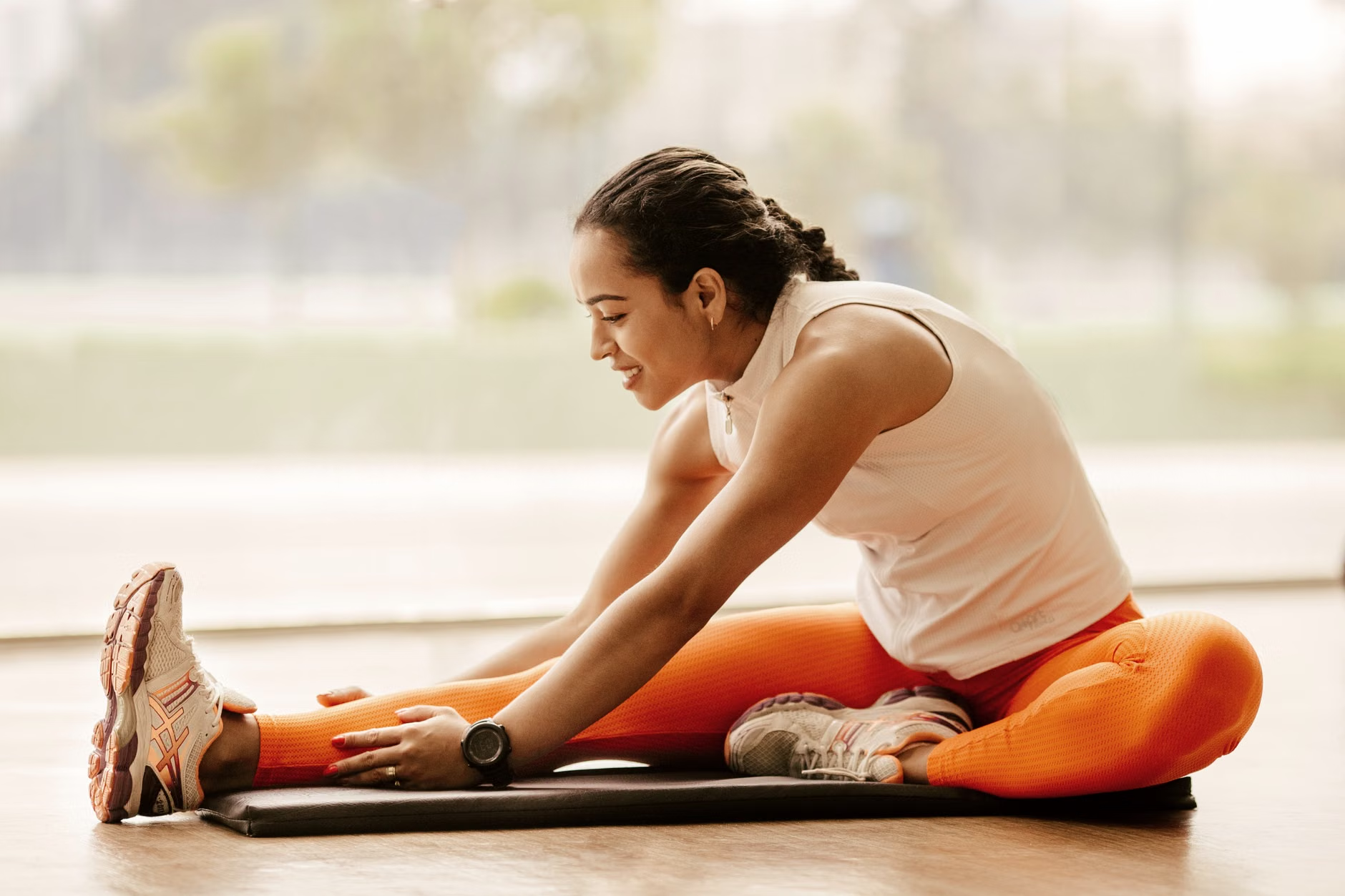
To perform this stretch safely, you will need a sturdy, armless chair. Avoid using chairs with wheels or swivel bases, as these can slip or tip unexpectedly.
- Positioning: Sit toward the front edge of your chair. Keep your feet flat on the floor, hip-width apart.
- Extension: Extend your right leg straight out in front of you. Keep your heel resting on the floor and your toes pointed toward the ceiling.
- Spinal Alignment: This is the most crucial step. Place your hands on your bent left thigh for support. Sit tall, imagining a string pulling the top of your head toward the ceiling. Keep your back straight; do not round your shoulders.
- The Lean: While maintaining a perfectly flat back, hinge forward from your hips—not your waist. Imagine you are trying to bring your chest toward your toes, rather than your nose to your knees.
- Hold: Stop as soon as you feel a comfortable, gentle pull in the back of your right thigh. Hold this position for 20 to 30 seconds.
- Repeat: Slowly return to the starting position and switch to the left leg.
Common Mistakes to Avoid
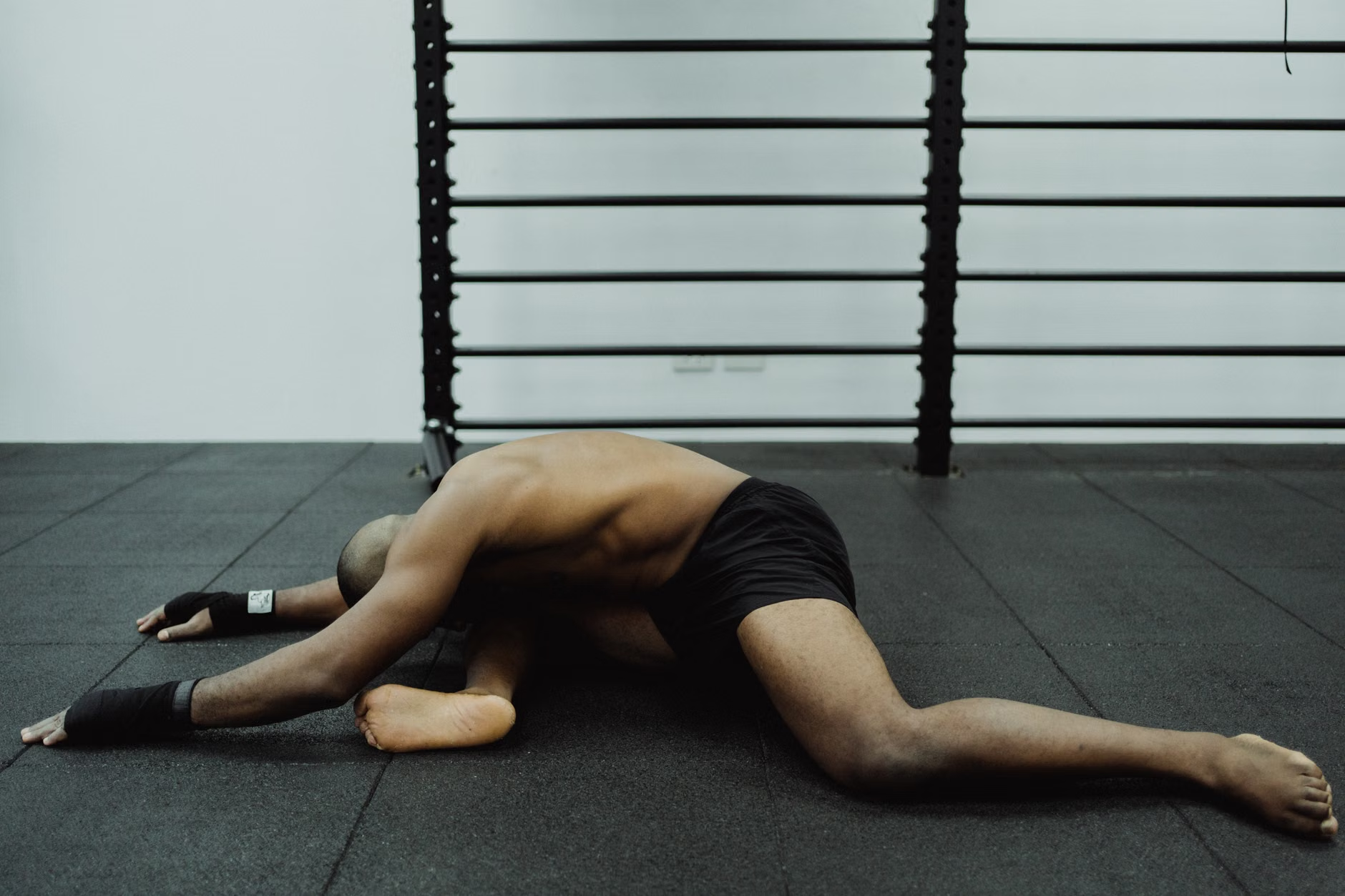
Many people believe that touching their toes is the goal. This is a common misconception that often leads to injury. When you round your back to reach for your toes, you put significant pressure on your lumbar spine (lower back) without actually isolating the hamstring muscle. Focus on the “hip hinge” movement. If you feel the stretch in your back instead of your thigh, you have likely leaned too far or rounded your spine. Correct this by backing off the stretch and focusing on keeping your chest elevated.
Another frequent mistake is hyperextending the knee. Keep a “micro-bend” in the knee of your extended leg. This protects the joint capsule and ensures the tension remains in the muscle belly rather than the ligaments behind the knee.
Integrating Stretching into Your Daily Life
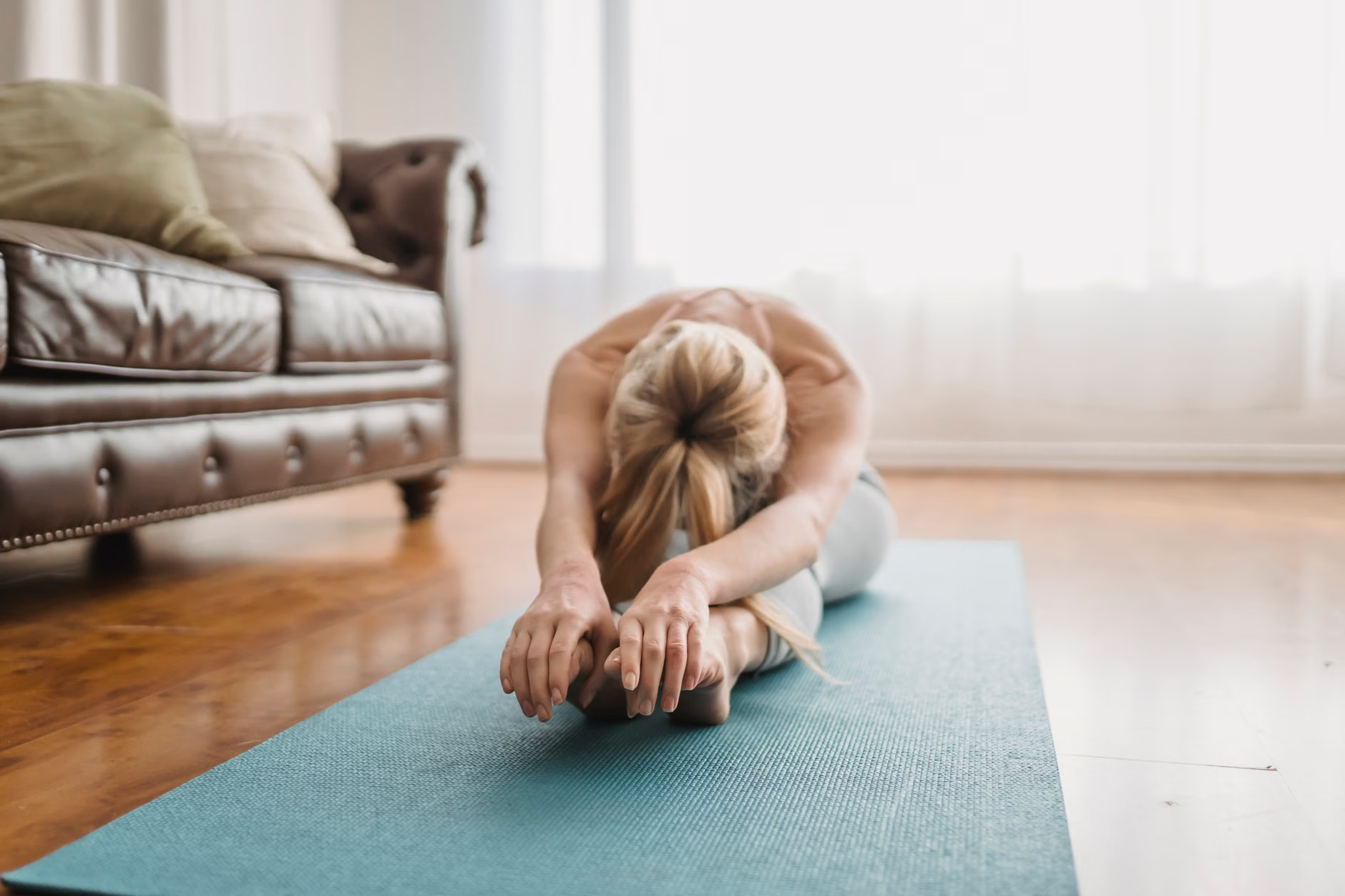
Stretching is most effective when it is a habit rather than an occasional chore. Because seated stretches are low-impact, they can be performed almost anywhere. Consider the following times for your routine:
- Morning Routine: Muscles are often stiffest after sleep. A gentle 5-minute stretch upon waking can help “lubricate” the joints for the day ahead.
- Afternoon Breaks: If you spend significant time sitting, take a break every hour to perform a quick stretch. This prevents the hamstrings from remaining in a shortened, contracted state for too long.
- Pre-Walk Preparation: Perform a light stretch before your daily walk to ensure your legs are ready for a full range of motion.
The “Rule of Consistency” applies here: doing a 2-minute stretch every day is far more beneficial for your gait than doing a 20-minute session once a week. The goal is to signal to your nervous system that it is safe for the muscles to remain in a lengthened state.
Overlooked Variables in Senior Mobility
Beyond simple muscle tightness, other factors influence how effectively your stretches work. Hydration, for instance, is often overlooked. Muscle tissue is highly dependent on water content to maintain elasticity. Dehydration can lead to increased muscle stiffness and cramping. Ensure you are drinking adequate water throughout the day, as this directly affects the suppleness of your soft tissues.
Additionally, footwear plays a significant role in how your hamstrings function during a walk. Shoes with a significant heel-to-toe drop (where the heel is much higher than the forefoot) can subtly alter your posture, keeping the hamstrings in a slightly shortened position even when you are walking. Opt for shoes with a relatively flat, supportive sole when exercising or walking to allow for a more natural leg movement.
When to Seek Professional Guidance
While self-managed stretching is excellent for general maintenance, there are specific scenarios where you should seek the advice of a physical therapist or a doctor:
- Persistent Asymmetry: If you notice one leg is significantly tighter than the other, this could indicate a structural imbalance or an underlying injury that requires a professional assessment.
- Balance Issues: If you feel unsteady even while sitting, or if your balance is worsening, do not rely on home stretches alone. A physical therapist can conduct a gait analysis to identify the root cause.
- Chronic Back Pain: If your hamstring tightness is accompanied by chronic lower back pain, the two may be linked. A professional can help you distinguish between muscle tightness and nerve-related issues.
When you do see a professional, come prepared. Maintain a simple log of your stretching routine for one week. Note which days you stretched, how your legs felt before and after, and any specific areas of discomfort. This information provides your healthcare provider with a clear picture of your current capabilities and limitations.
Conclusion: A Path to Sustained Mobility
Your hamstrings are the engine of your stride. By dedicating a few minutes each day to safe, seated stretches, you are investing in your long-term ability to move freely and safely. Focus on the quality of the movement—straight back, hip hinge, and gentle tension—rather than the intensity of the stretch. As you build consistency, you will likely notice not just improved gait, but a greater sense of confidence in your daily movements. Mobility is a practice, not a destination, and every small, deliberate action you take today contributes to your independence tomorrow.
Frequently Asked Questions (FAQ)
- Can I stretch my hamstrings if I have had a hip replacement?
It is vital that you consult your surgeon or physical therapist. There are often specific “hip precautions” (such as avoiding deep forward leans) that must be followed during the recovery phase. Never attempt these stretches without explicit medical clearance after surgery. - How long does it take to see improvements in my walking gait?
Consistency is key. Many individuals report feeling less stiffness within 7 to 10 days of daily, gentle stretching. However, noticeable changes in gait efficiency typically occur over 4 to 6 weeks of regular practice. - Is it better to stretch before or after my daily walk?
Light, dynamic movement (like walking at a slow pace) is the best “warm-up.” Perform these seated stretches after your walk when your muscles are warm and more pliable. This maximizes the benefit and reduces the risk of over-stretching cold muscles.
Official guidance on physical activity for older adults can be found through the World Health Organization (WHO) Guidelines on Physical Activity and Sedentary Behaviour, which emphasizes the importance of flexibility and balance exercises for maintaining functional independence.