- Digital philately clubs provide essential social interaction and cognitive engagement by combining historical research with modern digital tools.
- Transitioning to digital platforms removes physical barriers like eyesight strain or mobility issues associated with handling fragile paper stamps.
- Joining a global digital community allows for the safe exchange of expertise and high-resolution images, fostering cross-cultural connections without the risks of physical mailing.
Philately, the study and collection of postage stamps, has long been a pursuit defined by tangible paper, magnifying glasses, and archival albums. However, the rise of digital philately clubs is transforming this classic hobby into a vibrant, global social platform. For adults aged 60 to 80, these digital communities offer more than just a place to track collections; they provide a vital social outlet, a way to maintain cognitive sharpness through research, and a safe environment for international connection.
The Evolution of Philately: From Paper Albums to Digital Galleries
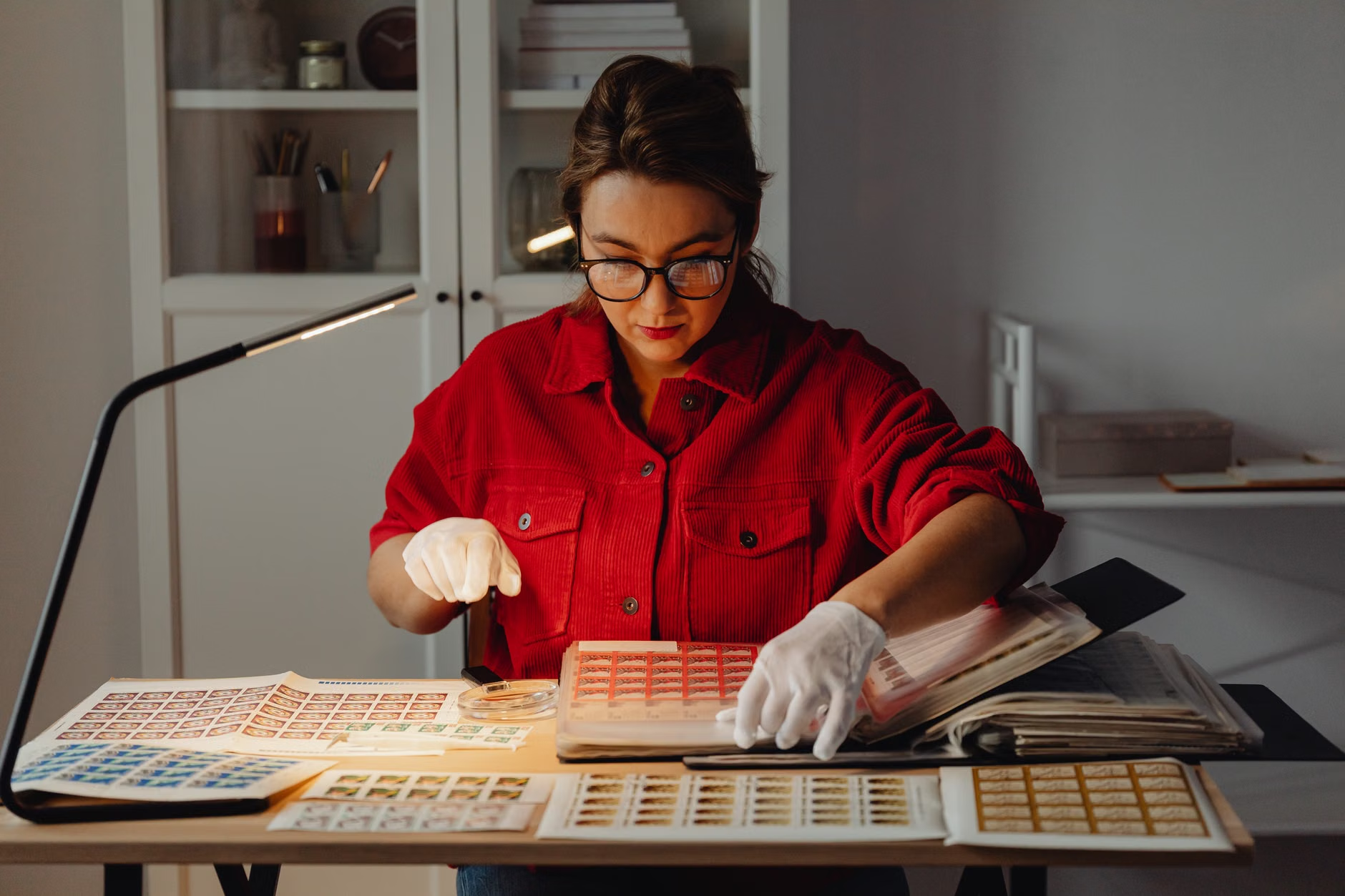
Traditionally, philately was a solitary activity. Collectors would sit at their desks, meticulously cataloging stamps in physical albums. While this provided a sense of order, it also carried inherent limitations: the physical strain on the eyes, the risk of damaging delicate specimens, and the logistical challenges of trading or showing collections to others. Digital philately represents a shift toward accessibility. By digitizing collections, enthusiasts can view high-resolution images, zoom in to inspect perforations or printing errors, and share their findings instantly with members across the globe.
This shift matters because it democratizes the hobby. A collector who may no longer have the dexterity to handle tongs and fragile paper can now manage an expansive collection using a tablet or computer. Furthermore, digital clubs act as a hub for social interaction. They replace the isolation of the study with the vibrancy of a forum, video calls, and collaborative cataloging projects.
Why Digital Communities Foster Better Social Wellbeing
For many older adults, social connection is the primary driver of life satisfaction. Digital philately clubs function as “Third Places”—social environments separate from the home and the workplace. In these clubs, the shared interest in stamps acts as a “social lubricant.” It removes the awkwardness of small talk because every conversation is anchored in a common passion.
In a typical digital philately club, members participate in:
- Virtual Show-and-Tell: Members present a specific stamp or series, explaining its historical context.
- Research Committees: Collaborative efforts to verify the provenance or printing history of obscure issues.
- Mentorship Programs: Experienced collectors guide newer members on how to use software for cataloging or how to identify digital forgeries.
By participating in these activities, members avoid the “social atrophy” that can occur during retirement. They are constantly learning new digital skills, engaging in peer-to-peer teaching, and contributing to a community where their expertise is valued.

Practical Benefits for the Modern Collector
Beyond the social aspects, there are clear, practical advantages to embracing digital philately. For those concerned about the costs of insurance, storage, or the physical degradation of their collections, digital platforms offer a secure alternative.
| Feature | Traditional Philately | Digital Philately Club |
|---|---|---|
| Accessibility | Requires good lighting and fine motor skills | Adjustable zoom, high contrast, and touch-screen support |
| Risk | High risk of damage, loss, or theft | Cloud backups ensure data preservation |
| Connection | Limited to local clubs or postal mail | Instant global reach via video and forums |
| Cost | High cost for albums, lighting, and storage | Low cost; mostly requires a device and internet |
As the table demonstrates, digital clubs are often more suitable for those who prioritize safety and convenience. If you have limited space in your home or struggle with fine motor tasks, the digital route allows you to remain deeply engaged without the physical burden of managing thousands of physical items.
While digital clubs are rewarding, it is important to understand the landscape of online safety. Many clubs operate on platforms like Zoom, specialized forums, or even secure social media groups. For the older adult, this requires a basic understanding of digital hygiene.
Common Mistakes to Avoid:
- Sharing Personal Details: Never share your home address, financial information, or passwords within a club forum. Even in a friendly environment, maintain privacy.
- Ignoring Software Updates: Ensure your device’s security software is up to date to prevent malware when downloading high-resolution images or files from other members.
- Assuming All Digital Advice is Expert: Always verify information through official sources like the American Philatelic Society (APS) or the Royal Philatelic Society London (RPSL). While club members are passionate, they are not always professional appraisers.
To get started, look for clubs that are affiliated with national organizations. These groups often have codes of conduct, moderator oversight, and a structure that protects newer members from scams or misinformation.

Cognitive Stimulation Through Historical Research
Philately is essentially a history lesson. A single stamp can tell the story of a revolution, a scientific breakthrough, or a changing border. When members of a digital club research a stamp, they are engaging in “active cognitive training.” This involves reading historical documents, comparing dates, and synthesizing information.
Unlike passive entertainment, such as watching television, this research requires critical thinking. For the 60-80 age demographic, this type of intellectual challenge is linked to better cognitive maintenance. Furthermore, the act of “curating”—organizing a collection into a digital narrative—requires executive function and planning. You are not just collecting; you are creating a digital museum of your own.
How to Start Your Digital Journey
If you are interested in joining a digital philately club, follow these steps to ensure a positive experience:
- Define Your Niche: Do you collect by country, by theme (e.g., birds, space, history), or by era? Joining a club that matches your specific interest will lead to more meaningful connections.
- Test the Technology: Before committing to a club, practice using the platform they use (e.g., Zoom or Discord). Ask a family member or caregiver to help you set up a test call if you are unsure.
- Observe Before Participating: Many clubs allow “guest” or “observer” status for a few meetings. Use this time to gauge if the club culture aligns with your social needs.
- Set a Routine: Treat your club meetings like a regular appointment. This helps structure your week and ensures you have a consistent social anchor.
The Role of Family and Caregivers
If you are a caregiver or a family member of an older adult, you can play a significant role in helping them connect with these digital communities. Often, the barrier is not a lack of interest, but a lack of confidence in setting up the necessary hardware or software. You can help by:
- Optimizing the Workspace: Ensure the desk or chair is ergonomically sound. A good lighting setup and a comfortable, high-backed chair are essential for long sessions at the computer.
- Facilitating Initial Setup: Help with the initial login, microphone testing, and camera positioning. Once the routine is established, the user will likely feel much more confident.
- Validating the Hobby: Treat their philately club as a serious, intellectual, and social endeavor. Acknowledging the value of their hobby reinforces their self-esteem and sense of purpose.
It is important to remember that digital philately is not a “replacement” for real-world activity, but rather a bridge to it. It provides the social stimulation that keeps the mind sharp and the spirit connected, regardless of geographical distance.
Addressing Potential Challenges: The “Digital Divide”
We must acknowledge that technology can be intimidating. The “digital divide” is a real challenge for many, but it is not insurmountable. Many digital philately clubs now offer “tech-buddy” programs, where more tech-savvy members assist others in navigating the software. If you encounter a problem, do not hesitate to reach out to the club moderator. The community is built on the shared desire to include others, and they are usually very patient with newcomers.
Another challenge is the risk of screen fatigue. To mitigate this, follow the 20-20-20 rule: every 20 minutes, look at something 20 feet away for 20 seconds. This simple habit, when applied to digital hobbies, can significantly reduce eye strain and keep your experience enjoyable for longer periods.
Conclusion: The Future of the Hobby
The social value of community digital philately clubs lies in their ability to adapt a traditional, solitary hobby into a collaborative, modern experience. By leveraging technology, older adults can maintain their passion for history and collecting while enjoying the immense benefits of social inclusion, cognitive engagement, and global friendship.
Whether you are a lifelong collector or someone looking for a new, intellectually stimulating hobby, the digital philatelic community offers a welcoming, safe, and vibrant space. The stamps may be pixels on a screen, but the connections they foster are very real.
Frequently Asked Questions (FAQ)
1. Do I need to be an expert to join a digital philately club?
No. Most clubs welcome collectors of all levels. In fact, many clubs have specific sections or mentorship programs for beginners to help them learn the ropes of both philately and the digital tools used to manage collections.
Sharing images within a private, vetted club is generally safe. However, never post high-resolution images of extremely valuable or rare stamps on public, unmoderated social media platforms, as this can attract unwanted attention. Always use the secure channels provided by your specific club.
3. What equipment do I need to get started?
At a minimum, you need a stable internet connection and a device with a screen, such as a tablet, laptop, or desktop computer. A high-quality scanner or a smartphone with a good camera is also useful if you plan to digitize your own physical collection for the club to see.