- Prioritize Terrain over Aesthetics: Always confirm the surface material (gravel vs. paved) and incline percentages before booking, as historic sites often feature uneven, original stonework.
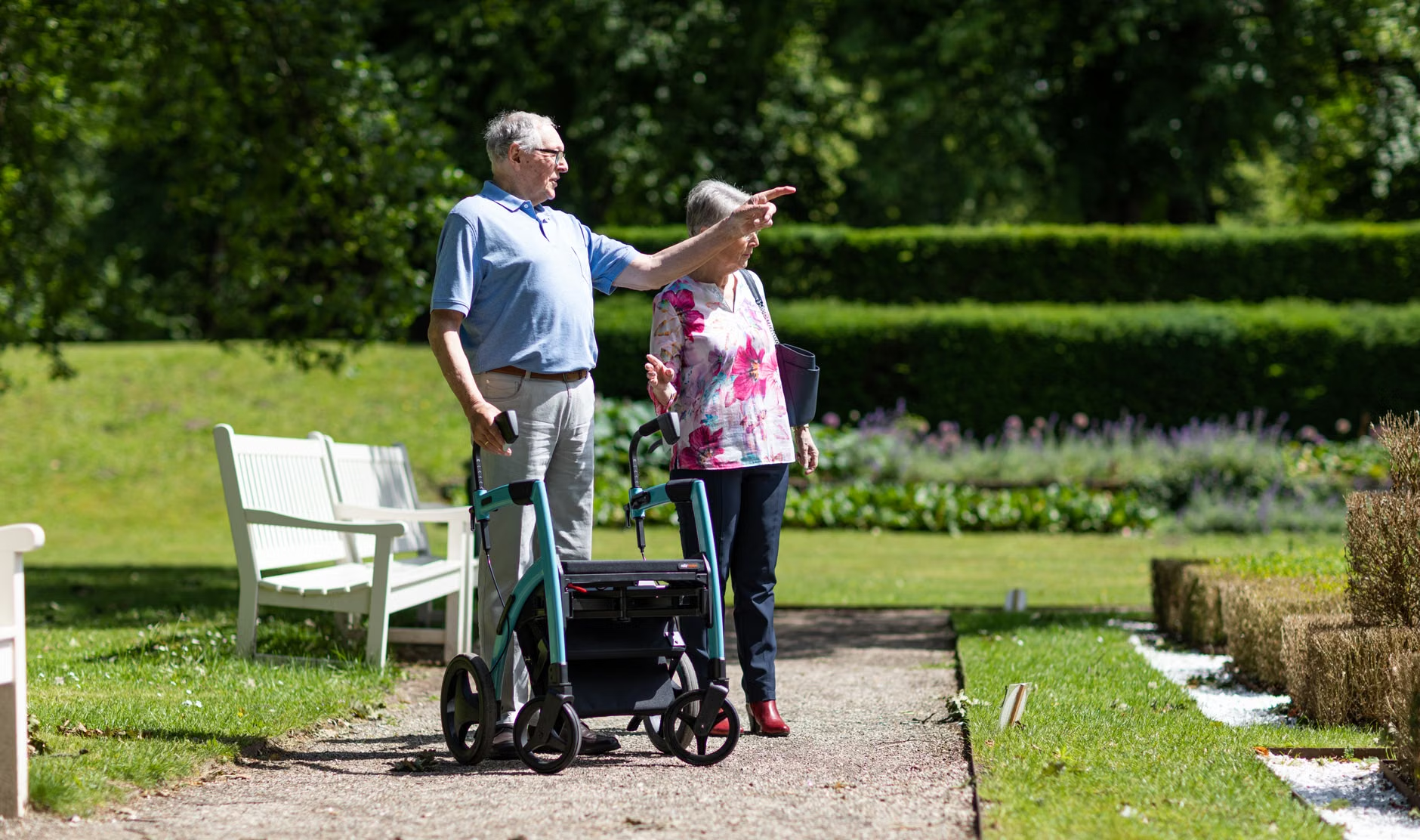
- The “Rest-to-Walk” Ratio: For a comfortable tour, look for itineraries that offer at least one bench or rest station for every 100 meters of walking.
- Verify Logistics Individually: Do not rely on “wheelchair accessible” labels alone; ask specifically about the width of entry gates and the availability of accessible restrooms near the garden entrance.
Historic monastery gardens offer a unique intersection of botanical beauty, architectural heritage, and tranquil reflection. For travelers aged 60 to 80, these sites can provide an enriching experience, but they also present specific mobility and stamina challenges due to their age and design. Selecting the right tour requires a shift in perspective—moving from simply choosing a “beautiful location” to evaluating the site’s infrastructure against your personal mobility profile.
Evaluating Physical Infrastructure: Beyond the “Accessible” Label
Many historic sites describe themselves as “accessible,” but this term is often subjective. In a 12th-century monastery, accessibility might mean a single ramp at the entrance, while the interior courtyards remain inaccessible due to cobblestones or steep steps. To avoid disappointment, you must look beyond general marketing claims.
Understanding Surface Materials and Their Impact
The primary concern for any traveler with mobility aids—or even those who simply prefer a steady gait—is the ground surface. Historic gardens often utilize materials that are aesthetically pleasing but physically taxing:
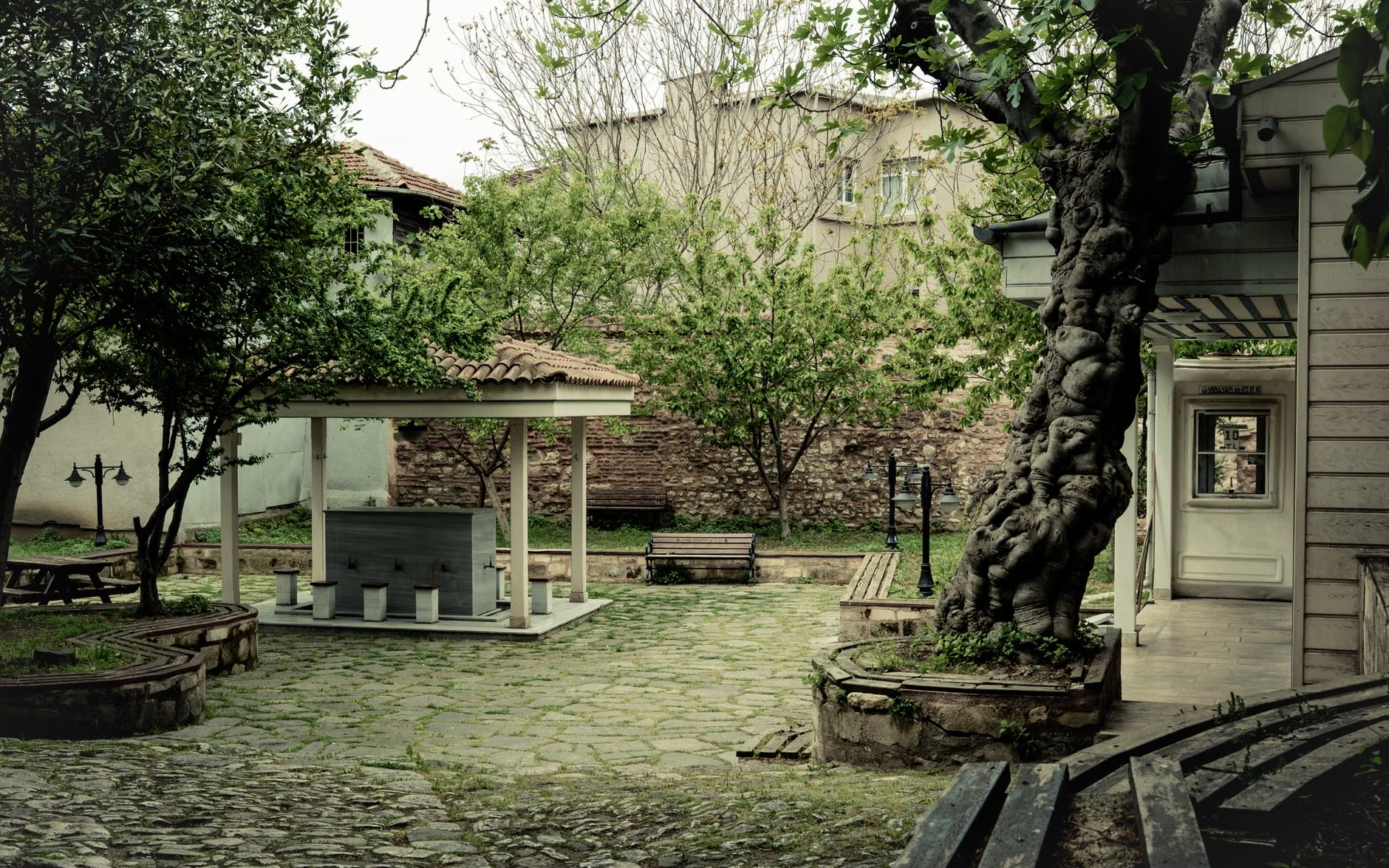
- Cobblestones: These are notorious for being uneven and slippery when damp. If a tour mentions “original medieval paths,” expect significant vibration and potential tripping hazards.
- Loose Gravel: While common in formal French or Italian gardens, deep or loose gravel requires significantly more energy to navigate and can be unstable for those using canes or walkers.
- Compacted Earth/Grass: These surfaces are generally comfortable but become hazardous after rainfall. Always inquire about the site’s “all-weather” accessibility.
Practical Decision Rule: Before booking, request a map or a video tour of the pathways. If the tour provider cannot provide a clear description of the path material, prioritize sites that have undergone recent renovations, as these are more likely to have installed “accessible-compliant” paths made of resin-bound gravel or smooth stone pavers.
The Importance of Pacing and Rest Intervals
Stamina management is the cornerstone of a successful trip. Monastery gardens are often expansive, and the “garden” itself may be separated from the main monastery building by a significant walk. A common mistake is assuming that because a garden is a “leisure” activity, it will be low-impact.
The 30-Minute Threshold
Research into senior travel pacing suggests that for moderate-intensity walking, a 30-minute block is the “sweet spot” before a rest interval is required. When reviewing tour itineraries, look for the following indicators of a senior-friendly structure:
| Tour Feature | Why it Matters | What to Look For |
|---|---|---|
| Structured Rest Stops | Prevents physical fatigue and allows for deeper engagement with the scenery. | Itineraries that explicitly list “seating/rest stops” every 15–20 minutes. |
| Private Transport Access | Minimizes “approach fatigue” from parking lots to the garden gate. | Availability of shuttle services or drop-off points near the entrance. |
| Guided Pacing | Ensures the guide does not rush the slowest member of the group. | “Small group” tours (max 8-10 people) which usually move at a more respectful pace. |
If you are traveling with a caregiver or family member, discuss the “exit strategy.” If you find yourself over-exerted, is there an easy way to leave the garden, or are you locked into a guided loop? Always ensure the tour operator provides a contact number for a staff member who can assist with early exit if needed.
Logistics: Sanitation and Essential Facilities
One of the most frequently overlooked variables in travel planning is the proximity and quality of facilities. In historic monasteries, the original architecture often limits where modern plumbing can be installed. Consequently, restrooms are frequently located only at the main entrance or the visitor center, far from the deep reaches of the garden.
The “Facility-First” Approach
When selecting a monastery garden to visit, utilize the following checklist to ensure your comfort:
- Map the Restrooms: Check the official website or call the site administrator. Ask: “How far is the nearest accessible restroom from the furthest point in the garden?”
- Facility Type: Confirm if the restrooms are “step-free.” Some historic sites have a single step at the entrance to the restroom block, which can be a significant barrier.
- Hydration vs. Access: While it is vital to stay hydrated, plan your water intake around the known locations of these facilities.
Planning Your Visit: A Step-by-Step Framework
To move from planning to execution, follow this structured approach to ensure your chosen tour aligns with your physical needs and personal goals for the trip.
Step 1: The Initial Screening
Start by checking the official tourism board website for the region you are visiting. Look for “Accessible Tourism” or “Inclusive Travel” certifications. Countries like Spain, France, and the UK often have specific national standards (such as the Tourisme & Handicap label in France) that verify accessibility levels for historic sites. These labels are more reliable than private reviews, which can be inconsistent.
Step 2: The Direct Inquiry
Do not be afraid to email the monastery or the tour operator directly. Use a template like this to get the precise information you need:
“I am interested in booking a tour of [Garden Name]. I have some concerns regarding mobility. Could you confirm: 1) Is the entire garden path paved or level? 2) How many steps, if any, are included on the route? 3) Are there benches available at regular intervals? Thank you for your assistance.”
Step 3: Evaluating the Guide’s Role
The quality of your experience often depends on the guide. A skilled guide will understand the needs of an older demographic. When booking, ask if the guide is trained in “slow-paced” touring. A guide who stops frequently to talk about the history of the plants or the monastery is often a sign of a more relaxed, senior-friendly pace compared to a guide who is focused on moving the group through the site as quickly as possible.
Managing Hidden Inconveniences
Even with the best planning, historic sites are prone to “hidden” issues. Being prepared for these can change a stressful situation into a manageable one.
The Variable of Weather
A garden that is perfectly accessible on a sunny day can become a nightmare during or after rain. Muddy paths, slippery stone stairs, and the lack of indoor shelter in many monastery gardens are real risks. If the forecast suggests rain, have a “Plan B” ready, such as a nearby museum or a café with a view of the garden, rather than attempting to navigate the site in poor conditions.
The “Distance from Parking” Factor
In many rural monasteries, the parking area is a significant distance from the entrance. If you have limited stamina, this “approach walk” can consume 30% of your available energy before the tour even begins. Always check if there is a “drop-off” zone for passengers, allowing you to be left at the gate while your companion parks the car.
The Psychological Benefit of Garden Tours
Beyond the physical activity, there is significant value in the “biophilic” experience of these gardens. Research suggests that spending time in well-maintained green spaces, particularly those with a historical context, can lower cortisol levels and improve cognitive clarity. For the 60–80 age group, this is not just “sightseeing”; it is a form of active leisure that supports mental wellbeing.
To maximize this, do not feel pressured to “see it all.” If you find a particular courtyard or a bench overlooking a fountain that brings you peace, stay there. The goal of the tour is your enjoyment, not the completion of a checklist. Giving yourself permission to skip parts of the tour that look too strenuous is a mark of a savvy, experienced traveler.
Conclusion: Prioritizing Your Comfort
Selecting an accessible monastery garden tour is about balancing your desire to experience history with a realistic assessment of your physical needs. By focusing on surface materials, pacing, facility proximity, and direct communication with organizers, you can ensure that your visit is a source of joy rather than stress. Remember that your comfort is the most important element of the trip; selecting a shorter, more accessible tour is always better than choosing a strenuous one that leaves you exhausted. Take your time, plan for rest, and enjoy the tranquility that these historic spaces offer.
Frequently Asked Questions
Q1: Are all “historic” monastery gardens inherently inaccessible?
Not necessarily. While many date back centuries, many have undergone significant modernization of their pathways to accommodate a wider range of visitors. The key is to look for sites that have invested in “inclusive access” programs, which are often highlighted on their official websites.
Q2: Should I bring my own folding stool for extra rest?
If you are unsure about the availability of seating, bringing a lightweight, portable folding stool is an excellent idea. It provides you with the autonomy to rest whenever and wherever you choose, rather than relying on the tour provider’s seating schedule. Just ensure it is compact enough to carry easily.
Q3: How do I know if the tour guide is right for my pace?
Look for tour descriptions that emphasize “leisurely pace,” “private group,” or “small group.” Avoid tours advertised as “express,” “comprehensive,” or “walking-intensive.” If you are booking through a platform, read reviews specifically written by other older travelers to see if they mention the guide’s patience and pace.

Disclaimer: This article is for informational purposes and does not constitute professional travel advice. Always consult with your healthcare provider regarding your physical activity levels before planning strenuous travel.