- Intergenerational co-working spaces are evolving in 2026 to offer more than just desks; they are becoming hubs for skill exchange, mentorship, and social inclusion.
- When choosing a space, prioritize accessibility features such as ergonomic furniture, high-speed connectivity, and proximity to transit, rather than just aesthetics.
- These environments allow older adults to leverage their lifelong expertise while staying mentally stimulated and socially connected to younger generations.
In 2026, the concept of the “office” has undergone a radical transformation. As the global workforce becomes increasingly age-diverse, a new trend has emerged: intergenerational co-working spaces. These facilities are designed to bring together retirees, consultants, freelancers, and younger professionals in a shared environment that prioritizes accessibility, knowledge sharing, and mutual growth.
Understanding the 2026 Intergenerational Workspace Model
An intergenerational co-working space is a professionally managed environment where individuals of all ages work side-by-side. Unlike traditional offices or senior centers, these hubs are specifically engineered to accommodate different physical needs and work styles. By 2026, the primary value proposition of these spaces has shifted from simple “desk rental” to “community integration.”
What sets these spaces apart is the intentional design of their programs. They are not merely physical locations; they are platforms for interaction. For an adult aged 60 to 80, this means access to high-speed digital infrastructure, modern meeting rooms, and a network of professionals who may be looking for the exact expertise you have spent decades cultivating.
Why This Trend Matters for Adults 60+
The primary reason this model is gaining traction is the “longevity economy.” As more individuals remain active and professionally engaged well into their 70s and 80s, the need for flexible, stimulating, and accessible work environments has grown. These spaces provide:
- Mental Stimulation: Engagement with younger professionals keeps one updated on industry shifts and digital tools.
- Social Capital: Combating isolation by providing a daily reason to engage with a diverse community.
- Skill Transfer: Opportunities to mentor younger staff in exchange for help with new technologies or platforms.

Selecting the Right Facility: A Decision Framework
Not all co-working spaces are created equal. When evaluating a potential space, you must look beyond the glossy marketing brochures. Use the following criteria to determine if a space truly meets the needs of an experienced professional.
| Feature | What to Look For | Why It Matters |
|---|---|---|
| Accessibility | Automatic doors, wide hallways, and elevators. | Ensures freedom of movement without fatigue or risk. |
| Ergonomics | Adjustable chairs, standing desks, and task lighting. | Prevents chronic pain and supports long-term comfort. |
| Digital Support | On-site IT assistance or user-friendly interfaces. | Reduces technical frustration and keeps you productive. |
| Social Culture | Scheduled “coffee hours” or mentor-mentee programs. | Ensures the space is welcoming rather than insular. |
If you are choosing between a high-tech “startup” hub and a “community-focused” space, prioritize the latter if you are looking for long-term relationships. High-tech hubs often move at a pace that may feel stressful, whereas community-focused spaces offer a balance of productivity and social interaction that is often more sustainable for those transitioning into post-retirement careers.
Practical Steps to Getting Started
Entering a new working environment requires preparation. Follow this checklist to ensure your transition is smooth and effective.
- Perform a Site Visit: Never commit to a membership without visiting during peak hours. Observe the noise levels, the lighting, and how staff interact with members.
- Check Transit Accessibility: Look for spaces that are within a 5-minute walk of major bus or train routes. If you drive, verify that parking is safe and well-lit.
- Negotiate a Trial Period: Many modern spaces offer a “day pass” or a “three-day trial.” Use this to test the chair, the Wi-Fi speed, and the overall social vibe.
- Define Your Goals: Are you there to work on a specific project, or to build a social network? Knowing your “why” will help you choose the right membership tier.
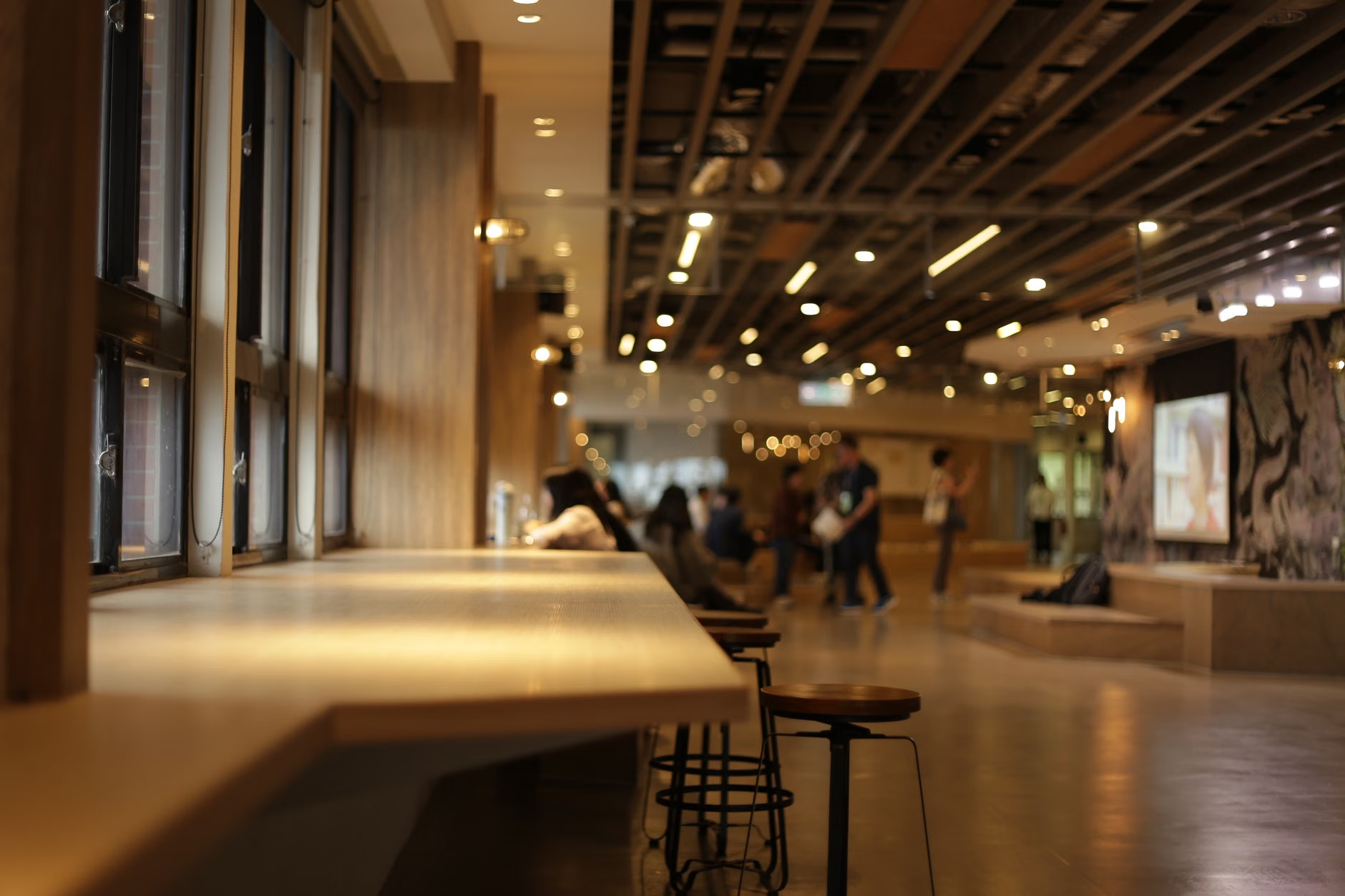
A common misconception is that older adults will feel out of place in a co-working environment. In reality, the 2026 landscape is highly diverse. Many younger professionals are actively seeking the wisdom and mentorship that older colleagues provide. The key to success is reciprocity.
When you arrive, do not wait to be approached. Introduce yourself as a professional with specific interests. For instance, offering to share your experience in a particular industry during a “lunch and learn” session is a highly effective way to establish your presence and value within the community.
Avoiding Common Pitfalls
One of the biggest mistakes is over-committing. If you are used to a high-pressure career, it is easy to fall into the habit of working 10-hour days in a co-working space. Set strict boundaries. Use the facility for 3-4 hour blocks. This maximizes your focus while leaving plenty of energy for your personal life, health, and family obligations.
The Role of Technology and Digital Literacy
In 2026, most co-working spaces utilize app-based systems for booking desks, entering the building, and ordering supplies. If you find these systems intimidating, do not be afraid to ask the community manager for a walkthrough. Most managers prioritize the success of their members and are more than happy to provide a 15-minute tutorial on how to use their internal systems.
Furthermore, ensure your devices are compatible with the space’s network. If you struggle with connectivity, bring a simple “tech check” list: your laptop’s power adapter, a reliable pair of noise-canceling headphones, and a list of your login credentials for essential software. Keep these in a dedicated bag so you are always ready to go.

Staying healthy while working in a shared environment requires attention to your immediate surroundings. Shared spaces are, by definition, communal. This means higher exposure to seasonal illnesses. Practice standard hygiene: sanitize your workstation upon arrival, wash your hands frequently, and keep your space clutter-free.
Furthermore, prioritize your physical health by scheduling “movement breaks.” If your facility has a quiet area or a lounge, make it a point to stand up and stretch every 45 minutes. If you have specific physical limitations, such as back pain or joint stiffness, discuss these with the facility manager during your trial period. Many spaces are willing to upgrade your chair or provide a footrest if you ask in advance.
Global Perspectives: What to Expect in Different Regions
While the “intergenerational” concept is global, the implementation varies by region. In Europe, many co-working spaces are integrated into municipal buildings, often receiving subsidies that keep costs low for seniors. In North America, these spaces are often private-sector driven, focusing on premium amenities and networking events. In Asia, they are frequently integrated into high-density residential complexes, emphasizing extreme convenience and 24/7 access.
Always check if your local government offers “active aging” grants or tax incentives for seniors participating in community-based work programs. In some jurisdictions, membership fees for community-focused co-working spaces may be partially tax-deductible if they are part of a recognized professional development plan.
Long-term Sustainability of Your Membership
To ensure your co-working experience remains a positive one, perform a quarterly review. Ask yourself: Does this space still provide the value I expected? If the community has changed, or if your own needs have shifted, do not feel obligated to maintain your membership. The beauty of the 2026 model is its flexibility.
Consider the costs carefully. While a premium membership might offer free coffee and networking events, a basic membership might be more appropriate if your primary goal is simply to have a quiet place to read or write. Calculate the “cost per hour” of your usage to determine if you are getting your money’s worth.
Conclusion: Your Next Steps
The rise of intergenerational co-working is a testament to the fact that professional life does not have an expiration date. By choosing a space that values accessibility, fostering genuine connections, and maintaining a healthy balance between work and life, you can turn these hubs into a cornerstone of your daily routine.
Start by researching three potential spaces in your local area today. Look for reviews that specifically mention accessibility and community atmosphere. Once you have identified them, reach out to schedule a tour. Your next great professional or social chapter may be just a desk away.
Frequently Asked Questions (FAQ)
1. Are these co-working spaces suitable for someone who is not tech-savvy?
Yes. Many modern spaces are designed with “community managers” whose primary job is to assist members with both physical and technical needs. When touring a space, explicitly ask if they provide support for new members regarding their booking apps and Wi-Fi systems.
2. How much should I expect to pay for a membership?
Costs vary widely depending on the location and amenities. You can expect to pay anywhere from a low monthly fee for “hot-desking” (using any available seat) to a higher premium for a dedicated office. Always check for “senior discounts” or “community member” rates, which are becoming more common in 2026.
3. What if I find the environment too noisy or distracting?
Most professional co-working spaces offer “quiet zones” or library-style areas where talking is prohibited. During your site visit, verify that the space has such a zone. Additionally, investing in high-quality noise-canceling headphones is a standard practice for members in any shared workspace.
For further information on community-based aging initiatives, please consult your local government’s Department of Aging or equivalent social services portal for up-to-date resources and local facility listings.