- Prioritize Acclimatization: Ascend gradually and plan for a minimum of 48 hours of low-intensity activity upon arrival to allow your cardiovascular system to adjust to lower oxygen levels.
- Strategic Packing: Use a layering system for clothing to manage fluctuating mountain temperatures and prioritize high-traction, supportive footwear to navigate uneven terrain safely.
- Health Proactivity: Consult your physician regarding altitude sensitivity, carry a comprehensive list of your current medications, and monitor your blood oxygen levels with a portable oximeter.
Visiting high-altitude mountain villages offers breathtaking vistas and unique cultural experiences, but it requires careful planning to ensure safety and enjoyment. For travelers aged 60 to 80, the primary challenge is not just the terrain, but the physiological response to thinner air and shifting weather patterns. This guide provides a comprehensive framework for packing, preparing, and navigating high-altitude destinations with confidence.
Understanding the Physiological Impact of Altitude
At altitudes above 2,000 meters (approx. 6,500 feet), the partial pressure of oxygen decreases. While many healthy seniors can tolerate this, the body requires time to adapt. Symptoms such as mild headaches, fatigue, or breathlessness are common during the first 24 to 48 hours. It is vital to distinguish these common adjustment symptoms from serious altitude sickness.
The 48-Hour Acclimatization Rule
Rather than rushing to reach the highest point on your first day, prioritize a “soft landing.” If your mountain village is at a high elevation, consider staying one night at an intermediate elevation if possible. If you must travel directly to a high-altitude location, plan your first two days to involve only light walking on flat surfaces. This allows your respiratory rate and heart rate to stabilize before you attempt steeper inclines or long-distance sightseeing.
Monitoring Your Health
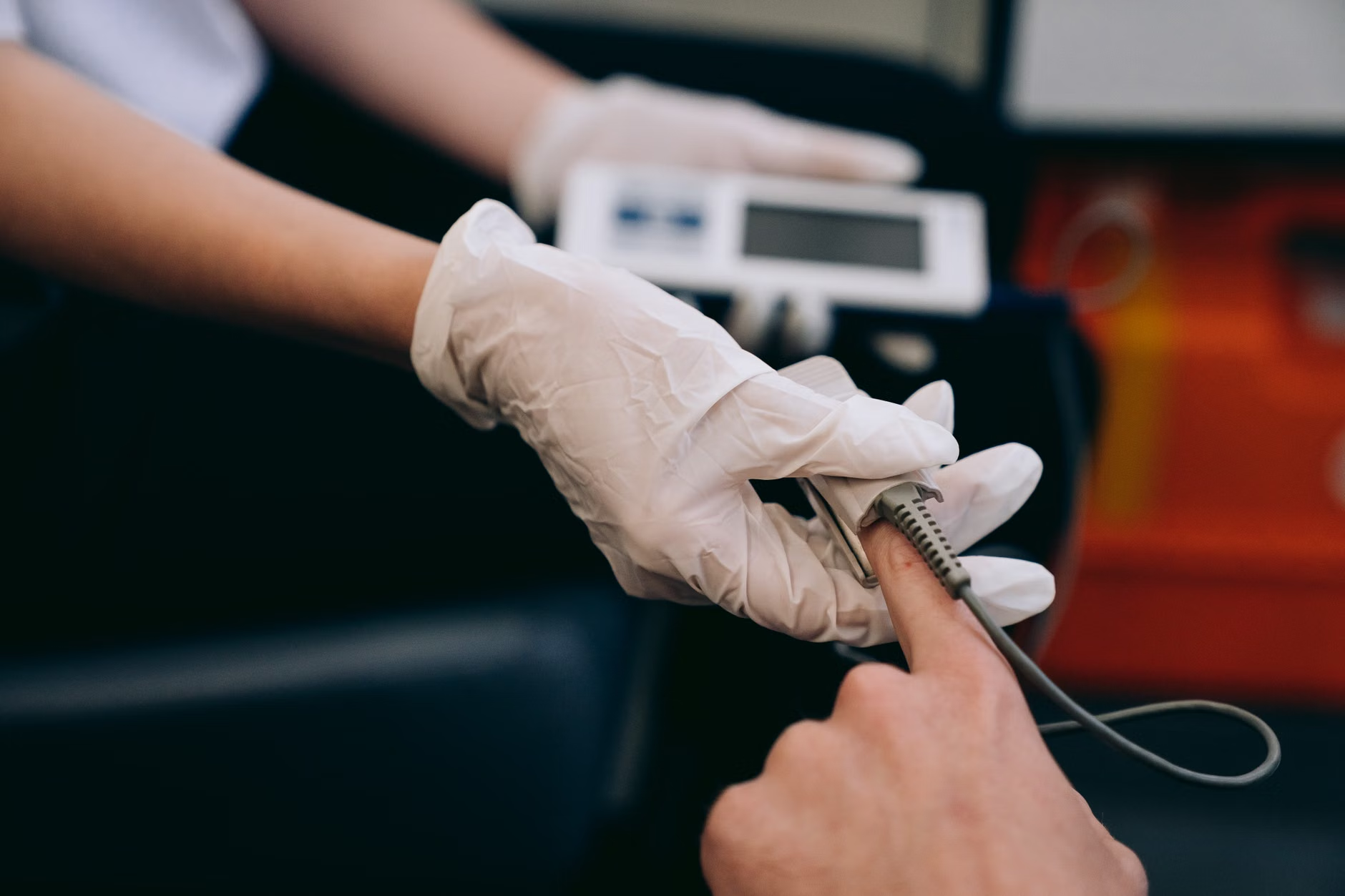
Before you depart, visit your healthcare provider. Discuss your specific travel plans and ask if your current health profile requires any specific precautions. Always carry a physical copy of your medical history, including a list of current medications, dosages, and any known allergies. A portable pulse oximeter—a small device that clips onto your finger—is a useful tool to keep in your daypack. It provides a real-time reading of your blood oxygen saturation (SpO2) and heart rate, helping you decide when it is time to rest.
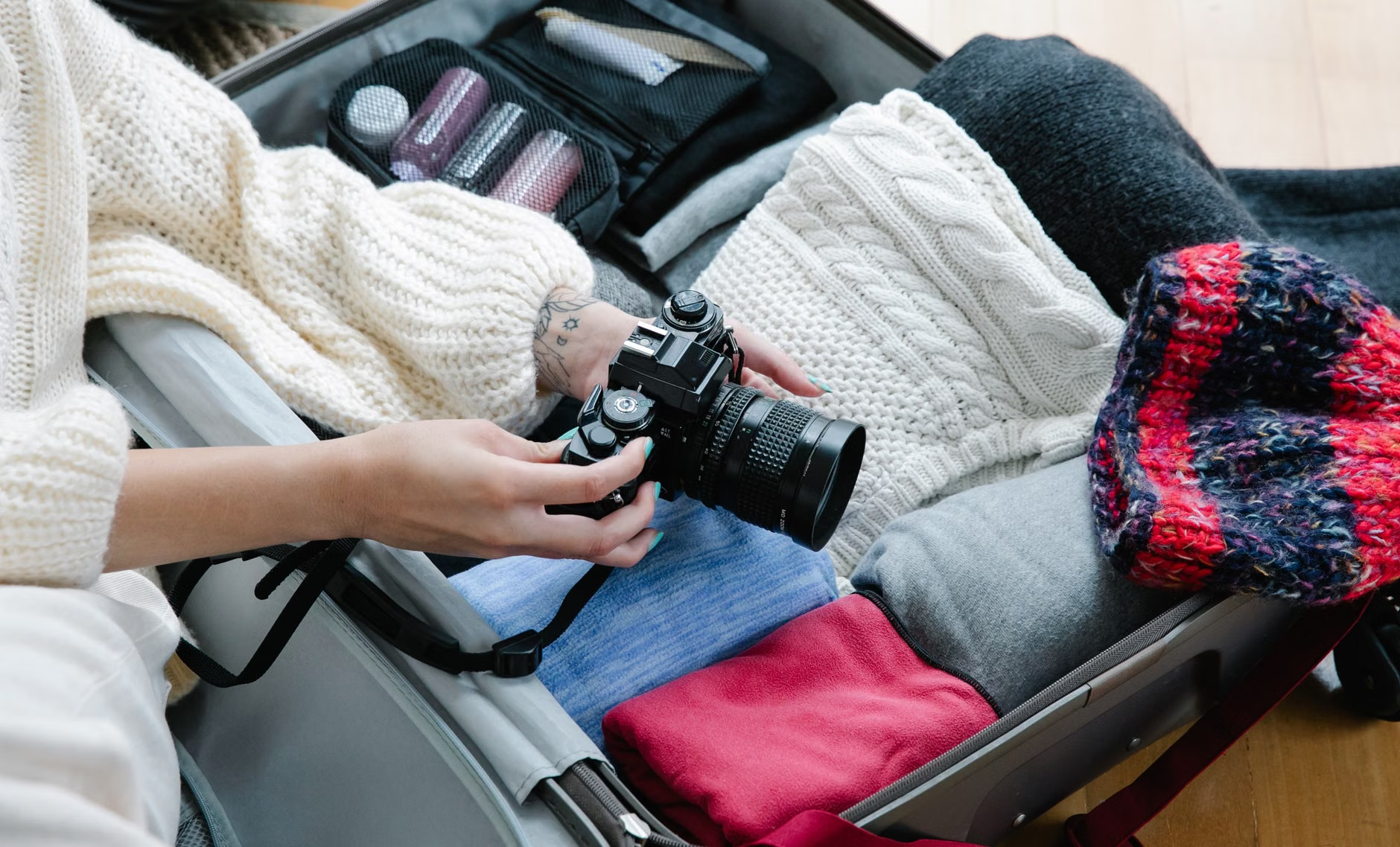
Strategic Packing for Mountain Climates
Mountain weather is notoriously volatile. You may experience bright sunshine, sudden gusts of wind, and temperature drops within the span of a single afternoon. Packing for these environments requires a “system” rather than a random collection of items.
The Layering Principle
Avoid heavy, bulky coats that are difficult to manage. Instead, use a three-layer system that allows you to regulate your body temperature as the environment changes:
- Base Layer: Moisture-wicking fabric (merino wool or high-quality synthetic) that keeps your skin dry. Avoid cotton, which traps moisture and cools the body when you stop moving.
- Mid Layer: An insulating layer such as a fleece or a lightweight down jacket. This traps body heat.
- Outer Layer: A windproof and waterproof shell. This is your primary defense against sudden mountain squalls and wind chill.
Footwear and Mobility Aids
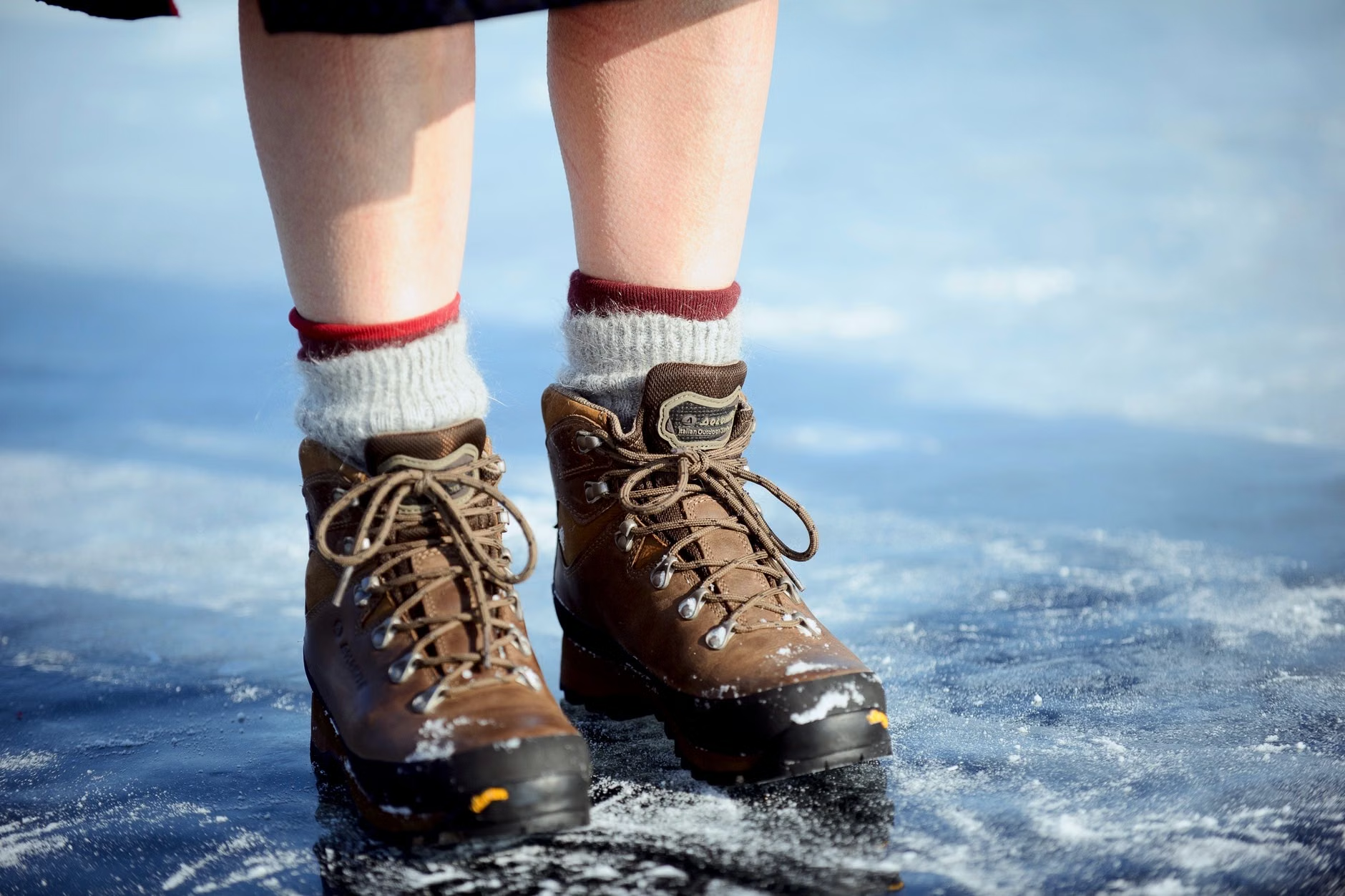
Mountain village streets are often paved with cobblestones, uneven slate, or gravel. Your choice of footwear is the most critical safety item in your suitcase. Look for shoes with a deep, rubberized tread (the “lug” pattern) to prevent slipping on loose surfaces. Ensure your shoes provide arch support and have a secure fastening mechanism, such as laces or high-quality Velcro straps, to keep your foot stable inside the shoe.
| Item Category | Recommendation | Reason |
|---|---|---|
| Footwear | Hiking shoes with ankle support | Prevents twisting on uneven village cobblestones. |
| Clothing | Lightweight merino wool layers | Excellent thermal regulation and odor resistance. |
| Daypack | Lightweight bag with waist strap | Distributes weight away from the shoulders/back. |
| Hydration | Insulated water bottle | Prevents freezing and encourages regular fluid intake. |
Many historic mountain villages were built before the concept of modern accessibility. Steep stairs, narrow alleys, and lack of elevators are common. Before booking, check the specific accessibility features of your accommodation and the village layout.
Assessing Accessibility
Do not rely solely on the term “accessible” in booking descriptions, as this can mean different things in different countries. Use digital satellite maps (like Google Earth) to view the incline of the streets leading to your hotel. If you have concerns about stamina, look for accommodations located near the central plaza or transport hubs to minimize the distance you must walk on inclines.
Managing Stamina
Even if you are physically active at home, the combination of altitude and inclines is significantly more taxing. Follow the “Two-Thirds Rule”: use only two-thirds of your available energy for your planned activities, reserving the final third for your return journey and recovery. If a village has a funicular or a local shuttle bus, use it to bypass the steepest sections of the town, saving your energy for the flat, scenic walks in the center.
The Hidden Variables of Mountain Travel
Beyond the obvious gear and health precautions, there are subtle factors that can significantly impact your experience. Understanding these will help you troubleshoot common issues before they become problems.
Hydration and Nutrition
At high altitudes, the air is much drier, leading to faster fluid loss through respiration. You may not feel “thirsty” in the cold air, but your body is losing water rapidly. Aim to drink small amounts of water consistently throughout the day rather than large quantities at once. Regarding nutrition, digestion can slow down at altitude. Opt for smaller, frequent meals that are rich in complex carbohydrates to maintain steady blood sugar levels without overtaxing your digestive system.
UV Exposure
The atmosphere is thinner at high altitudes, meaning it filters out less ultraviolet (UV) radiation. Even on a cloudy or cold day, the risk of sunburn and eye damage is significantly higher than at sea level. Always wear high-SPF sunscreen, a wide-brimmed hat, and polarized sunglasses to protect your eyes from the intense glare reflecting off rocks or snow.
Digital and Physical Connectivity
Mountain regions can have unreliable cellular coverage. Do not rely exclusively on smartphone-based maps or translation apps. Download offline maps for your destination and carry a small, physical notebook containing the address of your hotel in the local language, emergency numbers for local medical services, and a list of your essential medications. Having this information on paper ensures that even if your device runs out of battery or loses signal, you can navigate your way to safety or communicate your needs to locals.
Creating a Daily Routine for Success
A successful trip is built on a predictable daily rhythm. By establishing a routine, you reduce decision fatigue and allow your body to focus on adaptation and enjoyment. Your morning should start with a check of the local weather forecast—not just the temperature, but the wind speed and potential for precipitation. This determines your clothing choice for the day. Mid-day is the best time for your primary sightseeing, as temperatures are generally most stable. Reserve the late afternoon for rest, as this is when fatigue is most likely to accumulate.
Communication with Caregivers
If you are traveling with a partner or group, establish a “check-in” system. Agree on a specific time each day to discuss how everyone is feeling. If you are traveling solo, ensure a family member or friend back home has a copy of your itinerary and an agreed-upon “check-in” schedule. This provides peace of mind for both you and your loved ones, allowing you to focus entirely on the beauty of your surroundings.
Conclusion: The Reward of Careful Preparation
High-altitude mountain travel is profoundly rewarding, offering a sense of perspective and tranquility that few other environments can match. By respecting the physiological challenges of the altitude, packing with a focus on functionality, and prioritizing your comfort, you can transform what might be a daunting journey into a seamless and memorable adventure. Remember, the goal is not to conquer the mountain, but to experience it at a pace that honors your health and enhances your quality of life.
Frequently Asked Questions
Q1: How do I know if I am suffering from altitude sickness rather than just being tired?
A: While fatigue is normal, altitude sickness often presents with a persistent, throbbing headache that does not improve with rest or hydration. Other warning signs include nausea, dizziness, loss of appetite, and difficulty sleeping. If these symptoms persist or worsen, prioritize descending to a lower altitude immediately and seek medical attention from local health services.
Q2: Should I bring trekking poles even if I am not planning a long hike?
A: Yes. Even for short walks within a village, trekking poles can provide significant stability on uneven, sloped, or slippery cobblestone streets. They help distribute weight and reduce the impact on your knees and hips, which can be particularly helpful after a long day of sightseeing.
Q3: Are there specific medications I should ask my doctor about before traveling to high altitude?
A: Some travelers are prescribed medication to assist with altitude acclimatization. However, this is a decision that must be made by your personal physician based on your medical history, current medications, and the specific altitude of your destination. Never self-prescribe or use leftover medication from previous trips without professional guidance.
For further information on travel health and altitude safety, consult the CDC Yellow Book or your national health service’s travel advice pages.