- Reduce Travel Fatigue: Digital noise-cancellation (ANC) significantly lowers low-frequency background hums, which helps reduce physical exhaustion and stress during long journeys.
- Prioritize Fit and Comfort: For seniors, the weight of over-ear headphones and the pressure of in-ear tips are critical factors; choose lightweight, ergonomic designs to prevent discomfort over long periods.
- Safety First: While ANC is excellent for blocking engine noise, always maintain “Transparency Mode” or “Ambient Mode” when navigating busy terminals or public transit to remain aware of important announcements and surroundings.
For many older travelers, the joy of reaching a destination is often tempered by the physical and sensory toll of transit. Whether it is the constant drone of jet engines on a long-haul flight, the rhythmic clatter of a train, or the bustling chaos of a busy terminal, these environmental stressors contribute to what is commonly known as “travel fatigue.” Digital active noise-cancellation (ANC) technology offers a practical, non-intrusive way to mitigate these effects, turning noisy environments into manageable, peaceful spaces.
Understanding Active Noise-Cancellation (ANC)
Active Noise-Cancellation is a technology that uses tiny microphones to capture ambient sound waves from your environment. The device’s internal processor then generates an “anti-noise” wave—an exact inverse of the incoming sound—which effectively cancels out the noise before it reaches your eardrums. This is particularly effective for consistent, low-frequency sounds such as the roar of an aircraft cabin, air conditioning hums, or the steady drone of a bus engine.
It is important to distinguish between passive isolation and active cancellation. Passive isolation relies on the physical seal of the ear cushion or ear tip to block sound. Active cancellation, however, uses battery-powered digital processing to “erase” sounds. For the best experience, most modern devices combine both, providing a comprehensive barrier against unwanted noise.
Evaluating Your Options: Over-Ear vs. In-Ear
Selecting the right hardware is a decision that balances comfort, battery life, and portability. For many seniors, the choice comes down to physical ergonomics and how the device interacts with glasses or hearing aids.
| Feature | Over-Ear Headphones | In-Ear Earbuds |
|---|---|---|
| Comfort | Generally higher for long sessions; no pressure inside the ear canal. | Can cause fatigue if worn for many hours; requires finding the right tip size. |
| Portability | Bulky; requires space in carry-on luggage. | Very compact; fits into a small pocket or purse. |
| Battery Life | Usually longer (often 30+ hours). | Shorter per charge, but the case acts as a portable charger. |
| Compatibility | Better for those wearing glasses; can be adjusted to avoid pressure points. | Can interfere with some behind-the-ear hearing aids. |
Decision Rule: If you are planning a flight longer than four hours, over-ear headphones are generally superior because they distribute weight more evenly and do not irritate the ear canal. If you prioritize travel light and need a device that fits in a small handbag, in-ear earbuds are the more practical choice.
The Importance of Transparency Modes
While the goal is to block noise, safety requires that we remain connected to our environment. Modern ANC devices feature “Transparency” or “Ambient” modes. When activated, these modes use the device’s microphones to pipe in important external sounds—such as departure announcements, boarding calls, or a fellow traveler speaking—while still muffling the harsh, repetitive background hums.
Practical Tip: When moving through airport security or train stations, switch to Transparency Mode. This prevents the “tunnel vision” effect where you might miss a gate change or a direct question from a transit official. It is a simple toggle button on almost all modern devices that saves you from having to constantly remove your headphones.
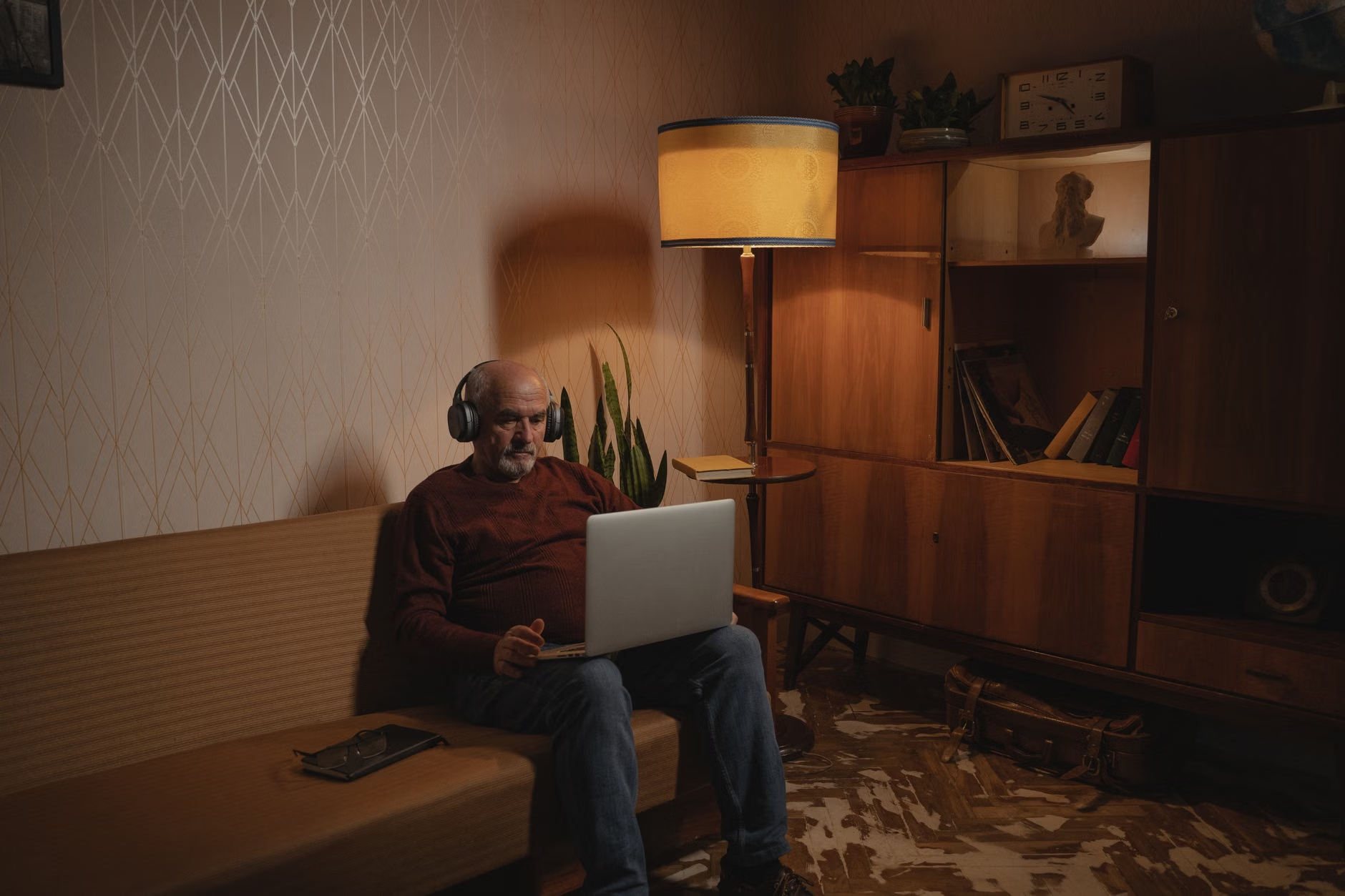
Managing Battery and Digital Connectivity
One of the primary anxieties for older travelers with new technology is battery management. Most high-quality ANC devices now offer “fast charging.” A 10-minute charge can often provide two to three hours of playback. Before leaving home, ensure your charging cable is packed in an easily accessible part of your carry-on bag, not buried in your checked luggage.
Connecting to Devices: Many modern headphones use “Bluetooth Multipoint.” This allows the headphones to be connected to two devices at once—for example, your tablet for watching movies and your smartphone for receiving calls. This eliminates the need to manually “unpair” and “re-pair” when switching between tasks. If you find the setup process daunting, ask a family member to help you pair your devices at home before your trip. Once paired, the devices will usually remember each other automatically.
Addressing Potential Challenges
Some users report a sensation of pressure in their ears when using ANC for the first time. This is often described as feeling like the pressure change during an airplane takeoff. If you experience this, try the following steps:
- Check the fit: Ensure the ear cups are fully covering your ears or that the ear tips are forming a proper, comfortable seal.
- Adjust the intensity: Some premium models allow you to adjust the level of noise cancellation through a smartphone app. Lowering the intensity can often eliminate that “pressure” sensation while still providing enough cancellation to be effective.
- Take breaks: Even with the most comfortable device, it is good practice to remove your headphones for 10 minutes every two hours to let your ears breathe and to re-orient yourself to your surroundings.
Integrating ANC into Your Travel Routine
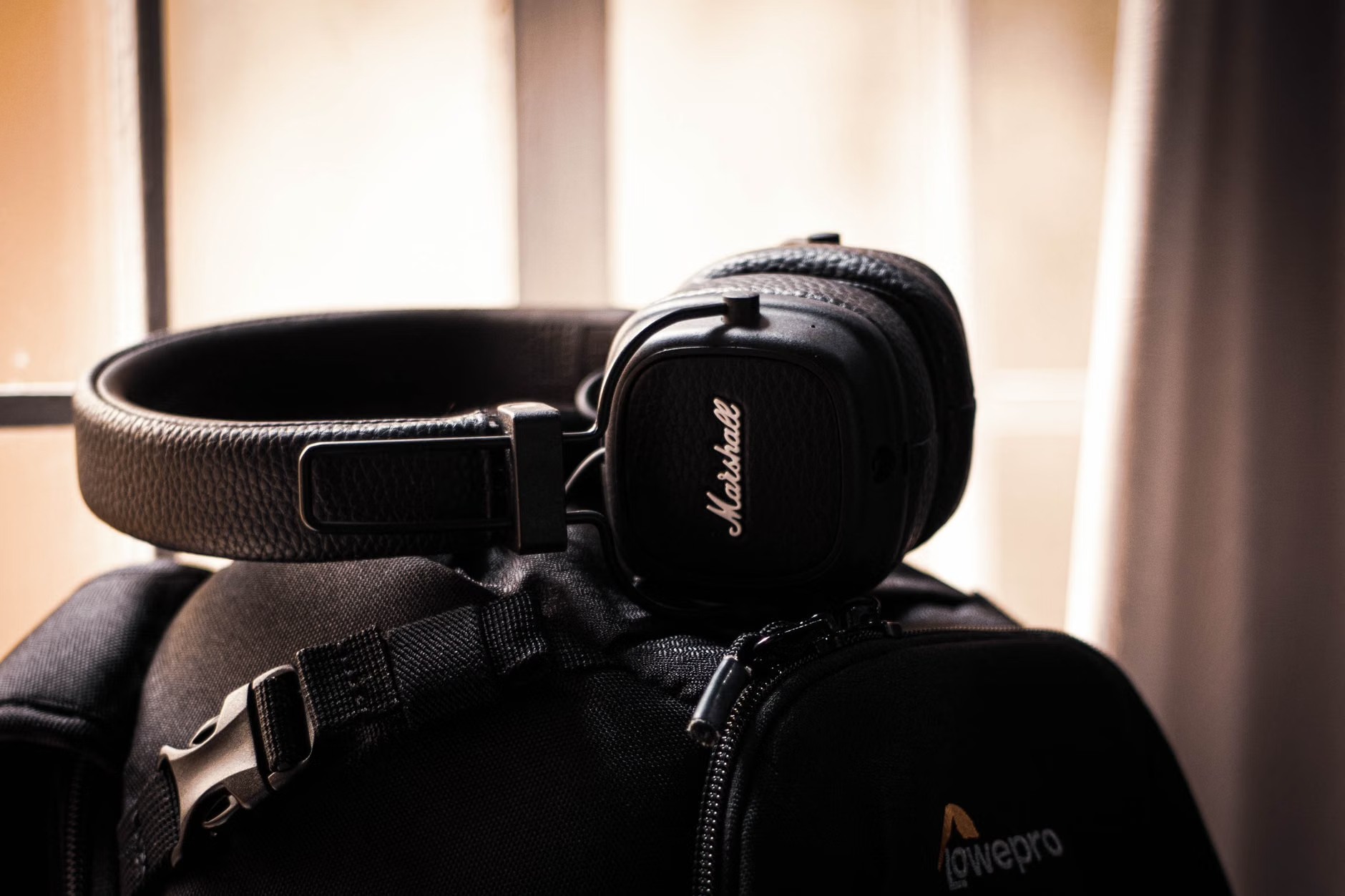
To get the most out of your investment, treat your noise-canceling device as part of your “travel kit,” similar to your passport or medications. Keep them in a dedicated case to protect them from damage and to ensure they are always charged.
Pre-Trip Checklist:
- Update Firmware: If your headphones have a companion app, check for updates while you are still at home with a stable Wi-Fi connection.
- Charge Everything: Charge both your listening device and your smartphone the night before departure.
- Test the Controls: Spend ten minutes practicing how to turn the noise cancellation on and off, and how to activate the “Transparency” mode. Knowing exactly which button does what prevents frustration when you are in a busy terminal.
Health Considerations: Hearing and Stamina
It is a common misconception that noise-canceling technology is only for “listening to music.” In reality, many travelers use these devices in “silent mode”—simply turning on the noise cancellation without playing any audio. This is a powerful tool for preserving your mental energy. By removing the constant low-frequency drone of an airplane, you reduce the brain’s need to filter out background noise, which can leave you feeling significantly fresher upon arrival.
If you wear hearing aids, consult with your audiologist before purchasing over-ear headphones. Some hearing aid users find that certain styles of headphones cause “feedback” or squealing. Often, in-ear earbuds are more compatible with hearing aids, provided they do not physically push the hearing aid into the ear canal. Always prioritize your comfort and the integrity of your hearing health over the latest tech features.

The market for noise-canceling devices is broad, ranging from budget options under $100 to premium models exceeding $350. When deciding how much to spend, consider how often you travel and how sensitive you are to environmental noise.
The “Mid-Range” Sweet Spot: You do not always need the most expensive model to get excellent noise cancellation. Many mid-range models offer 80-90% of the performance of flagship models. Look for brands that have a proven track record in audio engineering rather than just fashion-focused brands. Read reviews that specifically mention “comfort for long-duration wear” to ensure the product is suited for travel, not just short commutes.
Conclusion
Digital noise-cancellation is more than just a gadget; it is a tool for enhancing your travel experience. By reducing the invisible burden of noise, you can arrive at your destination feeling less exhausted and more prepared to enjoy your activities. Start by choosing a device that fits your physical needs, practice using the ambient modes to ensure your safety, and remember that you can use the technology for silence just as easily as you can for entertainment. With a little preparation, your next journey can be significantly quieter and more comfortable.
Official Resources and Further Reading
For more information on hearing health and travel, you may find these resources helpful:
- World Health Organization: How to Protect Your Hearing
- Centers for Disease Control and Prevention: Hearing Loss and Loud Noise
Frequently Asked Questions (FAQ)
1. Can I use noise-canceling headphones if I wear hearing aids?
Yes, many people do, but it requires careful selection. Over-ear headphones are generally easier to use with behind-the-ear (BTE) hearing aids, provided the ear cups are large enough to cover the hearing aid without pressing it against your head. Always test the combination at home before your trip to ensure there is no audio feedback or physical discomfort.
2. Do I need to turn off my noise-canceling headphones during takeoff and landing?
In most jurisdictions, including those following FAA (USA) or EASA (Europe) guidelines, you are permitted to use electronic devices like noise-canceling headphones throughout the entire flight. However, you must be able to hear crew instructions. Using “Transparency Mode” during safety briefings is a great way to comply with safety requirements while remaining comfortable.
3. How do I know if my headphones will be comfortable for a long-haul flight?
Look for two factors: weight and clamping force. “Clamping force” refers to how tightly the headphones press against your head. If possible, try them on in a store. If buying online, look for reviews that specifically mention “weight” and “long-wear comfort.” A weight under 250 grams is generally considered light enough to avoid neck fatigue during a multi-hour journey.