- Verify Real-Time Accessibility: Historic funiculars often undergo maintenance; always check official transit websites or local tourism boards 24 hours before your visit for lift functionality and service status.
- Prioritize Off-Peak Travel: To ensure you have adequate time to board and find seating without pressure, plan your trips for mid-morning or mid-afternoon to avoid commuter and tourist rushes.
- Assess Your Mobility Needs: Not all funiculars are created equal; categorize your destination into “fully accessible,” “partially accessible,” or “challenging” based on the platform-to-cabin gap and the presence of ramps.
Navigating Historic Funiculars: A Practical Guide for Accessible Travel
Historic funicular railways are iconic features of many cities worldwide, offering breathtaking views and efficient transport up steep inclines. For the older traveler, these systems represent a perfect marriage of history and utility. However, because many of these systems date back to the late 19th or early 20th century, their infrastructure can present unique challenges regarding accessibility. This guide provides a comprehensive framework for planning and navigating these transit marvels while prioritizing your safety, comfort, and independence.
Understanding the Funicular Experience: What to Expect
A funicular is a cable railway system in which two counterbalanced carriages are permanently attached to a cable that pulls one up as the other goes down. Because of this design, they are uniquely suited for steep grades where traditional trains or buses would struggle. For a traveler, this means a smooth, steady, and often very scenic ride.
However, the “historic” nature of these systems often means that the station architecture—sometimes protected by heritage status—may not have been built with modern accessibility standards in mind. You may encounter uneven cobblestones, steep ramps, or narrow boarding gaps. Understanding these variables before you arrive is the first step in ensuring your travel experience remains enjoyable rather than stressful.
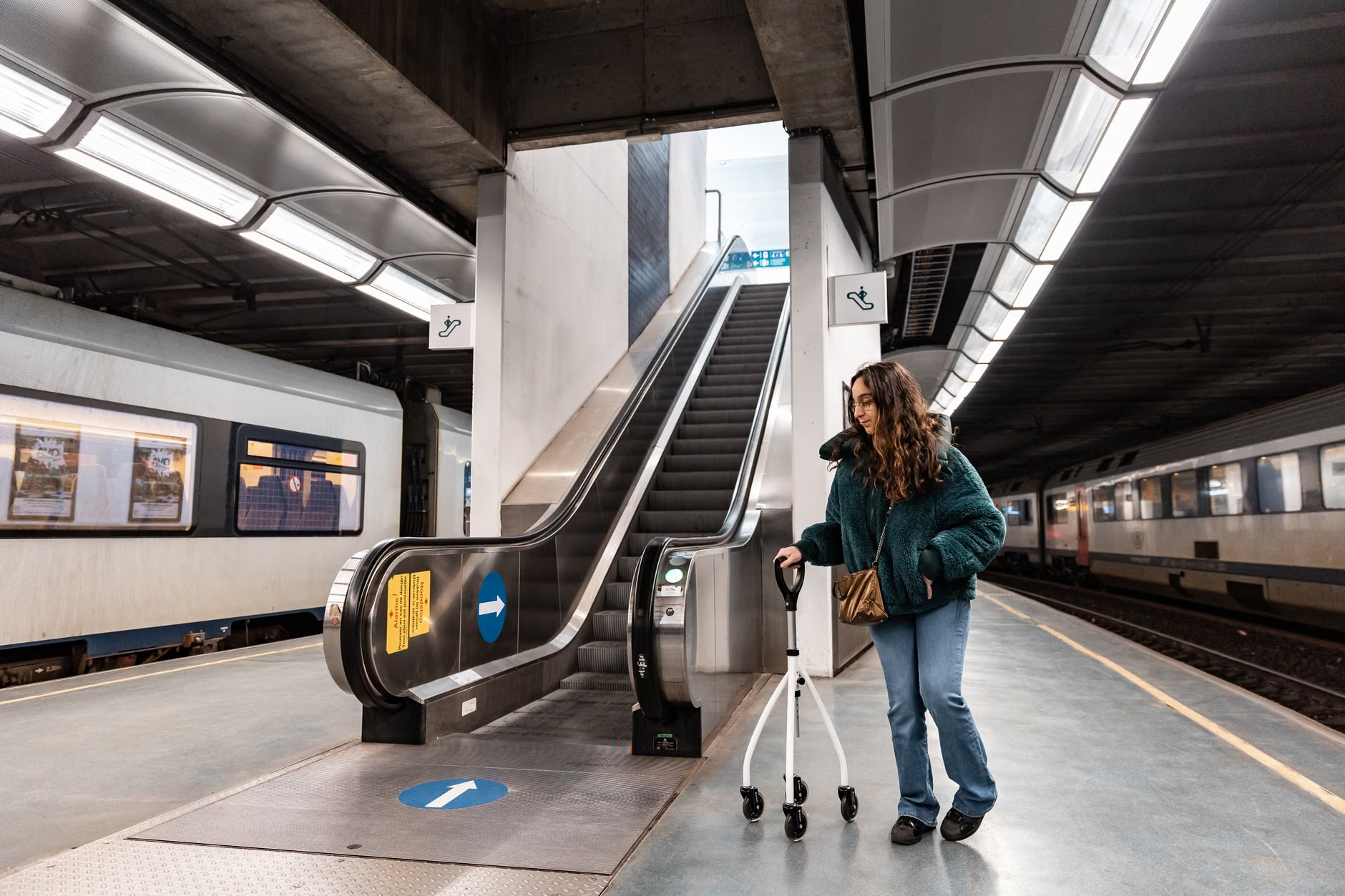
The Anatomy of Accessibility
When researching a specific funicular, categorize the transit points based on three core criteria: the approach, the platform, and the boarding process. A “fully accessible” system typically features level-entry boarding, meaning the floor of the cabin is flush with the platform. A “partially accessible” system may require a small step or a manual ramp deployed by staff. A “challenging” system might involve stairs at the station entrance or a significant gap between the platform and the vehicle.
Planning Your Trip: Pre-Departure Research
Effective planning is the best way to mitigate physical fatigue and ensure you maintain your preferred pace. Do not rely solely on general tourism brochures, which often gloss over logistical difficulties. Instead, consult the official transit authority’s website or the city’s municipal transport accessibility portal.
Checklist for Pre-Trip Verification:
- Official Transit Portals: Search for terms like “Accessibility,” “Reduced Mobility,” or “Step-free Access” on the specific funicular’s website.
- Station Maps: Look for symbols indicating elevator (lift) availability. If a station relies on a lift that is out of service, your entire route may be compromised.
- Maintenance Schedules: Historic systems require frequent technical inspections. Check for “Planned Maintenance” notices to avoid arriving at a closed station.
- Staffing Hours: Some smaller, historic lines only have staff present during peak hours. If you require assistance with a ramp, ensure you travel when personnel are on duty.
The Role of Digital Tools
Modern transit apps (such as Google Maps or city-specific transit apps like Citymapper) are increasingly integrating accessibility data. However, they are not always 100% accurate regarding temporary elevator outages. Always cross-reference app data with the official website of the operator. If you have any doubt, a quick email to the operator’s customer service department can provide clarity that no app can match.
Once you are at the station, your priority should be managing your transition from the platform to the vehicle. This is often where travelers feel the most pressure, especially if the vehicle is busy or if the boarding time is short. Remember, you have the right to request that the operator hold the carriage until you are safely seated.
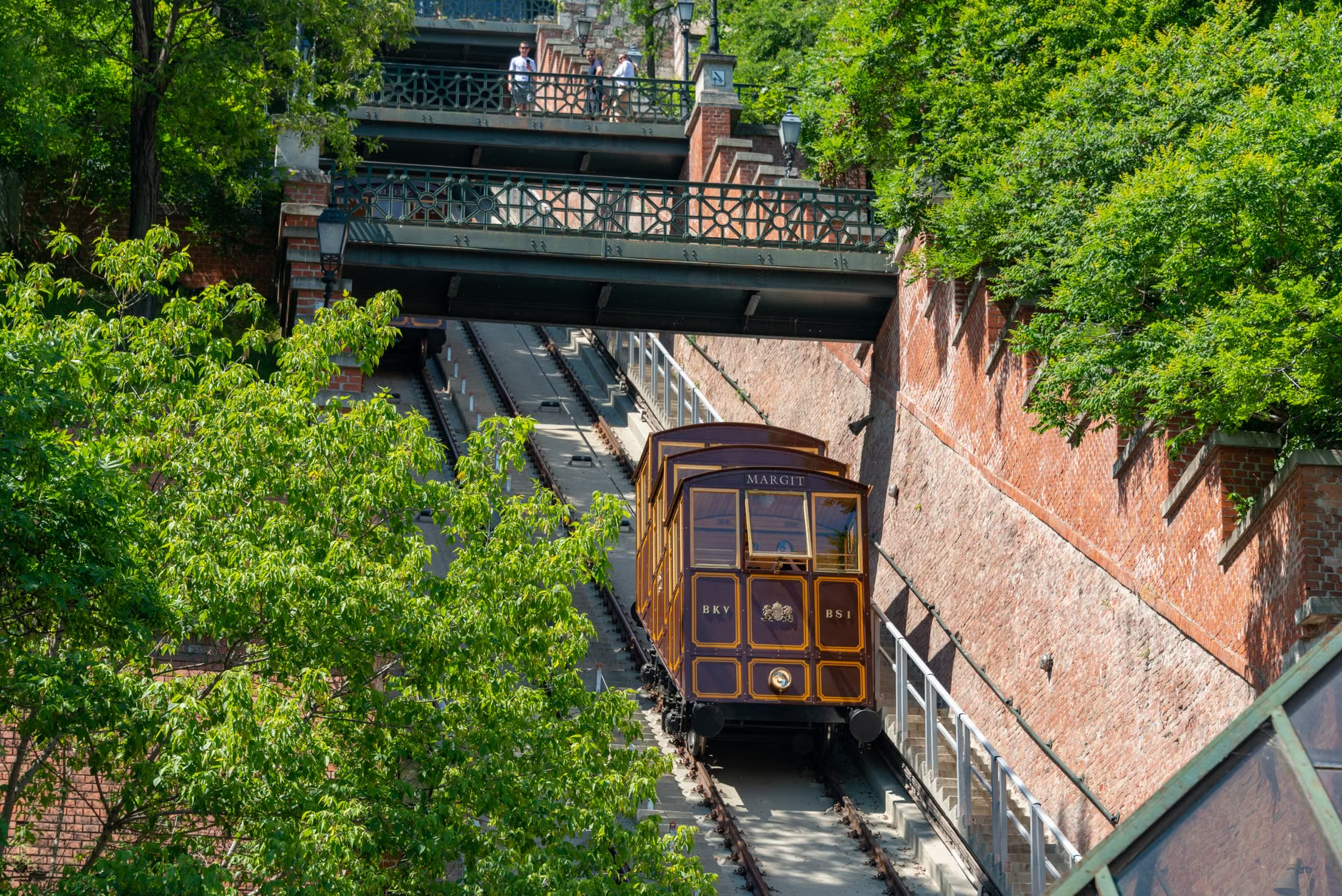
Managing the Boarding Gap
If there is a gap between the platform and the carriage, do not attempt to navigate it alone if you feel unstable. Most operators have protocols for assisting passengers with mobility aids. Signal clearly to the attendant that you require a moment or a ramp. It is perfectly acceptable to wait for the next carriage if the current one appears too crowded to board safely.
Seating and Stamina
Funicular cabins are often designed for maximum capacity, which can mean limited seating. When boarding, prioritize moving toward the middle or the rear of the cabin where handrails are typically more accessible. If you are traveling with a companion, have them secure a seat while you navigate the entrance, or vice versa. If seating is limited and you have concerns about standing for the duration of the trip, do not hesitate to ask other passengers for a seat; most travelers are happy to accommodate older adults when the need is communicated clearly.
| Feature | What to Look For | Strategy for Success |
|---|---|---|
| Platform Access | Lifts, ramps, and level paths. | Confirm lift status 24 hours in advance. |
| Boarding Gap | The distance between the platform edge and carriage. | Request a manual ramp if the gap exceeds 5cm. |
| Cabin Seating | Dedicated priority seating areas. | Board early; use handrails immediately. |
| Staff Availability | Presence of station attendants. | Travel during standard daytime hours. |
The table above highlights that while physical infrastructure is the primary hurdle, your strategy for success—such as confirming status and timing your travel—is equally important. If you identify a “challenging” feature in advance, you can adjust your itinerary to use an alternative route or a different mode of transport, such as a low-floor bus or a taxi, which might be more comfortable for your specific needs.
Safety and Mobility Precautions
Safety on historic funiculars is not just about the machinery; it is about your personal movement. The incline of the tracks means that the floor of the cabin is often tilted, which can affect your balance. Always keep your center of gravity low and keep at least one hand on a rail or seat back at all times while the carriage is in motion.
Managing Incline and Balance
If you use a cane or a walker, ensure it is locked or held firmly against your body. Avoid placing bags on the floor where they might slide; keep all personal items on your lap. If you suffer from vertigo or inner ear issues, try to sit in the middle of the carriage rather than looking out the windows at the steep, moving landscape, as this can sometimes trigger disorientation.
Emergency Preparedness
While funiculars are statistically very safe, it is wise to be aware of the emergency communication system in the cabin. Look for the intercom button or the emergency call handle as soon as you board. Knowing where this is located provides peace of mind and ensures you can reach staff instantly if you feel unwell or require assistance during the journey.

The Hidden Variables: Why Some Funiculars Are More Challenging
Beyond the obvious physical accessibility, there are “hidden” variables that can impact your experience. One such factor is the crowd density. Historic funiculars in popular tourist cities like Lisbon, Budapest, or San Francisco can become extremely crowded. A system that is “accessible” on paper may become effectively inaccessible during peak tourist seasons (such as mid-summer) because the sheer volume of people makes navigating to a seat or a rail impossible.
Decision Criteria for Peak Travel:
- Off-Peak Advantage: Travel before 10:00 AM or after 3:00 PM. This reduces the number of tourists and allows for a more relaxed boarding experience.
- Weather Considerations: In rainy or icy conditions, the platforms and the cabin floors can become slippery. Choose footwear with non-slip soles and prioritize systems that are fully enclosed and climate-controlled.
- Equipment Management: If you are traveling with a folding wheelchair or a rollator, ensure it is compact. Some historic carriages have very specific width restrictions. If your equipment is motorized, verify the weight limit of the funicular’s lift system in advance.
Alternative Transit Options: When to Say No
There is no shame in deciding that a specific funicular is not worth the stress. If your research or your initial experience at the station reveals that the physical requirements exceed your comfort level, seek an alternative. Many cities offer “Hop-on Hop-off” bus tours that cover the same scenic routes as funiculars and provide much easier access for those with mobility concerns.
Furthermore, taxis and ride-sharing services are often surprisingly affordable for short distances between the base and the summit of a hill. If the cost of the funicular plus the physical exertion of navigating the station is high, a short taxi ride might provide a better, more relaxing experience for the same price point.
Finalizing Your Travel Strategy
Your goal is to enjoy the scenery and the history, not to conquer a difficult transit system. By breaking down your travel into manageable steps—researching, timing your transit, and knowing your equipment’s limitations—you can navigate even the oldest funiculars with confidence. Remember that your safety and comfort are the primary metrics of a successful trip. Do not hesitate to ask for help, take your time, and enjoy the journey at a pace that feels right for you.
Frequently Asked Questions
1. How can I confirm if a specific funicular can accommodate my wheelchair or mobility aid?
The most reliable method is to check the “Accessibility” section of the official transit operator’s website. Look for specific information regarding the width of their carriage doors and the weight capacity of any lifts. If this information is missing, contact their customer support team directly via email; they can provide specific details about the gap between the platform and the carriage, which is often the most critical factor for mobility aids.
2. Are there specific times of day when funiculars are less busy for older travelers?
Yes. Generally, avoid the morning “rush hour” (7:30 AM to 9:30 AM) and the late afternoon peak (4:30 PM to 6:30 PM). For the best experience, aim for the “mid-day lull”—typically between 10:30 AM and 2:30 PM. On weekends, these systems are often busier regardless of the time, so weekday travel is almost always preferable for those seeking a less crowded environment.
3. What should I do if I feel dizzy or unwell once the funicular starts moving?
If you feel unwell, immediately sit down in the nearest available seat. If all seats are occupied, ask a fellow passenger for assistance. Keep your eyes fixed on a stable point inside the cabin, such as the back of the seat in front of you or the floor, rather than looking out the window at the moving scenery. If the feeling persists, use the onboard emergency intercom to alert the operator, who can stop the carriage at the next station to allow you to exit.
For further reading on global accessibility standards and travel resources, visit the United Nations Enable portal or your local government’s tourism accessibility guide.