- Ergonomic Standardization: New 2026 guidelines mandate armrests, lumbar support, and specific seat heights to assist with standing and sitting.
- Strategic Placement: Seating is now required to be located within 50 meters of boarding gates and high-traffic amenities to reduce walking fatigue.
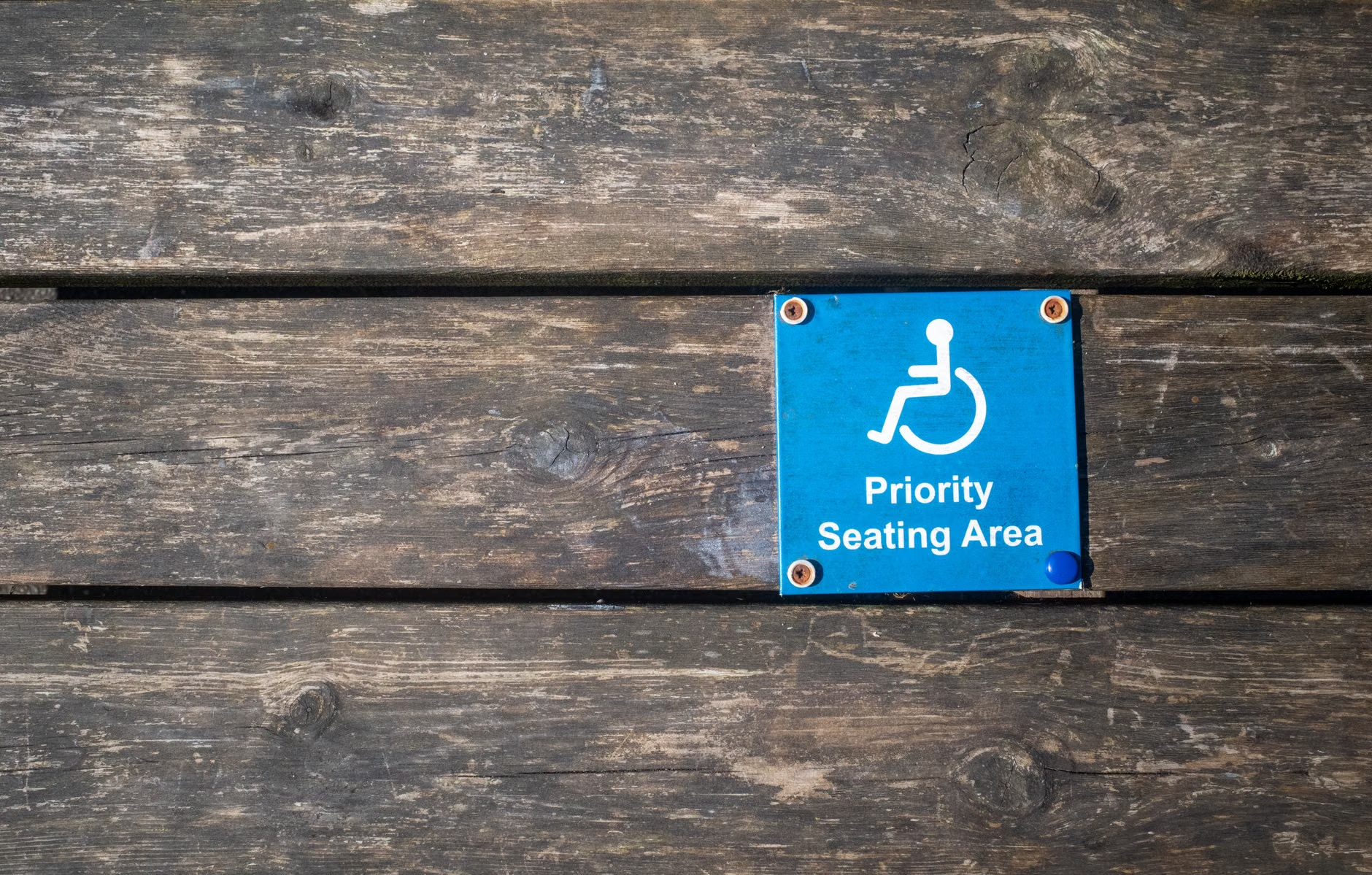
- Proactive Planning: Travelers should verify terminal maps for “Priority Seating” zones, which are now clearly marked to ensure availability for those with limited mobility.
As we head into 2026, international standards for airport infrastructure are undergoing a significant shift. For older adults, the most impactful change involves the revised guidelines for public seating in major international airports. These updates move beyond simple aesthetics, focusing instead on biomechanics—specifically, how seating design affects the ability of seniors to sit down, stand up, and remain comfortable during inevitable travel delays.
This article provides a detailed breakdown of these 2026 standards, explaining what they mean for your travel experience, how to identify compliant seating, and how you can advocate for your needs when navigating transit hubs.
Understanding the 2026 International Seating Guidelines
The 2026 guidelines, established by international aviation authorities and accessibility councils, focus on the “Sit-to-Stand” (STS) biomechanical requirement. For many older adults, the primary challenge is not just the comfort of the cushion, but the physical effort required to transition from a seated position to a standing one.
Under the new standards, public seating in terminal “gate clusters” must now incorporate specific design features. These are not merely suggestions; they are becoming part of the certification process for international airports seeking accessibility ratings. The core requirements include:
- Seat Height: A minimum height of 45 to 50 centimeters (approximately 18 to 20 inches). This elevation reduces the strain on knee and hip joints during the transition to standing.
- Armrest Continuity: Every seat in a row must have a sturdy, load-bearing armrest on both sides. These are critical for providing leverage when pushing oneself up.
- Material Density: High-resilience foam is now the standard to prevent “bottoming out,” which occurs when a seat is too soft or worn, causing the user to sink and making it difficult to regain an upright position.
Why this matters: If you have ever felt “stuck” in a deep, low-slung lounge chair, you understand the frustration and physical toll of poor design. The 2026 standards aim to eliminate these “trap” seats in high-traffic areas, ensuring that the physical act of waiting does not deplete the energy you need for boarding and walking to your next gate.
Strategic Placement: The 50-Meter Rule
Beyond the design of the chairs, the 2026 guidelines introduce the “50-meter proximity mandate.” Airports are now required to ensure that designated “Priority Seating” zones are located no more than 50 meters from boarding gates, restrooms, and primary transit hubs like the Skytrain or shuttle stops.
This change is intended to address the reality of terminal size. Many modern airports are vast, and the distance between gates can exceed one kilometer. By forcing the integration of seating within shorter intervals, the guidelines aim to mitigate the cumulative fatigue that often leads to health incidents during long transit periods.
How to Identify Priority Seating
While terminology varies by jurisdiction, look for the following universal indicators in 2026:
| Indicator Type | Visual Feature | Purpose |
|---|---|---|
| Floor Marking | High-contrast blue or yellow stripes leading to a zone. | Directs travelers with limited mobility to the nearest rest point. |
| Signage | Icon of a person with a cane or sitting icon with a star. | Identifies the area as reserved for those needing extra time or support. |
| Furniture Color | Contrast-colored upholstery (e.g., darker or brighter than the floor). | Provides visual depth to help identify the seat edge. |
When you arrive at your terminal, take a moment to scan for these markings. If you are traveling with a companion, they can act as a “scout” to locate these zones before you commit to walking down a long corridor. If an area is crowded and no priority seating is available, do not hesitate to ask a gate agent or airport staff to point you toward the nearest designated rest area. These staff members are increasingly trained to recognize these 2026 accessibility zones as part of their service protocols.
Practical Steps for Managing Stamina During Transit
Even with improved seating, the airport remains an environment that requires careful energy management. The following checklist can help you utilize these new 2026 features to your advantage:
- Map the Terminal: Many airports now offer digital maps on their websites that highlight “Accessibility Zones.” Check this before you leave home.
- The “Gate-to-Gate” Strategy: If your connection time is tight, do not wait until the last minute to move. Use the 50-meter rest points to break your journey into manageable segments.
- Leverage Power Outlets: The new standards often cluster power outlets near priority seats. If you use a mobile device or medical equipment that requires charging, this is your optimal spot.
- Request Assistance Early: If you know you will struggle with the walking distance, request a wheelchair or electric cart service at least 48 hours before your flight. These services are the most effective way to bypass the need for intermediate seating entirely.
Common Mistake: Many travelers avoid using priority seating because they feel they are “taking it from someone who needs it more.” This is a misconception. These seats are designed for anyone who requires extra stability or support. Using them proactively helps you maintain your stamina, which is essential for a safe and successful journey.
Health and Safety Nuances: Beyond the Seat
While the focus here is on seating, it is vital to remember that the chair is only one component of your travel health. The 2026 guidelines also touch upon the “environmental comfort” of these zones. This includes lighting and air quality. High-glare lighting can be disorienting for those with vision changes, and the new standards recommend diffused lighting in seating clusters to reduce eye strain.
If you have specific health conditions, such as chronic pain, circulatory issues, or respiratory concerns, consider these points:
- Circulation: Prolonged sitting, even in an ergonomic chair, can lead to swelling in the legs. If you are waiting for more than 45 minutes, perform seated ankle pumps—flexing and extending your feet—to keep blood flowing.
- Hydration: Airports are notoriously dry environments. The new seating zones are often placed near water refill stations. Make it a habit to fill your bottle every time you reach a new seating cluster.
- Medication Timing: If you are crossing time zones, keep your medication in your carry-on, not checked luggage. Use the comfort of the priority seating area to organize your doses according to your new schedule.
Advocacy and Feedback
The 2026 standards are an evolving framework. Airports are often eager to receive feedback on whether these changes are actually working. If you find that a “priority” area is blocked by luggage, poorly lit, or difficult to access, you have the right to provide feedback. Most major airports now have a “Passenger Experience” or “Accessibility” email address listed on their official website. Providing specific, constructive feedback—such as, “The seating at Gate B12 was excellent, but the floor markings leading to it were obscured by signage”—is incredibly valuable for the airport’s ongoing maintenance and improvement.
Remember that you are an informed traveler. Understanding these standards allows you to navigate the terminal with confidence rather than uncertainty. You are not asking for a favor; you are utilizing infrastructure that has been specifically designed to accommodate your needs.
Conclusion
The transition to the 2026 international seating guidelines represents a positive shift toward more inclusive travel. By prioritizing ergonomic design and strategic placement, airports are acknowledging that the physical environment is a key factor in the safety and wellbeing of older adults. Your ability to travel comfortably is supported by these new rules, provided you know where to look and how to utilize the facilities available to you. Prioritize your comfort, manage your energy, and remember that these amenities are there to ensure your journey is as smooth as possible.
Frequently Asked Questions
1. Do these 2026 guidelines apply to all airports globally?
These are international recommendations adopted by the major aviation regulatory bodies and global airport associations. While many major international hubs have implemented these immediately to maintain their safety ratings, smaller regional airports may take longer to update their infrastructure. Always check the airport’s website for specific accessibility features before your flight.
2. Can I reserve a priority seat in advance?
Generally, no. Priority seating in public terminal areas is available on a “first-come, first-served” basis. However, if you have a medical need that requires specific seating, you can often arrange for special assistance at the gate or through your airline’s accessibility desk, which may involve pre-boarding or dedicated support staff.
3. What should I do if all the priority seats are occupied by people who don’t appear to need them?
It is important to remember that not all mobility needs are visible. Someone may have a chronic condition, a hidden injury, or simply be recovering from a procedure. If you are struggling, the best course of action is to approach a nearby airport staff member or gate agent. They can often clear a space or direct you to a less crowded area with equivalent amenities.
Official Source Reference: For further reading on global aviation accessibility standards, you may consult the IATA Passenger Facilitation Guidelines and the Airports Council International (ACI) official portal for information on airport accessibility and passenger services.