For adults aged 60 to 80, integrating plant-based Omega-3 fatty acids into your daily diet is a sustainable and effective strategy to support long-term cardiovascular health and cognitive function.
- Focus on ALA: Plant sources provide Alpha-Linolenic Acid (ALA), which the body converts into EPA and DHA—the forms most beneficial for the heart and brain.
- Consistency Over Quantity: Because the body’s conversion rate of ALA is modest, incorporating small, frequent portions of flax, chia, and walnuts is more effective than occasional large servings.
- Synergy Matters: Pair Omega-3-rich foods with healthy fats like avocados or olive oil to improve the absorption of fat-soluble nutrients and support overall metabolic health.
Understanding the Role of Omega-3s in Aging
Omega-3 fatty acids are a group of polyunsaturated fats that are essential for human health. Since our bodies cannot produce them in sufficient quantities, they must be obtained through our diet. For older adults, the focus often shifts toward managing inflammation, maintaining arterial flexibility, and supporting neurological health.
There are three primary types of Omega-3s: Alpha-Linolenic Acid (ALA), Eicosapentaenoic Acid (EPA), and Docosahexaenoic Acid (DHA). While EPA and DHA are primarily found in fatty fish, ALA is found in abundance in plant-based sources. For those who prefer a plant-forward or vegetarian diet, understanding how to maximize ALA intake is the key to maintaining health.
The Science of Conversion
When you consume ALA, your body acts as a biological processor, converting a portion of it into EPA and DHA. While this conversion process is not highly efficient, it is a well-documented metabolic function. For older adults, the priority is to provide the body with a consistent supply of ALA so that the conversion process has the raw materials it needs to support the heart and brain.
Top Plant-Based Sources and Practical Intake
Knowing what to eat is only half the battle; knowing how to integrate these foods into a daily routine is what creates long-term success. Below is a breakdown of the most effective plant-based sources of Omega-3s.
| Source | Omega-3 Content (Approx. per serving) | Best Use Case |
|---|---|---|
| Flaxseeds (ground) | 2.3g per tablespoon | Smoothies, oatmeal, or baking |
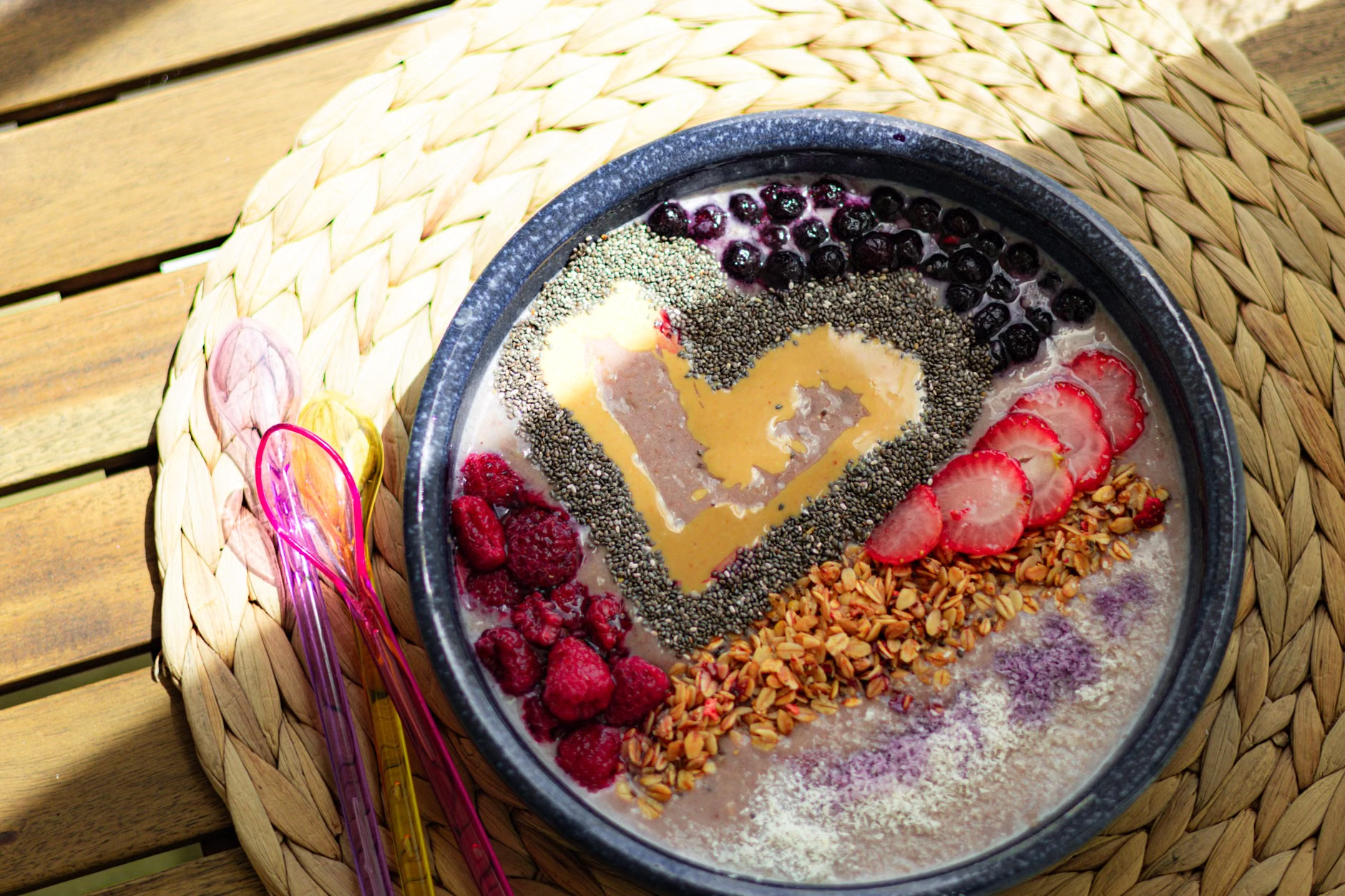
| Chia Seeds | 2.5g per tablespoon | Puddings, yogurt toppings, or salads |
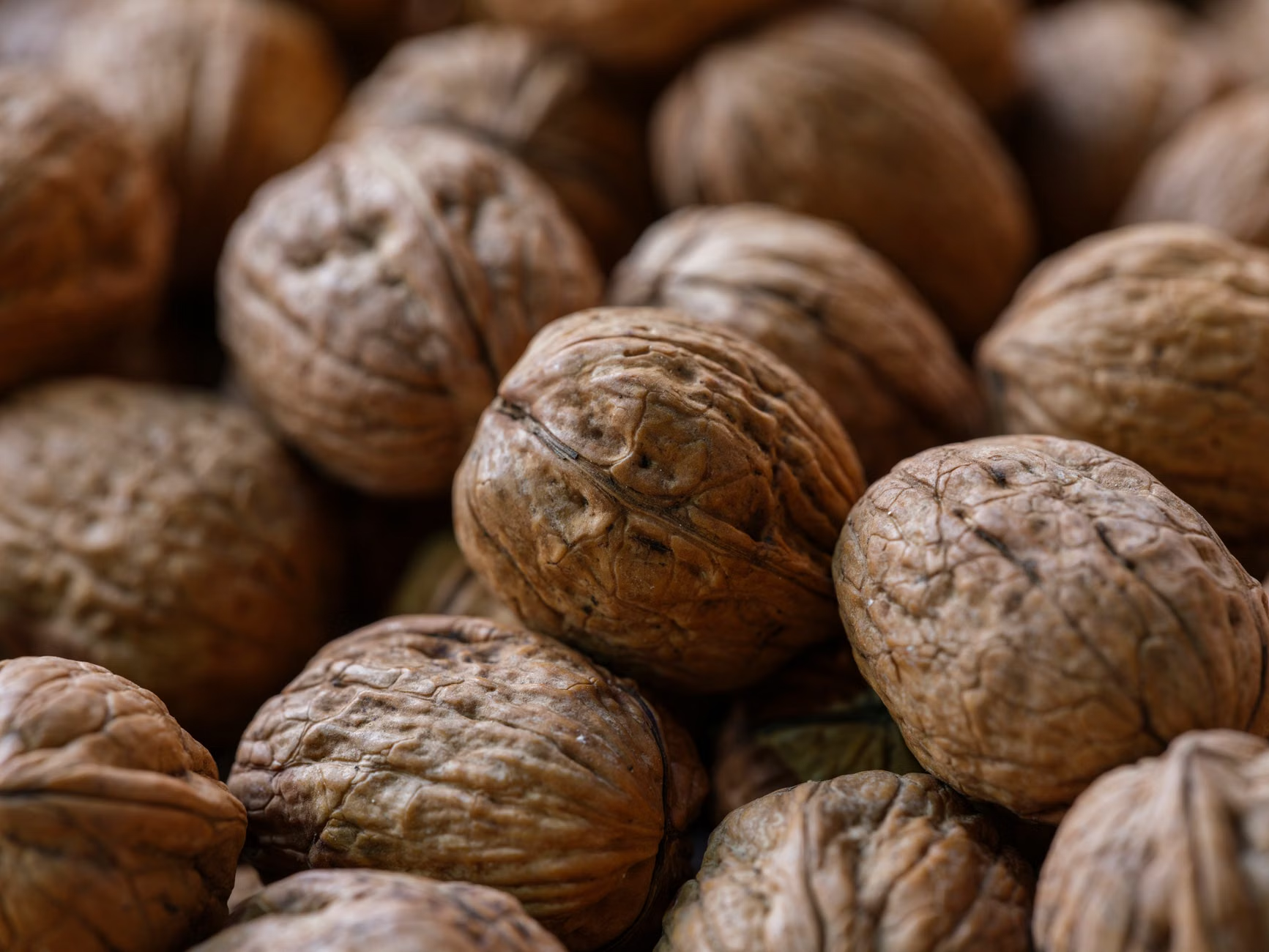
| Walnuts | 2.5g per ounce (approx. 14 halves) | Snacking or chopped over salads |
| Hemp Hearts | 1.0g per tablespoon | Sprinkled over soups or grain bowls |
Practical Decision Rule: If you are looking for the most versatile option, ground flaxseeds are ideal because they can be hidden in almost any meal without altering the flavor profile significantly. If you prefer a crunchy snack, raw walnuts are the superior choice.

Integrating Omega-3s into Your Daily Routine
One common mistake is treating health foods as “supplements” that are taken sporadically. To benefit from Omega-3s, they must become a regular component of your caloric intake. Here is a strategy for incorporating these nutrients without overwhelming your digestive system or budget.
Step-by-Step Incorporation Strategy
- The Morning Routine: Add one tablespoon of ground flaxseed to your morning oatmeal or yogurt. Ground flax is essential; whole seeds often pass through the digestive system undigested, meaning you miss out on the nutrients.
- The Mid-Day Snack: Keep a small container of raw walnuts at your desk or in your pantry. A handful (about 30 grams) provides a substantial amount of ALA along with fiber and antioxidants.
- The Dinner Enhancement: Use hemp hearts as a “finishing” ingredient. They have a mild, nutty flavor and can be sprinkled over roasted vegetables or vegetable soups, adding both protein and Omega-3s.
As we age, our digestive and metabolic needs change. It is important to consider these variables when increasing your fiber and fat intake.
Fiber and Digestion
Seeds like chia and flax are high in fiber. While fiber is excellent for heart health and blood sugar regulation, a sudden increase can lead to digestive discomfort. Increase your intake slowly. Start with one teaspoon per day and gradually work up to your target serving over two weeks. Always ensure you are drinking enough water, as fiber requires hydration to move effectively through the digestive tract.
Cost and Storage
Nuts and seeds contain healthy oils that can go rancid if exposed to light, heat, or air for too long. For the best quality, buy in moderate quantities and store them in the refrigerator or freezer. This prevents oxidation and ensures that you are consuming healthy fats rather than damaged ones.
The Importance of Professional Guidance
While plant-based Omega-3s are a safe and healthy addition for most, they are not a substitute for medical treatment. If you are taking blood-thinning medication (anticoagulants), it is important to discuss any major dietary changes with your physician. While dietary sources are generally safe, high-dose supplements can sometimes interact with medications. Your doctor can help you determine if your current dietary habits are sufficient or if specific blood work is needed to monitor your Omega-3 levels.
When preparing for a medical appointment regarding your heart or brain health, consider bringing a “Nutrition Diary.” This should include:
- A 3-day log of what you typically eat.
- Any supplements or vitamins you are currently taking (including dosages).
- Specific questions, such as: “Given my current heart health status, are there any specific fats I should prioritize or limit?”
Moving Beyond the Basics: Hidden Insights
Beyond the ALA content, the “hidden” benefit of these foods is their nutrient density. Walnuts, for example, are not just about Omega-3s; they are rich in polyphenols, which help fight oxidative stress—a key factor in age-related cognitive decline. By choosing whole food sources over processed alternatives, you are getting a “package deal” of fiber, protein, minerals, and healthy fats that work in synergy to protect your body.
Furthermore, consider the “substitution effect.” When you snack on a handful of walnuts instead of a processed cracker or cookie, you are not just adding Omega-3s; you are removing refined sugars and inflammatory trans-fats. This dual action is what truly drives long-term health improvements.
Conclusion: Your Path Forward
Prioritizing heart and brain health through diet is a powerful way to maintain independence and quality of life. By focusing on consistent, daily intake of flax, chia, and walnuts, you provide your body with the essential building blocks it needs. Start small, track your progress, and enjoy the process of nourishing your body with simple, whole foods. For further reading on dietary guidelines, you can consult resources such as the American Heart Association or the World Health Organization’s guidance on healthy diets.
Frequently Asked Questions
1. Is it better to get Omega-3s from fish or plants?
Both have benefits. Fish provides direct EPA/DHA, which is highly efficient for the body. However, plant sources provide ALA along with fiber and phytonutrients that fish lacks. For many, a combination is ideal, but plant-based sources are entirely sufficient for heart and brain health if consumed consistently.
2. Can I get enough Omega-3s just by eating walnuts?
While walnuts are an excellent source, relying on a single food is rarely the best strategy. Diversifying your sources—such as combining walnuts with flaxseeds and chia—ensures you get a broader spectrum of nutrients and prevents dietary boredom.
3. How do I know if my Omega-3 intake is working?
Health benefits from diet are often cumulative and internal. You may notice improvements in cholesterol markers or blood pressure during your regular medical check-ups. Focus on the consistency of your habits rather than looking for immediate physical symptoms.