- By 2026, international urban planning bodies are prioritizing “Inclusive Crossing Standards,” which mandate longer walk intervals and high-contrast visual signals to accommodate varying walking speeds.
- These standards emphasize “Dynamic Signal Timing,” which uses sensor technology to detect pedestrians who may need more time to clear the intersection.
- You can advocate for your local safety by identifying “short-cycle” intersections and reporting them to municipal traffic departments using specific pedestrian-safety terminology.
The Shift Toward Age-Inclusive Infrastructure
As urban populations age, the infrastructure that supports daily life—specifically the way we cross the street—is undergoing a significant transformation. By 2026, many global cities will begin aligning their traffic signal operations with new, age-inclusive standards. These guidelines are designed to replace the “one-size-fits-all” approach to traffic light timing, which historically ignored the realities of varying physical mobility among older adults.
For an individual aged 60 to 80, the standard “walk” interval at an intersection is often the difference between a stress-free walk to the park and a hazardous, high-anxiety experience. The 2026 standards prioritize Universal Design principles, ensuring that speed, visual acuity, and cognitive processing time are accounted for in every traffic signal cycle.
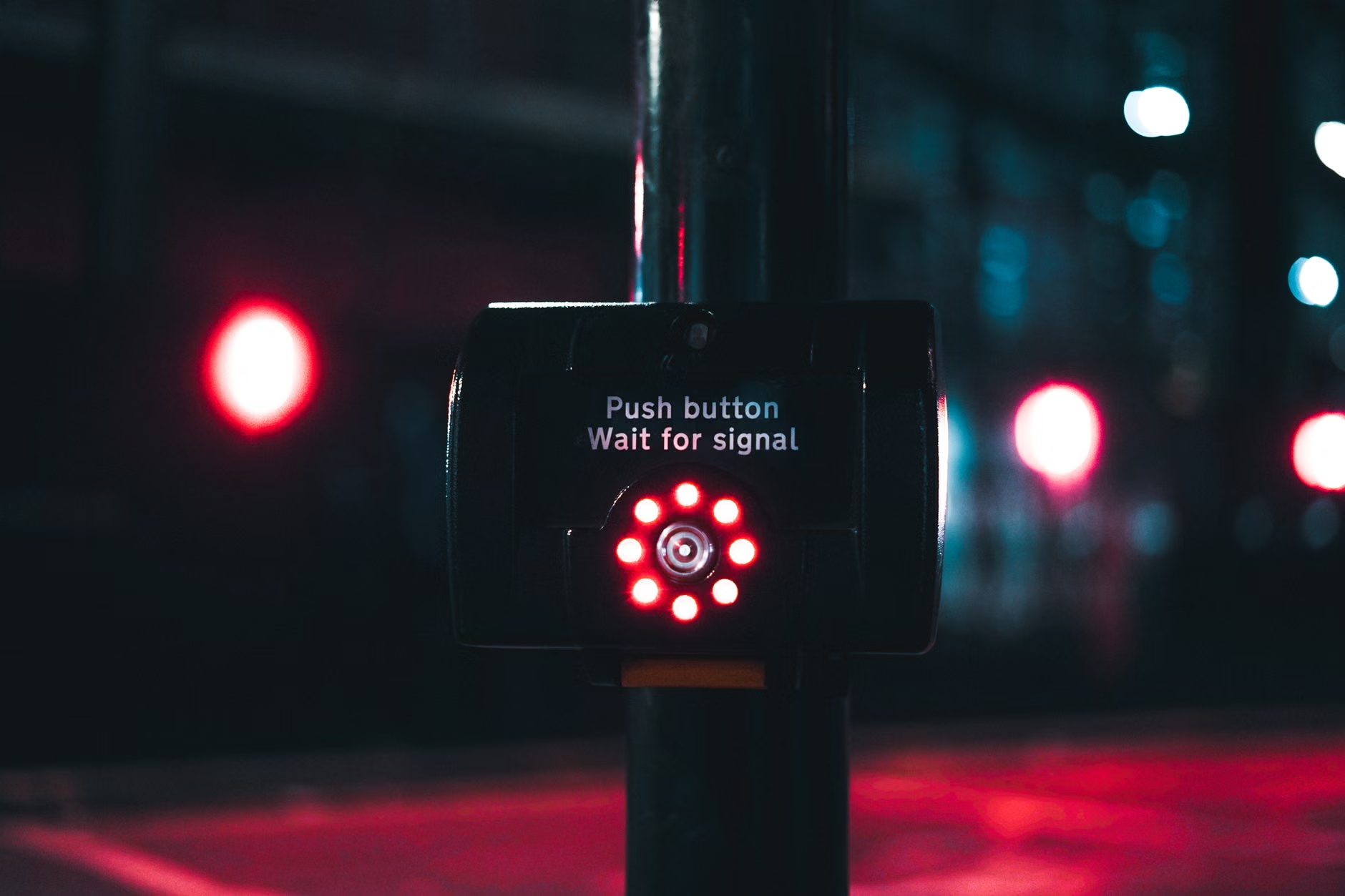
Why Standard Timing Often Fails Older Pedestrians
To understand the importance of the 2026 standards, we must first look at the “Walking Speed Assumption.” For decades, traffic engineers calculated crossing times based on an average walking speed of 1.2 meters per second (approx. 4 feet per second). This calculation assumes that every pedestrian is capable of maintaining a brisk, steady pace from the moment the light changes until they reach the opposite curb.
However, research from the World Health Organization (WHO) and various national transport departments indicates that many adults over age 65 walk at a rate closer to 0.8 to 1.0 meters per second. When an intersection is timed for a faster pace, a pedestrian who walks slightly slower may find themselves trapped in the middle of the road while the signal turns red. This is not merely a matter of convenience; it is a critical safety issue that increases the risk of falls and collisions.
The Real-Life Impact of Signal “Short-Cycling”
Consider a hypothetical scenario: You are walking to a local pharmacy. You step off the curb the moment the “Walk” signal illuminates. Halfway across the four-lane road, the signal begins to flash “Don’t Walk” or starts a countdown that suggests you have only three seconds left. You feel pressured to speed up, which can lead to tripping or losing balance, especially if you carry groceries or use a walking aid.
The 2026 standards aim to eliminate this “mid-road anxiety” by mandating a Pedestrian Clearance Interval that is calibrated to the slowest 15th percentile of the population. This means the light stays green or “Walk” long enough for someone walking at a slower, more comfortable pace to reach the other side safely.
Key Features of the 2026 Global Standards
The upcoming standards are not just about adding a few extra seconds to the timer. They represent a holistic rethink of how pedestrians interact with technology. Below is a breakdown of what these new requirements look like in practice.
| Feature | Description | Benefit for Seniors |
|---|---|---|
| Dynamic Timing | Sensors detect pedestrians in the crosswalk and extend the green light. | Removes the need to rush if you are slower or carrying heavy bags. |
| Leading Pedestrian Interval (LPI) | Pedestrians get a 3-7 second head start before cars can move. | Makes you more visible to turning drivers who might otherwise cut you off. |
| Audible/Tactile Signals | Vibrating buttons and localized sound cues for the start of the cycle. | Provides clear confirmation for those with visual or hearing impairments. |
| High-Contrast Displays | Larger, brighter countdown timers with high-visibility colors. | Easier to read in bright sunlight or at dusk. |
Note: The implementation of these features depends on your local municipality’s budget and existing infrastructure. While these are becoming “global standards,” the speed of adoption varies by country.
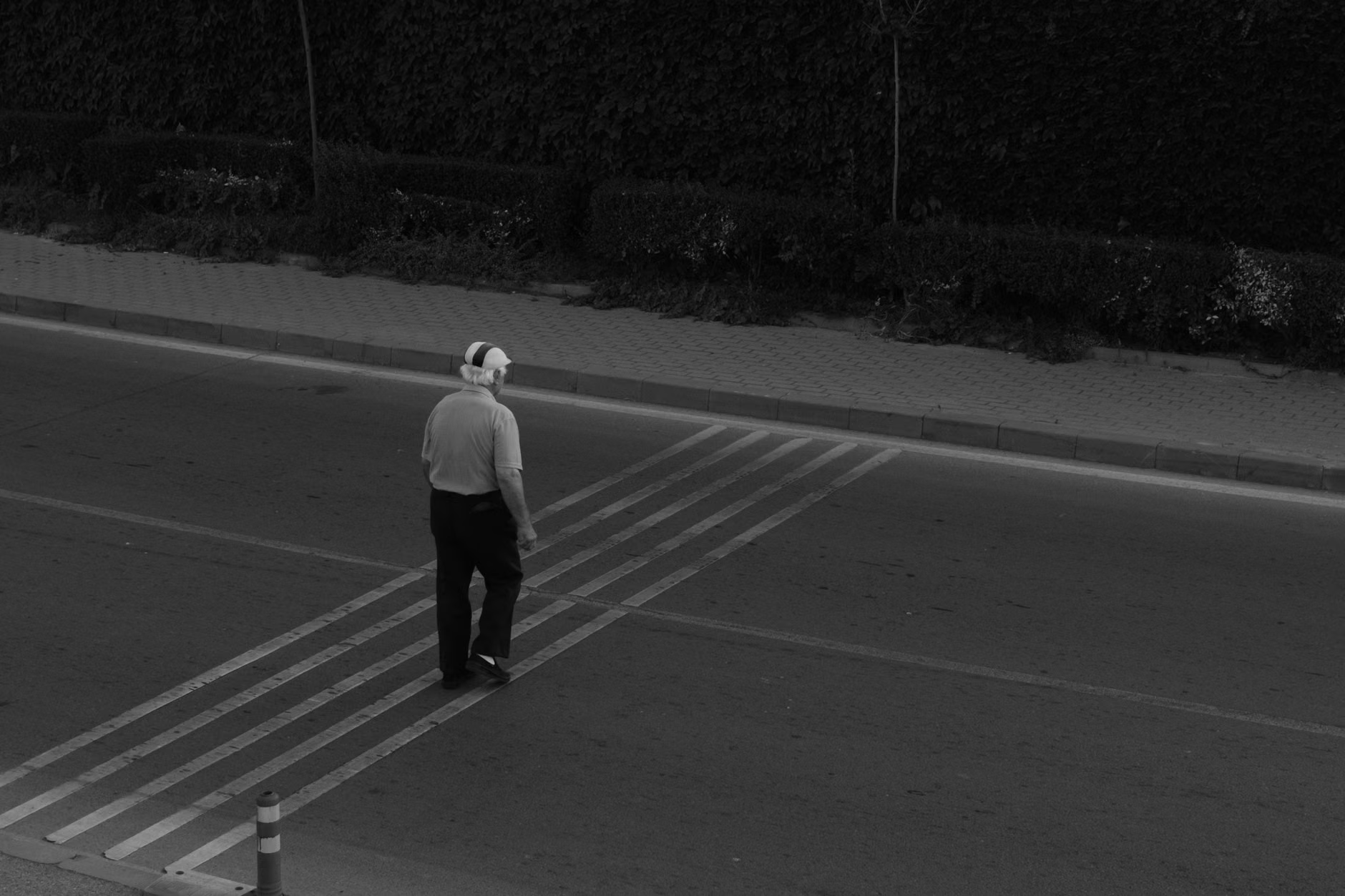
How You Can Advocate for Safer Crossings
You do not need to wait for 2026 to see improvements in your neighborhood. Most cities have a process for residents to request “Traffic Signal Reviews.” If you feel an intersection in your area is consistently dangerous or too fast, follow these steps:
- Document the intersection: Note the name of the streets, the time of day, and exactly what makes it difficult (e.g., “The walk signal is only 10 seconds long, which is insufficient for the width of this six-lane road”).
- Use official terminology: When contacting your local council or Department of Transportation (DOT), use terms like “Pedestrian Clearance Interval” or “LPI (Leading Pedestrian Interval).” This shows you are making a specific, evidence-based request.
- Gather community input: If you find the intersection difficult, your neighbors likely do too. A joint letter or a request signed by several residents carries significantly more weight than a single complaint.
- Focus on “Safety-First” rhetoric: Frame your request around accessibility and universal safety rather than personal inconvenience. Cities are increasingly focused on “Vision Zero” policies—the goal of eliminating all traffic-related fatalities.
While infrastructure is changing, maintaining your own mobility and confidence remains a priority. The best way to navigate current, less-than-ideal intersections is to adopt a “defensive walking” mindset. Never assume that a driver sees you, even if you have the right of way. Always make eye contact with drivers turning right or left before stepping into their path.
If you use a cane or a walker, ensure your device is in good condition, particularly the rubber tips, which provide the traction necessary to navigate crosswalks that may be uneven or slippery. If you are experiencing pain or fatigue that affects your walking speed, consider discussing this with your primary care provider. They can help you identify if your pace is being affected by joint health or muscle strength, and suggest appropriate physical therapy or assistive devices to maintain your independence.
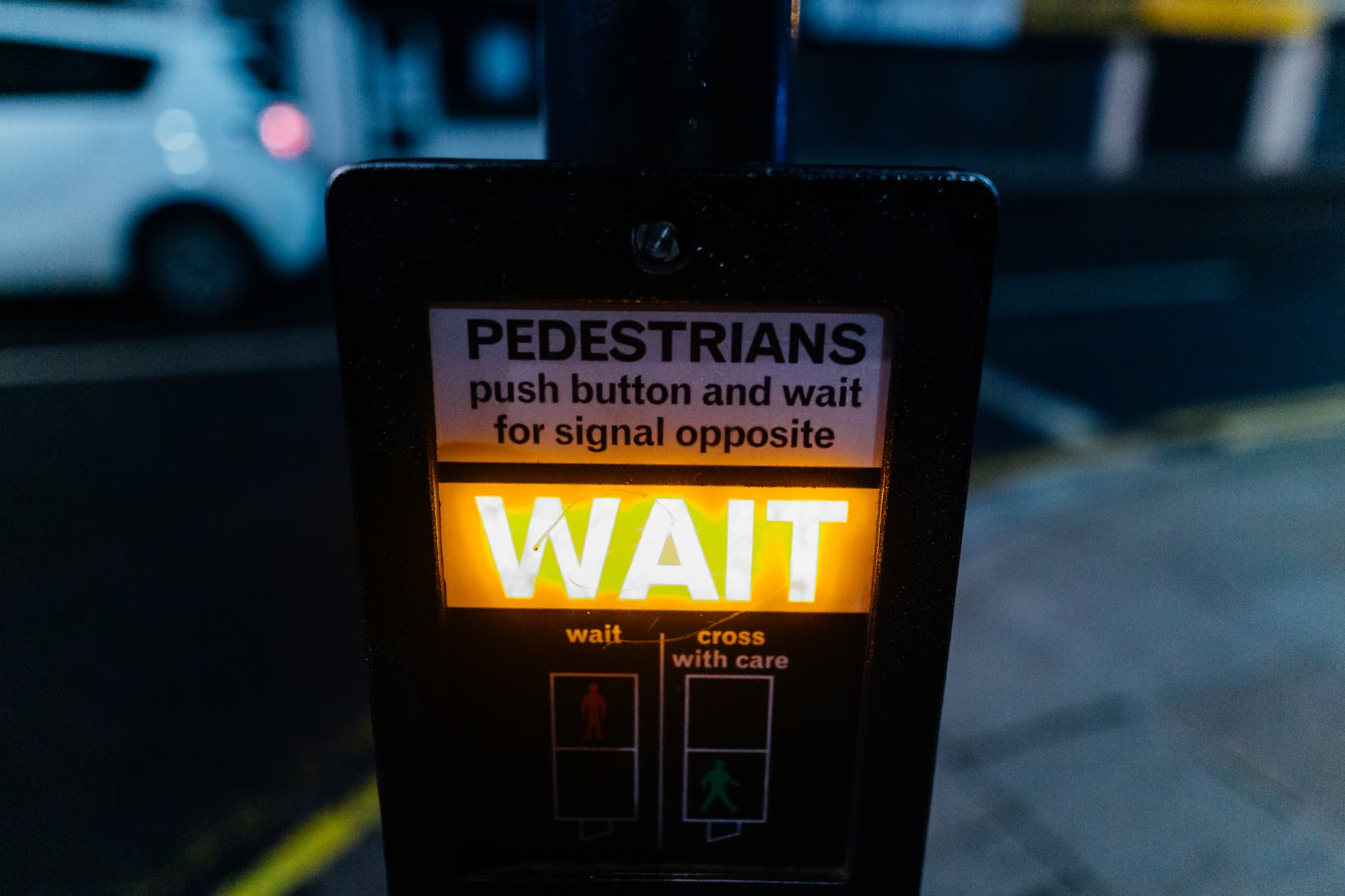
The Role of Technology and Future-Proofing
Beyond standard buttons and timers, the 2026 standards incorporate “Smart City” technology. This involves using cameras and infrared sensors to monitor intersection activity. In some regions, these systems are already being tested to automatically adjust timing based on the volume of pedestrians. For example, if a group of people is detected, the system keeps the light green longer.
However, technology has its limits. Relying solely on sensors can be problematic if they are not maintained. If you notice a signal that consistently fails to detect pedestrians, report it. Maintenance of existing equipment is often a greater hurdle than the installation of new, high-tech systems.
Addressing Common Misconceptions
A common misconception is that “longer crossing times” cause massive traffic congestion. Traffic engineers have found that properly timed pedestrian intervals actually improve traffic flow by reducing the number of pedestrians still in the road when the light turns green for cars. By consolidating pedestrian movement, traffic moves more predictably, which benefits everyone—drivers, cyclists, and walkers alike.
Another myth is that seniors should avoid busy intersections altogether. While it is wise to choose the path of least resistance, avoiding main roads can limit your access to essential services and community hubs. Instead of avoiding these areas, focus on selecting routes that have “refuge islands”—the raised concrete areas in the middle of a wide road. These allow you to cross half the street, wait safely, and cross the second half during the next cycle.
Preparing for Your Daily Outings
Regardless of the infrastructure, your preparation makes a difference. When planning a route, use mapping tools that allow you to see the “Street View.” This lets you spot intersections with long crossing distances, lack of curb cuts, or heavy traffic patterns before you even leave the house. If you are going to a new part of town, plan your route to utilize intersections with pedestrian signals rather than those without.
If you find that a specific route is consistently stressful, do not hesitate to change your habits. A slightly longer route that uses safer, well-lit, and signaled intersections is always better than a shorter, more dangerous one. Your goal is to remain active and connected to your community, and choosing the right path is a key part of that strategy.
Conclusion
The transition to the 2026 global standards for pedestrian signals marks a significant step toward acknowledging the diverse needs of an aging global population. By focusing on longer walk intervals, better visibility, and sensor-based timing, cities are becoming more accessible. While these changes will take time to implement worldwide, being aware of these standards empowers you to advocate for your own safety and navigate your environment with confidence. Stay informed, speak up for better infrastructure in your community, and continue to prioritize your safety with every step you take.
Frequently Asked Questions (FAQ)
1. Will these 2026 standards be applied to every intersection immediately?
No. These standards generally apply to new installations, major road renovations, or areas undergoing significant traffic signal upgrades. Municipalities will likely phase these changes in over several years depending on their budget and infrastructure replacement schedules.
2. What should I do if the pedestrian signal at a busy intersection is too fast for me?
If you find an intersection dangerous, report it to your local municipal traffic or public works department. Provide the specific location and clearly explain that the signal timing does not allow enough time for a safe crossing. Many cities track these requests to prioritize future upgrades.
3. Are there any specific apps that help me find the most pedestrian-friendly routes?
While most major navigation apps focus on vehicle traffic, some specialized “accessibility mapping” apps or local city planning websites offer layers that show pedestrian infrastructure like crosswalks, curb ramps, and traffic light locations. Check your local city government’s website for any dedicated “pedestrian mobility” maps.
Official guidance on pedestrian safety and infrastructure can be found through the World Health Organization’s Road Safety resources and the Federal Highway Administration’s Pedestrian Safety Program.