- Senior-led hiking clubs offer a unique blend of physical activity and social support that significantly reduces isolation and improves cardiovascular health.
- Selecting the right club requires evaluating trail difficulty ratings, group pace, and the availability of emergency protocols.
- Preparation, including proper footwear, hydration, and communication of personal health needs, is the foundation for a safe and enjoyable hiking experience.
Joining a local hiking club as an adult between the ages of 60 and 80 is more than just a way to exercise; it is a gateway to sustained social engagement and community belonging. While many view hiking as a solitary pursuit, the rise of senior-led walking and hiking groups highlights a shift toward collective well-being. These groups provide a structured environment where fitness is balanced with companionship, allowing participants to navigate the challenges of aging with a supportive peer network.
The Social and Health Synergy of Group Hiking
The primary appeal of joining a hiking club lies in the intersection of physical activity and social interaction. Research consistently shows that social isolation is a major risk factor for health decline in older adults. A hiking club addresses this by providing a “third space”—a location outside of work and home—where individuals can build new friendships based on shared interests rather than necessity.
From a physiological perspective, hiking provides low-impact cardiovascular exercise that strengthens core muscles, improves balance, and maintains bone density. When performed in a group, the “perceived exertion” often decreases. A conversation with a fellow hiker can distract from the physical effort of an incline, making the exercise feel less taxing. This phenomenon is known as social buffering, where the presence of others reduces the stress response to physical exertion.
Psychological Benefits of Collective Movement
Beyond the physical, the psychological benefits of being part of a group include:
- Accountability: Knowing that others are expecting you at the trailhead makes it significantly harder to skip a workout.
- Cognitive Engagement: Navigating trails, reading maps, and engaging in conversation keep the brain sharp and focused.
- Sense of Purpose: Many senior-led clubs engage in trail maintenance or environmental advocacy, providing members with a sense of contributing to their local community.

How to Evaluate and Select the Right Hiking Club
Not all hiking clubs are created equal. For a beginner, the difference between a positive experience and an overwhelming one often comes down to the club’s culture and the intensity of their outings. When evaluating potential clubs, use the following decision matrix to determine if a group is the right fit for your current stamina and mobility level.
| Club Characteristic | What to Look For | Why It Matters |
|---|---|---|
| Pace Policy | Does the group follow a “no one left behind” rule? | Prevents anxiety about being the slowest; ensures safety on the trail. |
| Difficulty Rating | Are trails rated by elevation gain and terrain type? | Helps you avoid injury by matching the hike to your fitness level. |
| Safety Protocol | Does the leader carry a first-aid kit and emergency contact list? | Essential for peace of mind and managing unexpected health incidents. |
When you contact a club, don’t be afraid to ask specific questions. Ask, “What is the average age of your members?” or “Can you describe the typical terrain? Is it mostly flat, or are there significant rock scrambles?” A reputable club will welcome these questions and provide honest answers about the suitability of their events for beginners.
Essential Preparation for Senior Hikers
Safety in hiking is built on preparation. Regardless of the group’s experience level, you must take responsibility for your own physical readiness. This starts with the right gear and an honest assessment of your personal health constraints.
Footwear and Stability
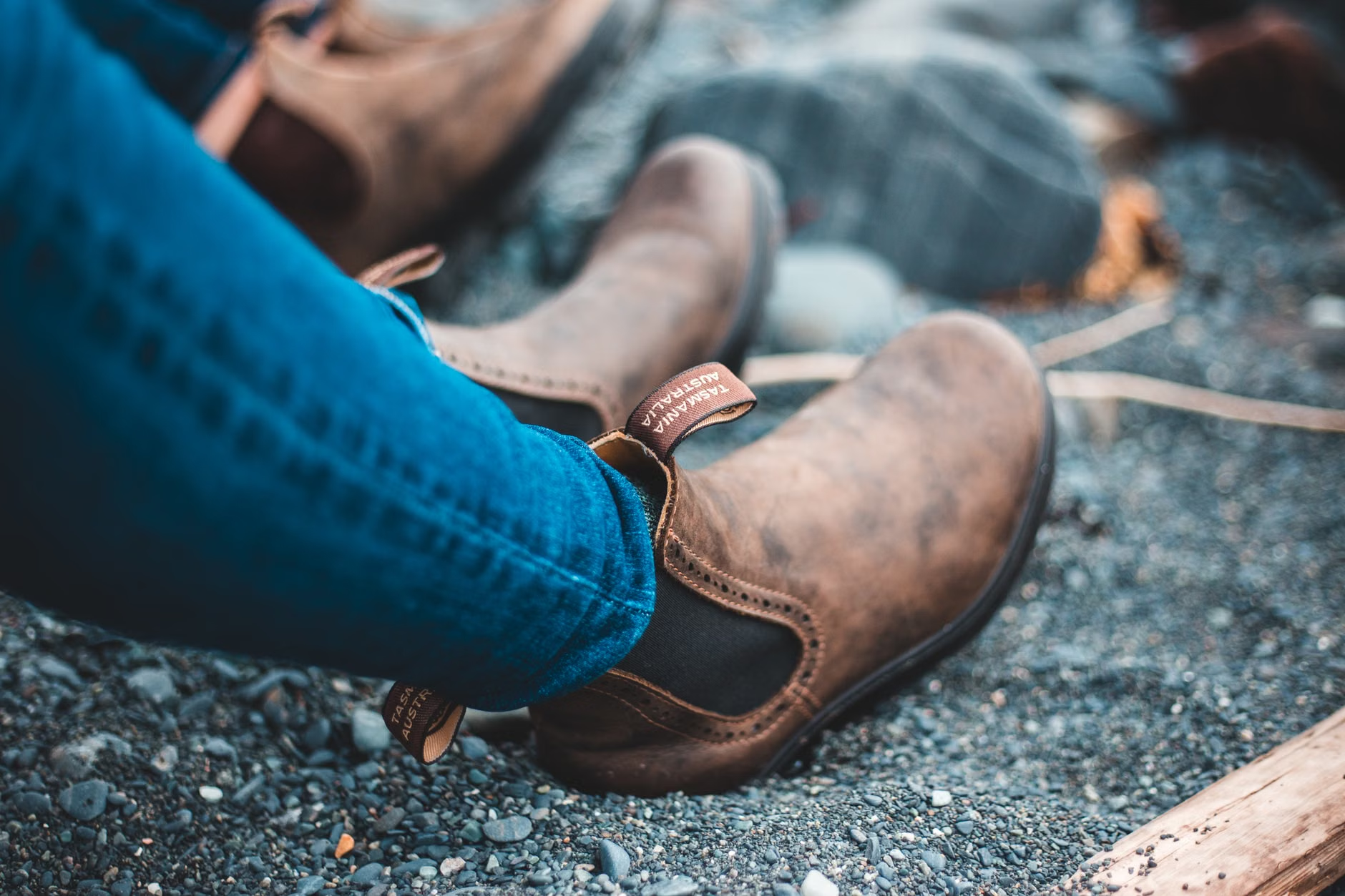
Footwear is the most critical investment for any hiker. For seniors, focus on boots that provide ankle support and have a high-traction outsole. Avoid standard running shoes, as they lack the lateral stability required for uneven trail surfaces. If you have a history of foot conditions, such as plantar fasciitis, consult with a podiatrist about appropriate orthotic inserts before committing to long-distance hikes.
Hydration and Nutrition Strategies
Dehydration is a common issue for older adults, as the body’s thirst mechanism often becomes less sensitive with age. Do not wait until you are thirsty to drink. Use a hydration bladder or carry water bottles in a backpack that is easy to reach. For hikes longer than 90 minutes, bring electrolyte-rich snacks to maintain blood sugar levels and prevent muscle cramping.
Hiking, while generally safe, carries inherent risks such as falls, heat exhaustion, and altitude sickness. Understanding these risks is not about fear; it is about proactive management. Before every hike, ensure you have a “Personal Trail Kit” in your backpack.
- Medical ID: A card listing your name, emergency contact, allergies, and current medications.
- Phone: Fully charged, with a power bank for long hikes.
- First-aid basics: Blister pads (moleskin), antiseptic wipes, and any personal medication you might need in an emergency.
- Sun Protection: A wide-brimmed hat, sunglasses, and sunscreen, even on cloudy days.
- Whistle: A simple, effective tool to signal for help if you become separated from the group.
Responding to Physical Limitations
It is perfectly acceptable to modify your hike. If you feel your stamina waning, inform your group leader immediately. A good leader will never pressure a participant to continue past their comfort zone. If you have chronic conditions such as high blood pressure or diabetes, ensure your medical team is aware of your new hobby. They can provide specific guidance on how to monitor your heart rate or glucose levels while active.
Overcoming Common Barriers to Entry
Many adults in the 60-80 age range worry that they are “not fit enough” to join a hiking group. This is the most common misconception in the hiking community. There is a wide spectrum of hiking: from flat, paved walking paths in local parks to strenuous mountain ascents. You do not need to start with the latter.
Start by identifying “Walking Clubs” rather than “Hiking Clubs.” These groups often focus on distance and consistency on flat terrain. As your endurance builds, you can gradually transition to trails with more incline. The social aspect remains the same regardless of the trail difficulty.
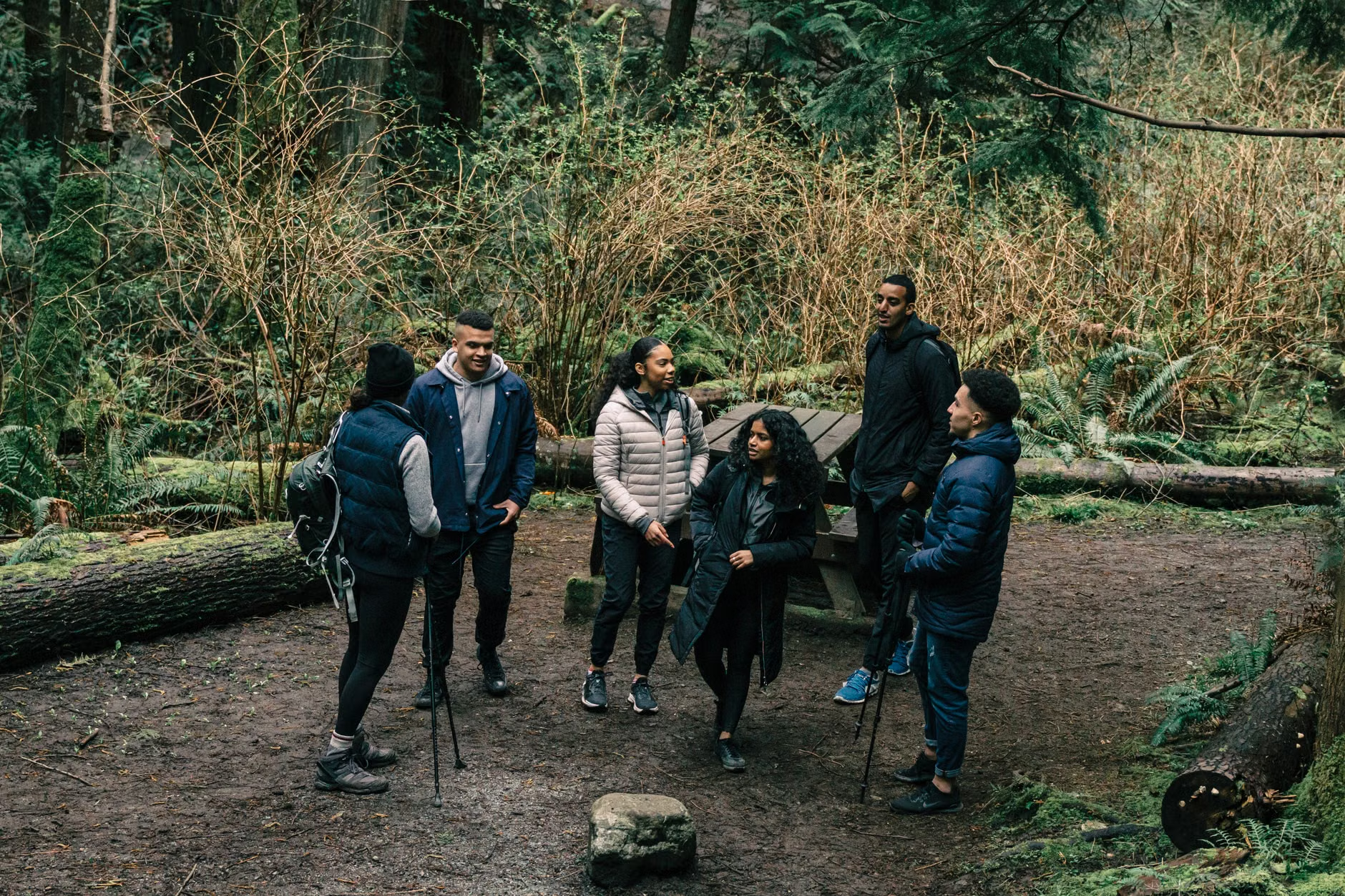
If you have concerns about your mobility, consider using trekking poles. These are not just for the elderly or the injured; they are used by professional hikers of all ages to reduce the load on the knees and improve balance on descent. Using two poles allows you to engage your upper body, turning a hike into a full-body workout while increasing your stability on slippery or uneven ground.
Insights into Sustainable Long-Term Participation
To ensure this hobby remains sustainable, prioritize recovery as much as the hike itself. After a vigorous day on the trail, focus on gentle stretching and hydration. If you find that your recovery time is increasing, it is a sign to reduce the frequency of your hikes or choose shorter, less challenging routes. The goal is consistency over the long term, not intensity in the short term.
Finally, consider the digital aspect of these clubs. Many modern senior-led groups use platforms like Meetup, Facebook Groups, or WhatsApp to coordinate. If you are not tech-savvy, ask a family member or a fellow club member to help you set up these notifications. Staying connected with the group’s schedule is vital for maintaining the social momentum that keeps you coming back.
Conclusion: Taking the First Step
The social power of senior-led hiking clubs is found in the shared journey. When you step onto the trail, you are not just walking toward a destination; you are walking toward a healthier, more connected version of yourself. Start small, prioritize your safety, and choose a group that aligns with your pace. Your local park or regional trail authority is a great place to begin your search for a community that will welcome you.
Frequently Asked Questions
1. How do I find a local hiking club that is suitable for my fitness level?
Start by searching on platforms like Meetup.com or by contacting your local community center or municipal parks and recreation department. They often maintain lists of walking and hiking groups tailored to different ages and fitness levels. Always look for groups that explicitly state their pace and trail difficulty ratings.
2. Should I consult my doctor before joining a hiking club?
If you have been inactive for a long time or have chronic health conditions, it is a prudent step to consult your primary care physician. Ask specifically about any heart rate limits or physical movements you should avoid. Providing your doctor with the typical duration and intensity of the hikes you plan to join can help them give you tailored advice.
3. What should I do if I get tired or feel pain while on a hike with a group?
Communicate immediately with the group leader. Do not try to “push through” pain, as this can lead to injury. Most experienced group leaders have plans for “bail-out” points or can help you navigate a shorter route back to the trailhead. Always prioritize your physical well-being over the desire to complete the entire planned route.
For further information on trail safety and hiking preparation, you can visit official resources such as the National Park Service Hiking Guide (for US-based readers) or your local equivalent national or regional trail authority.